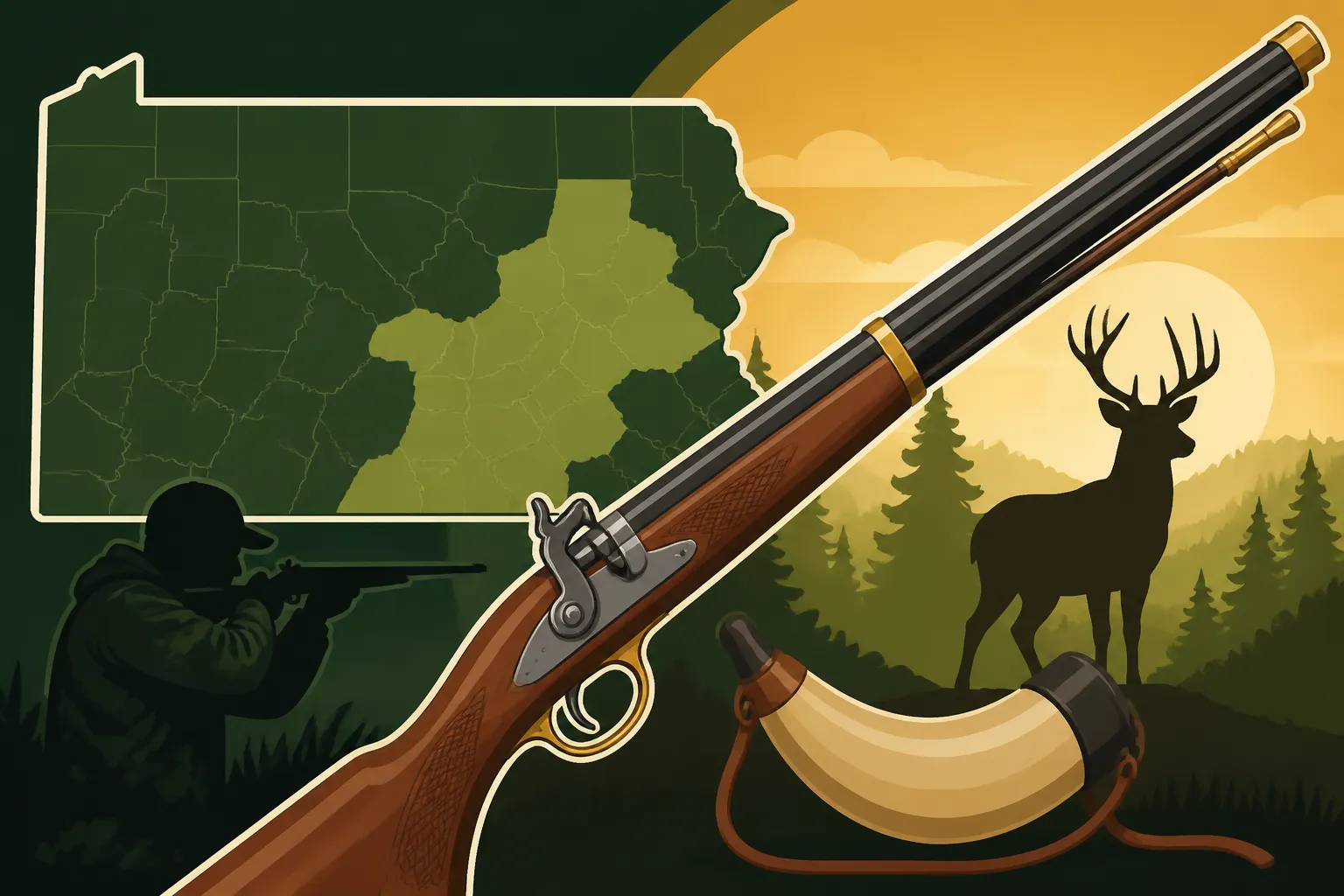
Inline Muzzleloaders and Where They Are Legal
Many Pennsylvania hunters feel a bit lost when it comes to muzzleloader hunting, especially with the different types and where they're actually allowed. It's a common frustration to want to extend your season or experience a more traditional hunt, only to be bogged down by complex rules about modern inline technology versus classic flintlocks. This guide will clarify exactly what an inline muzzleloader is, how it differs from other muzzleloaders, and most importantly, pinpoint where and when you can legally use one for deer and bear hunting across the Commonwealth.
The Modern Muzzleloader: What is an Inline and Why Choose One?
The world of muzzleloading has evolved dramatically over the centuries, moving from the purely traditional to options that bridge the gap with modern firearms. In Pennsylvania, understanding this evolution, particularly the emergence of the inline muzzleloader, is crucial for any hunter looking to expand their opportunities. It’s not just about a different ignition system; it’s about a different hunting experience that leverages modern reliability while still embracing the spirit of single-shot, front-loading discipline.
Defining the Inline Muzzleloader: Technology Over Tradition
At its heart, an inline muzzleloader is a firearm where the primer sits directly "in line" with the main powder charge, typically ignited by a modern shotgun primer (like a 209 primer) or a percussion cap. This direct ignition path is what gives it its name and is a significant departure from the exposed hammer and pan of a flintlock or the side-mounted percussion cap of a traditional caplock rifle. They often feature a fully enclosed breech, making them far more resistant to the elements than their predecessors.
Unlike traditional muzzleloaders that might use loose powder and a round ball or patched conical, inline muzzleloaders are often designed to shoot saboted bullets or full-bore conicals, sometimes even using pelletized powder charges. This design philosophy emphasizes consistency, power, and ease of loading in the field, making them very appealing for hunters who want to extend their season without diving into the deep end of flintlock maintenance and technique. The modern manufacturing tolerances also contribute to a firearm that feels more akin to a contemporary rifle in terms of handling and accuracy.
Advantages of Inlines: Accuracy, Reliability, and Ease of Use
For many hunters, the switch to an inline muzzleloader is driven by a desire for increased performance and reliability compared to older designs. The enclosed breech and 209 primer system significantly reduce misfires, particularly in damp or cold conditions, which, let's be honest, describes a lot of Pennsylvania hunting weather. There’s nothing more frustrating than having a deer in your sights only for your gun to go click instead of bang due to moisture. Inlines mitigate this common issue considerably.
Furthermore, inline muzzleloaders are generally renowned for their accuracy. Many models can achieve rifle-like precision out to 100-150 yards, sometimes even further, depending on the shooter and load development. This means more confidence in taking ethical shots at reasonable hunting distances. The use of more modern bullet designs and tighter manufacturing tolerances plays a huge role here. The ability to quickly and easily clean the breech plug, often without tools, also makes post-hunt maintenance a less daunting task, ensuring your firearm is ready for the next outing.
The Distinguishing Factor: Percussion vs. Flintlock Ignition
The core difference, and the one that dictates legality in specific Pennsylvania seasons, lies in the ignition system. Traditional flintlock muzzleloaders use a piece of flint striking a steel frizzen to create a spark, which then ignites a small pan of priming powder, and that flame eventually travels through a vent hole to the main charge. It’s a beautiful, intricate dance of mechanics that, while effective, can be temperamental in adverse weather. Flintlock Season Tactics in Pennsylvania delve into the nuances of this traditional method.
Inline muzzleloaders, by contrast, use a modern primer (usually a 209 shotgun primer) that is directly struck by a firing pin, sending a powerful, contained spark directly into the powder charge. This system is faster, more consistent, and much less susceptible to wind or moisture affecting the ignition. This distinction is paramount in Pennsylvania regulations because certain seasons are specifically designated for traditional flintlocks only, celebrating the historical hunting methods of our ancestors.
Understanding Pennsylvania's Muzzleloader Framework
Pennsylvania has a long, rich hunting heritage, and its regulations reflect a desire to honor both tradition and provide diverse opportunities for modern hunters. This has led to a nuanced set of rules regarding muzzleloaders, particularly differentiating between the time-honored flintlock and the more technologically advanced inline models. It's a system that can definitely feel a bit confusing at first, but once you understand the underlying philosophy, it becomes much clearer.
The Dedicated Flintlock Season: A Traditionalist's Realm
Perhaps the most iconic muzzleloader season in Pennsylvania is the dedicated post-Christmas flintlock season. This is a special time that truly transports hunters back in time, relying on the skills and equipment reminiscent of early American frontiersmen. During this specific season, only traditional flintlock firearms are legal. This means no 209 primers, no inline ignition systems, and often specific rules regarding sights (usually open sights, no scopes). It's a challenging, rewarding experience that many Pennsylvanians cherish.
The intention here is to preserve a piece of hunting history. If you're carrying an inline muzzleloader during the dedicated flintlock season, you are out of compliance. It's a clear distinction designed to offer a unique hunting challenge and pay homage to those who hunted these lands centuries ago. Many hunters, myself included, enjoy both the challenge of the flintlock season and the extended opportunities that an inline offers in other seasons, finding joy in both traditional and modern approaches. For more on this, check out Flintlock and Muzzleloader Deer Hunting in Pennsylvania.
Seasons Where "Any Legal Muzzleloader" Applies
Fortunately for inline muzzleloader enthusiasts, Pennsylvania offers several excellent opportunities to use these modern front-loaders. When the regulations state "any legal muzzleloader," this typically includes both flintlock and inline systems, provided they meet other general criteria like barrel length and caliber. These "any legal muzzleloader" periods allow hunters to capitalize on the advantages of inlines, such as improved accuracy and all-weather reliability, without having to commit to the specific demands of a traditional flintlock.
These seasons are often concurrent with other modern firearms seasons or specific extended opportunities. It’s a testament to the Game Commission's approach of balancing traditional methods with opportunities for hunters using contemporary equipment. This flexibility is what makes inline muzzleloaders such a versatile tool in a Pennsylvania hunter's arsenal, extending their time in the woods without requiring a steep learning curve or significant investment in a second, more specialized muzzleloader.
General Regulations for Muzzleloader Use
Beyond the specific seasons, all muzzleloader hunters in Pennsylvania must adhere to general hunting regulations. This includes ensuring your firearm is of a legal caliber (generally .44 caliber or larger for deer and bear, though always check the current digest), maintaining safe zones of fire, and possessing the correct licenses. Pennsylvania Hunting Licences and What They Cost is a great resource for ensuring you have all your tags in order before heading out.
Hunter orange requirements can vary depending on the specific season and type of game you're pursuing. For instance, during archery seasons, less or no orange might be required, while during the concurrent general firearms season, specific amounts of visible orange are mandatory. It's crucial to consult the current Pennsylvania Hunting & Trapping Digest each year, as regulations can sometimes be adjusted. Safety, of course, is always paramount, regardless of the firearm type.
Where Inline Muzzleloaders Shine: Deer Hunting Opportunities
While the dedicated flintlock season is exclusive, inline muzzleloaders offer fantastic opportunities during several other deer seasons in Pennsylvania. Their reliability and accuracy make them a strong choice when you want to extend your time afield or simply prefer the challenge of a single-shot firearm without the complexities of a flintlock. These options allow for a broader range of hunting experiences across the state.
Concurrent Use During Archery Seasons
One of the most appealing aspects of inline muzzleloaders is their legality during Pennsylvania's archery seasons, both the early October opener and the later archery periods. This means that if you're an archery hunter who also enjoys muzzleloading, you don't necessarily have to choose between a bow and your inline. You can carry your inline muzzleloader right alongside your archery equipment, giving you options in the field. This also means you'll still be adhering to the reduced hunter orange requirements (or lack thereof) typically associated with archery hunting.
Imagine a crisp October morning during Bowhunting Pennsylvania's October Archery Season. You're set up in a stand, and a buck slips through out of bow range but perfectly within your inline's effective distance. Having that flexibility is a huge advantage. This flexibility also extends to the early archery WMUs, offering an even earlier opportunity to put venison in the freezer or pursue that specific buck you’ve been scouting. Just remember to always verify the specific WMU rules for any special restrictions.
Pairing with the General Firearms Season
Inline muzzleloaders are also perfectly legal during Pennsylvania's general firearms deer season, which typically runs through much of December. This is a significant advantage, as it means you can use your inline during the same timeframe that rifle hunters are out. This provides an excellent opportunity if you want to hunt with a muzzleloader but aren't keen on the specific challenges of the flintlock season or if you simply prefer your inline over a modern cartridge rifle.
Hunting during the general firearms season means you'll be dealing with potentially more hunting pressure, so tactics like still-hunting or driving deer become more relevant. Knowing your inline's capabilities and practicing regularly will give you the confidence to make quick, ethical shots if an opportunity arises. This season is also generally concurrent with antlerless opportunities, so if you've secured the necessary Pennsylvania Antlerless Deer Licences Explained, your inline can be an excellent tool for filling those tags.
The Late Archery and Muzzleloader Season
After the Christmas holiday, Pennsylvania offers a late archery and muzzleloader season that often extends into January. This is another prime time for inline muzzleloaders, as it allows hunters to pursue deer when many other seasons have closed. During this season, most WMUs allow for the harvest of antlerless deer, and some may permit antlered deer depending on specific regulations and antler point restrictions.
Hunting in the late season means contending with colder temperatures, and potentially snow, which is where the reliability of an inline muzzleloader really shines compared to a flintlock. You'll be looking for late-season food sources and bedding areas, as deer patterns shift dramatically once the rut is over and temperatures drop. This season provides a fantastic opportunity for filling a freezer or just enjoying the quiet solitude of the winter woods with your inline. The combination of archery and muzzleloader allows for flexibility based on conditions and shot opportunities.
Inline Muzzleloaders for Pennsylvania Black Bear Hunting
Pennsylvania boasts a healthy and growing black bear population, offering some of the best bear hunting opportunities in the eastern United States. While there are dedicated firearms seasons for bear, inline muzzleloaders also carve out a crucial niche, providing options for hunters during earlier or extended periods, allowing for different hunting strategies and experiences. Understanding these specific seasons is key to successfully pursuing a bruin with your inline.
Archery Bear Season: An Early Opportunity
Just like with deer, inline muzzleloaders are legal for hunting black bear during the archery bear season. This season usually coincides with the general archery deer opener, offering an exciting chance to pursue bears before the general firearms seasons begin. For many, this is a prime opportunity, as bears are often still very active, feeding heavily in preparation for winter, and less pressured than they will be later in the year.
The advantages of an inline during this season are clear: a powerful, reliable firearm in conditions that might be less forgiving for a traditional flintlock. When hunting bear, shot placement is absolutely critical, and the inherent accuracy of an inline muzzleloader provides a significant edge. Remember, bear hunting requires a special bear license in addition to your general hunting license. For details, refer to Pennsylvania Bear Seasons and Licences.
Extended Bear Seasons: Expanding Your Chances
Beyond the main bear seasons, Pennsylvania often implements extended bear seasons in specific WMUs. These seasons are designed to help manage local bear populations and can run concurrent with other hunting seasons, including the late archery and muzzleloader deer season. During these extended periods, inline muzzleloaders are generally legal, giving hunters additional chances to harvest a bear.
These extended opportunities are particularly valuable for hunters who might not have been successful during the earlier, shorter bear seasons. They often occur in areas with higher bear densities or where human-bear conflicts are more prevalent. It’s always important to double-check the current hunting digest for the specific WMUs and dates where these extended seasons are in effect, as they can change annually based on management needs. The flexibility of an inline during these seasons can make all the difference.
What About the Dedicated Muzzleloader Bear Season?
This is a critical distinction, similar to the deer seasons. Pennsylvania has a specific, dedicated "Muzzleloader Bear Season" that typically occurs in mid-October. However, this season is generally restricted to flintlock muzzleloaders only. This means your inline muzzleloader, with its modern 209 primer ignition system, would not be legal during this specific short window.
This regulation ensures that the dedicated muzzleloader bear season remains a traditional pursuit, offering a unique challenge to hunters who embrace the historical aspect of the sport. If your goal is to hunt bear during this particular dedicated muzzleloader season, you'll need to use a traditional flintlock. For all other bear seasons where muzzleloaders are legal, your inline will be a perfectly fine choice. Always confirm the most up-to-date regulations before heading afield, especially when planning your strategy for Archery and Muzzleloader Bear Tactics.
Navigating WMUs, Regulations, and Planning Your Hunt
Hunting in Pennsylvania isn't just about understanding the game and the gear; it's also about knowing the lay of the land, specifically the Wildlife Management Units (WMUs) and any area-specific regulations. This is where planning and research become invaluable, ensuring you're compliant and maximizing your chances of a successful hunt with your inline muzzleloader.
WMU Specifics: Are There Restrictions for Inlines?
Pennsylvania is divided into 23 WMUs, each with its own specific regulations that can affect deer and bear hunting, including antler restrictions, antlerless tag allocations, and even season dates. While the legality of inline muzzleloaders generally applies across all WMUs during the "any legal muzzleloader" seasons, it's always wise to confirm if any WMU you plan to hunt has unique restrictions. For example, specific WMUs might have different early or extended season dates for various game.
It's rare for a WMU to outright prohibit inline muzzleloaders where other muzzleloaders are allowed, but some special regulations areas (often closer to urban centers or in state parks that permit hunting) might have restrictions on certain types of firearms or ammunition. Always consult the official Game Commission digest for the specific WMU you intend to hunt. This due diligence can save you a lot of headache and ensures a legal, enjoyable hunt. Understanding Pennsylvania Deer Seasons and WMU Rules is essential here.
Tools for Research and Planning
In today's digital age, hunters have access to incredible tools for planning their hunts. Online mapping systems from the Pennsylvania Game Commission are invaluable for scouting public lands, identifying topography, and understanding access points. When you're trying to figure out where to use your inline, these resources can show you where public game lands, state forests, or even enrolled Hunter Access Program properties are located. Scouting Pennsylvania Public Land Before Season is a crucial step.
Beyond official government resources, platforms like GoHunt provide comprehensive mapping and data layers that can significantly aid your pre-season planning. Whether you're looking at property boundaries, historical harvest data, or habitat features, GoHunt can offer a rich overlay of information directly on your phone or computer. Leveraging such tools allows you to identify potential hunting areas, understand terrain, and pinpoint where you might find deer or bear that align with your inline muzzleloader opportunities. Don't underestimate the power of digital scouting; it's like having an eagle-eye view of your hunting grounds before you ever step foot in the woods.
Important Considerations: Ammunition, Reporting, and Carcass Movement
Even with an inline muzzleloader, you need to pay attention to ammunition regulations. For instance, projectiles generally must be single-projectiles (no buckshot in muzzleloaders for big game) and of a minimum caliber for deer and bear. Ensure your saboted bullets or conicals meet these requirements. After a successful harvest, remember that all deer and bear must be tagged immediately and reported to the Game Commission within a specific timeframe. Failing to do so can result in penalties.
If you are hunting in a Chronic Wasting Disease (CWD) Disease Management Area (DMA), there are specific rules about moving deer carcasses out of the area. These rules are in place to help prevent the spread of CWD. Always check if your hunting area falls within a DMA and understand the carcass transportation restrictions. These regulations are vital for the health of Pennsylvania's wildlife and for preserving hunting opportunities for future generations.
| Season | Legal Muzzleloader Types | Primary Game | Typical Hunter Orange Required? | Notes on Inline Use |
|---|---|---|---|---|
| Early Archery | Flintlock, Inline | Deer, Bear | No (except on State Game Lands) | Inlines offer reliability in early season weather. |
| Dedicated Flintlock Deer | Flintlock Only | Deer (Antlerless) | Yes | Inlines are NOT legal during this specific season. |
| General Firearms | Flintlock, Inline | Deer | Yes | Inlines are legal, concurrent with rifle season. |
| Late Archery/Muzzleloader | Flintlock, Inline | Deer (Antlerless) | No (except on State Game Lands) | Inlines excel in cold, damp late-season conditions. |
| Archery Bear | Flintlock, Inline | Bear | No (except on State Game Lands) | Excellent early opportunity with powerful inlines. |
| Dedicated Muzzleloader Bear | Flintlock Only | Bear | Yes | Inlines are NOT legal during this specific season. |
| Extended Bear | Flintlock, Inline | Bear | Varies by concurrent season | Check specific WMU for dates and legality. |
Essential Considerations for Inline Muzzleloader Hunters
Owning an inline muzzleloader and knowing when you can use it is only part of the equation. To truly make the most of your hunting opportunities, you need to understand the practical aspects of shooting, maintaining, and safely handling your modern front-loader. These details will enhance your confidence and your success in the Pennsylvania woods.
Practice Makes Perfect: Load Development and Shooting
Just like with any firearm, consistent practice is key to ethical hunting with an inline muzzleloader. The beauty of inlines is their relative simplicity, but optimal performance still requires proper load development. This means experimenting with different powder charges (pelletized or loose powder), bullet types (sabots vs. full-bore conicals), and primer brands to find the combination that shoots most accurately from your specific rifle. What works wonderfully in one inline might be mediocre in another.
Spend time at the range, practicing from various field positions, not just a bench rest. Practice loading quickly and smoothly, as a second shot might be necessary, and you won't have the luxury of a leisurely reload in the field. Understanding your rifle's trajectory and recoil at hunting distances will build confidence for that moment of truth. Consider using a quality rangefinder to confirm distances in the field, as knowing your exact yardage can make all the difference for a clean shot with a muzzleloader.
Maintenance and Weather Protection
While inlines are more forgiving than flintlocks in inclement weather, they are not impervious. Moisture is still the enemy of black powder and its substitutes. After each outing, especially in damp conditions, ensure your muzzleloader is thoroughly cleaned. The breech plug, bore, and all moving parts need attention. Corrosion can set in quickly if neglected. Always remove your breech plug for cleaning and inspect the firing pin for any residue buildup.
In the field, consider using a breech plug cover or tape over the muzzle to prevent moisture from entering. Some hunters even carry a small, waterproof pouch with extra primers and pre-measured powder charges (stored in proper containers) for quick and dry reloads. When it comes to Keeping a Flintlock Dry in Wet Weather, similar principles apply to inlines for general protection, even if the ignition system is more robust. Taking these simple precautions can prevent a missed opportunity when the weather turns sour, which it often does in Pennsylvania.
Reciprocity and Non-Resident Hunting
For those visiting Pennsylvania from out of state, understanding the nuances of muzzleloader legality is even more critical. While Pennsylvania's regulations govern hunting within its borders, it's always wise to check your home state's laws regarding firearm transportation. Generally, if an inline muzzleloader is legal in Pennsylvania for a specific season, it will be legal for non-residents as well, provided they have all the correct non-resident licenses.
However, hunting can differ greatly from state to state. What's legal for a muzzleloader in Ohio might not be legal in Pennsylvania, and vice-versa. Always ensure you have your Pennsylvania Nonresident Licence Options in order before planning your trip. The same mapping tools and due diligence for local WMU rules apply to non-residents as they do to residents. Don't assume; always verify.
Disclaimer
This article is for general informational purposes only and does not constitute professional advice. Laws, prices and regulations vary by location and change over time. Consult a qualified professional for guidance on your specific situation.