Recovering a Deer on Steep Ground
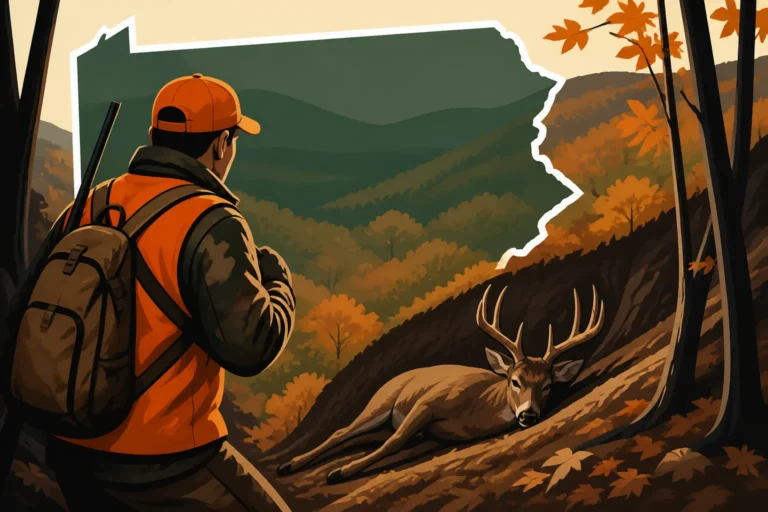
There’s almost nothing quite like the surge of adrenaline when you make a good shot on a Pennsylvania whitetail, especially after all the hard work and patience. But let’s be honest, that initial excitement can quickly turn into a sinking feeling when you realize your deer has decided to take its final rest on a precipitous mountainside or deep in a steep, rocky hollow. Recovering a deer on steep ground in Pennsylvania isn't just physically demanding; it can be downright dangerous, often turning a successful hunt into a grueling and potentially risky ordeal. This guide is here to walk you through the essential strategies, safety precautions, and gear you'll need to confidently and safely get your deer off those formidable slopes.
Pre-Shot Planning and Preparation for Steep Terrain
The best deer recovery starts long before you ever pull the trigger. When you're hunting the rugged ridges and valleys of Pennsylvania, especially in areas like the Allegheny National Forest or vast State Game Lands across the northern tier, understanding the lay of the land and being prepared for a challenging extraction is paramount. It can make all the difference between a relatively smooth retrieve and an all-day epic struggle.
Understanding the Terrain Before the Hunt
Before you even step into the woods, take the time to really study the topography of your hunting area. I’m talking about more than just knowing where you're going to set up; I mean really understanding the slopes, saddles, and creek bottoms. Using mapping apps, like those with detailed contour lines, is absolutely crucial here. They can show you elevation changes, potential ravines, and even subtle benches where a deer might try to seek cover after a shot. This foresight can help you anticipate likely escape routes and, more importantly, predict where a deer might end up after being hit, allowing you to mentally map out possible recovery paths.
Consider the potential travel routes for a deer, especially if you're targeting big woods bucks that tend to hug the contours. A deer often tries to run downhill when wounded, but sometimes they'll push back up a gentler slope if one is available. Knowing these typical patterns for the specific terrain you’re in can narrow your search radius considerably. Spend time scouting in the off-season, learning the ins and outs of those hills and hollers. Don't just look for deer sign; look for access points, potential drag routes, and natural funnels that could aid a recovery. Having a good understanding of your chosen hunting area from an extraction perspective can significantly reduce stress and improve efficiency when the moment of truth arrives. You might also want to look into Scouting Pennsylvania Public Land Before Season for more proactive strategies.
Packing the Right Gear for a Mountain Recovery
Hunting in steep Pennsylvania terrain demands a different kind of packing list. This isn't your flatland stroll; you need gear that supports safety and efficiency on challenging ground. Beyond your firearm or bow, think about what you’ll need if you actually harvest an animal and have to bring it off the mountain. This often means carrying a heavier pack than usual, but the payoff is immense.
Essential items include a good quality headlamp or two with fresh batteries – because recoveries often extend into the dark – and a detailed map of your area, whether it's on a GPS unit or a reliable hunting app like GoHunt, which offers robust mapping features that are invaluable for pinpointing your location and marking the trail. Carry plenty of water and some high-energy snacks, as a recovery can be a multi-hour endeavor. Perhaps most importantly, you’ll need robust cordage or a dedicated deer drag, and a sharp, sturdy field dressing knife. Consider a bone saw if you're planning to quarter the animal. A basic first-aid kit is non-negotiable, given the increased risk of slips and falls on uneven ground. Think about the specific challenges of Boots and Packs for Steep Country and ensure your footwear provides excellent ankle support and grip.
The Shot and Initial Tracking on a Slope
Making a good shot is always the goal, but when hunting steep ground, the angle of your shot, and the deer's reaction, take on even greater significance. The way you approach the initial tracking job can also dramatically impact your success and safety. Patience here is not just a virtue; it's a necessity.
Marking the Shot Location and Direction
When that deer takes off after the shot, especially if it’s on a steep hillside, accurately marking the precise spot where it was standing and its exact direction of travel is absolutely paramount. Things look drastically different when you step away from the immediate scene, and even more so when you return an hour or two later. Use a piece of flagging tape on a nearby branch or drop a bright marker from your pack at the shot site. Then, pick out a prominent landmark in the direction the deer ran – a unique tree, a rock outcrop, or a bend in the trail – and commit it to memory.
Don't rush in immediately, even if you’re certain of your shot. Give the deer time. If you push a wounded animal on steep ground, it can tumble further down a ravine, making recovery even harder, or it might get a second wind and go much further than if it had been left undisturbed. While you're waiting, use your GoHunt app or GPS to mark the shot location accurately. This digital breadcrumb trail will be invaluable when you begin your actual track. Take a moment to calm your nerves, replay the shot in your mind, and consider all the factors: the animal's reaction, the sound of the impact, and the terrain it disappeared into.
Initial Trail Assessment in Steep Woods
Once you decide to take up the track, move slowly and deliberately. On steep ground, every step needs to be surefooted. Look for blood, of course, but also for disturbed leaves, broken twigs, or scuff marks from hooves. In thick Pennsylvania woods, a blood trail can be sporadic, especially if the deer is running through heavy cover or across dry leaves. Small drops might be the only sign. Take your time, mark the last confirmed sign, and expand your search pattern slowly, almost in a grid.
When following a trail downhill, be mindful of where gravity might take the deer. If it's a heavy lung hit, the deer often won’t go far. If it’s a gut shot, it will likely try to find thick cover and bed down. Pay close attention to any changes in the blood trail – volume, color, or consistency can tell you a lot about the hit. If the blood trail peters out, don't panic. Go back to the last good sign and broaden your search, often circling out from that point. Having a friend or two can make this process much more efficient, with each person taking a slightly different path, but always within vocal range. Remember that when you're working on a slope, blood might run downhill, making it appear as though the deer went further in one direction than it actually did.
Effective Recovery Strategies on Steep Ground
Once you’ve found your deer, the real work of getting it off the mountain begins. This is where clever planning and sometimes, a little ingenuity, really pay off. Trying to drag a whole deer straight up a steep incline is often a recipe for exhaustion and potential injury.
Employing Gravity to Your Advantage
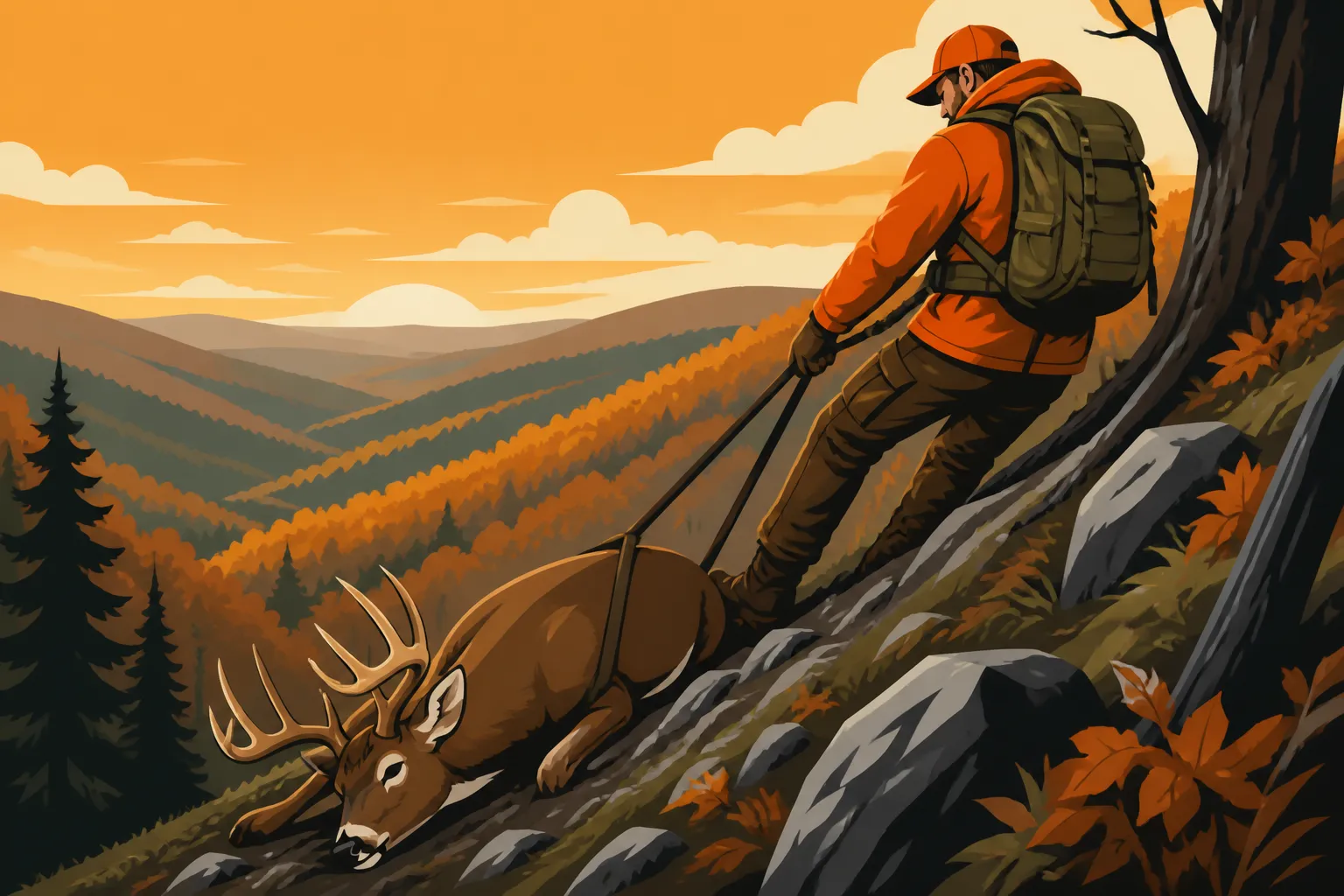
Gravity can be your worst enemy or your best friend, depending on how you approach the recovery. The golden rule on steep ground is: if possible, go downhill. Identify the path of least resistance from where the deer lies to the nearest road, trail, or accessible flat ground. This might not be a straight line, and it might even involve going a bit out of your way, but often a longer, gentler downhill slope is far easier and safer than a shorter, steeper one. Consider options like Dragging a Deer Off a Pennsylvania Mountain if you're solo, or if you have help, perhaps Deer Drives With Three or Four Hunters might be an option to push the deer towards an easier retrieval point if it's still alive.
If the deer is in a deep ravine, look for an exit point with a more gradual ascent, even if it means traversing across the sidehill. If you’re hunting near a stream or creek bottom, sometimes dragging the deer along the dry streambed is easier than fighting through thick underbrush on the bank. Always look ahead for obstacles like blowdowns, rock slides, or dense thickets that could turn your path into a nightmare. Sometimes, it makes sense to field dress the deer right where it lies to lighten the load, especially if you’re looking at a long drag. This isn't just about weight; it's about reducing friction and making the animal easier to maneuver over obstacles.
Working with a Team and Specialized Equipment
Attempting a solo recovery on steep terrain can be incredibly risky and often ends in failure. If you have the luxury of hunting with a partner or a group, this is where that camaraderie really shines. A team can share the load, navigate obstacles more safely, and even perform a modified "deer drive" to push the animal towards an easier extraction point. When you're dealing with truly difficult terrain, two or more people pulling on a good deer drag can make an otherwise impossible task manageable.
For really challenging spots, consider quartering the deer and packing it out in a frame pack. While more work upfront, it can be much safer and less physically taxing than dragging a whole deer down a near-vertical slope. You might want to refer to Packs and Drags for Steep Ground for specific gear recommendations. Another invaluable tool for steep ground is a deer sled, especially one designed for rough terrain. These hard-shell sleds can protect the carcass from rocks and stumps and allow for a smoother glide downhill. Some hunters even bring a block and tackle system for exceptionally steep sections, using ropes to slowly lower the deer down a pitch or to help pull it up a short, steep rise. Remember that tools like a deer cart are excellent for flat ground, but typically useless on really steep, rocky terrain.
Here’s a quick comparison of common recovery methods for steep ground:
| Recovery Method | Pros | Cons | Best Use Case |
|---|---|---|---|
| Basic Drag Rope | Simple, lightweight, always available | Very high physical exertion on steep inclines | Shorter, moderate slopes, or downhill drags |
| Deer Sled/Tarp | Reduces friction, protects carcass | Bulky to carry in, can hang up on large obstacles | Downhill drags, snow/leaf cover, rocky areas with fewer snags |
| Quartering/Pack Out | Easiest for extreme terrain, less overall strain | Requires field quartering skills, multiple trips possible | Very steep, remote areas, large animals, solo hunters |
| Team Drag | Shares effort, safer, faster | Requires multiple hunters, coordination is key | Any challenging terrain, especially with mixed slopes |
| Block & Tackle/Winch | Reduces effort significantly | Heavy, complex setup, requires anchor points | Extremely steep pitches, lowering into ravines |
Safety Considerations and Gear for Mountain Recoveries
Recovering a deer in steep Pennsylvania terrain is inherently risky. Fatigue, uneven footing, and sharp objects all contribute to a heightened potential for injury. Prioritizing safety should always be your number one concern, even over getting the deer out quickly.
Prioritizing Hunter Safety on Uneven Ground
Before you even begin the physical act of moving the deer, take a moment to assess the immediate surroundings for hazards. Are there loose rocks that could roll? Are there slippery areas, especially near water sources or in wet leaf litter? Are there thorny briars or sharp stumps hidden beneath the leaves? Wear sturdy, ankle-supporting boots with good traction – this cannot be stressed enough. Loose rocks and slippery ground are common culprits for twisted ankles or more serious falls.
If working with a team, communicate constantly. Call out potential hazards, plan your route, and make sure everyone is on the same page about how to maneuver the deer. Don't push yourself to the point of exhaustion, as this is when mistakes happen. Take breaks, stay hydrated, and be realistic about what you can accomplish. If it's getting dark, and the terrain is treacherous, sometimes the safest decision is to secure the deer (if allowed by regulations and conditions), mark its location with your GoHunt app, and come back in the morning with fresh eyes and more daylight. Remember, no deer is worth a serious injury.
Essential Tools for a Successful Recovery
Beyond the basic field dressing knife and drag rope, there are a few other items that can make a steep-ground recovery safer and more efficient. A good pair of work gloves will protect your hands from rope burn, briars, and sharp bones. A quality headlamp, as mentioned earlier, is absolutely vital, as recoveries often extend past sunset. Consider packing extra flagging tape or reflective markers to help you retrace your steps in the dark, especially if you have to temporarily abandon the deer.
If you’re planning to quarter your deer, ensure your knife is razor-sharp for clean cuts and consider a small, sturdy bone saw. A small first aid kit with bandages, antiseptic wipes, and pain relievers is always a wise addition to your pack. For those really long hauls on extreme terrain, a strong, lightweight rope can be used not just for dragging but also for guiding or even securing yourself to a tree for stability on steep descents. Knowing the terrain and carrying some helpful tools can turn a daunting task into a manageable one. Also, remember to consult guides on Field Dressing a Deer in Cold Weather or Getting a Deer Out of a Pennsylvania Hollow if your recovery situation demands it.
Disclaimer
Please note: Hunting regulations and safety guidelines can change. Always consult the official Pennsylvania Game Commission website and current hunting regulations before heading into the field. This guide is for informational purposes only and should not replace professional safety instruction or official guidelines.