When Pennsylvania Grouse Numbers Crashed
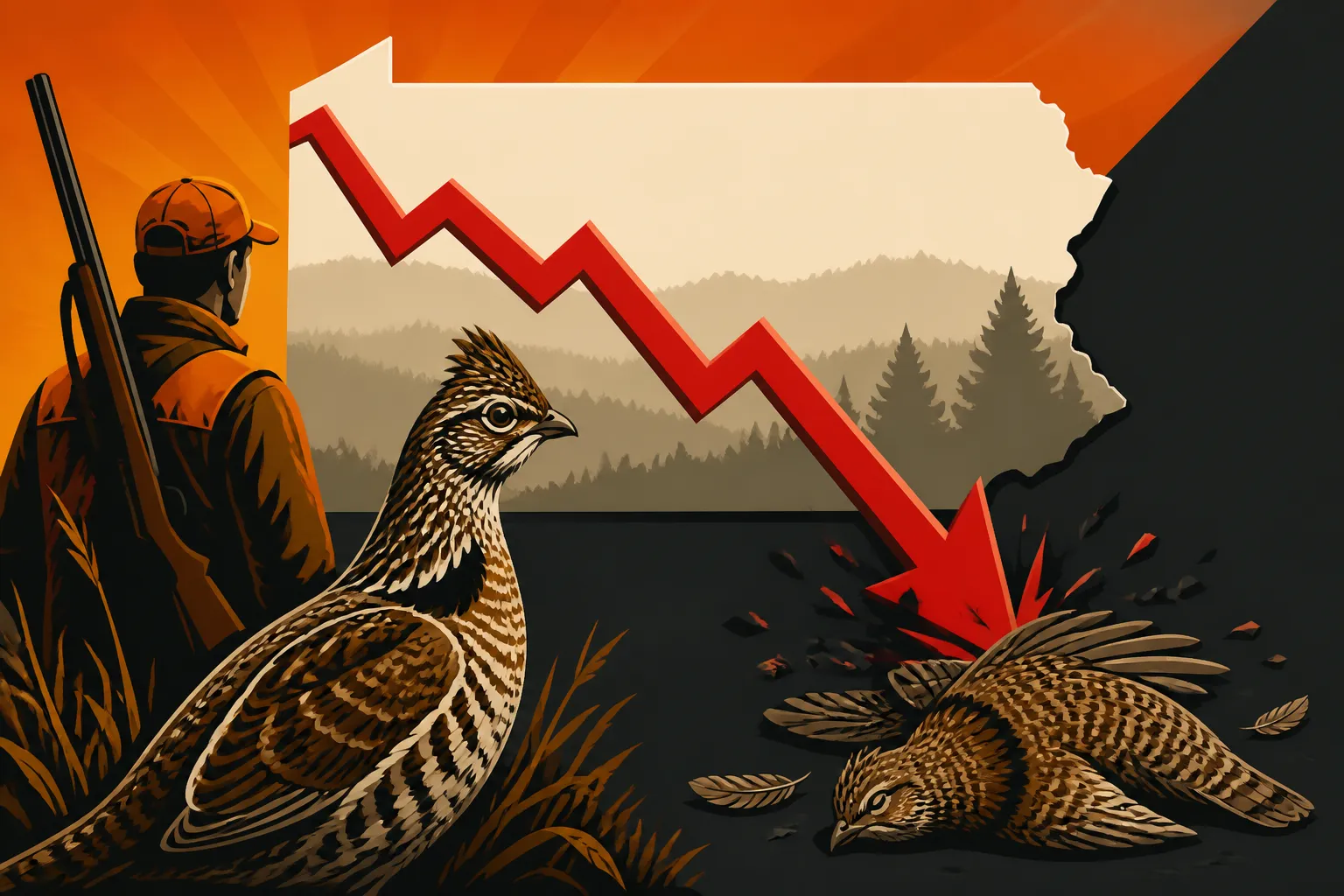
For generations, the drumming of the ruffed grouse was an iconic sound in Pennsylvania's woods, a thrilling burst of wings that defined autumn for many hunters. But in recent decades, that heart-thumping flush has become increasingly rare, leaving many wondering what happened to our beloved state bird. This guide delves deep into the unfortunate reality of when Pennsylvania grouse numbers crashed, exploring the historical context, the primary culprits behind their decline, and what it means for the future of grouse hunting in the Commonwealth.
The Heyday of the King and the Early Warning Signs
For many seasoned Pennsylvania hunters, memories of grouse hunting conjure images of seemingly endless flushes, dogs locked on point, and plentiful opportunities in vast tracts of cover. Pennsylvania was, for a long time, considered one of the premier grouse hunting states in the nation. It wasn't uncommon for hunters to experience double-digit flushes in a day, a testament to the robust populations that once thrived across the landscape. The ruffed grouse, our official state bird, seemed an indelible part of the wild character of Pennsylvania.
A Look Back at Abundance
In the mid-20th century, and even well into the 1970s and 80s, Pennsylvania's expansive forests, constantly changing due to logging, farming abandonment, and natural disturbances, provided an ideal mosaic of habitat. The dynamic nature of these landscapes meant a consistent supply of young, regenerating forest — the thick, brushy cover grouse need for nesting, brooding, and escaping predators. There were always fresh clearcuts, old farm fields reverting to timber, and diverse age classes of trees, creating perfect conditions for the birds. Hunters didn't have to look hard to find them. The sound of a grouse thundering out of a grape tangle or a regenerating aspen stand was the soundtrack of autumn. If you're curious about the general status of our state bird, you might enjoy reading more about Ruffed Grouse, Pennsylvania's State Bird.
Subtle Shifts Begin to Emerge
While populations still felt strong to many on the ground, wildlife biologists began to notice subtle declines in certain areas by the late 1980s and early 1990s. The once-predictable flush rates started to become a bit more sporadic. It wasn't a precipitous drop everywhere at once, but rather a gradual dimming of the light. Hunters, too, noticed they were walking a bit farther for fewer flushes, and those magical days of constant action became less frequent. This period was marked by a growing sense that something was changing, even if the full scope of the problem wasn't yet clear. Many of us, myself included, probably blamed our own skills or the weather that day, rather than considering a widespread ecological shift.
The Crushing Blow of West Nile Virus
While habitat loss and maturation were certainly contributing factors, the most significant and devastating blow to Pennsylvania's ruffed grouse populations came with the arrival of West Nile Virus (WNV). This mosquito-borne illness, first detected in the Western Hemisphere in 1999, made its way to Pennsylvania shortly thereafter, and its impact on grouse was nothing short of catastrophic.
The Arrival of a Silent Killer
West Nile Virus hit Pennsylvania hard in the early 2000s. While it affected many bird species, it became chillingly clear that ruffed grouse were particularly susceptible. Unlike some other species that developed resistance or had lower mortality rates, WNV proved to be highly lethal to grouse. Mosquitoes, the vectors for the disease, are common in the very habitats grouse prefer—damp, brushy, regenerating forests. A bite from an infected mosquito could quickly lead to sickness and death for a grouse, and there was little the birds could do to defend themselves. This wasn't a slow burn; for grouse, it was a wildfire. You can dive deeper into this specific issue with West Nile Virus and Pennsylvania Grouse.
Documenting the Devastation
The Pennsylvania Game Commission, alongside university researchers, conducted extensive studies to understand the link between WNV and the dramatic decline in grouse. They found high mortality rates in grouse exposed to the virus, far exceeding what was observed in other game birds. Post-mortem examinations confirmed WNV as a significant cause of death. The evidence was stark and undeniable: where WNV was prevalent, grouse populations plummeted. In some areas, flush rates dropped by 50% or more in just a few years. It was a heart-wrenching time for anyone who loved grouse hunting, as we watched a cherished tradition seemingly evaporate before our eyes. Many hunters began using mapping tools like GoHunt to scout areas, only to find the "perfect" looking grouse cover eerily silent.
Habitat Loss and Maturation as Reinforcing Factors
While WNV was the primary driver of the rapid crash, it's crucial to understand that it didn't act in isolation. Decades of declining habitat quality had already weakened grouse populations, making them even more vulnerable to a widespread disease. As Pennsylvania's forests matured, often without sufficient disturbance to create new young forest, the critical cover grouse rely on dwindled. This meant fewer places for grouse to breed successfully, find adequate food, and escape predators.
Consider a mature forest. While beautiful, it lacks the dense understory that grouse need. They require thickets that offer overhead protection from raptors and ground cover from foxes and coyotes. These conditions are found in areas that have been recently logged, suffered significant storm damage, or are old fields slowly turning back to timber. If you're interested in the importance of specific habitat types, check out Why Young Forest Matters to Grouse. The combination of widespread habitat degradation and the sudden, lethal impact of WNV created a perfect storm that drove grouse numbers to historic lows across much of the state.
Current Status and Recovery Efforts
The dramatic decline in ruffed grouse populations led to significant concern among hunters, conservationists, and the Pennsylvania Game Commission. While the situation remains challenging, there are ongoing efforts to monitor populations and implement strategies aimed at recovery.
The Long Road to Recovery
The crash in grouse numbers was so severe that recovery is not a quick fix. It's a long-term conservation challenge. The Game Commission has adjusted hunting seasons and bag limits to reflect the lower populations, prioritizing the long-term health of the species. Many hunters, myself included, have voluntarily scaled back our grouse hunting efforts, choosing instead to cherish the rare flush and focus on habitat initiatives. While hunting pressure is not considered a primary driver of the decline, reduced harvest helps ensure that every bird has a better chance to reproduce.
Monitoring and Research
Ongoing research is critical to understanding the nuances of grouse survival in a WNV-endemic landscape. Biologists are studying factors like mosquito populations, grouse immunity, and the specific characteristics of habitats where grouse might be more resilient. The Pennsylvania Game Commission conducts regular flush rate surveys to track population trends. These surveys, often done with pointing dogs in specific habitat types, provide invaluable data on where grouse still persist and how their numbers are fluctuating. Understanding these trends is crucial for informed management decisions. If you want to know more about how these numbers are tracked, take a look at Pennsylvania Grouse Flush Rate Surveys.
Here's a simplified look at the factors impacting grouse:
| Factor | Impact on Grouse Population | Relative Timing of Impact |
|---|---|---|
| West Nile Virus (WNV) | High Mortality (Primary Cause) | Rapid onset (early 2000s) |
| Habitat Loss | Reduced Breeding/Survival | Gradual over decades |
| Forest Maturation | Less Cover for Survival | Gradual over decades |
| Predation | Constant pressure | Ongoing |
| Hunting Pressure | Minor (management adjusted) | Historically more, now reduced |
| Climate Change | Potential future impacts | Long-term, evolving |
Habitat Management as the Cornerstone of Hope
Since we can't eliminate WNV, the most actionable strategy for grouse recovery revolves around aggressive habitat management. This means creating more of that crucial young forest cover. The Pennsylvania Game Commission, along with organizations like the Ruffed Grouse Society, is actively working to implement timber harvests that mimic natural disturbances, creating patches of dense, early successional habitat. This might involve clearcutting small sections, promoting aspen regeneration, or selectively thinning other areas to encourage undergrowth. You can often see these projects on State Game Lands, providing renewed hope for the future. Using a tool like GoHunt can help hunters identify areas that might be targeted for such habitat work by showing property boundaries and satellite imagery. When scouting new areas, I always look for these signs of active forest management; it's often where you'll find what few grouse remain.
These efforts aren't just for grouse. Many other wildlife species, from woodcock to deer, benefit from young forest habitat. Investing in this kind of management is an investment in the overall biodiversity and health of Pennsylvania's forests.
What Does This Mean for Pennsylvania Grouse Hunting?
The crash in grouse numbers has undoubtedly altered the landscape of grouse hunting in Pennsylvania. It's a stark reminder of the interconnectedness of ecosystems and the fragility of even seemingly robust wildlife populations.
A New Reality for Hunters
For those of us who grew up with plentiful grouse, the current reality can be disheartening. The days of "easy" grouse hunting are, for now, a thing of the past. Success often requires extensive scouting, targeting very specific habitat types, and being content with far fewer flushes. Hunters now pore over maps, looking for the tell-tale signs of recent timber harvests or dense, reverting fields – places that offer even a glimmer of hope. Brands like GoHunt have become indispensable for mapping out these potential pockets of cover on public land. It's a challenging endeavor, but for dedicated grouse hunters, the pursuit remains deeply rewarding, precisely because of its difficulty.
Finding Pockets of Opportunity
Despite the overall decline, grouse haven't vanished entirely. Pockets of higher populations still exist, typically in areas with consistent young forest regeneration or unique geographic features that might offer some resilience against WNV. Hunters who are willing to put in the legwork and adapt their tactics can still find grouse. These areas often correspond with the most actively managed public lands or private timber holdings that prioritize early successional habitat. Focusing on areas with dense cover, especially those with a mix of conifers and deciduous species, can increase your odds. Knowing Where Pennsylvania Grouse Still Hold On can give you a crucial edge.
Table detailing typical habitat types for grouse:
| Habitat Type | Description | Grouse Value |
|---|---|---|
| Young Forest / Clearcuts | Dense regrowth, 1-20 years old | Crucial for nesting, brooding, predator escape |
| Aspen Stands | Fast-growing, clone-forming deciduous trees | Provides buds (winter food), dense cover |
| Old Field Edges | Areas where fields revert to forest | Transition zone cover, food sources |
| Conifer Swamps / Thickets | Dense evergreens (hemlock, spruce) in wet areas | Thermal cover, predator escape, winter refuge |
| Mixed Hardwoods | Diverse deciduous trees (oak, maple) | Food (acorns), some cover in understory |
| Mountain Laurel Thickets | Dense evergreen shrubs | Year-round cover, predator escape |
The Future: Hope Through Habitat
The long-term recovery of Pennsylvania's ruffed grouse hinges almost entirely on large-scale habitat restoration and management. It's not a quick fix, and it requires sustained effort from wildlife agencies, conservation groups, and private landowners. By understanding Whether Pennsylvania Grouse Can Recover and continuing to advocate for and support habitat work, hunters and conservationists play a vital role in giving the grouse a fighting chance. While the days of abundant flushes may be in the past for now, every bit of created habitat offers a glimmer of hope that the drumming of the king of game birds will once again echo widely through Pennsylvania's autumn woods. The challenges are immense, but the dedication to this iconic species remains strong among the hunting community.
Disclaimer
This article is for general informational purposes only and does not constitute professional advice. Laws, prices and regulations vary by location and change over time. Consult a qualified professional for guidance on your specific situation.