Where Pennsylvania Grouse Still Hold On
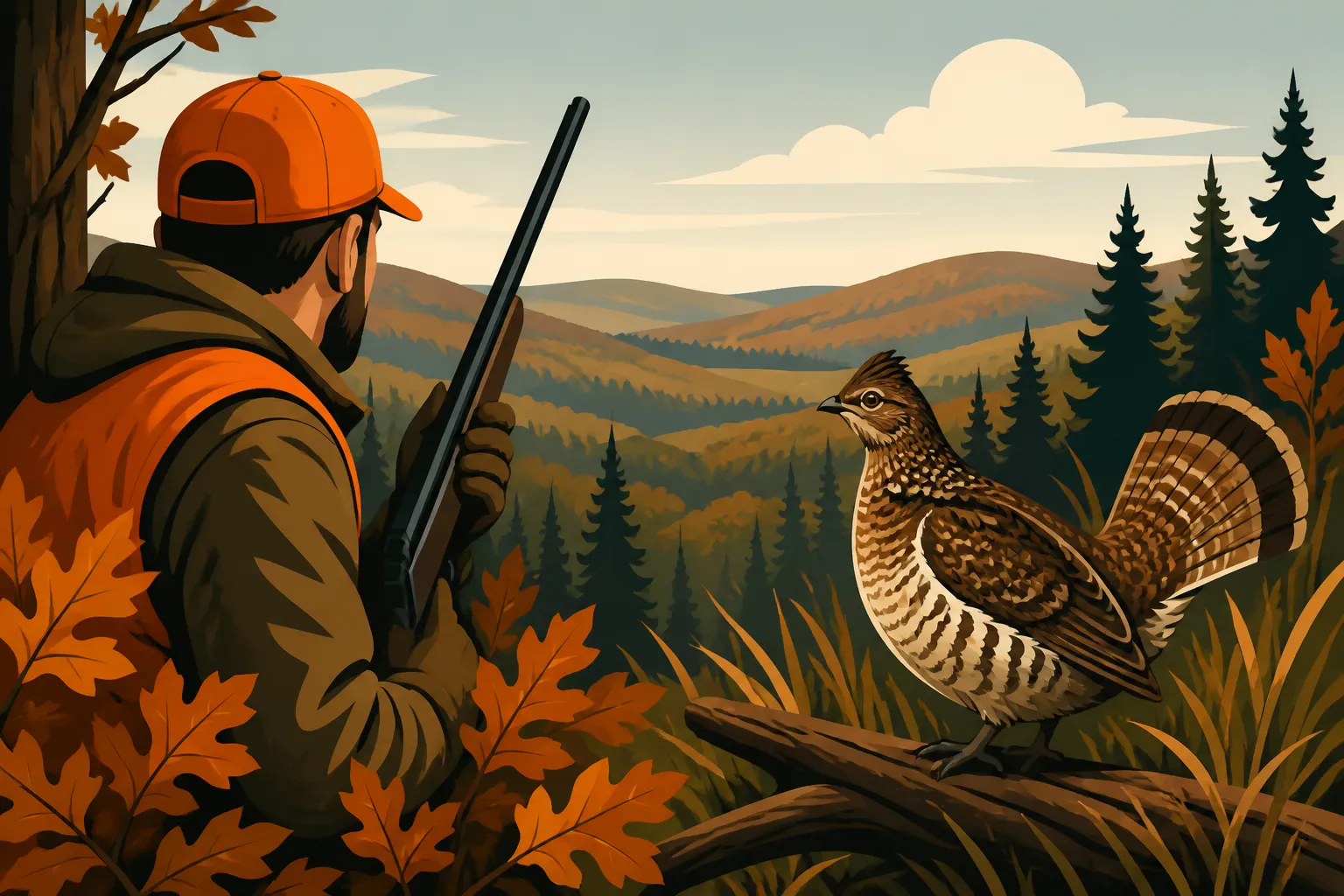
It's a tough truth for many of us who grew up chasing the King of Upland Birds, but the ruffed grouse population in Pennsylvania has taken a significant hit over the past few decades. The drumming we once heard so often in the spring, and the explosive flushes that would stop your heart in the fall, just aren't as common as they used to be. For hunters passionate about pursuing these elusive birds, the big question isn't "if" they're still around, but "where" can you find those persistent pockets where they still hold on. This guide is dedicated to helping you understand why grouse numbers have declined, what kind of habitat they absolutely need, and specific regions where your efforts might just be rewarded with that exhilarating flush.
Understanding the Ruffed Grouse Decline in Pennsylvania
The decline of the ruffed grouse in Pennsylvania isn't just a hunter's lament; it's a well-documented ecological shift. For many years, Pennsylvania was a stronghold for grouse, renowned for its abundant populations. However, a combination of factors has steadily chipped away at their numbers, leaving behind scattered strongholds rather than widespread abundance. It's a complex issue, and understanding its roots is key to knowing where to focus your efforts today.
The Impact of Habitat Loss and Maturing Forests
One of the most significant drivers of the grouse decline is quite simply the loss of suitable habitat. Ruffed grouse are incredibly specific about their living arrangements. They thrive in what's called "early successional forest," which means young, dense woods full of brush, saplings, and thick cover. Think of areas that have been recently logged, clearcut, or ravaged by a natural disturbance like a fire or severe windstorm. This kind of habitat, usually only 5 to 25 years old, provides the dense overhead and horizontal cover grouse need to hide from predators like hawks and coyotes, as well as abundant food sources like budding trees, berries, and insects.
The problem is, much of Pennsylvania's vast forests have matured beyond this critical early successional stage. Decades ago, logging practices created a mosaic of young and old growth, but with shifts in land management and less aggressive timber harvesting on public and private lands, many areas have grown into mature, open canopy forests. While beautiful, these older woods lack the dense understory that grouse depend on. Imagine a mature oak forest: it's great for deer looking for acorns, but a hawk can spot a grouse from a mile away with no low cover to escape into. This widespread maturation of forests means fewer places for grouse to breed, feed, and escape danger, effectively shrinking their suitable range piece by piece. Why Young Forest Matters to Grouse further explains this critical habitat need.
West Nile Virus and Other Environmental Factors
While habitat loss is a long-term, systemic issue, another significant and more recent blow to grouse populations has been the introduction and spread of West Nile Virus (WNV). This mosquito-borne illness arrived in Pennsylvania in the early 2000s and has since been identified as a major factor in the accelerating decline of grouse. Studies have shown that grouse are highly susceptible to WNV, and even birds that survive an infection can suffer from long-term health impacts, affecting their survival and reproductive success.
Unlike some other bird species, grouse don't seem to develop strong immunity to WNV, making each exposure a potential death sentence. The impact is particularly devastating to young birds, meaning fewer grouse are surviving to adulthood and fewer are reproducing. How West Nile Virus Reaches Grouse delves deeper into the specifics of this disease and its transmission. Beyond WNV, other environmental pressures, though perhaps less impactful individually, contribute to the overall challenge. These can include increased predation pressure in fragmented habitats, changes in climate affecting breeding success or insect populations, and even localized issues like heavy snowfalls or ice storms that can decimate food sources or make travel difficult. It's a perfect storm of challenges, making those remaining grouse strongholds even more precious.
Prime Habitat for Remaining Grouse Pockets
Given the challenges grouse face, finding them today means understanding their absolute, non-negotiable habitat requirements. You're not looking for just any patch of woods; you're looking for very specific characteristics that offer both food and, most importantly, impenetrable cover. These are the places where grouse can truly thrive, or at least survive, against the odds.
Young Forest and Early Successional Growth
This is the holy grail for grouse hunters. If you're serious about finding ruffed grouse, you need to actively seek out areas of young forest and early successional growth. These are the places where the forest canopy has recently been opened up, allowing sunlight to reach the forest floor and stimulate a vigorous burst of new growth. Think of clearcuts that are 5 to 15 years old, where aspen, birch, pin cherry, and a host of shrubs like witch hazel and dogwood are growing so densely you can barely walk through them. These areas provide vertical stem density—hundreds, even thousands, of small stems per acre—which is crucial for grouse. This dense tangle of vegetation provides thermal cover in winter, protection from aerial predators, and hiding spots from ground predators.
Such areas also offer a smorgasbord of food. Grouse feed heavily on buds, catkins, and fruit from many of these young plants. Aspen stands, in particular, are often considered prime grouse habitat because their buds are a critical winter food source. Look for active timber management areas, especially on State Game Lands or State Forests, where the Pennsylvania Game Commission (PGC) or Department of Conservation and Natural Resources (DCNR) have been conducting controlled timber harvests. These areas might look "messy" to the casual observer, but to a grouse, they're home. When Hunting Pennsylvania Clearcuts and Regrowth, remember that patience and slow movement are key, as the birds will be holding tight.
Dense Conifer Thickets and Mountain Laurel
While young deciduous growth is primary, grouse also utilize other dense cover types, especially during harsher weather or when adjacent to prime feeding areas. Dense conifer thickets—stands of hemlock, spruce, or young pines—offer excellent thermal protection in winter and dense cover year-round. These evergreens block wind and snow, providing a sheltered refuge when deciduous trees have dropped their leaves.
Similarly, thick stands of mountain laurel or rhododendron can serve a similar purpose. These evergreen shrubs form nearly impenetrable jungles in certain parts of Pennsylvania, offering incredible concealment. Grouse will often use these areas as escape cover, flushing into them when pressured from more open woods. You might find them feeding in a nearby deciduous patch and then retreating into the laurel when disturbed. Look for transitions where young deciduous growth meets a thick conifer stand or a dense laurel patch; these edge habitats are often productive. Finding Grouse Cover on Game Lands will guide you to these critical habitats. Sometimes, the best strategy is to push through the nastiest, thickest stuff that seems impossible to navigate. That's usually where the grouse are.
Geographically Speaking: Where to Focus Your Search
When it comes to Pennsylvania grouse, it's less about finding them everywhere and more about finding the right somewhere. Certain regions of the state, due to a combination of historical land use, topography, and ongoing habitat management, offer better prospects than others. Don't waste your time in vast stretches of mature, open timber. Instead, concentrate your efforts on areas known for the specific habitat grouse need.
Northcentral Pennsylvania's Enduring Strongholds
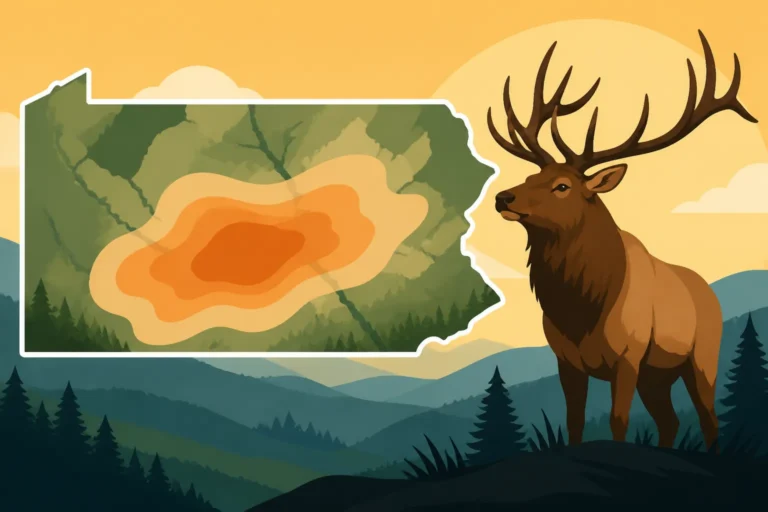
Historically, the northcentral part of Pennsylvania, often referred to as the "Big Woods," was a grouse paradise. While numbers aren't what they once were, this region still holds some of the state's best remaining populations. Counties like Potter, Tioga, Lycoming, Cameron, Elk, and McKean are excellent places to start. These areas are characterized by vast tracts of public land—State Game Lands and State Forests—where large-scale timber management, including clearcuts and regeneration, is more consistently applied.
The terrain here is often rugged, with steep hollows and expansive ridges. The sheer size of these public holdings means that even with the overall decline, there are enough pockets of suitable habitat to sustain huntable populations. You'll want to focus on areas that show recent clearcuts, often visible on satellite imagery or detailed mapping apps like GoHunt. Look for diverse forest types, especially those with good aspen components. Don't be afraid to walk deep into these areas; often, the best cover is found away from easy road access, meaning less pressure on the birds. This table illustrates some key characteristics of these regions:
| Characteristic | Northcentral "Big Woods" Counties |
|---|---|
| Counties | Potter, Tioga, Lycoming, Cameron, Elk, McKean |
| Primary Land Type | State Game Lands, State Forests, Allegheny National Forest |
| Topography | Rugged, steep ridges, deep hollows |
| Dominant Forest | Mixed hardwoods, aspens, conifers, mountain laurel |
| Habitat Trends | Ongoing timber management, some mature forest, critical young growth pockets |
| Hunting Pressure | Can be high near access, lower in remote areas |
When scouting, using tools like the Pennsylvania Mapping Center or a detailed hunting app from GoHunt can reveal recent timber sales or areas marked for habitat improvement. These are precisely the zones where you're most likely to find those elusive flushes. Hunting Pennsylvania's Big Woods for Deer might give you an idea of the terrain, though grouse prefer different cover types within it.
Targeted Management Areas and Game Lands Efforts
Recognizing the dire situation for grouse, the Pennsylvania Game Commission (PGC) and other conservation partners have been making concerted efforts to create and maintain early successional habitat specifically for grouse and other wildlife that depend on it. These "targeted management areas" are your best bet. On many State Game Lands, you'll find blocks of land where extensive timber harvesting has been conducted in recent years, often followed by prescribed burning or other treatments to encourage dense regeneration.
These habitat improvement projects are often well-marked or can be identified through public information from the PGC. For instance, areas within WMUs known for their historically strong grouse populations, like those in the northcentral tier, often receive focused attention. In these areas, wildlife biologists are actively working to create the patchwork of young, brushy cover that grouse need. Don't be shy about checking the PGC's website or reaching out to local wildlife conservation officers for information on recent habitat projects in your desired hunting areas. Finding areas where Prescribed Burns on Pennsylvania Game Lands have occurred recently can also lead to excellent habitat. These efforts, though sometimes localized, are critical lifelines for the remaining grouse, and focusing your hunting pressure on these managed areas is often the most effective strategy.
Tactics for Locating and Hunting Surviving Grouse
Finding grouse in Pennsylvania today requires more than just walking through the woods; it demands a strategic approach, keen observation, and often, a willingness to get into the thickest cover imaginable. Whether you hunt with a dog or prefer to still-hunt, adapting your tactics to the specific habitat and the current grouse population is crucial for success.
Slow and Deliberate Still-Hunting
If you don't hunt with a dog, or even if you do and are scouting new cover, still-hunting is an incredibly effective method for locating grouse. This isn't a fast-paced walk through the woods; it's a slow, methodical crawl. The key is to move in short bursts, then stop and stand absolutely still for several minutes. During these pauses, actively listen for subtle sounds: a rustle in the leaves, the faint sound of a grouse scratching, or the nervous chirps of songbirds that might indicate a predator (or a grouse) is nearby.
Your eyes should be scanning the ground and the low branches for any unusual shape, movement, or the tell-tale horizontal line of a grouse's body. Grouse are masters of camouflage, blending perfectly with their environment, so you're often looking for an "unusual" texture or shadow rather than a clear outline. When you do flush a bird, mark the direction of flight as precisely as possible. Grouse will often fly a relatively short distance and re-pitch into similarly dense cover. If you can pinpoint where it landed, a careful stalk and another slow approach might give you a second opportunity. Focus on walking parallel to distinct cover changes, like the edge of a clearcut, or working slowly through dense thickets. Always be ready for that explosive flush that can come from literally underfoot.
Working with a Dog: The Advantage of Canine Companions
For many upland hunters, a well-trained bird dog is an indispensable partner in the grouse woods. Dogs, especially those with good noses and a methodical search pattern, can cover far more ground effectively than a human, locating birds that would otherwise be completely overlooked. A dog's ability to scent and point or flush a bird provides a significant advantage, particularly in the incredibly dense cover that grouse inhabit.
Different breeds excel at different styles of grouse hunting. English Setters and Pointers are renowned for their ability to find and hold a point, allowing the hunter to move in for the shot. Spaniels, on the other hand, are often used as flushers, systematically working cover to put birds in the air. The key to success with a dog is to ensure they work within gun range and are responsive to commands. In thick Pennsylvania grouse cover, a dog that ranges too far can flush birds out of range or lose them in the dense vegetation. Using an e-collar is often crucial for managing a dog in heavy brush, allowing you to control their range and bring them back when needed. Regular training and conditioning are vital, as the challenging terrain and thick cover can quickly tire a dog. With a reliable canine partner, those seemingly impenetrable grouse covers become much more accessible, turning a challenging hunt into a truly rewarding experience. Grouse Hunting Pennsylvania Cover is truly an experience elevated by a good bird dog.
Disclaimer
This article is for general informational purposes only and does not constitute professional advice. Laws, prices and regulations vary by location and change over time. Consult a qualified professional for guidance on your specific situation.