When Pennsylvania Elk Bugle
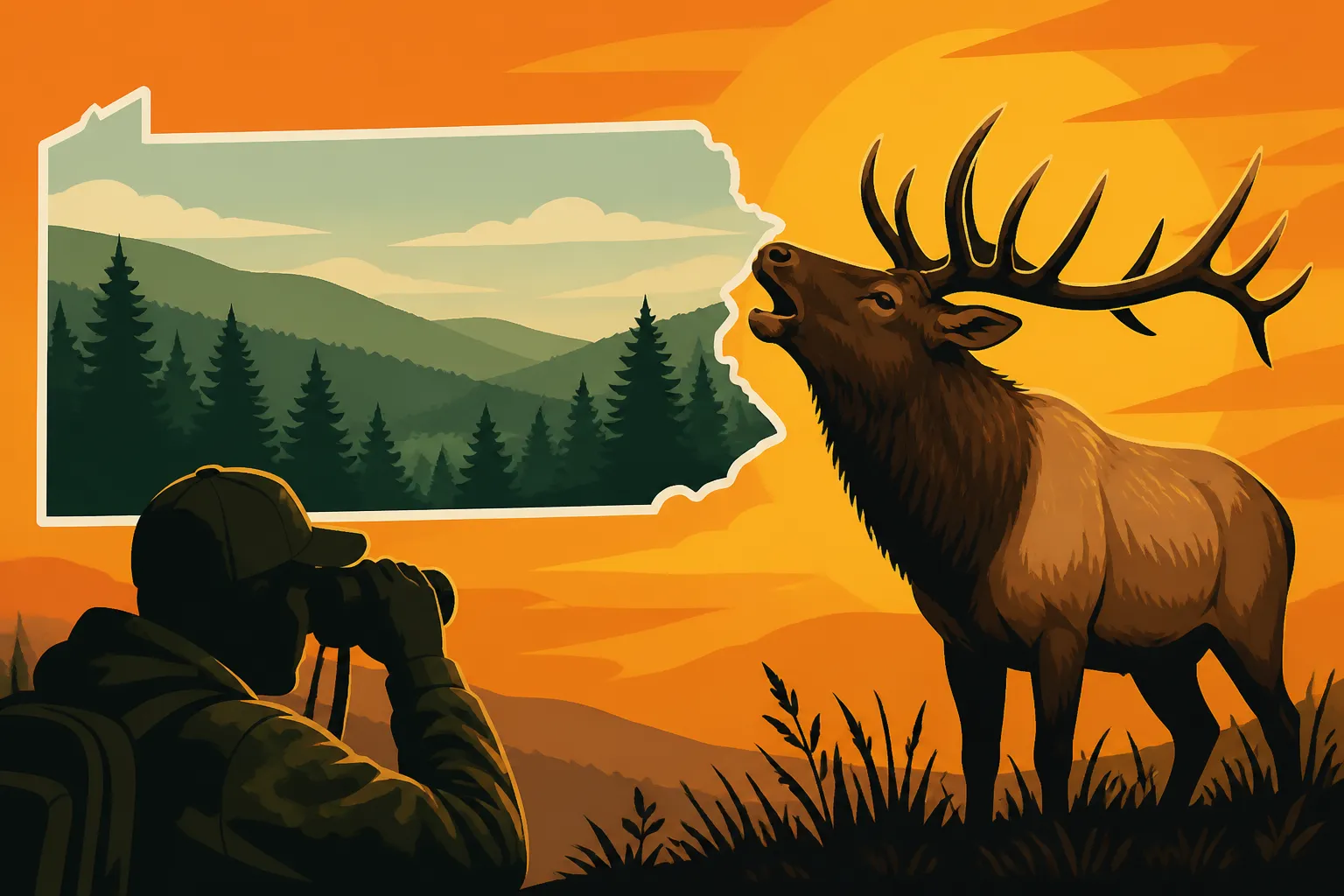
There's nothing quite like the sound of an elk bugle ripping through the crisp mountain air of Pennsylvania. It's a primal, awe-inspiring call that sends shivers down your spine and tells you that the ancient dance of the rut is underway. If you've ever dreamt of experiencing this incredible wildlife spectacle, either as a hunter or a dedicated viewer, knowing when those majestic calls are most likely to echo across the ridges is absolutely critical. This guide is here to shed light on the timing of Pennsylvania's elk bugle, helping you pinpoint the best windows to witness this unforgettable event.
The Rhythmic Call of the Pennsylvania Elk Rut
The elk rut, or breeding season, is the most dynamic and vocal time for these magnificent animals. It’s when bull elk, fueled by testosterone and an ancient urge to pass on their genes, become incredibly active and vocal. Understanding this cycle is key to predicting when you'll hear those incredible bugles.
Peak Bugling Season Explained
For most of Pennsylvania's elk range, the peak of the bugling season typically falls within the last week of September and the first week or two of October. This is the period when mature bulls are most aggressively seeking out cows, rounding up harems, and challenging rival bulls. The air is thick with anticipation, and the calls are often frequent and intense, particularly at dawn and dusk. This is truly the "hot" time, the window everyone hopes to hit for maximum vocalizations.
During these weeks, you'll hear a full range of bugles: the initial whistle, the guttural grunts, and the powerful finish. Sometimes, a bugle isn't just one sound but a complex series of vocalizations that tells a story of dominance, challenge, or even frustration. It’s during this peak that a hunter might try to mimic a challenging bull, hoping to draw in a dominant male looking to defend his territory. For wildlife viewers, this is the prime window to plan a trip to the Elk Viewing in Pennsylvania areas, as the sheer volume of activity and sound is simply unforgettable.
The intensity of bugling during this peak is driven by several factors, including the cows entering estrus, which signals to the bulls that it's time to compete. Longer nights and cooler temperatures also play a significant role, signaling to the elk that the season is progressing. If you're planning a trip to the elk range with the sole purpose of hearing a bugle, aiming for this two to three-week window is your best bet to maximize your chances of success. It’s a magical time, often coinciding with the vibrant fall foliage that paints the mountainsides, adding another layer of beauty to the experience.
Early Season Murmurs and Late Season Grunts
While the peak is undeniable, elk don't just flip a switch. There's a lead-up and a trailing off of bugling activity. As early as mid-September, you might start hearing "pre-rut" bugles. These are often less frequent, less intense, and might sound more like "inquiry" calls from bulls testing the waters or establishing their presence. They might spar lightly with other bulls, rubbing velvet off their antlers, and starting to gather small groups of cows. These early bugles are exciting, a harbinger of the main event, and can offer a unique, less crowded experience for those willing to venture out a bit earlier.
Similarly, after the main bugle peak has passed, usually by mid-October, you’ll still hear some vocalizations, though they become more sporadic. This "post-rut" period can still be interesting. You might hear satellite bulls, who were previously intimidated by the dominant herd bulls, trying their luck with any remaining cows that haven't been bred, or those that come into estrus later. The calls might be less aggressive, more of a lone moan or grunt, signaling a more resigned or solitary bull still seeking opportunities.
Sometimes, towards the end of October and into early November, there can be a secondary rut. This happens if cows that weren't successfully bred during the peak rut come back into estrus about 21 days later. This can spark a brief resurgence of bugling, though it’s generally not as widespread or intense as the primary peak. For hunters who might have a later season tag or viewers who missed the main event, keeping these secondary windows in mind can still provide opportunities to hear an elk call, albeit with less frequency. It’s all part of the natural rhythm of White-Tailed Deer Across Pennsylvania and elk life cycles.
Factors Influencing Elk Bugling Intensity
Understanding the general timeline is a great start, but elk are wild animals, and their behavior can be influenced by many external factors. These elements can either intensify the bugling or cause them to become quieter and more reclusive.
Weather and Temperature's Role
Weather conditions play a surprisingly significant role in how much and how often elk bugle. Generally, cooler, crisp autumn days and nights are conducive to more vocal activity. When temperatures are mild or even warm during the rut, elk tend to be less active during daylight hours, preferring to move and bugle more at night when it's cooler. This means you might hear incredible bugling under the cover of darkness but experience quieter days, which can be frustrating if you’re trying to spot them visually.
Conversely, a cold front moving through the Pennsylvania Wilds with dropping temperatures can really kick off the bugling. The chill in the air seems to invigorate the bulls, prompting them to move more and vocalize with greater frequency and enthusiasm. Rain, especially a light, steady drizzle, can sometimes make elk more active and vocal, as the damp conditions can mask sounds and help carry bugles further. However, heavy downpours or strong winds often have the opposite effect, causing elk to hunker down and remain quiet, as communication becomes difficult and energy is conserved. Always check the forecast and be prepared to adjust your plans, perhaps focusing on the periods just after a storm has passed or during a break in the weather.
It's also worth noting that extremely warm temperatures during what should be the peak of the rut can delay the onset of intense bugling, pushing the activity later into October. Elk are smart; they won't expend precious energy chasing cows and fighting rivals if they're overheating. So, paying attention to long-range forecasts as your planned trip approaches can help you manage your expectations. A truly successful elk outing, whether for hunting or viewing, often comes down to being flexible and adapting to what Mother Nature throws your way.
Herd Dynamics and Bull Dominance
The social structure and dynamics within the elk herd itself heavily influence bugling. In areas with a healthy population of mature bull elk and a good bull-to-cow ratio, the competition for breeding rights is intense, leading to significantly more bugling. Dominant herd bulls will bugle frequently to advertise their presence, gather their harems, and warn off challengers. Their bugles are often deep, powerful, and carry a distinct air of authority. Pennsylvania Elk Herd Size and Range has grown thanks to careful management.
Satellite bulls, those younger or less dominant males, will also bugle, but often in a different manner. Their calls might be softer, more intermittent, or serve as an "inquiry" to locate cows or assess the presence of a herd bull. These bulls might try to sneak in on the fringes of a harem, hoping to peel off a cow when the herd bull is distracted. The sheer number of elk in an area and the age structure of the bulls can dictate the soundscape. An area with fewer mature bulls or a smaller overall herd might simply be quieter, even during the peak rut.
Furthermore, a specific bull's personality and experience can also play a role. Some dominant bulls are incredibly vocal, constantly bugling to assert their power, while others might be more reserved, relying on visual displays of dominance or only bugling when directly challenged. Observing the interactions within a herd, such as sparring matches, wallowing, and antler rubs, can provide valuable clues about their vocal tendencies. Sometimes, a quiet bull might still be a massive, dominant animal simply choosing a different strategy.
Human Pressure and Its Impact
Unfortunately, human presence can significantly impact how much elk bugle. During the peak of the rut, elk country can attract a lot of attention from hunters, photographers, and wildlife enthusiasts. While it’s wonderful that so many people want to experience these animals, too much pressure can cause elk to become wary and significantly reduce their vocalizations, especially during daylight hours. Elk are incredibly intelligent and quickly learn to associate human presence with danger.
Areas that see a lot of foot traffic, vehicle movement, or even frequent calling attempts by hunters might go silent. The elk, particularly dominant bulls, will either move into thicker cover, become nocturnal, or simply stop bugling to avoid drawing attention to themselves. This is why it’s often said that "finding ground others walk past" can be key to a successful experience. If you’re willing to hike a bit further, explore less accessible areas, or simply sit quietly and observe, you might be rewarded with more natural elk behavior and louder bugles.
Being mindful of your impact is crucial. This means keeping your distance, avoiding loud noises, and parking in designated areas. While it’s tempting to get close for a photo or a better view, encroaching on their space can disrupt their natural rutting behavior and make them less visible and vocal for everyone else. Ethical viewing and hunting practices ensure that these incredible animals can continue their ancient rituals without undue stress. Sometimes, the most thrilling experience comes from hearing a distant bugle, knowing you're witnessing something wild and untouched.
Experiencing the Bugle: Tips for Hunters and Viewers
Whether you're holding an Pennsylvania Elk Licence Application or just a pair of binoculars, maximizing your chances of hearing and seeing bugling elk comes down to strategy and patience.
Best Times of Day to Listen and Observe
Elk, like many wild animals, are most active during the crepuscular hours – dawn and dusk. This holds especially true for bugling during the rut. As the first light of day begins to paint the eastern sky, and the temperatures are at their coolest, bulls often start to bugle with renewed vigor after a night of activity. This early morning period, from just before sunrise until a couple of hours after, is prime time for vocalizations and movement. The air is still, carrying sound far across the valleys, and the elk are often out in more open areas before seeking dense cover for the day.
Similarly, the late afternoon and evening, from a few hours before sunset until complete darkness, is another peak period. As the heat of the day subsides, elk will once again become active, feeding, challenging rivals, and bugling as they gather their herds for the night. If you only have limited time, focus your efforts on these two windows. Midday can be much quieter. Elk often bed down in thick timber during the warmer, brighter hours, conserving energy. While you might still hear an occasional bugle or chuckle, the continuous chorus of the morning and evening is usually absent.
However, don’t discount the possibility of activity during the day entirely, especially if the weather is cool, overcast, or rainy. On such days, elk might remain active longer into the morning or start earlier in the afternoon. For dedicated viewers or hunters, this means being prepared to spend long hours afield. Packing appropriate Clothing for a Pennsylvania December (or September/October!), water, and snacks can make a huge difference in your ability to stay out and be present when the elk decide to vocalize. Patience is truly a virtue when waiting for a bull to sound off.
Locating Bugling Elk in Pennsylvania's Terrain
Finding bugling elk in Pennsylvania's vast and rugged terrain can feel like searching for a needle in a haystack, but there are strategies that increase your odds. First, focus on known elk range within the Which Counties Hold Pennsylvania Elk, primarily around the Benezette, Sinnemahoning, and Medix Run areas. These core areas have the highest concentrations and are therefore the most likely places to encounter bugling elk. Topography is your friend: elk often favor benches and saddles on ridges, as well as creek bottoms, especially those with good cover nearby.
When you hear a bugle, try to triangulate its position. Listen carefully to the direction the sound is coming from and its intensity. A good pair of Optics for Pennsylvania Timber Hunting can help you scan distant ridges and open clearings. Often, the sound will carry incredibly far, so what sounds close might actually be a considerable distance away. Use mapping tools – a reliable app on your phone or a dedicated GPS unit is invaluable. Many hunters and wildlife enthusiasts use mapping services like GoHunt to scout terrain virtually, identify potential travel corridors, bedding areas, and clearings where elk might congregate. This allows you to plan your approach quietly and efficiently, minimizing disturbance.
Once you have a general idea of location, move slowly and deliberately, constantly listening. Elk have incredible hearing and a keen sense of smell. Pay attention to wind direction to keep your scent from drifting towards them. Look for fresh elk sign like tracks, droppings, and rubs on trees where bulls have polished their antlers. Wallows – muddy depressions where bulls roll to coat themselves in urine and mud – are also prime indicators of recent activity. The more sign you find, the closer you likely are to the action.
Ethical Viewing and Hunting Practices During the Rut
Experiencing the elk rut is a privilege, and it comes with the responsibility of ethical conduct. For viewers, this means maintaining a respectful distance. While it's tempting to get close, disrupting elk can stress them, alter their natural behavior, and make them less visible and vocal for others. Use powerful binoculars or a spotting scope to get a "close-up" view from afar. Avoid making loud noises, shining bright lights (especially at night), or attempting to "call in" elk if you're not a licensed hunter participating in the legal season.
For hunters lucky enough to draw an Pennsylvania Elk Licence Application, ethical practices are paramount. Understand and adhere to all Pennsylvania Hunter Education Requirements and specific elk hunting regulations. This includes knowing your Pennsylvania Elk Hunt Zones and the rules for your specific hunt. If you're calling, do so responsibly. Aggressive calling can sometimes put undue stress on a dominant bull or disrupt natural breeding patterns. Always ensure you have a clear shot, identify your target definitively, and prioritize a quick, clean kill.
Both hunters and viewers should always be aware of their surroundings, particularly in areas with multiple people. Respect private property, adhere to all land access rules, and be courteous to others enjoying the resource. The future of Pennsylvania's magnificent elk herd depends on all of us acting as responsible stewards. It's about preserving the wildness of the experience for generations to come, allowing future visitors to also wonder How Many Elk Pennsylvania Has and listen to their calls.
Beyond the Bugle: Understanding Elk Behavior
While the bugle is the star of the show, understanding the full spectrum of elk communication and behavior can greatly enhance your experience in the field. It’s like learning a whole new language.
Other Vocalizations and Their Meanings
Elk vocalizations go far beyond the classic bugle. Cows and calves have a variety of calls they use to communicate with each other, which are often heard during the rut as well. The most common is the "mew," a soft, almost kitten-like sound that cows use to call their calves or communicate with other cows. Calves will also mew to their mothers. These mews are often heard in a string, creating a conversational chatter within the herd. Hearing this often indicates a herd of cows is nearby, which means a bull isn’t far off.
Bulls also emit a deep, throaty "chuckle" or "grunt" that typically follows the bugle, especially when they are rounding up cows or confronting a rival. This sound signifies their presence and dominance. Sometimes, it’s a series of short, choppy grunts. There are also "bark" calls, which can be an alarm sound, indicating that elk have detected danger. Hearing an elk bark usually means they’ve spotted or smelled something amiss, and they are likely to leave the area quickly. Learning to distinguish these sounds can give you a much richer understanding of what's happening within the elk herd, helping both hunters and viewers to anticipate movements or reactions.
Visual Cues and Sign During the Rut
Beyond vocalizations, keen observation of physical signs and visual cues provides a wealth of information about elk activity during the rut. As mentioned earlier, fresh rubs and wallows are prime indicators. Rubs, where bulls scrape their antlers against trees, not only help them shed velvet but also serve as visual and scent markers. The size and freshness of a rub can tell you a lot about the bull that made it and how recently he was in the area. Wallows, muddy pits where bulls roll, are steeped in scent and are often visited repeatedly.
You’ll also want to look for fresh tracks. Elk tracks are much larger than deer tracks and can be found in soft ground, creek beds, or along game trails. Droppings can indicate recent feeding activity. But beyond these static signs, observing the elk's body language is critical. During the rut, bulls will often hold their heads high, arch their necks, and display their antlers. They might lip-curl (flehmen response) when smelling a cow in estrus. They will also posture aggressively towards rival bulls, often leading to a charge and sparring match.
Watching these interactions, even from a distance, offers an unparalleled glimpse into the wild world of elk. A bull that is actively herding his cows, lowering his head, or pawing the ground is likely to be vocal and engaged. Learning to read these subtle and not-so-subtle cues will help you anticipate when a bugle is about to erupt or when a quiet movement through the timber might indicate a prime opportunity. Bring good binoculars, be patient, and watch.
Preparing for the Hunt or Viewing Trip
A successful trip to Pennsylvania's elk country, whether you're hunting or simply trying to witness the rut, requires careful preparation. The terrain can be rugged, especially in the remote sections of the Pennsylvania Wilds. Sturdy Boots and Packs for Steep Country are essential. You'll be doing a lot of walking, often uphill, and potentially through thick cover. Layered clothing is a must, as temperatures can swing wildly from chilly pre-dawn lows to surprisingly warm midday highs. Consider wool or synthetic base layers that wick moisture, mid-layers for insulation, and a good waterproof/windproof outer shell.
For viewers, a quality spotting scope and tripod, along with binoculars, are indispensable for observing elk from a respectful distance without disturbing them. A comfortable camp chair or pad can make long waits much more enjoyable. Hunters will need to ensure their gear, whether a rifle, bow, or muzzleloader, is sighted in and ready for the specific conditions of elk season. Regardless of your objective, bring plenty of water, high-energy snacks, a first-aid kit, and a reliable navigation device (GPS or mapping app). Cell service can be spotty in the elk range, so don’t rely solely on your phone.
Most importantly, pack a hefty dose of patience and a realistic outlook. Elk are wild, and there are no guarantees. You might spend days hiking and listening before you hear that electrifying bugle. But when you do, it will be an experience that stays with you forever. The opportunity to be in the presence of these magnificent animals during their most vocal and active season is a gift, and being well-prepared ensures you can fully embrace every moment of it.
When Pennsylvania Elk Bugle: At a Glance
Here’s a quick summary of what to expect when planning your elk bugling adventure in Pennsylvania:
| Season Phase | Typical Dates | Bugling Intensity | What to Expect |
|---|---|---|---|
| Pre-Rut | Mid-September | Low to Moderate | Sporadic bugles, bulls beginning to spar, velvet shedding. |
| Peak Rut | Last week Sept. – Mid-October | High | Frequent, intense bugles; herd bulls challenging rivals; active harems. |
| Post-Rut | Mid-October – Early November | Moderate to Low | Less frequent bugles, satellite bulls seeking cows; secondary rut possible. |
| Influencing Factors | |||
| Weather | Cool, crisp days are best; heavy rain/wind reduces activity. | Adjust plans based on forecast; often more active after a cold front. | |
| Herd Dynamics | Good bull-to-cow ratio, presence of mature bulls increases activity. | Listen for different bugle types; observe sparring and herding. | |
| Human Pressure | High pressure can quiet elk; seek out less-pressured areas. | Maintain distance, move quietly, avoid excessive calling. | |
| Best Times of Day | Dawn and Dusk | High | Peak vocalizations; more movement in open areas. |
| Midday | Mid-morning to late afternoon | Low | Elk typically bedded; occasional calls possible, especially on cool, overcast days. |
Disclaimer
This article is for general informational purposes only and does not constitute professional advice. Laws, prices and regulations vary by location and change over time. Consult a qualified professional for guidance on your specific situation.