Ruffed Grouse Decline in Pennsylvania
For many of us who grew up chasing grouse through the thickets and clearcuts of Pennsylvania, the silence in the woods these days can be heartbreaking. There's nothing quite like the explosive flush of a ruffed grouse, that drumming crescendo that gets your heart pounding, but those moments are becoming increasingly rare. This guide is dedicated to exploring the complex reasons behind the troubling decline of Pennsylvania's iconic state bird, and what we might be able to do to help.
The Echoing Woods: A Look at the Ruffed Grouse's Historic Presence
It’s hard to imagine the Pennsylvania woods without the ruffed grouse. For generations, this bird was a cornerstone of our hunting heritage, often affectionately called the "thunderbird" for its characteristic explosive take-off. Old-timers will tell you stories of walking up coveys in every patch of suitable cover, a stark contrast to the scattered, often solitary flushes many of us experience today. The ruffed grouse wasn't just a game bird; it was a symbol of wild Pennsylvania, thriving in our diverse forests.
Pennsylvania's Ruffed Grouse: A Storied Past
Back in the day, especially from the 1950s through the 1980s, grouse populations in Pennsylvania were robust. Hunters often expected multiple flushes per hour in good cover, and the drumming of a male grouse was a common sound throughout the spring breeding season. This abundance was tied to the patchwork nature of our forests after periods of extensive logging and farming, which created a wealth of the early successional habitat these birds depend on. Think back to those old photos of Pennsylvania's landscape – a mosaic of regenerating timber, clearcuts, and brushy edges. That was grouse heaven.
This rich history also formed the backbone of a vibrant hunting culture. Grouse camps buzzed with activity, and bird dogs like English setters and pointers were essential companions for navigating the dense cover. The pursuit of grouse was a physical challenge, requiring keen eyes, quick reflexes, and an intimate knowledge of the forest. The memories of those hunts, the camaraderie, and the sheer number of birds encountered are what make the current decline so poignant for many long-time hunters. It's not just about fewer birds; it's about a diminishing part of our outdoor identity.
Long-Term Trends and Shifting Landscapes
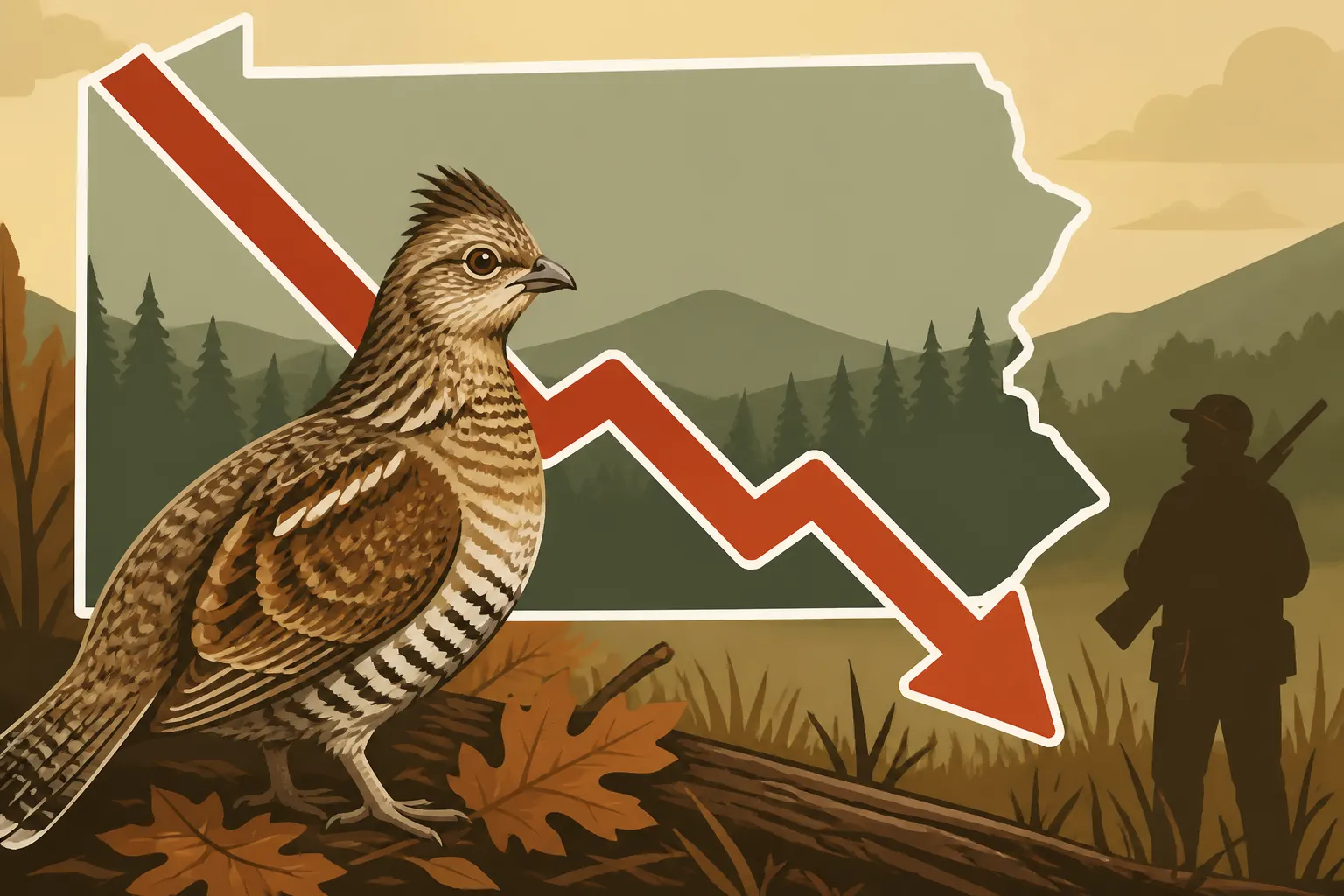
The decline wasn't sudden; it was a gradual process that became more noticeable over time. What started as a slight decrease in flush rates began to accelerate, particularly in the last two decades. While some fluctuations are natural in wildlife populations, the consistent downward trend has raised serious alarms. Data collected by the Pennsylvania Game Commission (PGC) through hunter surveys and cooperative grouse projects consistently shows a significant reduction in reported flushes and overall bird numbers across most of the state's traditional grouse range.
This shift isn't uniform, of course. Some pockets of habitat still hold grouse, offering a glimmer of hope, but these are increasingly isolated. Hunters often find themselves working harder, walking further, and still coming up empty-handed in areas that once produced reliable flushes. This change reflects a broader ecological transformation in Pennsylvania's woodlands, moving away from the dynamic, early successional stages that grouse require towards more mature, contiguous forest canopies. Understanding these long-term shifts is crucial to comprehending the challenges facing our grouse. To dive deeper into how these changes impact bird behavior, you might find information on Ruffed Grouse, Pennsylvania's State Bird enlightening.
Deciphering the Decline: Key Factors at Play
Pinpointing a single cause for the ruffed grouse decline in Pennsylvania is nearly impossible, as it's likely a combination of several interconnected factors. It's a complex puzzle, and experts have identified a few primary culprits that, when acting together, create a devastating scenario for these birds. From microscopic pathogens to large-scale changes in our forest ecosystems, each element contributes to the challenging environment grouse now face.
The Habitat Predicament: Too Much Mature Forest
Perhaps the most significant long-term factor contributing to the grouse decline is the widespread maturation of Pennsylvania's forests. Ruffed grouse are not deep woods birds in the traditional sense; they are specialists of early successional habitat. This means they thrive in young, regenerating forests – areas that have been recently timbered, clearcut, or impacted by natural disturbances like fire or severe storms. These dense, tangled thickets, often just a few years old, provide critical cover from predators like hawks and owls, as well as an abundance of food sources like buds, catkins, and berries.
Unfortunately, much of Pennsylvania's forestland has grown beyond this crucial stage. With reduced active timber management in some areas and a historical emphasis on preserving mature forests, vast tracts have transitioned into older, more open woodlands. While these mature forests support other wildlife species, they lack the dense understory grouse need for survival and successful breeding. Without this vital "thicket" cover, grouse chicks are particularly vulnerable, and adult birds have nowhere to hide. This problem is particularly acute on many public lands where timbering operations have slowed or ceased, leaving large areas of homogenous, mature forest. If you're looking for areas that still offer potential, learning about Hunting Pennsylvania Clearcuts and Regrowth can provide some clues.
Climate Change and its Subtle Shifts
While not as immediately obvious as habitat loss or disease, the subtle shifts brought about by climate change are also playing a role in the grouse's struggle. Changes in temperature patterns, precipitation, and the timing of spring thaws and insect hatches can have ripple effects on grouse populations. For example, milder winters might lead to earlier insect hatches, but if grouse chicks aren't timed perfectly to these abundant food sources due to physiological cues, their survival rates can suffer. Increased frequency or intensity of extreme weather events, like late spring freezes or prolonged droughts, can also impact nesting success and chick survival.
Beyond direct impacts, climate change also influences forest composition and health. Shifts in tree species distribution, increased susceptibility to insect outbreaks, or altered wildfire regimes can further exacerbate the habitat challenges grouse already face. A warmer climate might also extend the range of certain parasites or diseases. It's a complex web, and while grouse are remarkably adaptable, these cumulative changes add significant stress to an already vulnerable population.
West Nile Virus: A Silent Killer's Impact
Among the various challenges facing Pennsylvania's ruffed grouse, the emergence and spread of West Nile Virus (WNV) has been a particularly devastating blow. This mosquito-borne illness, which arrived in North America in the late 1990s, has proven to be incredibly lethal to certain bird species, and unfortunately, the ruffed grouse is one of the most susceptible. It’s a silent, unseen threat that has quietly decimated populations in many areas.
Understanding West Nile Virus and Grouse Susceptibility
West Nile Virus is primarily transmitted by mosquitoes, which become infected by feeding on infected birds. When an infected mosquito then bites another bird, the virus can be transmitted. While many bird species can carry the virus, and some suffer ill effects, ruffed grouse appear to be exceptionally vulnerable. Research has shown that even a low dose of WNV can be fatal to grouse, causing neurological damage, weakness, and eventually death. Unlike some other avian species that develop immunity or show mild symptoms, grouse often experience severe, rapid mortality.
The disease cycle typically peaks in late summer and early fall when mosquito populations are highest. This timing is particularly problematic for young grouse that are still developing their immune systems and are out and about in the woods. The widespread distribution of mosquitoes across Pennsylvania means that virtually all grouse populations are exposed to the risk of WNV infection. This reality makes it incredibly difficult for local populations to rebound, as the virus can suppress recovery even in areas with otherwise suitable habitat. This aspect of the decline is detailed further in West Nile Virus and Pennsylvania Grouse.
Research, Monitoring, and Geographic Spread
The Pennsylvania Game Commission, along with research partners like the Ruffed Grouse Society, has been actively monitoring the impact of WNV on grouse populations. This involves collecting samples from harvested birds, roadkill, and dead grouse found in the field for testing. The results have consistently shown the presence of WNV across a wide geographic range in Pennsylvania, with high rates of infection in many areas where grouse populations have plummeted. These monitoring efforts help scientists understand the prevalence of the virus and its correlation with population trends.
For hunters, this means that even if you find good habitat, the invisible threat of WNV might still be at play. It’s a frustrating reality, especially when you’ve done your homework scouting areas with quality cover. Platforms like GoHunt, with their detailed mapping layers, can help you identify areas of prime habitat, but even the best habitat can't completely protect birds from this widespread disease. The virus doesn't discriminate based on the quality of the surrounding woods. Understanding the geographic spread helps target conservation efforts, but eradicating a mosquito-borne illness from vast wild landscapes is an immense challenge.
Habitat Loss and Fragmentation: Where Did the Cover Go?
While West Nile Virus is a significant and acute threat, the long-term, chronic issue of habitat loss and fragmentation has been steadily eroding the foundations of healthy grouse populations for decades. It's a slower, often less dramatic decline than a disease outbreak, but its effects are just as profound, shrinking the available living space for these birds and isolating the remaining populations.
The Shift from Young Forest to Mature Timber
As we touched upon earlier, ruffed grouse are early successional habitat specialists. They absolutely thrive in the dense, brushy growth that springs up after a clearcut, a timber harvest, or a natural disturbance. This young forest, often only 5-20 years old, provides impenetrable cover for nesting hens and vulnerable chicks, as well as escape routes from predators. The thick understory offers a bounty of insects, berries, and buds that are crucial for their diet.
However, over the past 50-70 years, much of Pennsylvania’s landscape has undergone a significant transformation. Large-scale timbering, which once created vast swaths of this vital young forest, has decreased in many public and private sectors. As a result, our forests have largely matured into older, more open woodlands with less dense undergrowth. While these mature forests are beautiful and support other wildlife, they simply do not provide the necessary cover and food resources for thriving grouse populations. When you're out scouting, using mapping tools to identify timber cuts or areas with significant regrowth is key, and services like GoHunt can often show recent logging activity, helping you pinpoint potential grouse cover. You'll want to remember that Why Young Forest Matters to Grouse isn't just a talking point, it's a scientific reality for the species.
The Impact of Development and Forest Fragmentation
Beyond the natural maturation of forests, human development further exacerbates habitat loss and fragmentation. As suburban areas expand, new roads are built, and infrastructure projects carve through forested landscapes, the contiguous blocks of grouse habitat are broken into smaller, isolated patches. Even if these smaller patches contain suitable young forest, their isolation can be detrimental. Grouse populations in fragmented landscapes are more susceptible to local extinction because birds cannot easily move between patches to find mates, re-establish populations after a localized disturbance, or escape pressure.
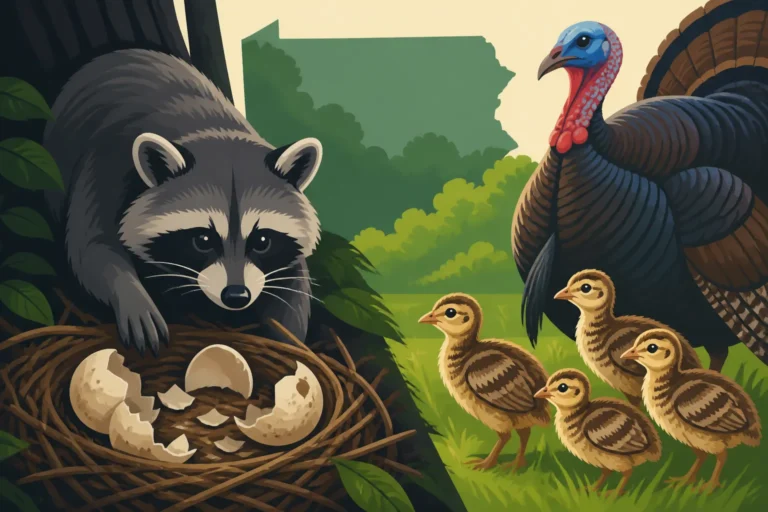
This fragmentation also leads to increased "edge effects," where the boundary between forest and open land creates conditions favorable for generalist predators like raccoons, skunks, and opossums, which can prey on grouse nests and chicks. Furthermore, smaller, isolated populations are more vulnerable to genetic bottlenecks and are less resilient to disease outbreaks like West Nile Virus. The once expansive and interconnected grouse range has, in many areas, become a series of islands, making survival a constant uphill battle. When you’re Finding Grouse Cover on Game Lands, remember that isolated pockets of good cover might not be enough if they're surrounded by unsuitable habitat or development.
The Future of the King: Conservation Efforts and Hope
Despite the somber reality of the ruffed grouse decline, there is still hope, and dedicated individuals and organizations are working tirelessly to turn the tide. Conservation efforts are focusing on addressing the core issues of habitat, disease, and population management, with the understanding that a multifaceted approach is required to restore Pennsylvania's thunderbird.
Pennsylvania Game Commission Initiatives
The Pennsylvania Game Commission (PGC) recognizes the critical situation facing ruffed grouse and has implemented several strategies aimed at boosting their numbers. A primary focus is on habitat management, specifically creating and maintaining early successional forests on State Game Lands. This involves targeted timber harvests, often using techniques like clearcutting or patch cuts, to promote dense regrowth. These projects are carefully planned to create a mosaic of forest ages across the landscape, ensuring a continuous supply of vital grouse cover over time.
Additionally, the PGC participates in ongoing research and monitoring programs to better understand grouse population dynamics, disease prevalence, and the effectiveness of habitat interventions. They collaborate with universities and other wildlife agencies to share knowledge and develop best practices. While the scale of the problem is vast, these proactive management efforts on public lands provide crucial sanctuaries and experimental areas where habitat can be tailored to meet the specific needs of grouse. To learn more about specific habitat work, exploring topics like Habitat Work on Pennsylvania Public Land can provide useful context.
The Role of Hunter Contributions and Partner Organizations
Hunters have always been at the forefront of conservation, and their contributions are more vital than ever for the ruffed grouse. Through the purchase of hunting licenses and specific permits, hunters provide the primary funding for the PGC's habitat management and research efforts. Beyond financial support, many hunters are also active participants in conservation groups. Organizations like the Ruffed Grouse Society (RGS) are key partners, dedicating resources specifically to grouse and woodcock habitat improvement projects across private and public lands. RGS often works directly with landowners and land managers, providing expertise and funding to create the necessary young forest habitat.
Furthermore, hunter reports are invaluable. By participating in surveys and reporting flush rates or observations of sick birds, hunters provide critical data that helps wildlife biologists track population trends and the spread of diseases. It's a collaborative effort, where every hunting license dollar and every piece of shared information contributes to a broader understanding and a more effective conservation strategy. Being an informed hunter, using tools like GoHunt to understand land features and track your own observations, can make you an even more effective part of this vital partnership. The future of Whether Pennsylvania Grouse Can Recover depends heavily on these combined efforts.
What Hunters Can Do to Help
As individual hunters, there are several ways we can contribute to the recovery of ruffed grouse. First and foremost, continued support for conservation organizations and the purchase of hunting licenses are crucial. Beyond that, educating ourselves and others about the importance of early successional habitat is vital. Advocating for sound forest management practices, particularly those that create young forest, on both public and private lands is a powerful way to make a difference.
When you're out in the woods, consider focusing your hunting efforts on public lands where active habitat management is taking place. These areas, though they might require a bit more legwork to find, often offer the best chances for encountering grouse and reinforce the value of these management practices. Sharing your observations with the PGC, whether through formal surveys or simply reaching out, helps biologists monitor the situation more effectively. Lastly, consider being a mentor to new hunters, instilling in them an appreciation for conservation and the complex needs of species like the ruffed grouse, ensuring that the legacy of chasing the thunderbird continues, even if in smaller numbers for now.
| Year Range | Estimated Pennsylvania Grouse Population (Index) | Primary Habitat Condition | Noteworthy Factors |
|---|---|---|---|
| 1970s – 1980s | High | Abundant Early Successional | Post-logging boom regrowth, robust populations |
| 1990s | Moderate | Maturing Forests, Decline Begins | Reduced large-scale timbering, less young forest |
| 2000s | Low-Moderate | Increased Mature Forest, WNV Emergence | West Nile Virus begins to impact populations |
| 2010s – Present | Very Low | Predominantly Mature Forest, WNV Widespread | Continued WNV pressure, critical habitat scarcity |
Disclaimer
Please be aware that hunting regulations, seasons, and wildlife populations are subject to change. Always consult the official Pennsylvania Game Commission website and current hunting digests for the most up-to-date and accurate information before planning any hunting activities. This guide is for informational purposes only and does not supersede official regulations.