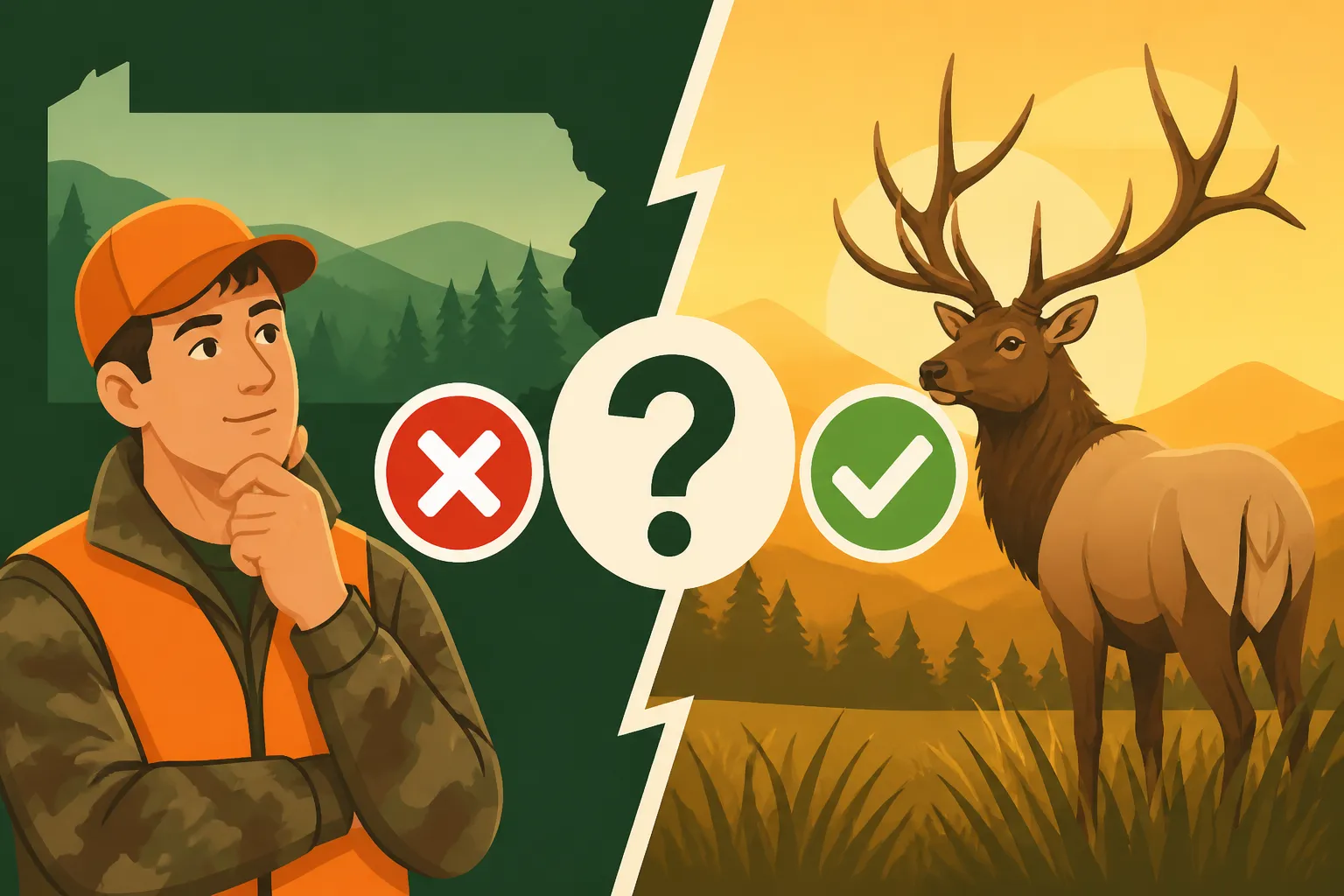
Do You Need a Hunting Licence to Apply for Elk?
The dream of hunting an elk in Pennsylvania is a powerful one for many of us, but the process can feel a bit like navigating a maze, especially when you're just starting out. One of the most common questions that comes up right away is whether you even need a hunting license just to throw your name in the hat for the coveted elk draw. This guide will walk you through precisely what's required for the Pennsylvania elk application, the importance of each step, and what it really takes to pursue one of the state's most magnificent game animals.
The Clear Answer: Yes, a General Hunting License is Essential
Let's cut right to the chase because this is where many people get tripped up: yes, you absolutely need a valid Pennsylvania general hunting license to apply for the annual elk drawing. It's not just a nice-to-have; it's a non-negotiable prerequisite set by the Pennsylvania Game Commission (PGC). You can't even get to the step of submitting your application for the elk lottery without first purchasing that general license.
This requirement stems from a fundamental principle of wildlife management in Pennsylvania. The PGC wants to ensure that those applying for such a highly sought-after permit are already legitimate, active hunters who understand the regulations and are invested in the state's hunting traditions and conservation efforts. It's a way of filtering the applicant pool to those genuinely committed to the sport, rather than someone just casually tossing their hat in on a whim without any intention or ability to actually hunt.
So, before you even think about marking your calendar for the elk application period, make sure your general hunting license is squared away for the current license year. This license covers you for deer, turkey, small game, and even the privilege of applying for special permits like the elk drawing. It’s the foundational piece of paper that opens up most hunting opportunities in the Commonwealth. If you're looking for more information on the various licenses available and their costs, you can find a comprehensive breakdown in our guide on Pennsylvania Hunting Licences and What They Cost.
Navigating Pennsylvania's Elk Application Process
Once you have that general hunting license in hand, the real fun of applying for the elk draw begins. The process itself is relatively straightforward, but it requires attention to detail and adherence to deadlines.
Step-by-Step Application Submission
Applying for an elk license in Pennsylvania is primarily done through the Pennsylvania Game Commission's online licensing system. Here’s a general rundown of how it works:
- Purchase Your General Hunting License: As mentioned, this is the crucial first step. You'll need to buy your annual resident or nonresident general hunting license. You can typically do this online through the PGC website, or in person at various issuing agents across the state.
- Add the Elk Application: Once you have your general license, you'll find an option to add the "Elk Hunt Application" to your cart. This is a separate, non-refundable fee that covers your entry into the lottery. This application fee contributes to the PGC's vital conservation programs, which directly benefit the elk herd and their habitat.
- Select Your Application Type: During the application, you'll be asked to choose whether you're applying for an Antlered (bull) Elk, Antlerless (cow) Elk, or an Any Elk tag. This choice is critical as it affects your odds, as bull tags are significantly harder to draw than cow tags due to their scarcity.
- Consider Applying for a Bonus Point: This is a smart move for any serious aspiring elk hunter. For an additional, small fee, you can purchase a "Bonus Point Only" option. Even if you don't want to apply for a tag in the current year, buying a bonus point builds your preference in future drawings. Each year you apply and aren't drawn, you accrue another bonus point, effectively increasing your odds over time. It's a long-term strategy, and patience is definitely a virtue when it comes to the Pennsylvania elk lottery.
- Submit and Confirm: Review all your selections carefully before submitting your payment. You'll receive a confirmation, which you should keep for your records. This is your proof that you’re officially in the running!
The application window for the Pennsylvania elk lottery usually opens in the spring and closes in late summer. It's essential to keep an eye on the PGC's official announcements for the exact dates each year. Missing the deadline means missing your chance for that year, and nobody wants that. Our guide on When the Pennsylvania Elk Drawing Happens provides more detailed timing.
Understanding Bonus Points and Drawing Odds
The bonus point system is designed to reward persistent applicants. Imagine you've been applying for years, diligently adding that bonus point even when you know the odds are long. This system ensures that someone who's put in ten years of applications has a mathematically better chance of drawing a tag than someone applying for the first time. It's not a guarantee, mind you, as it's still a lottery, but it certainly helps.
Many experienced hunters use resources like GoHunt to analyze drawing odds, harvest statistics, and unit-specific information. While GoHunt focuses broadly on western hunting, the principles of researching draw odds and understanding unit data are transferable and can inform your strategy when applying for Pennsylvania's limited elk tags. Knowing the average number of applicants per tag for antlered versus antlerless categories can help you decide which tag type to apply for, based on your personal goals and tolerance for long odds.
The Allure of Pennsylvania Elk Hunting
Pennsylvania's elk herd is a conservation success story, a testament to dedicated wildlife management and the resilience of these magnificent animals. For many, the chance to hunt elk in the eastern woods is a once-in-a-lifetime opportunity.
Pennsylvania's Thriving Elk Herd
The reintroduction and careful management of elk in Pennsylvania have resulted in a robust and growing herd. Once extirpated from the state, these animals now thrive in what is known as the Pennsylvania Wilds, primarily in parts of Elk, Cameron, Clearfield, and Potter counties. Their presence adds an incredible dimension to the state's hunting heritage. If you're interested in learning more about the history and current status of these animals, our article on How Many Elk Pennsylvania Has provides a deeper dive.
The PGC carefully manages the herd's population through controlled hunts, issuing a very limited number of tags each year. This strict control ensures the health of the herd, minimizes human-elk conflicts, and maintains a high-quality hunting experience. This is why drawing an elk tag feels like winning the lottery – because, in essence, it is.
The Highly Competitive Drawing System
Because of the limited number of tags and the high interest from both resident and nonresident hunters, the Pennsylvania elk draw is incredibly competitive. The number of applications far outweighs the available tags, particularly for bulls. This competitiveness is why those bonus points are so vital for anyone serious about hunting elk in Pennsylvania.
The drawing typically takes place in the late summer, and the suspense leading up to the announcement is palpable among the hunting community. Being drawn means you then have the opportunity to purchase an actual elk license, which is a separate fee. The cost of the elk license itself is substantial, reflecting the value and rarity of the hunt. This financial commitment, from the general hunting license to the application fee to the elk license itself, reflects the serious nature of this pursuit. You can also explore options for Pennsylvania Elk Licence Application details.
Beyond the Application: What Comes Next?
Drawing an elk tag is just the first major hurdle. The real work—and excitement—begins after you've secured that coveted license.
Preparing for Your Hunt in the Pennsylvania Wilds
If you are fortunate enough to draw an elk tag, your preparation needs to kick into high gear. This isn't your typical deer hunt. The terrain in elk country can be steep, rugged, and densely forested. Physical fitness is paramount. You'll be covering significant ground, often in challenging conditions.
Scouting is also critical. Understanding the specific Elk Hunt Zone you've been drawn for, learning the lay of the land, identifying potential elk bedding and feeding areas, and understanding access points are all vital. Tools like aerial photos, which can be explored in our guide on Reading Aerial Photos for Big Woods Deer, can be incredibly useful, even for elk. GoHunt offers excellent mapping tools that, while not specific to PA elk zones, can help you visualize topography and potential elk habitat if you're able to upload specific KML files or use their base layers for general terrain analysis.
The Actual Elk License Purchase
Remember, the application fee only gets you into the drawing. If your name is picked, you'll then receive notification and have a specific window of time to purchase your actual Pennsylvania Elk License. This license is separate from your general hunting license and your initial application fee. It grants you the legal right to harvest an elk during the designated season within your assigned Elk Hunt Zone.
This distinction is important. It ensures that only those who are truly ready and able to undertake the hunt will commit to the full cost of the tag. It also allows the PGC to manage any tags that might not be claimed, potentially redistributing them in subsequent drawings if necessary, though this is rare for elk.
Tips for Aspiring Elk Hunters
Even if you've been applying for years and feel like your luck might never turn, there are always ways to stay engaged and increase your understanding.
Boosting Your Odds Over Time
The single best way to boost your odds for an elk tag in Pennsylvania is consistency. Apply every single year, and always purchase that bonus point. It's a marathon, not a sprint. Some hunters wait decades before their number finally comes up.
Consider what type of tag you apply for. While a bull tag is often the dream, antlerless (cow) tags are typically issued in higher numbers, making them statistically easier to draw. If your primary goal is simply to hunt elk in Pennsylvania, applying for an antlerless tag might significantly reduce your wait time.
Embracing the Experience, Even Without a Tag
Many hunters who dream of a Pennsylvania elk hunt engage with the elk country long before they ever draw a tag. Spending time in the Elk Range, whether it's hiking, camping, or simply observing, is an incredible experience in itself. Watching the elk during the rut in places like Benezette, where you can see large herds and hear bulls bugle, is an unforgettable natural spectacle. Our guide on Elk Viewing in Pennsylvania offers excellent tips for making the most of these opportunities. This also serves as valuable scouting, helping you learn the terrain, elk behavior, and travel patterns, all of which will be invaluable if you ever do draw a tag.
For those planning to hunt, it's also critical to ensure you meet all legal requirements, including hunter education. If you're new to hunting or need a refresher, check out our resource on Pennsylvania Hunter Education Requirements to make sure you're fully compliant.
The journey to an elk tag in Pennsylvania is often a long one, filled with anticipation and the joy of participation, even if it's just through the application process.
Pennsylvania Elk Application & License Fees (Approximate, Subject to Change)
| Item | Resident Cost (Approx.) | Nonresident Cost (Approx.) | Notes |
|---|---|---|---|
| General Hunting License | $20.90 | $101.90 | Required to apply for elk. Covers deer, turkey, small game. |
| Elk Hunt Application Fee | $11.90 | $11.90 | Non-refundable fee to enter the elk lottery. |
| Bonus Point Only Option | $11.90 | $11.90 | Optional. Adds a preference point for future draws. |
| If Drawn: Elk License | $25.00 | $250.00 | Separate purchase required if you are successfully drawn in the lottery. |
Note: These figures are approximate and subject to change by the Pennsylvania Game Commission. Always consult the official PGC website for the most current fees and regulations.
Disclaimer
The information provided in this article is for general guidance and informational purposes only. Hunting regulations, license requirements, and season dates are subject to change. Always consult the official Pennsylvania Game Commission (PGC) website and current digest for the most accurate and up-to-date regulations before planning any hunting activity. Failure to comply with all laws and regulations can result in penalties.