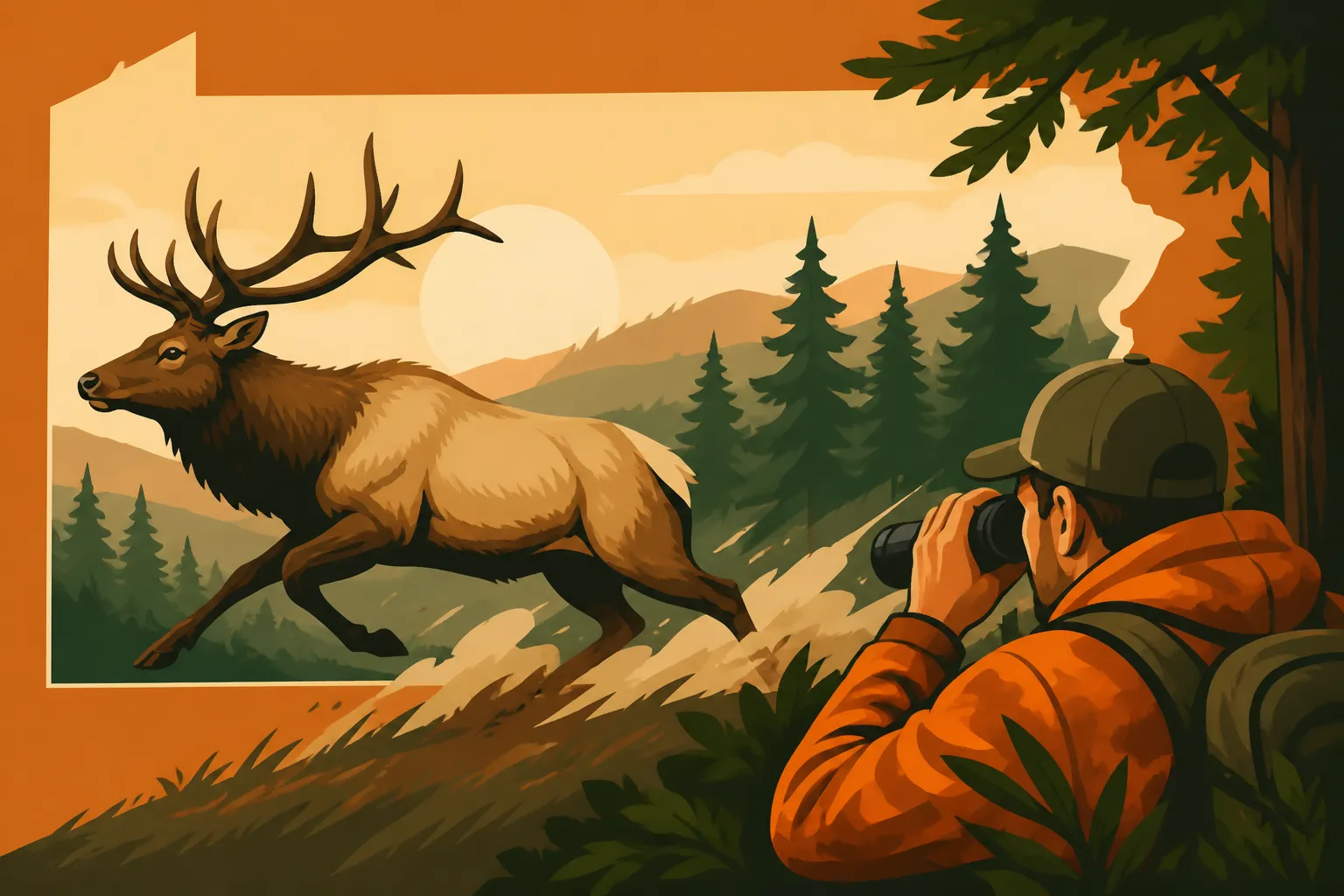
When the Pennsylvania Elk Hunts Run
Chasing the majestic elk in Pennsylvania is a dream for so many hunters, a once-in-a-lifetime opportunity that truly tests your skill and dedication. But with such a limited number of tags available and strict regulations, knowing exactly when the Pennsylvania elk hunts run is paramount to even beginning to plan, or simply understanding the incredible challenge and excitement involved. This guide is here to demystify the season dates and help you understand the framework of this highly sought-after hunt.
The Primary Elk Hunting Seasons in Pennsylvania
If you've been lucky enough to draw one of Pennsylvania's coveted elk tags, you know the excitement, and probably a fair bit of anxiety, that comes with it. Unlike deer season, which stretches for weeks, the Pennsylvania elk hunting season is incredibly short and intense. It’s designed to manage the herd effectively while providing a world-class hunting experience. These are not long, drawn-out seasons; they are condensed, high-pressure windows where every moment counts.
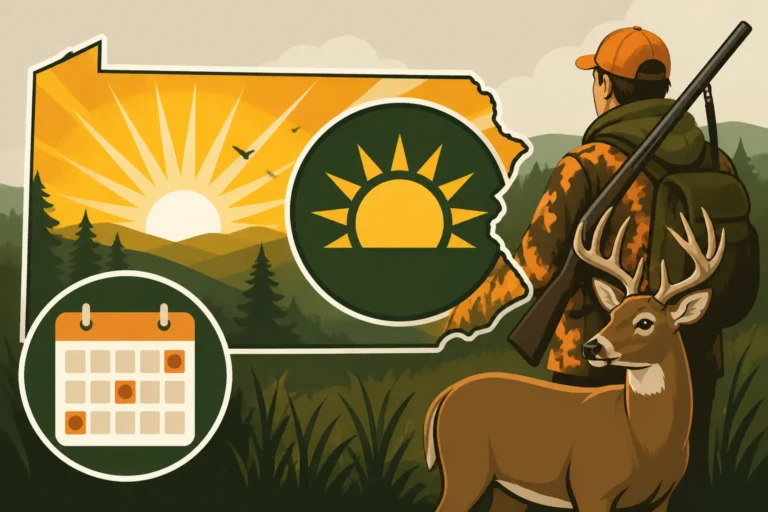
Generally, the main firearms elk season takes place in early November. This is typically a four-day season, usually running from a Monday through Thursday. Think about it: four days to find, stalk, and harvest an animal that could weigh upwards of 800 pounds in rugged terrain. It's a whirlwind, and for many, it's the culmination of years of applying. The Pennsylvania Game Commission sets these dates annually, and while they tend to fall around the same time each year, it's absolutely crucial to double-check the official digest every single season. This primary season is open for both antlered (bull) and antlerless (cow) elk, depending on the specific tag you draw. The excitement in the air during these few days in places like Benezette and surrounding areas is palpable, with hunters, guides, and locals all focused on the hunt.
Beyond this main firearms season, there can sometimes be a very limited archery-only season for elk, typically held in mid-September, similar to how early archery deer season opens in some WMUs. This is even more exclusive, with even fewer tags. It offers a completely different challenge, requiring hunters to get incredibly close to these massive animals with a bow and arrow. And if you're lucky enough to hold one of these tags, you're looking at a much more extended period than the firearms season, often spanning a week or more. The specific dates and number of tags for this hunt are also determined annually, reflecting the Game Commission's careful management of the Pennsylvania Elk Herd Size and Range.
Lastly, and often overlooked, there's a specialized late season hunt, usually in early January. This extended firearms season is typically for antlerless elk only, and it's even more restricted, often linked to specific Elk Hunt Zones where additional herd reduction is needed. Picture hunting elk in the dead of winter, potentially through snow-covered landscapes – a truly rugged experience for the dedicated hunter. These specific season dates and available licenses are announced well in advance, usually with the rest of the hunting season information, so successful applicants have time to plan.
Main Elk Hunting Season Dates Overview
To give you a clearer picture, here's a general breakdown of when the hunts typically run. Remember, these are approximate, and the official Game Commission digest is your ultimate source for confirmed dates each year.
| License Type | Weapon Type | Typical Season Start | Typical Season End | Duration | Notes |
|---|---|---|---|---|---|
| General Elk Hunt | Firearms | First Monday in Nov. | First Thursday in Nov. | 4 days | Both Antlered & Antlerless tags issued. |
| Archery Elk Hunt | Archery | Mid-September | Late September | 1-2 weeks | Highly limited tags, specific zones. |
| Late Elk Season | Firearms | Early January | Mid-January | ~7-10 days | Typically Antlerless-only, specific zones. |
It's a challenging calendar to keep track of, especially when you factor in the sheer odds of drawing a tag in the first place. This is why many aspiring elk hunters utilize mapping tools from companies like GoHunt to study the elk range year-round, even if they haven't drawn a tag yet. It keeps the dream alive and helps them prepare for the chance when it eventually comes.
The Application Process and Critical Deadlines
The Pennsylvania elk hunt isn't something you just decide to do a week before the season opens. It's a multi-year commitment for many, centered around an application and drawing process that builds anticipation year after year. Understanding these critical deadlines is just as important as knowing the hunt dates themselves, because if you miss the application window, you've missed your chance entirely for that year.
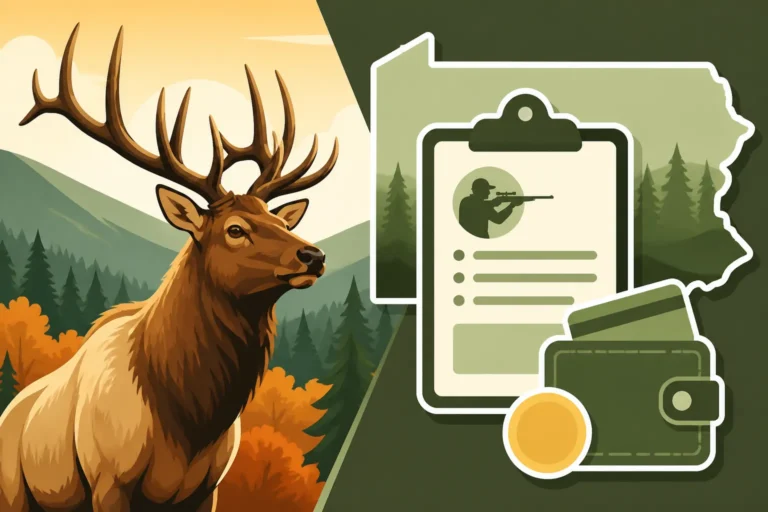
The application period for the general elk license drawing typically opens around mid-May and closes in mid-July. This is your window to apply for a general elk license. During this time, you submit your application and pay the non-refundable application fee. Many hunters opt to purchase what's called a "bonus point" which essentially gives you an extra entry into the drawing each year you apply and don't draw. This increases your Pennsylvania Elk Draw Odds over time, making it a waiting game for most. Some hunters choose to apply for specific bull or cow tags right from the start, while others might just apply for a general elk tag and let the chips fall where they may if they draw.
The moment of truth arrives when the drawing is held. While the exact date can vary slightly, the Pennsylvania Game Commission usually holds the public elk license drawing in mid-August. This event is a huge deal for the hunting community, often live-streamed, with thousands of hopeful hunters tuning in to see if their name is called. Imagine the surge of adrenaline if your name pops up on that screen! It's a pure lottery system, and it truly changes lives, at least for a few months. After the main draw, successful applicants are notified, and then the real planning begins: scouting, gear preparation, and booking guides if they choose. You can read more about When the Pennsylvania Elk Drawing Happens to get a feel for the excitement.
It's crucial to remember that you must have a valid Pennsylvania hunting license to even apply for an elk tag. This isn't a separate, standalone lottery; it's integrated into the state's broader licensing system. So, before you even think about applying for an elk tag, make sure your regular hunting license is in order. For residents and non-residents alike, knowing the specifics of Pennsylvania Hunting Licences and What They Cost is essential. The Game Commission also details rules around Do You Need a Hunting Licence to Apply for Elk? which confirms this requirement.
Diverse Elk Hunt Zones and License Types
Pennsylvania's elk herd, while impressive, isn't spread uniformly across the entire state. The hunting opportunities are concentrated within specific Elk Hunt Zones, primarily located in the north-central part of the state, often referred to as the "Pennsylvania Wilds." These zones are carefully delineated by the Pennsylvania Game Commission to manage the herd within its primary range and minimize conflicts with agriculture or human populations.
When you apply for an elk license, you'll usually have the option to apply for a general license or specify either an antlered (bull) or antlerless (cow) tag. The number of tags issued for each category, and within each specific Elk Hunt Zone, varies year to year based on population surveys and management objectives. For instance, some zones might have a higher allocation of cow tags to help control herd growth, while others might have very few bull tags to allow for trophy potential. This is a dynamic system, and it’s why it’s so critical to review the specific season details when you apply.
The general elk license drawing allocates a certain number of tags for the main November firearms season. These tags are highly coveted, especially for bulls. It's a big part of Why Bull Elk Licences Are Once in a Lifetime – you can only harvest one bull elk in Pennsylvania in your entire hunting career. This makes that first bull tag an incredibly significant achievement. Antlerless tags for the main season are also valuable and offer an incredible experience to hunt these magnificent animals.
In addition to the general drawing, some specific Elk Hunt Zones might have a very limited number of "Extended Season" tags, usually for antlerless elk, as mentioned earlier. These tags are designed to target areas where elk numbers might be higher than desired or where crop damage issues need to be addressed. The dates for these extended seasons fall outside the main November hunt, often into early January, providing a unique late-season opportunity. Hunters with these tags are often targeting specific areas within the broader elk range, and the experience can be quite different from the high-traffic areas of the general season.
For hunters who have drawn a tag, understanding the specific boundaries of their designated Elk Hunt Zone is paramount. These zones can be vast, covering thousands of acres of public and private land. Mapping applications like those offered by GoHunt become invaluable for scouting and understanding the terrain, identifying public access points, and avoiding trespassing. Knowing the Pennsylvania Elk Hunt Zones and their unique characteristics – whether it's rugged mountain terrain, dense timber, or agricultural fringes – can significantly impact your hunting strategy.
Preparing for Your Pennsylvania Elk Hunt
Drawing an elk tag is just the first step; the real work begins after. Pennsylvania’s elk country is rugged, beautiful, and demanding. Whether you're heading out for the main November season, the challenging archery hunt, or the late-season cow hunt, thorough preparation is key to making the most of your once-in-a-lifetime opportunity.
Physical conditioning is paramount. You'll be covering steep, often unforgiving terrain, sometimes at elevation. Hauling out an elk, even with help, is an arduous task. Start a fitness regimen months in advance that includes cardiovascular exercise, strength training, and plenty of hiking with your pack. Don't underestimate the physical demands of Hunting the Pennsylvania Wilds, especially when a heavy animal is down a steep hollow.
Gear selection is another crucial aspect. For the general firearms season, a reliable, accurate rifle in a suitable caliber is a must. Common calibers include .30-06, .300 Win Mag, or 7mm Rem Mag – something with enough punch for a large animal. Quality optics, including binoculars and a good rifle scope, will be indispensable in the varying light conditions of the big woods. For archery hunters, broadhead selection and arrow setup need to be meticulously dialed in. Regardless of weapon, don't forget essential items like a good pack, sturdy boots, quality layered clothing (especially for November and January weather), a reliable GPS or mapping app (like GoHunt), and plenty of water and emergency supplies.
Scouting is where many hunters truly put in the effort. If you’re not from the area, a good guide can be invaluable. But even with a guide, pre-season scouting trips are highly recommended. Learn the roads, the topography, the bedding areas, and the feeding patterns. Look for fresh sign: tracks, droppings, rubs, and wallows. Utilize resources like aerial maps and public land boundaries. Even if you're not planning to go Elk Viewing in Pennsylvania specifically, understanding elk behavior in the lead-up to the season will be critical. The elk may be less visible during the actual hunting pressure, so knowing their patterns beforehand is a huge advantage.
Finally, remember the importance of logistics. Where will you stay? How will you get your elk out of the woods? Do you have a plan for processing the meat? These details need to be worked out well in advance. Getting a massive animal like an elk off a mountain or out of a remote area can be a monumental task, often requiring multiple people, specialized equipment like game carts, or even horses or ATVs (where allowed). Having a plan for Getting a Bear to a Check Station (and by extension, an elk) is vital. Make sure you understand the Pennsylvania Elk Hunt Zones and any specific rules about vehicle access or game retrieval within them. With careful preparation and a bit of luck, your Pennsylvania elk hunt can truly be an experience of a lifetime.
Disclaimer
Please be aware that hunting regulations, seasons, and licensing requirements in Pennsylvania are subject to change. Always consult the official Pennsylvania Game Commission website or the current hunting and trapping digest for the most accurate and up-to-date information before planning any hunt. This article provides general information and should not be considered a substitute for official legal guidance.