Pennsylvania Hunter Orange Square Inches
Let's be honest, deciphering Pennsylvania's hunter orange regulations can feel like trying to hit a moving target in thick fog. One season demands it, the next doesn't, and then there's the whole "moving versus stationary" debate. It's enough to make you second-guess what to wear every time you step into the woods. This comprehensive guide is here to untangle all that confusion, breaking down the exact square inch requirements and situational nuances so you can stay safe, legal, and focused on the hunt.
Understanding Pennsylvania's Hunter Orange Rules
For anyone who hunts in the Keystone State, the rules around hunter orange are non-negotiable for specific seasons. These aren't just arbitrary mandates; they're in place for your safety and the safety of everyone else sharing the woods. Pennsylvania has a rich hunting heritage, and with that comes a responsibility to adhere to guidelines designed to prevent accidents.
The Basic 250 Square Inch Requirement
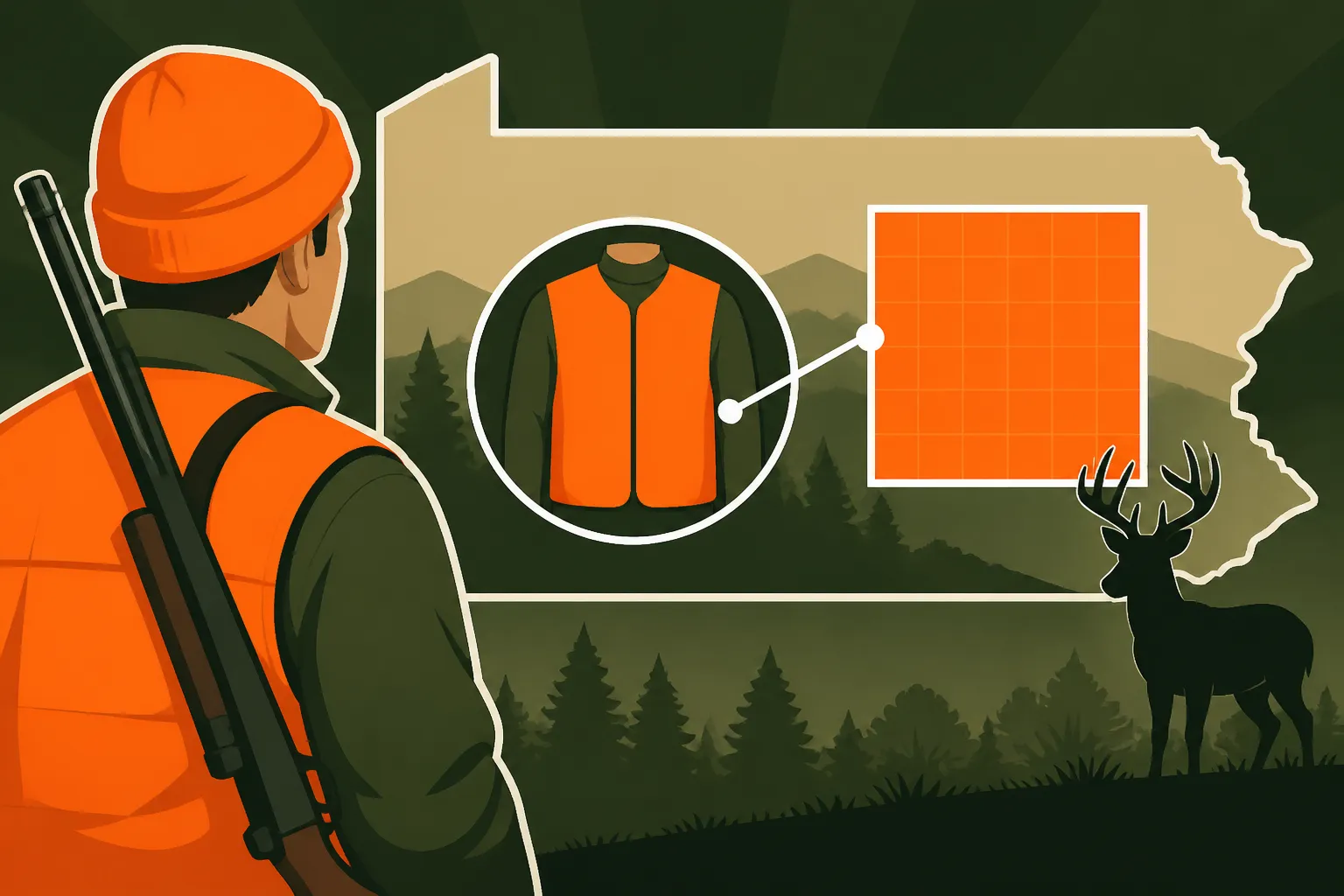
The cornerstone of Pennsylvania's hunter orange law for many big game and small game seasons is the 250 square inch rule. This means you need at least 250 square inches of fluorescent orange material visible on your head, chest, and back combined. Think of it as a minimum area to ensure you're easily seen by other hunters, especially in dense cover or during low light conditions.
Now, what does 250 square inches actually look like? It's more than you might think. A typical blaze orange vest, the kind you slip over your jacket, will often meet this requirement easily, covering a good portion of your chest and back. A blaze orange hat, while highly recommended, rarely provides enough square inches on its own. You'd typically need a hat plus a substantial vest or an entire blaze orange jacket to hit that 250 mark. Imagine a piece of fabric roughly 15 inches wide by 17 inches tall – that's roughly 250 square inches. When you factor in the need for visibility from all angles (360 degrees), a well-fitting vest that wraps around your torso is usually the most practical solution. Many hunters opt for an orange vest in addition to an orange hat, which almost guarantees compliance and maximizes visibility. It's a small investment for peace of mind.
When Hunter Orange Is Mandatory
The biggest confusion often arises from knowing when you actually need to wear orange. It's not a blanket rule for all seasons. The Pennsylvania Game Commission has specific regulations tied to the intensity of hunting pressure and the visibility conditions typical for certain game species.
Firstly, during all firearms deer seasons, including the general statewide season, special regulations areas, and any extended seasons, hunter orange is absolutely mandatory. This means if you're out there during Pennsylvania's Two-Week Firearms Deer Season or the later Pennsylvania's Uninterrupted Firearms Season, you must have your 250 square inches visible from 360 degrees. This rule applies whether you're still-hunting quietly through the timber, posted on a deer drive, or just walking to your stand before dawn. This is a period of high hunter density, and visibility is paramount.
Similarly, during firearms black bear season, the same 250 square inch, 360-degree visibility rule applies. Bear hunting, especially when involving Bear Drives in Pennsylvania, can be incredibly dynamic and often takes place in rugged, thick terrain where visibility is naturally limited. Your blaze orange could literally be a lifesaver.
For small game hunting, such as pheasants, rabbits, grouse, and squirrels, hunter orange is generally mandatory as well. These seasons often overlap with deer and bear seasons, or they can be pursued in areas with heavy brush where hunters might be moving quickly or operating with dogs. If you're out Grouse Hunting Pennsylvania Cover, for example, where visibility is inherently low, that orange is critical.
A key exception and source of frequent misunderstanding is fall turkey season. During this season, hunters are required to wear 100 square inches of fluorescent orange material visible from 360 degrees only while moving. Once you've set up and are stationary, calling or waiting, you can remove your orange. This rule acknowledges that turkey hunting often involves concealment for success, but still prioritizes safety during movement through the woods. So, if you're doing some Fall Turkey Hunting in Pennsylvania, remember to display your orange as you transition between calling setups.
Seasons Where Hunter Orange Is Not Required But Still Recommended
While some seasons have strict hunter orange mandates, others do not. However, "not required" doesn't always mean "not a good idea." Common sense and a commitment to safety should always guide your decisions.
Archery Season Particulars
One of the most notable exceptions to the hunter orange rule is archery deer season. During both the early and late archery seasons, hunters are not legally required to wear fluorescent orange. This is largely because archery hunting traditionally involves close-range encounters, often from concealed positions like treestands or ground blinds, and typically involves a slower, more deliberate approach than firearms hunting.
However, even though it's not mandatory, many savvy bowhunters still choose to wear some form of blaze orange when walking to and from their stands in the pre-dawn or post-dusk hours. This is particularly true on public lands, or if small game seasons are open concurrently, meaning other hunters might be out with firearms. Think about it: you're walking in the dark, maybe with a headlamp, through areas where others might be arriving or leaving. A blaze orange hat or vest, easily removable once you're settled in your stand, can be a smart move. When you're actively engaged in Bowhunting Pennsylvania's October Archery Season, your camouflage is vital, but getting to and from that prime spot safely is even more so.
Spring Gobbler and Predator Hunting
Similar to fall turkey, spring gobbler season has specific orange rules. You are not required to wear orange when stationary and calling, as concealment is crucial for luring in a wary tom. However, just like in the fall, you are required to display 100 square inches of fluorescent orange, visible 360 degrees, while moving. This is a critical safety measure, especially during a time when hunters are mimicking turkey sounds, potentially drawing other hunters. If you're on a "run-and-gun" tactic for Spring Gobbler Hunting in Pennsylvania, make sure that orange goes on every time you pick up and move.
For predator and furbearer hunting, such as coyotes, foxes, or bobcats, hunter orange is generally not required, unless these seasons overlap with a mandatory big game season. However, exercise extreme caution. If you're Coyote Calling in Pennsylvania Winter, you might be sharing the woods with late-season deer hunters, rabbit hunters, or even other predator hunters. Wearing an orange hat or an orange band around your torso while moving is a good practice, even if not legally mandated. Similarly, if using a ground blind for predators, while you might be concealed within it, consider adding a small blaze orange panel to the exterior of the blind, or at least being highly visible when entering or exiting.
Waterfowl hunting is another activity where hunter orange is not required. Duck and goose hunters rely heavily on camouflage and concealment in blinds or natural cover. However, just like with archery, being visible when walking to your blind in the dark, especially on public access points for Waterfowl Hunting on Pennsylvania Waters, is a wise safety precaution.
Practical Application: What Gear Meets the Standard?
Navigating the hunter orange requirements isn't just about knowing the rules; it's about having the right gear to meet them. After all, a rule isn't much good if you can't practically follow it in the field.
Vests, Hats, and More
When it comes to meeting the 250 square inch requirement, the most common and effective pieces of gear are blaze orange vests and jackets. A standard vest, designed for hunting, will almost always cover enough area on your chest and back to meet the minimum. Look for vests that are generously cut and designed to be worn over other layers, ensuring they remain visible even when you're bundled up for cold weather.
Blaze orange hats are excellent for increasing your head's visibility, but as mentioned, they typically don't provide the full 250 square inches on their own. They are a fantastic addition to a vest or jacket, contributing to the overall visibility, especially from above or when your torso might be partially obscured. Many hunters simply grab a durable orange baseball cap or beanie to pair with their vest.
Another option is a full blaze orange outer garment, like a parka or jacket. These certainly meet the square inch requirement and offer excellent cold-weather protection. However, some hunters prefer the versatility of a vest over their camouflage or insulated layers, allowing them to adapt to changing temperatures more easily.
Crucially, the orange material must be visible 360 degrees. This means that if you're wearing a backpack, ensure that enough orange is visible around it, or consider a vest that goes over your pack. Sitting against a wide tree can also obscure your orange from one side, so always be mindful of your surroundings and position. Think about how you'd look from every angle if another hunter were approaching you. Brands like "GoHunt" offer robust mapping features, and while not a gear provider, their platform can show you public land boundaries where adhering to these rules is especially important. When you're Scouting Pennsylvania Public Land Before Season, you can even mentally map out where your orange might be obscured by terrain or vegetation during the hunt.
Hunter Orange for Mentored Youth and Adults
Pennsylvania's Mentored Youth Hunting Program and Mentored Adult Hunting Program are fantastic ways to introduce new hunters to the sport. However, these programs do not exempt participants from hunter orange requirements.
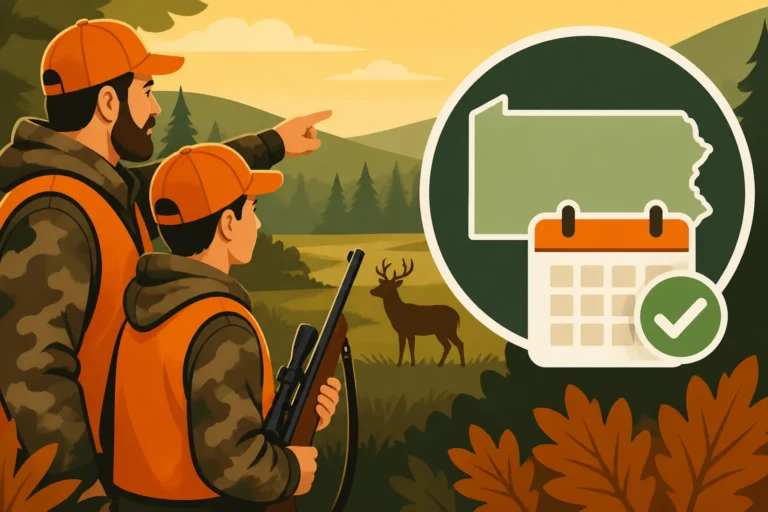
For mentored youth, they must also adhere to the orange regulations for the specific season they are hunting. If a child is participating in the regular firearms deer season, they need the same 250 square inches of blaze orange, visible 360 degrees. It's often easier to find appropriately sized vests for youth that meet this standard. The adult mentor also needs to be in full compliance with the orange requirements. This dual visibility adds an extra layer of safety for both the experienced hunter and the novice.
The same principles apply to mentored adult hunters. If an adult is learning the ropes under a mentor during a mandatory orange season, they too must display the required amount of fluorescent orange. Clear communication within the hunting party about these rules is essential for a safe and enjoyable experience for everyone.
Safety Beyond the Orange: Best Practices for Visibility
While meeting the legal hunter orange requirements is paramount, true safety goes beyond simply ticking a box. It's about cultivating a mindset of proactive visibility and understanding how your actions in the woods affect how others perceive you.
The 360-Degree Rule and Static vs. Moving
Let's really dig into the "visible 360 degrees" aspect. This isn't just a suggestion; it's a critical component of the regulation. Imagine you're standing in the middle of a field. From any direction, a hunter should be able to identify you as another human, thanks to your blaze orange. This becomes tricky in dense woods. If you're leaning against a large oak or sitting in a thick rhododendron patch, parts of your body, and thus your orange, might be completely obscured from certain angles.
When still-hunting or moving slowly, try to pick routes that keep your orange as visible as possible. If you decide to sit down, especially in heavy cover, be aware of what's behind you, to your sides, and above you. Many accidents happen because a hunter only thinks about visibility from the front or back.
The distinction between "static" and "moving" is particularly relevant for turkey hunters, as we've discussed. During Spring Gobbler Hunting in Pennsylvania or fall turkey seasons, you can remove your orange while set up to call. This allows you to blend into your surroundings, which is crucial for turkey hunting success. However, the instant you decide to shift positions, walk a few yards, or pack up to leave, that 100 square inches of orange must go back on. This momentary lapse is often where hunters get into trouble, forgetting to re-don their orange for what they perceive as a "short move."
Choosing Quality Orange and What to Avoid
Not all blaze orange is created equal. The quality of the material can significantly impact its visibility and durability.
- Fluorescent Orange vs. Regular Orange: Pennsylvania regulations specify "fluorescent orange." This isn't just any bright orange; it's a specific shade designed to be highly visible in various light conditions, especially in the low light of dawn and dusk, or against natural forest colors. Avoid opting for standard orange clothing that might not have the same reflective or luminous properties.
- Material and Fade: Over time, cheap orange material can fade, reducing its effectiveness. Invest in quality gear that will hold its color through seasons of use and washes. Dirt, mud, and blood can also drastically reduce visibility, so keeping your orange clean is another small but important detail.
- Camouflage Patterns with Orange: While some camouflage patterns incorporate small patches of blaze orange, these often do not meet the 250 square inch requirement or the 360-degree visibility rule during mandatory seasons. These are generally better suited for non-mandatory orange seasons where you want some visibility but still need to break up your outline. For firearms deer or bear season, always opt for solid blaze orange to ensure full compliance.
Remember, the goal of hunter orange is to make you unequivocally identifiable as a human hunter to other humans, not to look like game. Your safety in the woods is paramount, and wearing the correct amount of high-quality, visible hunter orange is one of the easiest ways to ensure you come home safely after a day of hunting. Don't leave it to chance.
Pennsylvania Hunter Orange Requirements by Season
To simplify things, here's a quick reference table summarizing the hunter orange requirements for various Pennsylvania hunting seasons. This should help clear up when, where, and how much orange you need to wear.
| Season Type | Hunter Orange Requirement | Notes |
|---|---|---|
| Firearms Deer (General) | 250 square inches of fluorescent orange material, visible 360 degrees, worn on the head, chest, and back combined. | Mandatory for all hunters during the regular firearms deer season, including the early November opener and the Pennsylvania's Uninterrupted Firearms Season. This rule applies whether you're actively hunting, still-hunting, or posted on a drive. |
| Archery Deer (General) | None required. | No mandatory orange during early or late archery seasons. However, it's highly recommended to wear orange when walking to and from your stand, especially on public land or during times when other seasons (like small game) might be open. Check out tips for Bowhunting Pennsylvania's October Archery Season. |
| Black Bear (Firearms) | 250 square inches of fluorescent orange material, visible 360 degrees, worn on the head, chest, and back combined. | Mandatory during the firearms bear season. This applies to all participants, including those involved in Bear Drives in Pennsylvania. |
| Small Game (e.g., Pheasant, Rabbit, Grouse) | 250 square inches of fluorescent orange material, visible 360 degrees, worn on the head, chest, and back combined. | Mandatory for hunters of species like pheasants, grouse, rabbit, and squirrel. This is crucial as these seasons often overlap with deer seasons. When Grouse Hunting Pennsylvania Cover, ensure your orange is visible through thick brush. You'll often be actively walking during Small Game Hunting in Pennsylvania, making this orange even more vital. |
| Fall Turkey | 100 square inches of fluorescent orange material required while moving. No orange required while stationary (sitting, calling). Once you begin moving again, orange must be displayed. | This is a key distinction. When moving through the woods for Fall Turkey Hunting in Pennsylvania, you need orange. Once you set up to call or sit, you can remove it. Ensure it's easily accessible to put back on. |
| Spring Gobbler | 100 square inches of fluorescent orange material required while moving. No orange required while stationary (sitting, calling). | Similar to fall turkey, you need orange when moving between setups for Spring Gobbler Hunting in Pennsylvania, but not while hidden and calling. |
| Predator/Furbearer | None required (except during concurrent big game seasons where it might be required for that specific big game species). | While not mandatory for predator hunting, always exercise extreme caution. If you are Coyote Calling in Pennsylvania Winter, be mindful of other hunters in the woods, especially during overlapping small game or late deer seasons. |
| Waterfowl | None required. | Waterfowl hunting typically does not require orange due to the nature of hunting from blinds or concealment. However, on public access points or shared areas, consider wearing orange to and from your blind. Learn more about Waterfowl Hunting on Pennsylvania Waters. |
| Late Antlerless/Flintlock | 250 square inches of fluorescent orange material, visible 360 degrees, worn on the head, chest, and back combined. | These later deer seasons often have overlapping small game opportunities, and cold weather means many layers are worn. Even during the Hunting the Pennsylvania Rut in November when hunter density is high, your orange is crucial. Always maintain maximum visibility. |
Disclaimer
Please note that hunting regulations, including those pertaining to hunter orange, can change. While every effort has been made to provide accurate and up-to-date information, it is the hunter's responsibility to review the current Pennsylvania Game Commission Digest for the most current and complete regulations before heading afield.