Hunting the Early Archery WMUs in September
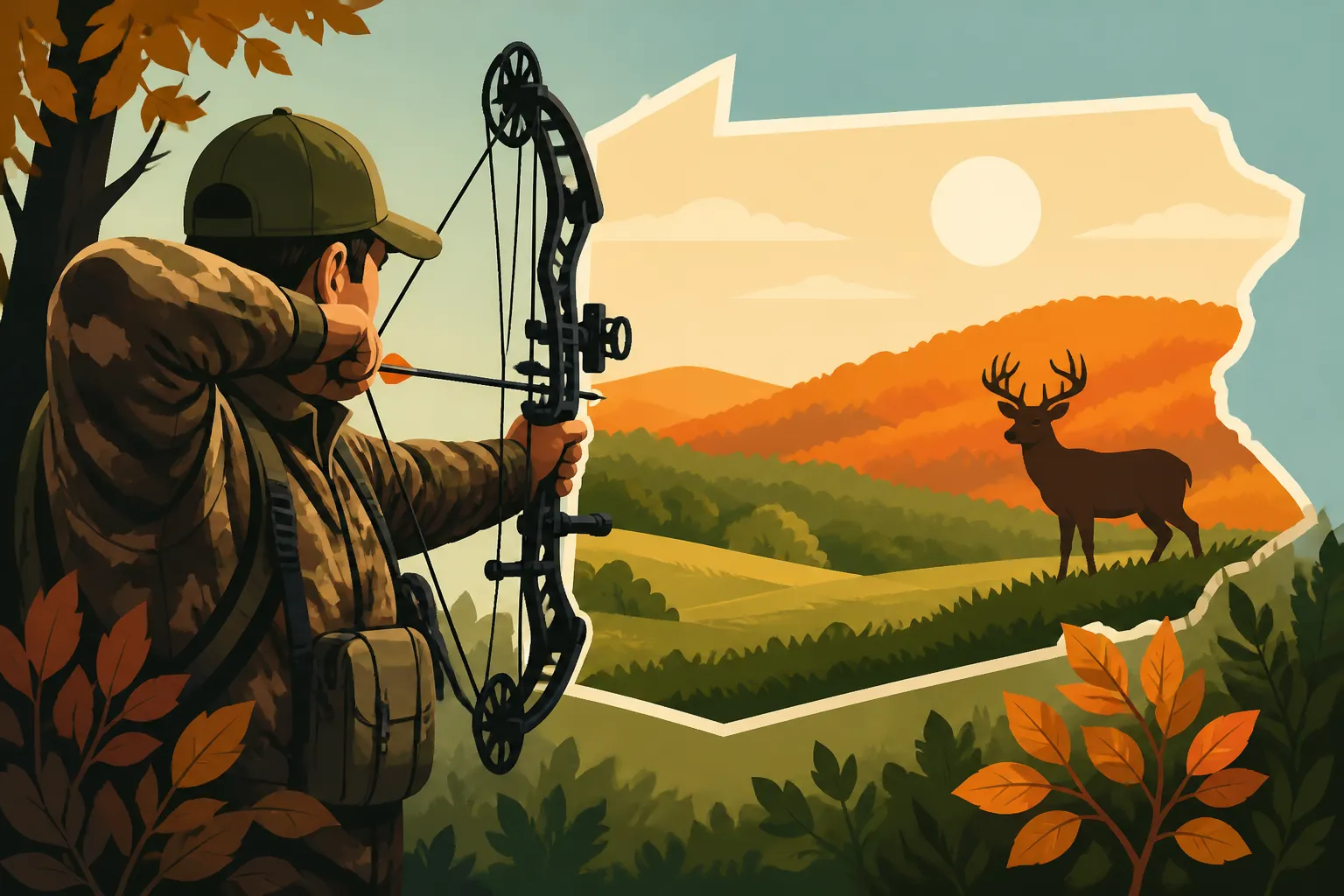
The crisp air of autumn feels like a distant dream when the Pennsylvania archery season kicks off for many of us, especially those with tags in the early September WMUs. It's a challenging time, a real mental and physical test, as you navigate lingering summer heat, dense foliage, and deer still clinging to their predictable summer patterns. This guide is here to help you unravel the mysteries of hunting those first few weeks, offering strategies to make your early season successful and less frustrating.
Understanding Pennsylvania's Early Archery Opener
For many hunters across Pennsylvania, archery season traditionally starts in early October, coinciding with cooler weather and the beginnings of the rut. However, a select number of Wildlife Management Units (WMUs) get a special head start, opening in mid-September. This earlier opener can be a fantastic opportunity if you know how to adapt your strategies to the unique conditions.
Which WMUs Get the Early Start?
It's crucial to know your WMU boundaries and opening dates like the back of your hand. The Pennsylvania Game Commission (PGC) designates specific WMUs for this earlier start, primarily those that can sustain higher deer harvest numbers or have particular management goals. Historically, these have often been WMUs in the southeastern part of the state, areas with more agricultural land, less public hunting pressure (comparatively speaking), and often higher deer densities. Always double-check the current year's hunting regulations, as these things can shift. For the most up-to-date information, consulting the PGC's official digest or a reliable mapping tool like GoHunt can save you a lot of headaches and ensure you're hunting legally. Without naming specific WMUs for this year, know that these typically include some of the WMU 2 and WMU 5 series, reflecting areas with more fertile ground and robust deer populations. You can always refer to resources like our guide on Which WMUs Open Archery in September for precise details.
Why These WMUs Are Different
The reasons behind the early opener in these specific WMUs are rooted in deer management. Areas with a higher deer population density, often found in agricultural regions or suburban fringes, can sustain an earlier, longer archery season without negatively impacting the overall herd health. The PGC uses these longer seasons to help manage deer numbers, mitigate crop damage, and reduce deer-vehicle collisions. These WMUs often have abundant food sources year-round and less expansive "big woods" habitat, which means deer movement patterns can be different from those in traditional mountain country. This means that while some might be enjoying the full swing of Bowhunting Pennsylvania's October Archery Season, you'll be dealing with very different deer behavior.
Key Dates and Regulations
The early archery opener typically falls in the second or third Saturday of September, running for about two weeks before the statewide archery season begins. During this early period, the regulations regarding antlered and antlerless deer harvests are generally the same as the later statewide opener. You'll need your general hunting license and the appropriate WMU-specific antlerless deer license if you plan to harvest a doe. Understanding the full Pennsylvania Archery Deer Season Structure is vital, as are the specifics around Pennsylvania Antlerless Deer Licences Explained. Don't just assume; always confirm legal shooting hours, antler point restrictions (which can vary by WMU), and tagging requirements. This early season also means dealing with specific requirements for hunter orange when moving around on public land, even if you don't need it while on stand during archery.
The Unique Challenges of Early September Archery
Hunting in mid-September in Pennsylvania isn't like those picture-perfect October days with crisp leaves and rutting bucks. It presents its own set of hurdles that demand different strategies and a patient mindset.
Hot Weather and Scent Control
September in Pennsylvania can still feel like summer. Temperatures often soar into the 70s and sometimes even 80s, especially in the early afternoon. This heat isn't just uncomfortable for you; it significantly impacts deer movement and, perhaps more critically, your scent signature. Deer are largely nocturnal or crepuscular during warm weather, moving mostly in the cooler hours of dawn and dusk. Your scent, amplified by sweat, will hang in the still, warm air for much longer. This makes impeccable scent control absolutely paramount. Shower with scent-free soaps, wash your hunting clothes in scent-free detergent, and store them in airtight containers. Dress in lightweight, breathable layers that wick moisture away from your body. Consider walking in with minimal layers and putting on your outer garments once you've cooled down near your stand location. Even then, plan shorter hunts, focusing on the first hour or two of daylight and the last couple of hours before dark. Dragging a deer out in this heat is another challenge; make sure you have a plan for immediate field dressing and cooling.
Dense Foliage and Limited Visibility
Another significant hurdle during the early opener is the sheer density of green foliage. Trees and undergrowth are still fully leafed out, creating a visual barrier that can make spotting deer incredibly difficult. This limits your shooting lanes and reduces your effective range. A deer might be only 30 yards away, but you might only see a small patch of hide. This calls for extremely careful stand placement, identifying natural funnels and pinch points where deer are forced to move predictably. You’ll need to do some selective trimming around your stand for clear shooting lanes before the season, but be mindful of rules if you're on public land like State Game Lands or State Forests. The dense cover also means deer have an easier time slipping by undetected, so being extra vigilant and patient is key.
Deer Behavior in Early Fall
Deer in early September are still largely in their summer patterns. Bachelor groups of bucks might still be together, and does will be with their fawns. Their primary focus is food and security. The rut is a long way off, so you won't be seeing much scraping, rubbing, or aggressive buck behavior. Instead, you'll want to key into agricultural fields—like alfalfa, soybeans, and especially standing or cut cornfields—and early mast crops. Soft mast, such as apples, pears, and wild berries, can be irresistible to deer, as can early dropping white oak acorns. This is where your scouting from late summer really pays off. Deer will often bed close to these food sources, moving out to feed in the cooler hours. They're still relatively predictable if you can locate their preferred food and safe travel corridors. Knowing Hunting a Standing Cornfield in Farm Country can give you a real edge during this period.
Scouting Strategies for September Success
You simply cannot overstate the importance of pre-season scouting for the early archery opener. This isn't the time to wander around hoping to stumble onto a hot sign. Successful early season hunting hinges on understanding specific deer movements between bedding and feeding.
Locating Summer Food Sources
The first step in effective early season scouting is identifying what deer are eating. In many of the early-opener WMUs, agricultural fields are king. Look for alfalfa, clover, soybeans, and corn. Even cut cornfields can offer residual nutrition. Beyond agriculture, shift your focus to natural food sources. Soft mast like wild apples, pears, persimmons, and especially early dropping white oak acorns can be magnets for deer. These early acorns often drop before the bulk of the red oak crop, making them a prime, sought-after food. Spend time glassing field edges from a distance in the evenings or walking quiet logging roads through mature timber in the mornings, looking for fresh droppings and disturbed ground under mast trees. Using detailed mapping apps like GoHunt can help you identify potential agricultural areas, timber types, and access points without disturbing the deer. This kind of diligent reconnaissance is crucial for Scouting Pennsylvania Public Land Before Season.
Finding Bedding Areas Near Food
Once you've pinpointed key food sources, your next mission is to locate the bedding areas deer are using in relation to that food. During the hot, early season, deer often bed closer to their primary food sources to minimize travel during daylight hours. Look for dense cover, thickets, brushy creek bottoms, or north-facing slopes that offer shade and a thermal advantage. In farm country, this might mean dense hedgerows, small woodlots, or CRP fields. In more timbered areas, consider thick clearcuts or areas of dense mountain laurel. When you find fresh tracks, droppings, and matted-down vegetation, you're on the right track. Remember, a deer's core objective is to get from its bed to its food and back with minimal exposure. Your job is to intercept that movement. Often, these bedding areas will be on higher ground or benches that allow deer to use Wind and Thermals on a Ridge to their advantage.
Trail Camera Tactics for Pre-Season Intel
Trail cameras are invaluable tools for early season scouting, but they need to be deployed strategically. Set them up along transition lines between suspected bedding and feeding areas, on trails leading into prime food sources, or near specific mast trees that are actively dropping. Pay close attention to prevailing winds when placing cameras to avoid leaving excessive scent. In early September, focus on getting consistent photos during legal shooting hours. If you're only getting nighttime pictures, the deer are likely moving too late or too early, and you'll need to adjust your setup or target a different location. Don't be afraid to move cameras frequently based on new intel, especially if food sources change or dry up. Consider using a mapping platform like GoHunt to mark camera locations and analyze deer movement patterns relative to wind direction and time of day. This intelligence gathering is vital for confirming deer patterns before you ever step foot into your stand.
Effective Stand Setups and Hunting Tactics
With your scouting done and deer patterns identified, it's time to think about execution. How you set up and hunt during the early archery season needs to account for the weather and foliage conditions.
Adapting to Foliage: Ground Blinds vs. Treestands
The thick canopy and undergrowth of September require careful consideration for your stand setup. Treestands offer a height advantage, helping you see over some of the lower brush and allowing your scent to dissipate higher. However, finding a tree that offers sufficient concealment while also providing clear shooting lanes can be a challenge. You might need to trim more branches than you would later in the season (again, check public land rules!). Climbing sticks and a saddle or portable hang-on stand offer flexibility to adapt to the best tree. On the other hand, a well-placed ground blind can be incredibly effective in dense cover, particularly along field edges or in thick creek bottoms. A pop-up blind brushed in effectively can offer excellent concealment and can be set up in areas where suitable trees for treestands are scarce. For tips on deployment, consider our post on Using a Ground Blind on Pennsylvania Game Lands. The key is to ensure your chosen setup, whether elevated or on the ground, melts into the environment and allows for clear shots at anticipated deer travel routes.
Playing the Wind in Unpredictable September
Wind direction and thermals are always important for deer hunting, but they take on a heightened significance in the early season. Warmer temperatures often mean less consistent winds, and thermals can be more pronounced, especially in hilly terrain. Early mornings will see cold air sinking, carrying your scent down into valleys and hollows. As the sun rises and heats the ground, thermals will reverse, pushing your scent uphill. You absolutely must position yourself so that your scent isn't blowing towards known bedding or feeding areas, or into travel corridors. This might mean adjusting your entry and exit routes significantly, even if it adds extra walking. Always have multiple stand locations for different wind directions, or be prepared to change your plans if the wind shifts unexpectedly. Even a light breeze can carry your scent further than you think in the still, humid September air, making Scent Control on Small Pennsylvania Tracts crucial.
Still-Hunting and Stalking in Thick Cover
While stand hunting is often the preferred method for archery, the dense foliage of early September can make still-hunting or carefully stalking an effective tactic, especially if you're targeting a specific buck you've patterned. The cover that hinders visibility for you also provides concealment for your movement. Move incredibly slowly, taking only a few steps, then pausing to glass and listen for several minutes. Use natural contours, thickets, and even standing corn to break up your silhouette. Focus on areas with good visibility within the dense cover, like natural openings or game trails. This method requires extreme patience, stealth, and an intimate knowledge of the terrain and deer behavior. It's often best suited for mid-day, when deer might be bedded but still active enough to shift slightly, offering a brief window. You really need to become part of the woods to pull this off successfully in such thick conditions.
Dealing with Post-Harvest Challenges
Congratulations, you've connected with a deer during the early September archery season! Now comes the next set of challenges, particularly related to the warm weather. Proper handling is critical to ensure your venison is top-notch.
Meat Care in Warm Weather
One of the biggest concerns with an early season harvest is preventing spoilage in warm temperatures. Unlike the late fall or winter, bacteria can multiply rapidly. The absolute priority is to cool the carcass as quickly as possible. This means field dressing immediately after the shot, even if you have to track the deer a bit. Removing the entrails allows the body cavity to begin cooling. If the temperatures are high (say, above 50°F), consider skinning the deer in the field if you're able to transport it out quickly and safely. The hide acts as an insulator, trapping heat. If you're on public land, this might require some logistical planning. Having a game cart or sled can make a world of difference for extracting your deer, minimizing the time it sits on warm ground.
Preventing Spoilage
Beyond immediate field dressing, you need a plan for continued cooling. If you have a long drag or drive home, bring plenty of ice. Fill the body cavity with ice bags (frozen water bottles work well too and don't make a mess as they melt). If you can quarter the deer in the field, it significantly reduces cooling time and makes transport easier. Place quarters in game bags immediately and pack them in coolers filled with ice. Never let meat sit in standing water within a cooler; use a raised grate or drain the water frequently. Get the meat to a processor or into your own cold storage as quickly as humanly possible, ideally within a few hours. Reviewing guides like Coolers and Game Bags for Warm Openers from our Gear & Optics section can provide excellent tips on what to bring to the field.
Reporting and Tagging Your Harvest
Pennsylvania has specific, non-negotiable requirements for tagging and reporting your deer harvest, regardless of the season. After harvesting your deer, you must immediately fill out your harvest tag (which is part of your hunting license) with the correct information – date, time, WMU, antler points (if applicable), and sex of the deer. This tag must be securely attached to the deer's ear and remain there until the deer is processed for consumption or taxidermy. Within 24 hours of harvesting, you are legally required to report your deer through the Pennsylvania Game Commission's online harvest reporting system, by phone, or by mail. Failure to properly tag and report your harvest can result in fines and loss of hunting privileges. Always be meticulous with these steps. Our guide on Pennsylvania Deer Tagging Requirements offers a detailed walkthrough.
Disclaimer
Please remember that hunting regulations and season dates can change annually. Always consult the official Pennsylvania Game Commission Digest for the current year before planning any hunt. This article is intended for informational purposes only and does not supersede official regulations.