Cooking Venison From a Pennsylvania Buck
So, you’ve put in the time, braved the Pennsylvania woods, and finally brought home a buck. Congratulations! That feeling of accomplishment is incredible, but now you're faced with the next crucial step: turning that hard-earned venison into something truly delicious. Too many folks get intimidated, fearing a "gamey" taste, and end up relegating their venison to chili meat. This guide is here to walk you through how to properly prepare and cook your Pennsylvania buck, ensuring every meal is a testament to your hunting success.
From Field to Fork: Essential Initial Meat Care
Let's be real, the quality of your venison starts the moment that buck hits the ground. Improper field care is the number one reason people end up with "gamey" meat, and it's a frustration many new (and even seasoned) hunters face. Getting the animal cooled down quickly and cleanly is paramount, especially during those early season hunts when temperatures can still be quite warm.
Rapid Cooling and Field Dressing Techniques
The clock starts ticking the second you tag your deer. Heat is the enemy of good venison. If you've been lucky enough to harvest a buck during the warmer days of early archery season, you know the urgency. You need to get that internal temperature down fast to prevent bacterial growth that leads to off-flavors. Field dressing immediately is non-negotiable. Don't drag the deer for miles before you gut it if you can avoid it; get it done where it lays, or as close as possible. Open up the body cavity completely, making sure to sever the windpipe and esophagus to remove everything thoroughly. Some hunters even bring a small bag of ice to place inside the cavity if they have a long recovery or warm temperatures.
For those long hauls out of a deep hollow, after you've field dressed, prop the cavity open with a stick to allow air circulation. If you're on public land, especially rugged State Game Lands, you might find yourself in for a serious workout, so every minute counts. Once you get it back to the truck, transport it to a cooler location or straight to your processor. If you're going to hang it, ensure the temperature is consistently between 34-40°F (1-4°C). Many folks find it challenging to maintain ideal temperatures if they don't have a dedicated cooler, validating that frustration of not having the perfect setup right away. This is where strategic planning, perhaps even scouting locations near your hunting grounds that offer processing services, becomes invaluable.
The Art of Aging Your Venison
Aging is a game-changer for venison tenderness and flavor, and it's a step often skipped by those new to processing their own deer. Think of it like a good steak – it benefits from some time to let enzymes naturally break down muscle fibers, making it more tender. You can typically age venison for anywhere from 5 to 14 days, depending on the temperature and humidity. Ideal conditions for aging are a consistent temperature of 34-37°F (1-3°C) and around 80-85% humidity. This is easier said than done without a walk-in cooler.
If you don't have access to a controlled environment, dry aging whole carcasses is probably not for you. That's okay! Many hunters opt for "wet aging," which means butchering the deer, vacuum-sealing the individual cuts, and letting them age in the refrigerator. This method is much more accessible for the home processor. Even 3-5 days in a vacuum-sealed bag in your fridge can make a noticeable difference. The key is to keep it clean and cold. A lot of the gear discussion often centers around optics or rifles, but really, having good Coolers and Game Bags for Warm Openers can significantly impact the final quality of your venison.
Mastering the Cuts: Butchering Your Buck for the Kitchen
Once your buck is properly cooled and potentially aged, the next big step is breaking it down. This is where you really start to see the potential for delicious meals. Many hunters take their deer to a local butcher, and that's perfectly fine, but learning to Butchering a Deer at Camp yourself can be incredibly rewarding and give you more control over your cuts.
Identifying Prime Cuts and Stew Meats
A Pennsylvania buck, especially a healthy one harvested from good habitat with ample Late-Season Food Sources for Whitetails, will yield a fantastic array of cuts. The two backstraps (also known as loins) running along the spine are the crown jewels – incredibly tender and versatile. The inner loins, or tenderloins, are small but melt-in-your-mouth delicious and often the first thing you cook after a successful hunt. These should be kept as whole roasts or steaks.
Beyond these prime cuts, you have the four large hindquarter muscles (rounds) and the shoulder roasts. The hindquarters are excellent for larger roasts, steaks, or even cutlets. The shoulders, while leaner, have more connective tissue and are often best suited for slow cooking or grinding. Don't forget the neck! It's often overlooked, but a slow-cooked neck roast can be incredibly flavorful and tender. For any remaining scraps or tougher pieces, trim them for stew meat or grinding. This systematic approach ensures you utilize as much of the animal as possible, respecting the life taken.
| Venison Cut | Ideal Cooking Method | Notes |
|---|---|---|
| Backstraps/Loins | Quick-searing, grilling, pan-frying, roasting | Most tender; best cooked rare to medium-rare. |
| Tenderloins | Quick-searing, pan-frying | Incredibly tender; very quick cook time; often reserved for immediate use. |
| Hindquarter Roasts | Roasting (slow), braising, cut into steaks/cutlets (marinate) | Lean, can be dry if overcooked; benefits from low-and-slow methods. |
| Shoulder Roasts | Braising, slow-cooking (stews, pot roasts), grinding | More connective tissue; needs moisture and long cooking to become tender. |
| Neck Roast | Slow-roasting, braising, stewing | Highly flavorful; excellent for shredded meat. |
| Ground Venison | Burgers, chili, tacos, meatloaf, sausage | Versatile; usually mixed with a fattier meat (pork) for best results. |
| Stew Meat | Braising, stews, slow-cooker recipes | Cut from tougher, leaner sections; needs long cooking. |
Trimming and Fat Removal
This is perhaps the most critical step for avoiding that "gamey" flavor. Venison fat, unlike beef or pork fat, has a waxy texture and a very strong, distinct flavor that most people find unappealing. You need to remove all of it. I mean every speck. Any silver skin, tendons, or fascia should also be trimmed off. These bits can be tough and shrink when cooked, making your meat chewy. Take your time, use a sharp boning knife, and be meticulous.
Many hunters use mapping tools, like the ones you find on GoHunt, to identify promising areas for deer activity, helping them locate healthy, well-fed deer. A well-fed deer often has better meat quality, but even then, the fat must go. Don't be shy about cutting away anything that isn't lean, red muscle. This is where your patience pays off, transforming potential frustration into culinary triumph. After trimming, you can decide whether to immediately portion, package, and freeze your meat, or proceed with wet aging as discussed earlier.
The Art of Cooking Venison: Recipes and Techniques
Now for the fun part! You've successfully hunted, processed, and prepared your venison. It's time to unleash its delicious potential in the kitchen. The biggest mistake people make with venison is treating it like beef, especially when it comes to cooking temperatures.
Cooking Temperatures and Avoiding Dryness
Venison is incredibly lean, which means it cooks much faster than beef and can dry out quickly if overcooked. This is a common pitfall. The sweet spot for backstraps and tenderloins is rare to medium-rare – we're talking an internal temperature of 125-135°F (52-57°C). Anything beyond medium (140°F/60°C) and you risk tough, dry meat. It's okay to still see some pink! For ground venison or stew meat, where you're cooking it through, you'll rely on moisture from other ingredients or braising liquid.
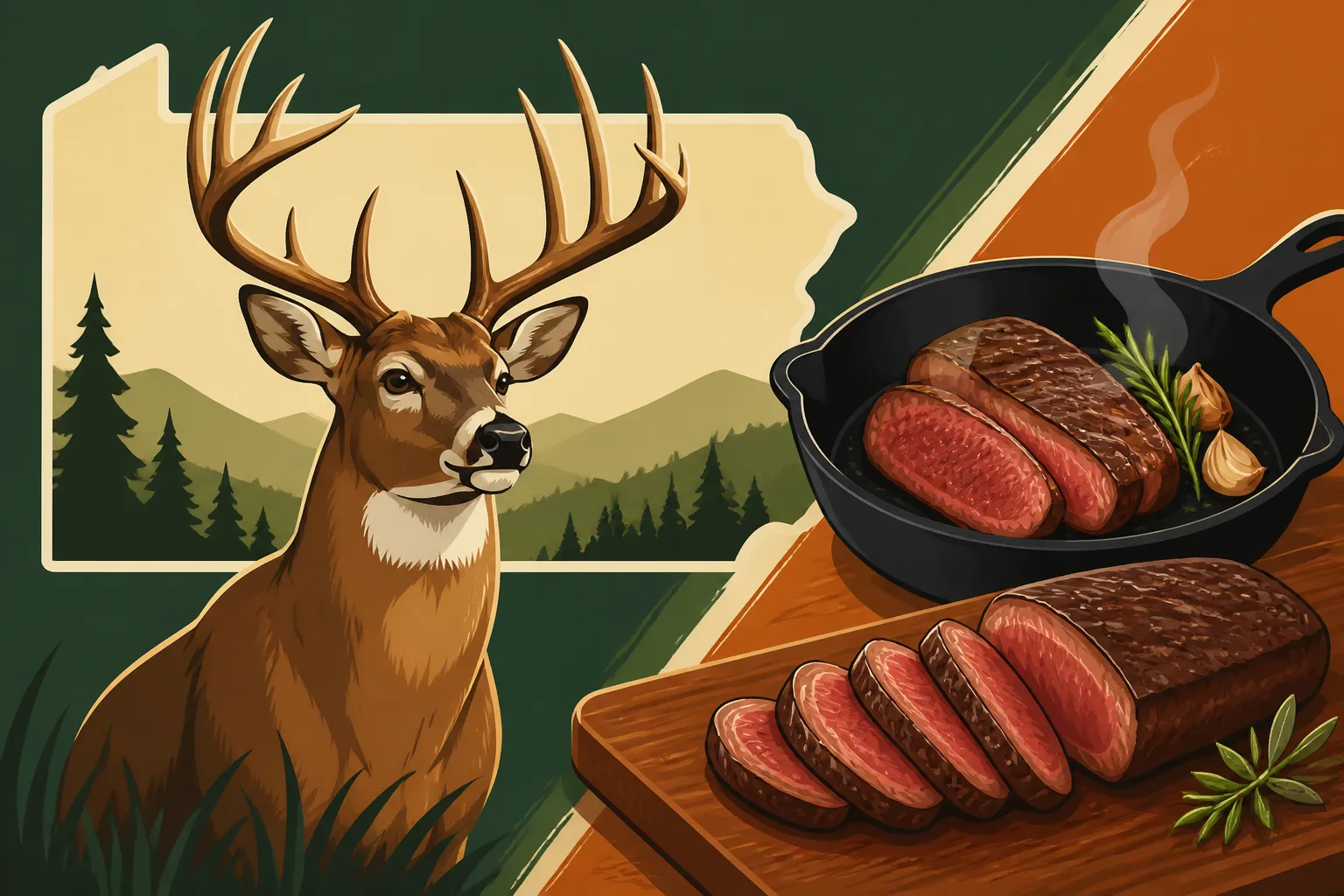
To combat dryness with prime cuts, quick, high-heat cooking methods are your friend: searing in a hot cast-iron pan, grilling, or broiling. For roasts, consider wrapping them in bacon or prosciutto to add a layer of fat and moisture. When you're making a delicious Cooking Venison From a Pennsylvania Buck dish, a good meat thermometer is an indispensable tool. It takes the guesswork out and ensures you hit that perfect doneness every time.
Marinades, Seasonings, and Flavor Pairings
Given its lean nature, venison often benefits from marinades, not just for flavor but also for tenderness, especially with tougher cuts. Acidic marinades (vinegar, lemon juice, wine) help break down muscle fibers, while oil-based marinades add moisture. Don't overdo the marinating time; 2-4 hours is usually sufficient for tender cuts, while tougher cuts like shoulder roasts or stew meat can go overnight.
When it comes to seasonings, venison pairs beautifully with robust, earthy flavors. Think juniper berries, rosemary, thyme, garlic, black pepper, and bay leaves. Smoked paprika, sage, and a hint of cayenne can also elevate the flavor profile. Some traditional pairings for venison also include fruit sauces, like a reduction with cranberries, cherries, or even apples, which balance the richness of the meat. Don't be afraid to experiment! Whether you're enjoying the camaraderie around Pennsylvania Deer Camp Traditions or a quiet meal at home, the right seasoning makes all the difference.
Beyond the Backstrap: Creative Venison Recipes
While backstraps get all the glory, your Pennsylvania buck offers a bounty of culinary possibilities. Don't limit yourself to just steaks; there are so many ways to enjoy every ounce of that hard-won meat.
Hearty Stews, Chili, and Slow-Cooker Delights
The tougher cuts, like shoulder and neck meat, truly shine in slow-cooked dishes. These methods break down collagen, transforming chewy cuts into incredibly tender, flavorful meals. A classic venison stew, simmered low and slow with root vegetables, rich broth, and aromatic herbs, is pure comfort food. Venison chili is another crowd-pleaser, perfect for feeding a group after a long day in the field, perhaps even when you're Hunting the Second Week of Rifle Season.
Using a slow cooker or Dutch oven is a fantastic way to handle these cuts. For example, a venison pot roast, braised in red wine with onions, carrots, and potatoes, can be unbelievably tender. Ground venison is a versatile ingredient for chili, tacos, lasagna, or even meatloaf. Remember to add some fat when grinding your venison, typically 10-20% pork fat, bacon, or beef suet, to improve moisture and texture, as venison is so lean on its own.
Venison Burgers, Jerky, and Sausage
Who doesn't love a good burger? Venison burgers are a fantastic way to use your ground meat. Again, mixing in a bit of pork or beef fat will make for a juicier, more flavorful patty. Experiment with different seasonings – a touch of Worcestershire, garlic powder, onion powder, and black pepper works wonders. Many GoHunt users share their favorite camp recipes, and venison burgers are always a hot topic!
For those who love to snack, venison jerky is a time-honored tradition. Sliced thin, marinated in a flavorful brine, and then dehydrated or slow-baked, jerky is a perfect way to preserve some of your harvest for on-the-go fuel during future hunts. If you're feeling ambitious, making venison sausage is another excellent option. Whether it's breakfast sausage, Italian sausage, or even smoked summer sausage, blending venison with pork and a carefully selected spice mix creates incredible results. These methods ensure that even the smaller scraps and trimmings find a delicious purpose, making your harvest truly sustainable.
Disclaimer
Please remember that hunting regulations, seasons, and local processing guidelines can change. Always consult the official Pennsylvania Game Commission website or current hunting digest for the most up-to-date and accurate information before heading afield or processing your harvest. While this guide offers comprehensive advice, individual experiences may vary.