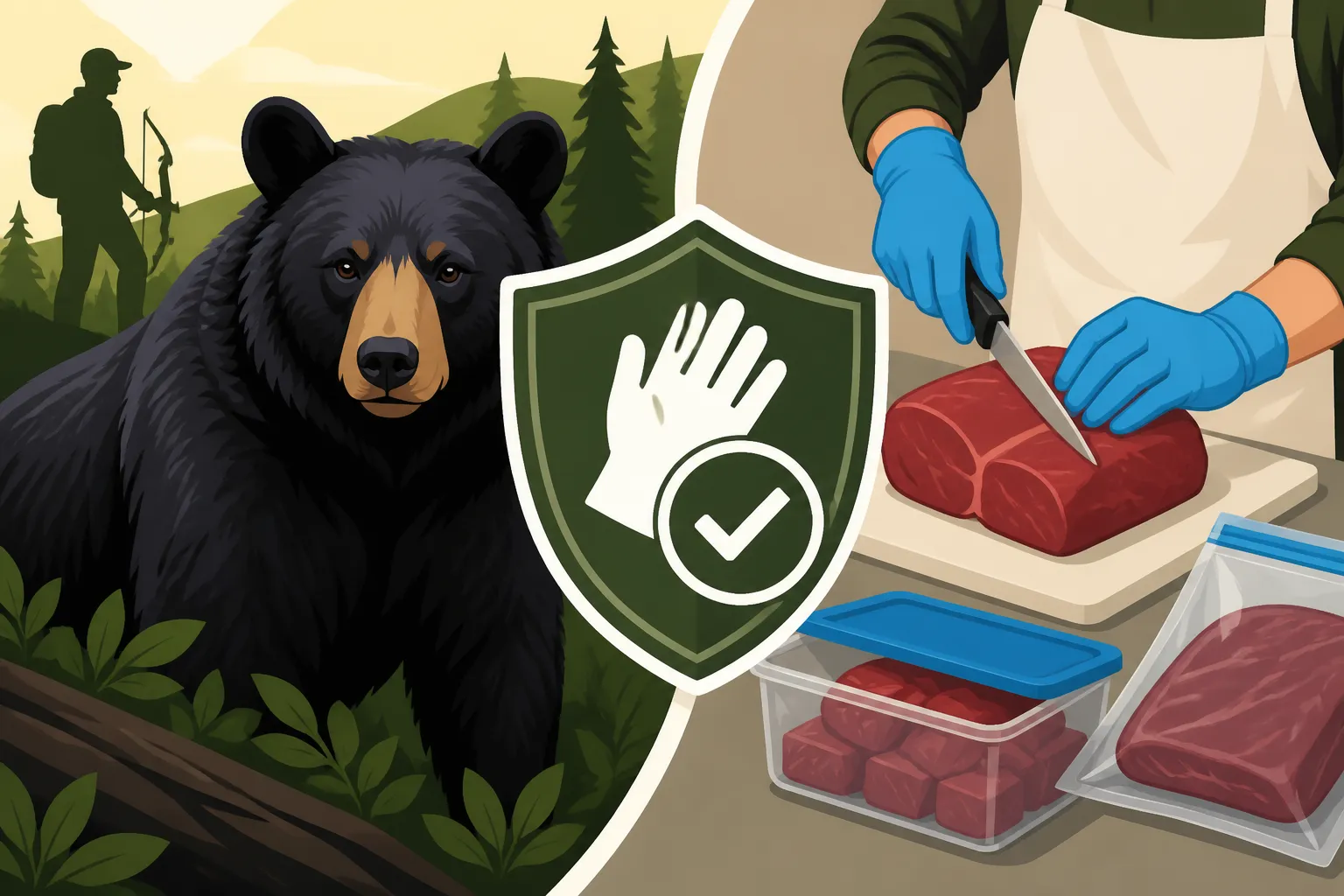
Handling Bear Meat Safely
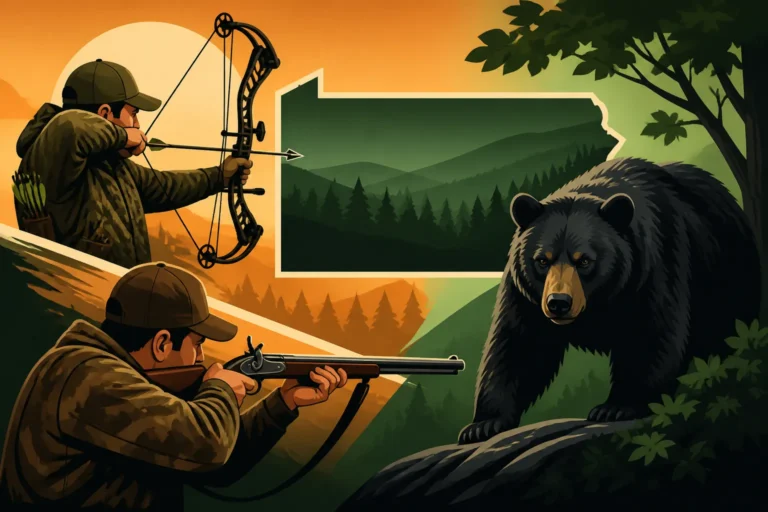
You've just put in the hard work, made a great shot, and now you're standing over a magnificent Pennsylvania black bear. The adrenaline is pumping, but a whole new challenge immediately begins: handling that valuable meat safely and ensuring it makes it from the woods to your plate in the best possible condition. Unlike deer, bear meat comes with its own unique set of considerations, from size to specific parasites, and misunderstanding these can quickly ruin your harvest or, worse, make you sick. This guide will walk you through every critical step, from field dressing to freezer, to guarantee your bear meat is both delicious and safe for your family.
The Unique Challenges of Bear Meat Handling
Let's be honest, field dressing a deer is one thing, but a bear is a different beast entirely. They're often larger, their fat content is distinct, and there's one significant parasitic concern that absolutely cannot be overlooked. Ignoring these unique aspects can lead to a less-than-ideal culinary experience or, more seriously, health risks.
Understanding Trichinella Parasites
This is probably the most crucial point when it comes to bear meat: the very real threat of Trichinella spiralis, commonly known as trichinosis. While it's rare to contract it from commercially processed pork these days, wild game, especially bears, boars, and other omnivores, can carry these microscopic parasitic worms. If infected meat is consumed undercooked, these larvae can invade human muscle tissue, causing severe illness, and in rare cases, even death.
The key takeaway here is absolute diligence in cooking. There's no shortcut. Unlike some game that can be enjoyed rare or medium-rare, bear meat must be cooked to a specific internal temperature to ensure any present trichinella larvae are destroyed. Even though not every bear carries these parasites, it's impossible to tell by looking, so you must assume every bear is a carrier and cook accordingly. This isn't a risk worth taking, and thankfully, it's easily mitigated with proper cooking.
Dealing with Bear Fat and "Boar Taint"
Another significant difference between bear and deer is the fat. Deer fat, particularly when cold, tends to be waxy and can have a distinct flavor, which is why many hunters trim it aggressively. Bear fat is often softer, more greasy, and can sometimes carry a very strong, gamey flavor that many find unappetizing. This flavor can permeate the meat if not meticulously removed.
Beyond the general greasiness, older, rutting male bears (boars) can sometimes exhibit what hunters refer to as "boar taint." This isn't specific to bears but can be particularly noticeable in them. It's a strong, musky, sometimes ammonia-like odor and flavor that can make the meat nearly inedible. While not all large boars will have it, it's a possibility, especially during or immediately after the breeding season. The best defense is aggressive fat trimming, careful inspection of the meat for strong odors during processing, and rapid cooling. You can minimize the risk by taking out as much fat as possible during butchering, even if it feels excessive.
The Sheer Volume and Logistics
Let's face it, a mature Pennsylvania black bear can be a substantial animal, often weighing in at 200-400 pounds or more, with some exceeding 600 pounds. Compare that to an average whitetail deer, and you're looking at a significantly larger volume of meat and bone. This sheer size presents immediate logistical challenges in the field.
Field dressing needs to be efficient and swift. Getting the animal cooled down rapidly is paramount to preserving meat quality, especially if you're hunting during the early archery season or the October firearms season when temperatures can still be quite mild. Extracting such a large animal from thick timber or steep terrain can be a monumental task, often requiring multiple people, specialized equipment, or breaking the animal down into more manageable pieces on-site. The larger mass means it holds heat longer, increasing the risk of spoilage if not addressed quickly. The planning involved with bear retrieval, which you might consider using tools like the GoHunt app to pre-scout routes for, is almost as important as the hunt itself.
Field Dressing and Initial Care for Quality Bear Meat
Once your bear is down, the clock starts ticking. The quality of your meat largely depends on how quickly and efficiently you can cool it down and protect it from contamination. This initial care phase is crucial for ensuring a delicious table fare later on.
Rapid Cooling is Critical
For bear meat, rapid cooling isn't just a good idea; it's absolutely essential. Bear carcasses hold a tremendous amount of body heat, and if that heat isn't dissipated quickly, bacterial growth can begin, leading to souring and spoilage. This is particularly true in warmer weather during the October archery or rifle bear season.
As soon as the bear is harvested, get to work. Open the body cavity immediately to allow internal organs to cool. If possible, remove all internal organs quickly. Propping the cavity open with sticks or an improvised spreader helps air circulate. If you're able, skinning the bear in the field further accelerates cooling, though this is a much bigger undertaking than skinning a deer. If temperatures are mild or warm, consider filling the cavity with bags of ice once the organs are removed. This direct contact with ice will draw heat out of the muscle tissue much faster. Even in cold weather, a large bear can retain heat for hours, so don't underestimate the need for swift action. While there are similarities to Field Dressing a Deer in Cold Weather, the sheer mass of a bear amplifies every challenge.
The Gutless Method vs. Traditional Dressing
When faced with a large bear in remote, difficult terrain, you have a couple of options for getting the meat out:
- Traditional Field Dressing: This involves opening the body cavity, removing all internal organs, and then attempting to drag or carry the whole carcass out. While this is standard for deer in accessible areas, for a bear, it's typically only feasible if you have a short drag, plenty of help, or a vehicle access point very close by. Once gutted, you'd still need significant effort to move it. This method ensures the hide stays largely intact if you plan on getting it tanned.
- The Gutless Method: This technique has gained popularity, especially for large animals in steep or remote country, and it's a fantastic option for bears. Instead of gutting, you simply remove the hide and then bone out all the meat from the outside of the carcass. You start by skinning one side, removing the quarters, backstraps, and neck meat. Then, flip the bear and repeat on the other side. This method drastically reduces the weight you need to transport and can be done by a single hunter if necessary, especially if they have quality gear like the ones discussed in Knives and Saws Worth Carrying. You leave the guts and bones behind, significantly easing the pack-out. For navigating difficult terrain, even a deer cart or sled can be difficult with a whole bear; boning it out into game bags is often the most practical solution, particularly if you're deep in an area like the Allegheny National Forest.
No matter which method you choose, cleanliness is paramount. Try to keep hair, dirt, and debris off the meat as much as possible. Bring game bags – large, breathable cloth bags specifically designed for wild game – to protect the meat from flies and contamination during transport. These bags are a non-negotiable item for any bear hunt.
Transporting Your Harvest
Getting a harvested bear from the kill site to your vehicle, and then to a processor or home, can be a monumental undertaking. A truly big bear is often too heavy for one or even two people to drag any significant distance, especially uphill. This is where planning, teamwork, and appropriate gear come into play.
If you opted for the gutless method, you'll be dealing with heavy game bags. A sturdy frame pack is invaluable for carrying these heavy loads, allowing you to make multiple trips if necessary. For traditional field dressing, a heavy-duty game cart, similar to those used for Dragging a Deer Off a Pennsylvania Mountain, can be a lifesaver, but only if the terrain is relatively flat and clear of obstacles. Otherwise, a team of hunters with a dragging sled or even a small ATV (where permitted, like on certain designated trails within State Game Lands) might be your best bet.
Once you have the bear back at your vehicle, the cooling process must continue. If you haven't skinned it yet, do so as soon as possible. Transporting the carcass in the back of a truck, especially if it's not fully cooled, can be problematic. Consider layering the carcass with ice in a large cooler or a heavy-duty tarp-lined bed if the drive is long or the weather is warm. Remember, the goal is to keep that meat as cold as possible until it reaches its final processing destination or you begin butchering yourself. Don't forget, in Pennsylvania, you'll need to know the rules for Getting a Bear to a Check Station before you do anything else!
Processing Bear Meat at Home or with a Butcher
Once you've successfully retrieved your bear, the serious work of turning it into freezer-ready packages begins. Whether you choose to do it yourself or rely on a professional, the focus remains on hygiene, meticulous fat removal, and proper storage.
Butchering for Quality and Safety
Butchering a bear at home is a rewarding experience, but it's more intensive than breaking down a deer. The first and most critical step is meticulous fat removal. Bear fat, as we discussed, can carry a strong flavor, and if you leave it on the meat, that flavor will permeate throughout your cuts. Trim all visible fat, gristle, and silver skin. Don't be shy; even if you think you've trimmed enough, go over it again. This is especially true for older boars where "boar taint" might be a concern.
Once the fat is removed, you can begin to break down the primal cuts. The hindquarters will yield roasts, steaks, and stew meat. The backstraps (loins) are prized cuts, excellent for steaks. The shoulders are often best for grinding or slow cooking. The neck meat, depending on the size of the bear, can also be used for grind or stew. Don't forget the tenderloins, which are small but incredibly tender.
When you're grinding bear meat, consider mixing it with a leaner meat, like pork or beef, at a ratio of 70% bear to 30% pork/beef, or even 50/50. This not only helps with the texture but also balances the flavor. Maintain a clean workspace, using sharp knives and a sturdy cutting board. Regularly sanitize your tools and surfaces throughout the process. Just like Butchering a Deer at Camp, proper sanitation prevents bacterial contamination.
The Importance of Freezing and Packaging
Proper packaging and freezing are vital for preserving the quality of your bear meat and preventing freezer burn. Freezer burn is the bane of any hunter, turning delicious meat dry and flavorless.
- Vacuum Sealing: This is hands-down the best method. A good vacuum sealer removes all air from around the meat, preventing oxidation and freezer burn for extended periods, often up to two years or more. Ensure there are no sharp bone fragments that could puncture the bag.
- Freezer Paper: If you don't have a vacuum sealer, heavy-duty freezer paper is a good alternative. Wrap the meat tightly, ensuring no air pockets, and tape it securely. Then, place these wrapped packages into a heavy-duty freezer bag for an extra layer of protection. This can preserve meat for 6-12 months.
- Labeling: Always label your packages with the type of cut (e.g., "Bear Roast," "Ground Bear"), the date it was processed, and ideally, the WMU or even the specific location of harvest. This helps with inventory and allows you to rotate your stock.
- Flash Freezing: For individual steaks or smaller pieces, flash freezing on a tray before packaging can prevent them from sticking together, allowing you to pull out just what you need.
Properly frozen bear meat, protected from air, can last a long time in a deep freezer. The attention to detail here ensures that the hard work you put in the field translates into quality meals months down the road.
Working with a Professional Processor
For many hunters, especially those who harvest a large bear, utilizing a professional wild game processor is an excellent option. They have the experience, specialized equipment, and cooler space to handle the volume and unique challenges of bear meat.
When choosing a processor, ask specific questions:
- Do they have experience processing bears?
- Are they aware of the trichinella concerns and do they provide advice on safe cooking?
- What are their options for cuts, ground meat, and specialty products like sausage or jerky?
- How do they handle fat trimming?
- What are their turnaround times and pricing?
A good processor will meticulously trim the fat, process the meat into your desired cuts, and package it professionally. Many will offer to make specialty items like bear sausage (often mixed with pork), hot sticks, or jerky. These items are excellent, but always remember that any processed bear meat, including sausage and jerky, must still be cooked to the safe internal temperature of 160°F unless specifically cured in a way that eliminates trichinella. Some processors may use a high-heat, slow-cook process for jerky that reaches this temperature; clarify this with them. For example, a reliable butcher in Elk County who handles elk and bear regularly will be well-versed in these requirements.
Cooking Bear Meat Safely and Deliciously
This is the non-negotiable part. All the careful field dressing, fat trimming, and proper packaging lead to this moment: cooking your bear meat. And when it comes to bear, there's one golden rule that overrides all others.
The Golden Rule: Cook Thoroughly
To reiterate, due to the risk of trichinella parasites, all bear meat MUST be cooked to an internal temperature of at least 160°F (71°C). This temperature is proven to kill any potential trichinella larvae, making the meat safe to eat. There are absolutely no exceptions to this rule. Do not consume bear meat rare, medium-rare, or even medium.
- Use a Meat Thermometer: This is your best friend in the kitchen when cooking bear. Insert it into the thickest part of the meat, avoiding bone, and ensure it registers 160°F. Visual cues like "no pink" are not reliable enough.
- Avoid Undercooking: If you're unsure, cook it a little longer. It's far better to have slightly overcooked but safe bear meat than to risk your health.
- Cooking Methods: Slow cooking, braising, stewing, roasting, and pressure cooking are all excellent methods for bear meat as they ensure thorough cooking over time. Even searing a bear steak should be followed by finishing it in an oven or on a covered grill until it reaches the safe internal temperature.
This isn't just a suggestion; it's a critical safety measure. Every piece of bear meat you cook needs to reach that 160°F mark. You can compare this to Cooking Venison From a Pennsylvania Buck, where deer can be enjoyed at different doneness levels, but bear requires a distinct approach for safety.
Popular Bear Meat Recipes
Once you understand the cooking temperature requirement, bear meat can be incredibly versatile and delicious. It has a rich, savory flavor that is often compared to a cross between beef and pork.
- Roasts: Bear roasts, especially from the hindquarters or shoulder, shine in slow-cooker or Dutch oven preparations. Braise them with root vegetables, broth, and herbs until fork-tender. This method guarantees thorough cooking and moist, flavorful meat.
- Ground Bear: This is perhaps the most versatile form of bear meat. Use it for chili, tacos, meatballs, or mixed with leaner ground meats for burgers. The strong flavor stands up well to robust seasonings. Many hunters find that a mix of bear and pork for sausage is exceptionally good.
- Steaks: While bear steaks need to be cooked well-done, you can still make them tender and flavorful. Marinating them for several hours (or overnight) helps. Sear them quickly on high heat to develop a crust, then reduce the heat or transfer them to a moderate oven to finish cooking to 160°F.
- Stew Meat: Cubed bear meat is perfect for hearty stews. Brown the cubes, then simmer them in a rich broth with vegetables for hours until tender.
- Sausage and Jerky: If you're making bear sausage or jerky at home, be extra vigilant about the cooking process. For jerky, either ensure your dehydrator reaches and maintains temperatures high enough to hit 160°F throughout the meat, or pre-cook the meat strips to that temperature before dehydrating. For sausage, again, cook it fully to 160°F. Using a professional processor for these items can add a layer of safety and expertise.
Rendering Bear Fat
While you aggressively trim fat from the meat you'll consume, bear fat itself is a valuable commodity if properly rendered. It has a high smoke point and a neutral flavor when rendered correctly, making it excellent for cooking, frying, or even baking. It can also be used in soap making.
To render bear fat, cut it into small pieces, place it in a heavy pot or slow cooker over low heat, and let it slowly melt. The solid bits (cracklings) will separate and sink, leaving clear liquid fat. Strain the rendered fat through cheesecloth into clean, sterilized jars and store it in the refrigerator or freezer.
However, a crucial safety note: rendering bear fat does not eliminate trichinella larvae if meat particles are present within the fat. The larvae are killed by the sustained heat within the meat tissue. If you plan to use rendered bear fat for cooking, ensure it's truly pure fat with no meat remnants, or assume a risk similar to the meat itself. For maximum safety, only use rendered fat from bear meat you know has been cooked to 160°F, or use it for non-culinary purposes like soap.
| Feature | White-Tailed Deer Meat | Black Bear Meat |
|---|---|---|
| Size/Volume | Typically 100-200 lbs, manageable for 1-2 people. | Often 200-600+ lbs, significant challenge for transport and processing. |
| Fat Content | Waxy, often trimmed aggressively; generally mild flavor. | Greasy, can have strong "gamey" or "boar taint" flavor; requires meticulous trimming. |
| Parasite Concern | Low risk of major parasites affecting humans (except CWD in certain areas, which is neurological). | High risk of Trichinella spiralis; requires thorough cooking to 160°F. |
| Field Dressing Speed | Important for cooling, but less urgent than bear due to smaller mass. | Critical for rapid cooling due to large mass and warmer early seasons. |
| Processing Difficulty | Relatively straightforward; less fat trimming required. | More challenging due to size and aggressive fat removal. |
| Cooking Versatility | Can be cooked rare to well-done; various methods. | Must be cooked well-done (160°F); best for slow cooking, stewing, grinding. |
| Taste Profile | Lean, mild, often described as beef-like; varies with diet. | Rich, savory, can be compared to beef/pork hybrid; can be robust. |
| Rendering Fat | Less common; fat not typically used for cooking. | Fat can be rendered for cooking/baking; ensure no meat particles. |
Disclaimer
Hunting is an inherently dangerous activity. This guide provides general information and recommendations for handling bear meat safely. Always consult current Pennsylvania Game Commission regulations and seek professional advice for any specific health or safety concerns. The author and publisher are not responsible for any incidents or outcomes resulting from the use of this information. Safety should always be your top priority.