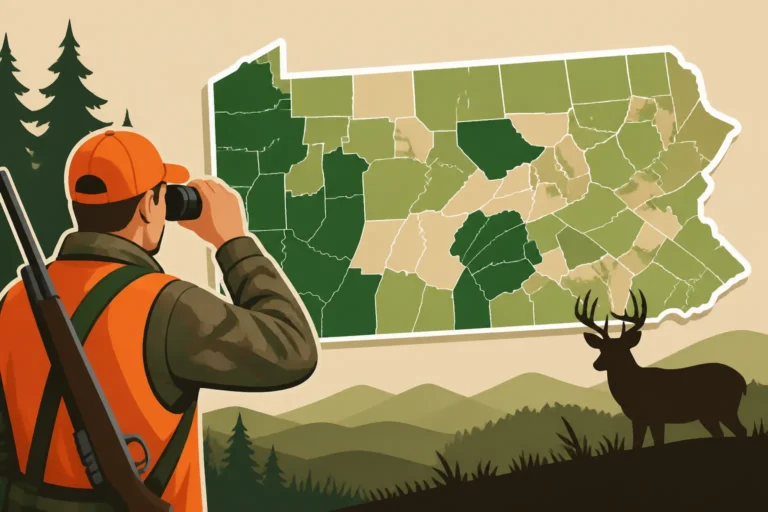
How Pennsylvania Antlerless Licence Sales Work
Trying to figure out Pennsylvania's antlerless deer license sales can feel like navigating a dense, fog-shrouded laurel thicket – confusing, frustrating, and easy to get lost. It's a system that has evolved over the years, often leaving even seasoned hunters scratching their heads. This comprehensive guide will break down the intricacies of the process, ensuring you understand exactly how to secure those crucial antlerless tags and what to expect every step of the way.
The Purpose Behind the Pennsylvania Antlerless System
It's easy to get frustrated with the perceived complexity of Pennsylvania's antlerless license system, especially when you just want to get out and hunt. But understanding the "why" behind it can help put things into perspective. The Pennsylvania Game Commission (PGC) doesn't make these rules just to make our lives harder; it's all about managing the state's deer population responsibly and ensuring healthy herds for future generations.
Balancing Deer Populations and Habitat
The primary goal of antlerless licenses is deer population control. Without enough antlerless tags, the deer population in certain areas could explode, leading to overbrowsing of habitats, increased crop damage for farmers, and a higher risk of deer-vehicle collisions. Each Wildlife Management Unit (WMU) in Pennsylvania has a specific antlerless allocation by WMU that the PGC determines based on surveys, habitat assessments, and hunter harvest data. This scientific approach aims to keep deer numbers in balance with the carrying capacity of the land, which varies significantly between the big woods of the north and the rich agricultural lands of the south. This careful management helps ensure that deer have enough food and cover, which ultimately leads to healthier animals and better hunting opportunities.
Distributing Hunting Pressure Fairly
Another key objective of the staggered antlerless license sales is to distribute hunting pressure more evenly across the state. If all licenses went on sale at once, the most popular WMUs would sell out in minutes, leaving many hunters without tags for their preferred areas. By staggering sales for residents and then opening them up to nonresidents, and then having multiple rounds, it provides a more equitable chance for hunters across the state and region to participate. This also helps prevent a complete rush on the system, which would overwhelm the PGC's administrative capabilities and the online licensing system. It’s a way of trying to give everyone a fair shot, even if it feels a little like a lottery at times.
Key Dates and Deadlines You Can't Afford to Miss
Navigating the Pennsylvania antlerless license sale dates is perhaps the most critical part of the entire process. Miss a date, and you might miss out on your preferred WMU, or even on a tag altogether. The system runs on a tight schedule, and being prepared means knowing exactly when to act. These dates are typically consistent year-to-year, but always double-check the PGC website for any updates.
Initial Resident Sales and WMU Priority
For Pennsylvania residents, the process kicks off earlier than for anyone else, usually in late June. This initial resident-only period is when you have the best chance to secure a tag for those high-demand WMUs. You can purchase one antlerless license during this first round. This is where your WMU strategy comes into play. If you're eyeing a specific WMU known for selling out quickly, like WMU 2B (near Pittsburgh) or WMU 5C (near Philadelphia), this is your golden window. Many hunters will already have a good idea of which WMU they want, often after careful Scouting Pennsylvania Public Land Before Season or after reviewing past harvest trends. It's worth noting that if you buy a junior or senior license, those often have an advantage when it comes to early purchasing.
Nonresident Sales and Subsequent Rounds
Once the initial resident-only window closes, a second round opens, allowing nonresidents to purchase their first antlerless license. This usually happens in early July. This is the first opportunity for out-of-state hunters to get in on the action. Immediately following this, another round opens where residents can purchase a second antlerless license if available, and nonresidents can also buy a second. This tiered approach continues, often with a third and even fourth round where anyone can purchase additional tags for any WMU that still has allocations. Each round offers progressively fewer options, making early participation key, especially for popular WMUs. Understanding How Pennsylvania Antlerless Licence Sales Work for these multiple rounds is crucial for securing all the tags you need.
| Sales Round | Typical Start Date | Who Can Buy | Number of Tags | Key Strategy |
|---|---|---|---|---|
| Round 1 (Resident) | Late June | PA Residents Only | 1st Tag | Act fast for popular WMUs, highest chance. |
| Round 2 (Nonresident & Res.) | Early July | Nonresidents (1st tag), Residents (2nd tag) | 1st/2nd Tag | Nonresidents get their first chance. |
| Round 3 (General) | Mid-July | Anyone (resident/nonresident) | 3rd Tag | Opportunities for additional tags, but choices limited. |
| Round 4 (General) | Late July | Anyone (resident/nonresident) | 4th Tag | Last chance before over-the-counter sales begin. |
| Over-the-Counter | Mid-August | Anyone (resident/nonresident) | Unlimited | Buy at license issuing agents, for WMUs with leftovers. |
The Application Process Step-by-Step
Gone are the days of paper applications sent by mail, though some license agents might still handle certain aspects in person. Today, the Pennsylvania Game Commission leverages modern technology to streamline the antlerless license application. While generally efficient, it still requires attention to detail.
Utilizing the Online Licensing System
The easiest and most reliable way to purchase your antlerless license is through the PGC's HuntFishPA online portal. If you haven't already, you'll need to create an account and ensure your profile information, including your customer ID, is up-to-date. This system is also where you'll purchase your general Pennsylvania Hunting Licences and What They Cost and any other permits you might need. It's designed to be user-friendly, but like any online system, it can experience heavy traffic right when sales open, so patience is a virtue. Make sure your payment information is ready and accessible to avoid any last-minute fumbling. Many hunters keep their credit card details saved in a secure browser or payment service to make the checkout process as quick as possible when those critical sales windows open.
In-Person Purchase Options
While online is preferred for speed, you can still purchase antlerless licenses from authorized license issuing agents across the state. These are typically sporting goods stores, county treasurers' offices, or other retail locations. This option can be a good backup if you experience technical difficulties online, or if you simply prefer face-to-face interaction. However, be aware that lines can be long on critical sale dates, and the agent's inventory of WMU-specific tags might be limited if the WMU is selling out quickly. If you're going this route, call ahead to confirm the agent's hours and if they anticipate any special procedures for antlerless sales. This can be particularly useful for those who might not be as comfortable with online transactions or prefer to discuss their options directly.
Understanding the Sales Tiers and Leftovers
The PGC's antlerless license sales system is structured in tiers, a multi-stage approach designed to ensure fair access and manage allocations. It's not a one-and-done process, and understanding these stages is key to maximizing your chances of getting the tags you desire, especially if your initial choices sell out. This tiered system helps distribute available tags over time and makes it easier to acquire multiple licenses if your hunting plans call for it.
Staggered Rounds for Residents and Nonresidents
As mentioned earlier, the sales open first for residents, then expand to include nonresidents, and then subsequent rounds allow for additional tag purchases. This staggered approach, along with the Pennsylvania Antlerless Allocation by WMU, is designed to give Pennsylvania residents priority, especially for the first tag. After that, it becomes a more open system, but the initial rush for popular WMUs often means they are gone before the later rounds even begin. It's critical to know the precise dates for each round. For instance, if you're a resident hoping for a second tag in a popular WMU, you'll need to be online and ready to buy right when that specific round opens, not just the general sales start. This is where planning, and perhaps even a reminder set on your phone, can really make a difference.
Over-the-Counter Sales and DMAP Permits
If, by mid-August, there are still antlerless tags available for certain WMUs, the PGC transitions to over-the-counter sales. This means you can purchase any remaining tags directly from license issuing agents, often with no limit on the number you can buy for a specific WMU (as long as they last). This is often the best time to Filling a Second Antlerless Tag or more, especially if you're hunting in less pressured areas. However, popular WMUs are often completely sold out by this point.
Beyond the general antlerless licenses, there are also Deer Management Assistance Program (DMAP) permits. These permits are tied to specific properties, usually private land or public land parcels enrolled in the DMAP program, where additional deer harvesting is desired. They have their own application process and usually go on sale a bit later. A DMAP permit allows you to harvest an antlerless deer on that designated property, providing an additional opportunity beyond your general antlerless tags. It's a great option if you have access to private land and want to help manage the local deer population, and often these permits are available even after general WMU tags are gone.
Common Pitfalls and How to Avoid Them
Even with a clear understanding of the process, it's easy to make mistakes that could cost you an antlerless tag. The frustration of missing out on a license because of a technical glitch or a forgotten detail is something many Pennsylvania hunters have experienced. Being proactive and prepared can save you a lot of headache.
Missing Deadlines and Popular WMUs Selling Out
The single biggest pitfall is missing the critical sale dates, especially for the initial rounds. WMUs like 2B, 5C, and 5D (southeastern PA suburbs) are notorious for selling out incredibly fast – sometimes within minutes of sales opening. If you have your heart set on hunting in one of these high-demand WMUs, you absolutely must be ready right when sales begin. This means logging into your HuntFishPA account beforehand, having your credit card details handy, and being prepared to make your purchase as soon as the clock strikes the opening time. Many hunters even set multiple alarms or calendar reminders to ensure they don't forget. Platforms like GoHunt can provide historical data on how fast WMUs sell out, which can help inform your strategy. Don't underestimate the speed at which these popular areas can go; it's a real race against the clock.
Technical Glitches and Payment Issues
While the PGC's online system is generally robust, high traffic on opening days can sometimes lead to slow loading times or temporary glitches. It's frustrating when you're trying to quickly secure a tag. If you encounter issues, try refreshing your browser or using a different browser. Also, ensure your internet connection is stable. Payment issues are another common problem. Double-check that your credit card information is entered correctly, that it hasn't expired, and that you have sufficient funds or credit available. Sometimes banks flag quick, high-traffic transactions as suspicious, so it might even be worth giving your bank a heads-up if you anticipate making a rapid purchase. Having a backup payment method ready, just in case, is always a smart move.
WMU-Specific Considerations for Your Antlerless Strategy
Pennsylvania is a diverse state, and its deer management reflects that. What works in the dense forests of the Pennsylvania Wilds might not apply to the suburban sprawl of Philadelphia's collar counties. Your antlerless license strategy needs to be tailored to the specific Wildlife Management Unit you plan to hunt.
Researching WMU Deer Densities and Allocations
Before you even think about buying a tag, you need to do your homework. The PGC provides detailed information on deer densities and past harvest reports for each WMU. This data is invaluable. A WMU with a high deer density and a generous antlerless allocation will likely have tags available longer and offer more opportunities. Conversely, a WMU with lower densities or very limited allocations will require you to act much faster. You can find this information on the PGC website, and it's often aggregated on hunting intelligence platforms. Understanding Pennsylvania Deer Population Estimate by WMU is foundational to making an informed decision. For example, some WMUs in the northern tier might have vast public land, but lower deer densities, while agricultural WMUs in the south might have higher densities but more limited public access.
Public Land Access Versus Private Land Opportunities
Your hunting location profoundly impacts your antlerless tag strategy. If you primarily hunt Pennsylvania State Game Lands, you'll need to target WMUs with ample public land access. However, these public lands often see higher hunting pressure, which can affect deer behavior and success rates. If you have access to private land, especially through a Pennsylvania Hunter Access Program cooperator or by Knocking on Doors in Pennsylvania Farm Country to gain permission, your options open up considerably. Private land, particularly in agricultural WMUs, can hold excellent deer populations and often experiences less hunting pressure. Knowing the available hunting areas within a WMU, whether it's Hunting Pennsylvania Farm Country Edges or deep forest, should guide your choice of where to purchase your antlerless tag. This is another area where tools from companies like GoHunt, with their detailed land ownership maps, can be a huge asset in pinpointing potential hunting grounds and understanding the context of your WMU choice.
Conclusion: Planning is Your Best Ally
Successfully navigating Pennsylvania's antlerless license sales might seem like a daunting task, but with a clear understanding of the system, key dates, and a solid strategy, you can secure the tags you need. Remember, this isn't just about punching a tag; it's about participating in sound wildlife management that benefits the entire deer herd and the hunting experience for everyone. Be proactive, stay informed, and enjoy the rich hunting opportunities that Pennsylvania offers.
Disclaimer
The information provided in this article is for general guidance and informational purposes only, and does not constitute professional advice. Hunting regulations and license sale procedures are subject to change. Always consult the official Pennsylvania Game Commission website and current hunting regulations for the most up-to-date and accurate information before planning any hunting activities.