When Pennsylvania Grouse Season Runs
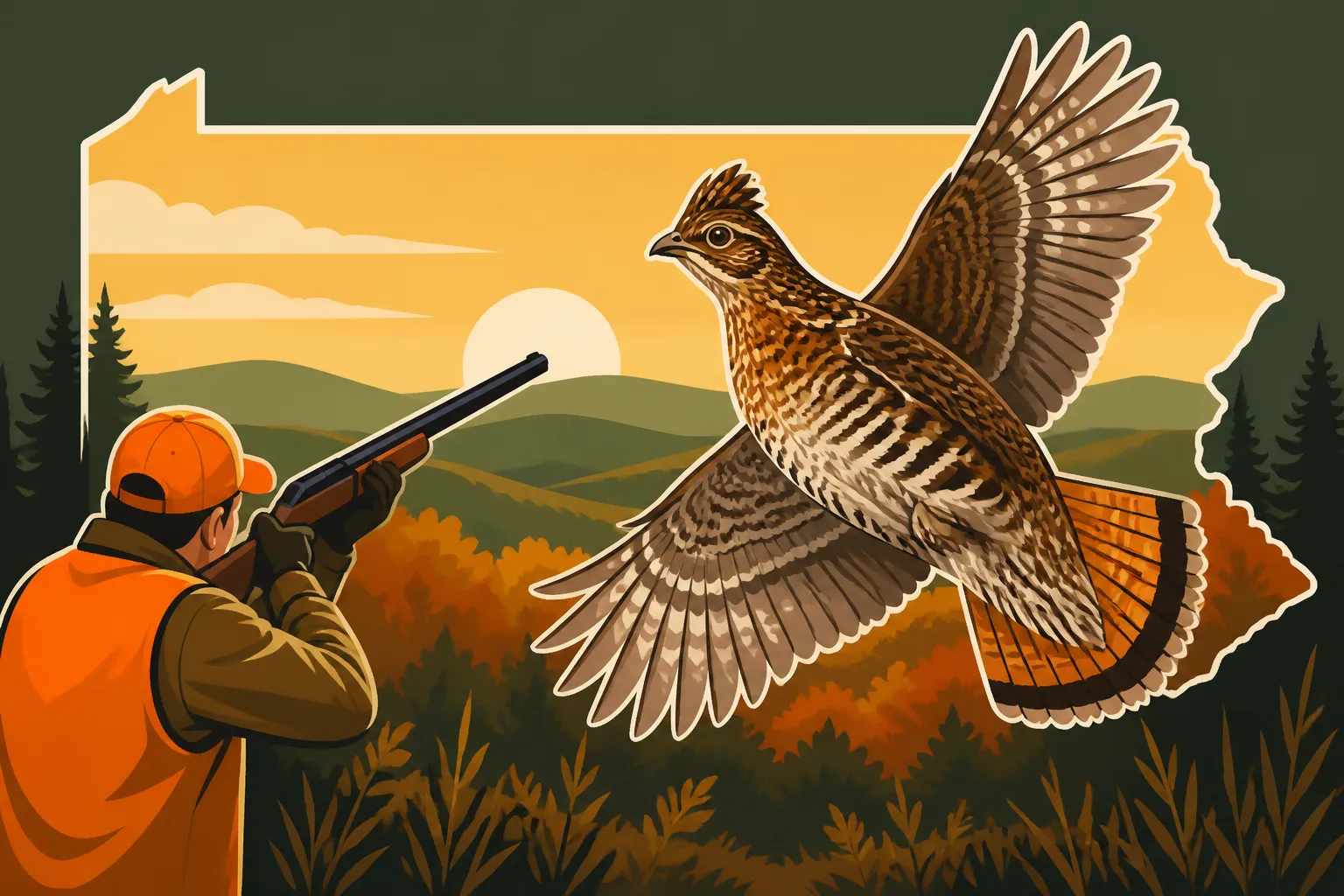
Trying to keep track of Pennsylvania's ruffed grouse season dates can feel like trying to hit a flushing bird in thick cover – just when you think you've got it, something changes or the leaves make it impossible to see. It’s a common frustration for hunters who cherish the pursuit of our state bird. This guide is here to untangle the complexities of the grouse hunting calendar, explaining when you can realistically be in the woods, the nuances of the season, and why those dates are so important for a successful and enjoyable hunt.
Understanding Pennsylvania's Ruffed Grouse Season Calendar
For many of us, the sound of a ruffed grouse thundering out of a thicket is the heartbeat of autumn. But knowing when you can legally pursue them can sometimes be a puzzle, especially with varying regulations over the years. The Pennsylvania Game Commission (PGC) sets these dates annually, and while there's a general pattern, it's crucial to understand the specifics for each hunting year.
The General Opening and Closing Dates
Typically, Pennsylvania's ruffed grouse season kicks off in mid-October. This timing is a sweet spot, often coinciding with peak fall foliage in some parts of the state and the exciting hustle of other hunting seasons. You’ll usually see the initial segment run through the end of November, sometimes extending into the very beginning of December. It's a generous window that allows hunters to experience grouse hunting across a variety of conditions, from crisp, colorful autumn days to the starker, colder landscape as winter approaches.
For example, in recent years, the opening day has often landed on a Saturday around the middle of October, giving folks a full weekend to hit the coverts. The closing date for this main segment usually hovers around Thanksgiving week or the week after, depending on how the calendar falls. Always remember that these dates can shift slightly year to year, so grabbing the latest official PGC Hunting & Trapping Digest is non-negotiable before you lace up your boots. You can find detailed information on getting your license and staying compliant in our guide to Pennsylvania Hunting Licences and What They Cost.
The Split Season Structure
One of the most defining characteristics of Pennsylvania’s grouse season is its "split season" structure. This isn't unique to grouse, but it's particularly important for these elusive birds. After the main October-November period, there's typically a hiatus – a period where grouse hunting is closed. Then, usually after the major deer firearms season winds down, there’s a shorter, late-season segment that reopens for a few weeks, often starting in mid-December and running into early January.
This split season serves several purposes from a wildlife management perspective. It allows grouse to experience a period of reduced pressure, especially during the peak of other hunting activities. For hunters, it offers a distinct advantage: a chance to hunt grouse in entirely different conditions. The late season often means snow on the ground, bare trees making visibility a bit better, and grouse holding tighter to specific types of cover. This change of scenery and conditions can make for a completely different, and sometimes even more rewarding, hunting experience, forcing you to adapt your tactics.
Bag Limits and Possession Limits
Understanding the legal limits is just as important as knowing the season dates. For ruffed grouse in Pennsylvania, the daily bag limit is generally two birds. This means you can harvest up to two grouse in a single day. The possession limit, which is the maximum number of grouse you can have in your possession at any given time (including those back home in the freezer), is typically four birds.
These limits are in place to ensure sustainable hunting and to help manage the grouse population. Responsible harvesting is key to ensuring that future generations of hunters can enjoy the same opportunities we do. Always count your birds, both those in your game vest and those already processed, to stay within these limits. It's a small but significant part of ethical hunting that helps preserve the resource we cherish.
Why Season Dates Matter for Grouse Hunters
Knowing the calendar isn't just about legality; it's about strategy. The timing of the season directly influences grouse behavior, habitat use, and the tactics you'll employ to find and flush them. Pennsylvania's diverse terrain and weather patterns mean that early season and late season hunts can feel like entirely different sports.
Matching the Season to Grouse Behavior
Grouse, like all wildlife, are creatures of habit, but their habits change with the seasons.
In the early part of the season, typically mid-October, the woods are still fairly thick with foliage, though leaves are starting to drop. This means grouse have abundant cover, making them incredibly difficult to see until they explode from underfoot. They might be scattered across various food sources – remnant berries, seeds, and early buds. This is when you really need to work those thickets and focus on areas with good, diverse cover. It’s also often a good time to pursue them without a dog, relying on your keen senses and slow, methodical movements, as detailed in our guide on Flushing Grouse Without a Dog.
As the season progresses into late November, and especially into the December late season, the landscape transforms. Most deciduous trees are bare, and snow might blanket the ground. This changes everything for grouse. They often concentrate in denser, protective cover like hemlock thickets, conifer stands, rhododendron patches, and mountain laurel. Food sources shift too; they'll be focusing on aspen buds, birch catkins, and any lingering wild apple or grape. Hunting in these conditions means targeting those specific cover types and being ready for a much faster, closer shot as they rocket out of tight quarters. Understanding Grouse Hunting Pennsylvania Cover is crucial for these tactical adjustments.
Navigating Hunting Pressure and Accessibility
The season dates also play a huge role in the amount of hunting pressure you'll encounter and how accessible certain areas might be. The early grouse season often overlaps with the heart of Pennsylvania's archery deer season. While deer hunters aren't usually in the same spots as grouse hunters, the sheer number of people in the woods can sometimes be a factor. However, this overlap can also be a blessing, as some grouse hunters may be focused on deer, leaving more coverts to you.
The late season, on the other hand, typically sees less overall hunting pressure specifically for grouse. Many hunters have filled their deer tags, or the harsh weather deters all but the most dedicated upland enthusiasts. This can translate into quieter woods and less disturbance for the birds. However, accessibility can become an issue. Snow and ice can make logging roads and remote tracts of public land difficult to access. Knowing where to go, such as exploring Hunting Pennsylvania State Forests or specific Finding Grouse Cover on Game Lands, becomes paramount. You might need a 4×4 or be prepared for longer walks to reach those prime, undisturbed spots.
Gear and Tactics Alignment with Season Segments
Your gear and tactics should absolutely align with the segment of the grouse season you're hunting.
For the early season (October/November), comfort is key. Temperatures can vary wildly. You'll want breathable layers, durable brush pants to tackle thick briars, and good, broken-in upland boots. Since other hunters are likely afield, making sure you adhere to Pennsylvania's hunter orange requirements is paramount. While not always mandated for small game (check the current digest carefully!), wearing highly visible orange is always a smart choice for safety.
Come the late season (December/January), your gear needs to change dramatically. Think insulation, waterproof outerwear, and seriously warm boots. If there's snow, you might even consider snowshoes to cover ground efficiently in deeper drifts. Your shotgun choice and shot size might remain consistent, but your approach will be different. You'll be slowing down, meticulously working dense cover where birds are trying to escape the cold and predators. This is also when you might encounter grouse in Grouse Hunting Pennsylvania Regrowth that offers excellent thermal cover. For details on firearms, consider checking out articles like Best Shotgun Gauge for Pennsylvania Grouse.
| Season Segment | Typical Dates | Daily Bag Limit | Possession Limit | Key Conditions / Considerations |
|---|---|---|---|---|
| Early Season | Mid-October to Late November | 2 | 4 | Foliage dropping, moderate temps, dispersed birds, potential deer overlap |
| Closed Period | Late November – Mid-December | 0 | 0 | No hunting permitted, allows birds to recover |
| Late Season | Mid-December to Early January | 2 | 4 | Snow/cold, dense cover, concentrated birds, reduced hunting pressure |
Practical Considerations for Planning Your Grouse Hunts
Successful grouse hunting isn't just about knowing when the season is, but about smart preparation and understanding the broader context of this challenging bird. From checking the regulations to scouting and understanding population trends, a well-rounded approach will always yield better results.
Always Consult the Current PGC Digest
I can't stress this enough: always refer to the most current Pennsylvania Game Commission Hunting & Trapping Digest. These are updated annually, and while the general framework for grouse season might remain consistent, specific dates, minor rule changes, or even special regulations in certain Wildlife Management Units (WMUs) could be implemented. You can typically pick up a physical copy wherever hunting licenses are sold, or download the digital version directly from the PGC website. It's the definitive source of truth and your best friend for staying legal and informed. No matter how much experience you have, a quick check of the digest before each season is a ritual every responsible hunter should perform.
Scouting Based on Seasonal Changes
Pre-season scouting is absolutely invaluable for grouse, and it changes with the calendar. Before the season opens, focus on identifying areas with good, diverse cover. Look for old logging roads, clearcuts, dense young forest patches, hemlock thickets, and areas with a mix of food sources. As the leaves begin to drop, pay attention to how the cover changes. What looked like impenetrable green in September might be much more open in late October, forcing grouse into different areas.
Mapping tools can be incredibly useful for this. Platforms like GoHunt provide detailed satellite imagery and topographical maps that help you identify these critical habitat components, marking potential grouse coverts, historical flush locations, and access points. Even if you're just looking at a printed map, understanding the lay of the land, elevation changes, and water sources can give you a leg up. Our guide on Scouting Pennsylvania Public Land Before Season offers more tips on how to effectively use these tools and interpret the terrain. Scouting is an ongoing process; the best grouse hunters are constantly learning their coverts throughout the season.
Understanding Habitat and the Grouse Decline
It’s impossible to talk about grouse hunting in Pennsylvania without acknowledging the significant decline in their populations over recent decades. This isn't just a Pennsylvania issue; it's a trend across much of their range, largely attributed to habitat loss and fragmentation, as well as factors like West Nile Virus. Our article on Ruffed Grouse Decline in Pennsylvania delves deeper into these challenges.
While this doesn't directly change the season dates, it impacts our hunting expectations and reinforces the importance of ethical hunting practices. Understanding that grouse are scarcer means we might need to cover more ground, temper our expectations for flushes, and truly appreciate every bird encountered. It also highlights the critical role of habitat management efforts by organizations like the PGC and Ruffed Grouse Society. Supporting these efforts, and concentrating our hunting in areas with high-quality, early successional habitat, is key to the future of grouse hunting in our state. Every hunter has a part to play in conservation.
Disclaimer
Please remember that hunting regulations and season dates can change. Always consult the current Pennsylvania Game Commission Hunting & Trapping Digest for the most accurate and up-to-date information before heading afield. This guide is for informational purposes only and does not supersede official regulations.