Pennsylvania Mentored Youth Permit Rules
It's an incredibly special moment when your child or a young family member expresses an interest in hunting. Many of us remember that feeling of wanting to tag along, to learn, to be a part of the tradition. But for parents and guardians, the Pennsylvania Game Commission's regulations can feel a bit overwhelming, especially when trying to figure out how to get a young, uncertified hunter afield safely and legally. This comprehensive guide is here to walk you through the Pennsylvania Mentored Youth Permit rules, making sure you understand every step so you can create those lasting memories without any legal headaches.
Understanding the Mentored Youth Permit Program
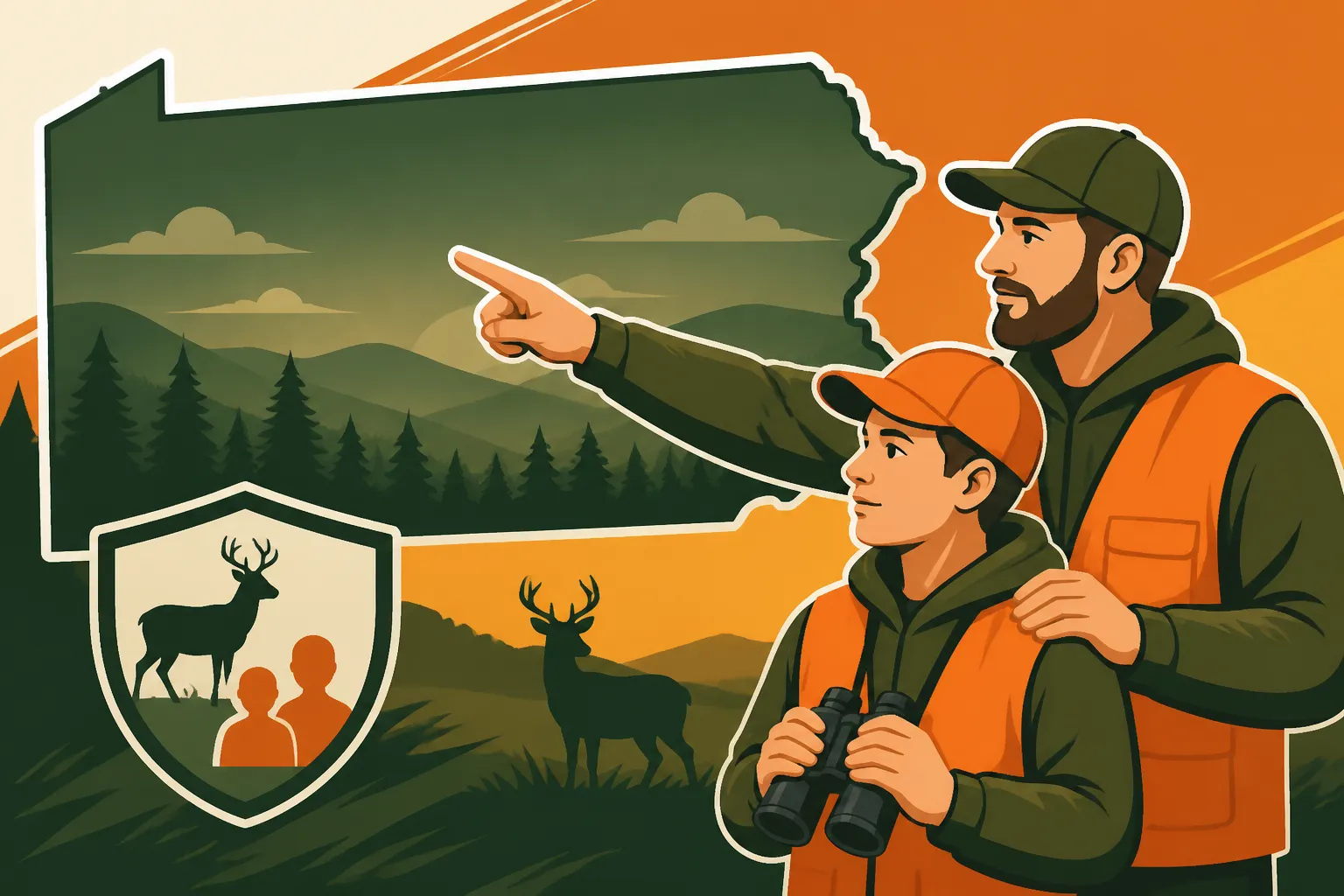
The Pennsylvania Mentored Youth Permit program is a fantastic initiative designed to introduce young hunters to the outdoors in a safe, controlled, and educational environment. It allows youngsters who haven't yet completed their hunter education course to experience hunting firsthand under the direct supervision of an experienced adult mentor. It's all about fostering a love for conservation and ethical hunting practices from an early age, without throwing them straight into the deep end.
What Exactly is a Mentored Youth Permit?
Simply put, a Mentored Youth Permit is a special license that enables a child under the age of 17 (who has not yet completed a hunter education course) to participate in specific hunting seasons alongside a licensed adult mentor. Unlike a traditional hunting license, the youth does not need to pass a hunter education course beforehand. This permit costs a nominal fee and is valid for one license year. It’s important to remember this isn't a "free pass" for solo hunting; it's explicitly designed for mentored experiences. The focus is on learning by doing, with safety as the paramount concern, which is why the direct supervision rule is so critical. Think of it as an apprenticeship program for future hunters.
One of the biggest advantages of this permit is that it removes a significant barrier to entry: the immediate need for hunter education. While hunter education is absolutely essential for independent hunting, requiring it before a child even knows if they enjoy hunting can sometimes deter interest. This permit allows a trial period, letting them get a feel for the woods, the gear, and the overall experience before committing to the full certification process. It's a stepping stone, not a final destination, and an excellent way to introduce them to Pennsylvania Hunter Education Requirements when the time comes.
Why Was the Program Created?
The Pennsylvania Mentored Youth Permit program was born out of a desire to recruit new hunters, retain existing ones, and reactivate those who might have stepped away—often referred to as R3 initiatives. Hunting participation has seen declines in many areas, and making it easier and more appealing for youth to get involved is a key strategy to ensure the future of wildlife conservation. By lowering that initial hurdle of hunter education, the program opens the door for parents, grandparents, aunts, and uncles to easily bring a young person into the fold, sharing their passion and knowledge directly.
The program recognizes that hunting isn't just about harvesting game; it's about connecting with nature, understanding ecosystems, and building character. By providing a structured, supervised entry point, the Game Commission aims to instill these values from a young age. It also strongly encourages family and community involvement in hunting, strengthening the bonds of tradition. Many mentors find immense satisfaction in teaching a young person, witnessing their first successful hunt, or simply experiencing the quiet beauty of the woods together. This early exposure can be incredibly formative, sparking a lifelong interest that might otherwise never have ignited.
Who Can Be a Mentor and What Are Their Responsibilities?
Becoming a mentor is a significant responsibility and a true honor. To qualify, an adult must be at least 18 years of age and possess a valid Pennsylvania hunting license. They are the bedrock of this program, directly responsible for the safety, ethical conduct, and education of the mentored youth. The "direct supervision" rule is non-negotiable: the mentor must be close enough to the youth to provide immediate verbal instruction and physical control, particularly with firearms or archery equipment. Generally, this means within arm's reach for younger kids, or at least within 15-20 feet where direct communication is constant and clear, especially when a firearm is being handled.
Beyond the immediate safety protocols, a mentor's role extends to teaching everything from game identification and tracking to safe firearm handling, shot placement, and field dressing. They are also responsible for explaining and enforcing all hunting laws and regulations. When a mentored youth harvests an animal, it is the mentor's license tag that is used to tag the animal, and the mentor is ultimately accountable for the harvest report. This emphasizes that the mentor is not just supervising; they are actively guiding every aspect of the hunt. It's a hands-on, immersive learning experience where the mentor passes down not just skills, but also the deep respect for wildlife and the land that defines true Pennsylvania hunting.
Eligible Species, Seasons, and Bag Limits for Mentored Youth
One of the first questions many mentors have is, "What can my mentored youth actually hunt?" The program is designed to offer a variety of entry-level opportunities, focusing on common game species that provide accessible and exciting experiences. However, it's crucial to know the specifics to avoid any missteps in the field.
Which Game Species Can Mentored Youth Hunt?
The Mentored Youth Permit allows participants to hunt a good range of popular game species in Pennsylvania. These include white-tailed deer, wild turkey (during the spring gobbler season), pheasants, ruffed grouse, rabbits, squirrels, and woodchucks. This diverse selection provides excellent opportunities for different types of hunting experiences, from quiet deer stands to active small game pursuits with a dog. It's a great way to expose them to various aspects of hunting and see what truly captures their interest. Many mentors start with small game, like squirrels or rabbits, as they offer more action and less pressure, perfect for building confidence before moving onto bigger game.
However, it's equally important to understand what isn't included. Mentored youth are generally not permitted to hunt black bear, elk, migratory game birds (like ducks, geese, and doves), or furbearers and predators (like coyotes or bobcats). These species often involve more complex regulations, specialized equipment, or higher-stakes hunting scenarios that are typically reserved for fully licensed hunters. The program's intent is to provide a solid foundation in hunting basics, not to open the door to every possible hunting opportunity right away. Always double-check the current year's digest or use a resource like GoHunt's state-specific regulations section to confirm the latest rules before heading afield.
Season Dates and Specific Rules
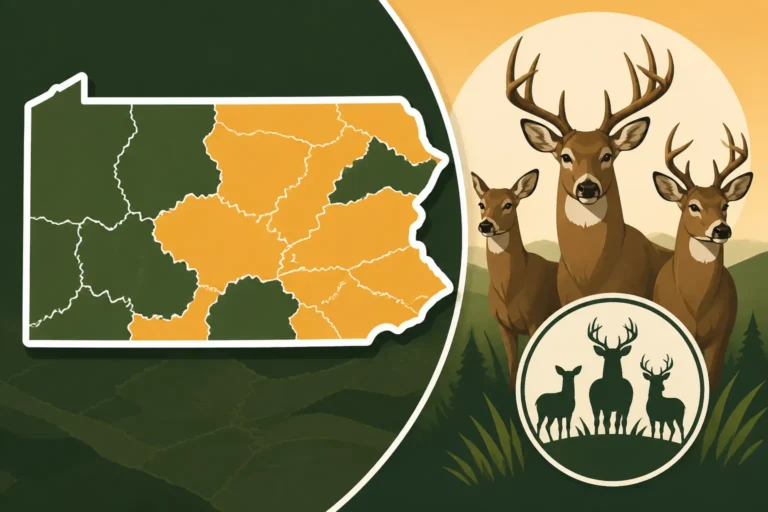
For the most part, mentored youth hunt during the same seasons as junior hunters. This often includes special youth-only days or specific periods within the general seasons. For instance, Pennsylvania has a dedicated youth deer hunt that often precedes the general firearms season, providing a fantastic opportunity for young hunters to get out when pressure might be lower and deer movement more predictable. Similarly, there's a special youth spring gobbler hunt day. For small game, mentored youth typically participate during the general small game seasons.
When it comes to deer, mentored youth can participate in both archery and firearms seasons, following the established dates for junior hunters. For turkeys, they can join in the exciting Pennsylvania Spring and Fall Turkey Seasons, specifically the spring gobbler season. It's vital to consult the official Pennsylvania Game Commission Hunting and Trapping Digest each year, as season dates and specific rules can sometimes be adjusted. A great way to keep tabs on these is by regularly checking the Game Commission website or utilizing tools from providers like GoHunt that offer up-to-date season date summaries, ensuring you're always in compliance and making the most of available opportunities.
Bag Limits and Antler Restrictions
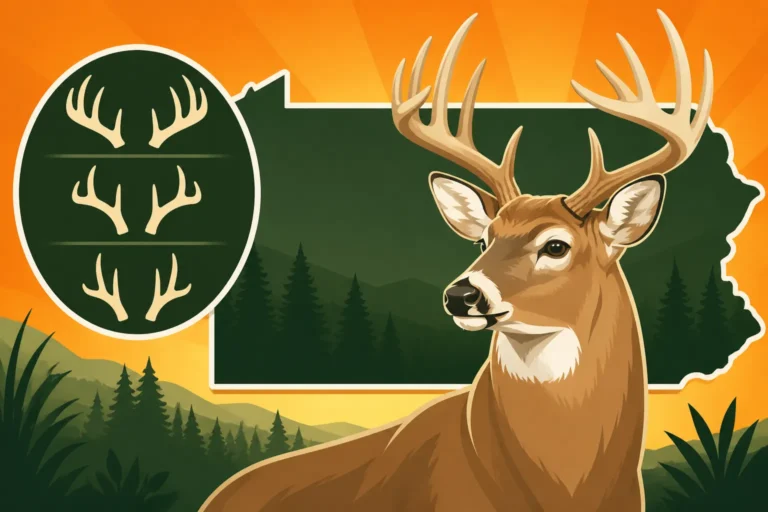
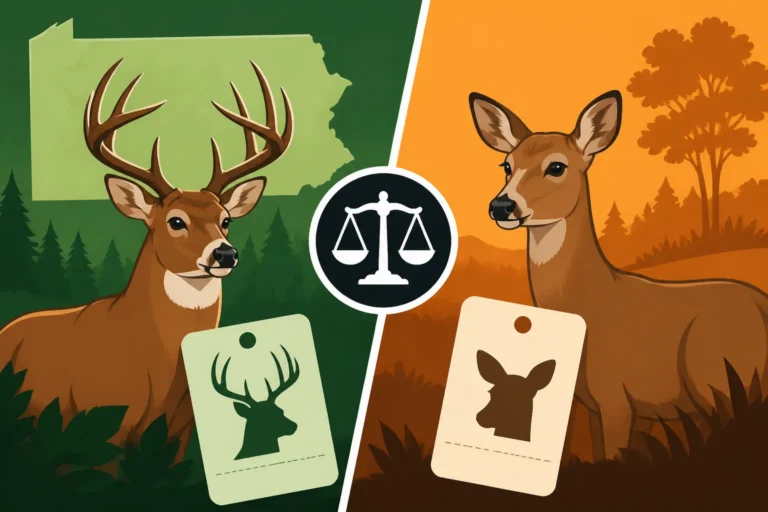
Bag limits for mentored youth are generally quite straightforward, but there are a few nuances to be aware of. For deer, a mentored youth is permitted to harvest one deer per license year. This deer can be antlered or antlerless. This is a crucial point: unlike junior license holders or adult hunters in certain WMUs, mentored youth are exempt from antler point restrictions. This means that if they harvest an antlered deer, any antler configuration is legal, making the experience less complicated and stressful for a first-time hunter. This rule aims to increase success rates and enjoyment for new participants, allowing them to focus on safe shooting and ethical harvesting rather than counting points. This is a key difference from What Counts as a Legal Pennsylvania Buck for adult hunters.
For spring gobblers, a mentored youth can harvest one bearded turkey during the youth hunt or during the general spring season. For small game like pheasants, rabbits, and squirrels, the mentored youth generally follows the same daily and possession limits as a fully licensed hunter, but always under the mentor's supervision. Remember, the harvest must always be tagged using the mentor's license tag. This reiterates the mentor's full responsibility for the hunt and the subsequent reporting. Keeping track of these details is essential for a legal and ethical hunt, reinforcing the lessons for the young hunter.
Important Considerations and Transitioning to a Regular License
Bringing a new hunter into the fold is about more than just understanding the rules; it's about cultivating a deep respect for the outdoors, promoting safety, and planning for their future as independent hunters. These considerations are just as important as knowing the legal framework.
Equipment, Safety, and Ethical Hunting
When taking a mentored youth afield, selecting appropriate equipment is paramount for safety and success. For firearms, this often means starting with smaller calibers or youth-model rifles that have reduced recoil and a shorter length of pull, making them easier for smaller frames to handle. A .22LR for small game or a .243 Winchester for deer are excellent choices, offering manageable recoil while still being effective. For archery, ensure the bow has a draw weight suitable for the youth’s physical capabilities, allowing them to comfortably and accurately draw and hold. The mentor must always ensure the firearm is carried safely, often being the primary carrier until the moment of the shot, and ensuring the youth is properly positioned and supervised at all times.
Safety, of course, goes beyond equipment. It encompasses every aspect of the hunt. Mandatory hunter orange requirements are crucial. While the specific square-inch requirement primarily applies to the firearm seasons for licensed hunters, it is always a best practice for both mentor and youth to wear ample fluorescent orange, especially when moving through the woods. This significantly enhances visibility to other hunters. Beyond legalities, ethical hunting is about teaching reverence for the animal, understanding shot placement for a quick, humane harvest, and respecting wildlife and habitat. This includes proper field dressing and responsible meat care, ensuring nothing goes to waste. These are the lessons that build a true conservationist, lessons often taught by example, as detailed in a guide like Flintlock Hunting in Pennsylvania Snow, which emphasizes careful, deliberate hunting.
Where to Hunt with a Mentored Youth Permit
Finding the right location is key to a positive mentored youth hunting experience. You want somewhere relatively safe, with a reasonable chance of success, and ideally, not overly crowded. Public lands, such as Pennsylvania State Game Lands or State Forests, offer vast opportunities. However, these can sometimes be busy, especially on opening days. Scouting beforehand is critical. Using online mapping tools, like the Pennsylvania Game Commission’s interactive mapping center or premium mapping services like GoHunt, can help identify potential areas, locate food sources, and understand terrain. These tools can show you public land boundaries, access roads, and even habitat features that might attract game, allowing for better planning. Consider exploring areas that might be overlooked by others, perhaps a little further off the beaten path, which a guide like Scouting Pennsylvania Public Land Before Season can help with.
Private land, with proper permission, can often provide a more controlled and less pressured environment for a young hunter. Always secure explicit permission from landowners before hunting on private property. Regardless of where you hunt, always be acutely aware of safety zones around buildings and occupied structures. These zones are areas where hunting is prohibited or restricted, ensuring the safety of non-hunters. Practicing good woodsmanship, moving slowly, observing, and understanding the wind and thermals are all skills the mentor can teach directly in the field, turning every outing into a valuable lesson.
Moving from Mentored Youth to a Junior License
The Mentored Youth Permit is designed as an introductory program, a temporary pathway to independent hunting. The ultimate goal is for the youth to transition to a regular junior hunting license. To do this, they must complete an approved hunter education course. Most Mentored Youth Permits are valid until the youth turns 17, or until they complete hunter education and purchase a junior license, whichever comes first.
The ideal time to transition is often when the youth expresses a strong, sustained interest in hunting and is mature enough to absorb the hunter education curriculum. Pennsylvania offers various options for hunter education, including online courses followed by a field day, or traditional in-person classes. Completing this course not only fulfills the legal requirement but also empowers the young hunter with a deeper understanding of firearms safety, wildlife management, regulations, and ethical behavior, preparing them for a lifetime of safe and responsible hunting. Information on options like Taking Pennsylvania Hunter Education Online can be found on the Game Commission's website, making it convenient to take this crucial next step.
Here's a quick comparison of the Mentored Youth Permit and a Junior Hunting License:
| Feature | Mentored Youth Permit | Junior Hunting License |
|---|---|---|
| Hunter Education Req. | No, not required for permit | Yes, required to purchase |
| Mentor Required | Yes, direct supervision at all times | No, can hunt independently |
| Age Range | Under 17 | 12-16 years old |
| Cost (Approx.) | ~$3.00 (resident), ~$6.00 (nonresident) | ~$17.00 (resident), ~$35.00 (nonresident) |
| Antler Restrictions | Exempt from antler point restrictions | Follows WMU-specific antler restrictions |
| Species Covered | Deer, Spring Gobbler, Small Game | All legal game species (with stamps) |
| Tagging | Mentor's license tag used | Youth's own license tag used |
| Harvest Reporting | Mentor reports under their license | Youth reports under their own license |
This table clearly illustrates the stepping stone nature of the Mentored Youth Permit. While it offers a fantastic way to begin, the junior license represents a move towards greater independence and a full commitment to the sport, backed by the essential knowledge gained through hunter education.
Disclaimer
Please be aware that hunting regulations are subject to change. This guide is intended for informational purposes only and should not be considered legal advice. Always consult the most current Pennsylvania Game Commission Hunting and Trapping Digest or their official website for the definitive and most up-to-date rules and regulations before participating in any hunting activity.