Donating Venison in Pennsylvania
There's nothing quite like the feeling of a successful hunt, bringing home fresh, healthy venison to feed your family. But what happens when you've filled your freezer, or perhaps you're fortunate enough to tag more deer than you can realistically consume? For many Pennsylvania hunters, the thought of letting that valuable meat go to waste is unthinkable, and navigating how to share your harvest with those in need can feel a bit overwhelming. This guide is here to walk you through the ins and outs of donating venison in Pennsylvania, ensuring your hard-earned bounty helps nourish your community.
Why Venison Donation Matters in Pennsylvania
When you head out into the Pennsylvania woods, you're not just a hunter; you're a vital part of wildlife management and a contributor to your local ecosystem. Donating venison takes that responsibility a step further, transforming a successful hunt into a direct benefit for your community. It's a powerful way to give back and address critical needs right here in our state.
Addressing Food Insecurity and Community Need
Let's be honest, times are tough for many families across Pennsylvania. Food banks and pantries work tirelessly to provide nutritious meals, but often struggle to offer high-quality protein. That's where hunters come in. Lean, natural venison is an excellent source of protein, offering a healthy alternative to processed foods and a welcome addition to the diets of those facing food insecurity. Imagine the impact your donated deer can have – a family that might otherwise go without, now enjoys a wholesome meal thanks to your efforts. It’s a tangible way to connect with your community and make a real difference beyond the field. Your commitment to ethical hunting extends into compassionate giving, and that's something to truly be proud of. It’s more than just meat; it’s sustenance, hope, and a shared connection in a way that truly matters.
Managing Deer Populations Responsibly
Pennsylvania's whitetail deer population is robust, and effective management is crucial for the health of the herd and the habitat. Hunters play an indispensable role in maintaining sustainable deer numbers, which helps prevent overbrowsing, reduces deer-vehicle collisions, and mitigates agricultural damage. By harvesting deer, particularly does or additional antlerless animals, and then donating that meat, you're contributing to healthy herd dynamics in your Wildlife Management Unit (WMU). This dual benefit – feeding people and managing wildlife – makes venison donation an incredibly impactful act. It’s a full-circle approach to conservation, where your actions in the woods directly support both wildlife health and human well-being. Knowing you're helping to keep the Pennsylvania Deer Population Estimate at a healthy level while also providing food for neighbors is a profound feeling of accomplishment.
The Pennsylvania Hunters Sharing the Harvest Program
Thankfully, Pennsylvania has an established and efficient program designed specifically to facilitate venison donations: Hunters Sharing the Harvest (HSH). This program simplifies the process, connecting generous hunters with local meat processors and food providers, ensuring your donation gets where it needs to go safely and effectively. It's a fantastic initiative that bridges the gap between the bounty of our forests and the dinner tables of those who need it most.
How the Program Works for Hunters
Participating in Hunters Sharing the Harvest is straightforward. First, you need to harvest a deer legally and ethically, ensuring you have the proper Pennsylvania Hunting Licences and What They Cost. Once you've tagged your deer, you simply take it to one of the many participating meat processors located across the state. These processors are registered with the HSH program and are equipped to handle the venison according to health and safety standards. The beauty of the HSH program is that it often helps cover the processing costs. While hunters may be asked for a small contribution, the majority of the processing fee is typically covered by donations to HSH and various sponsorships. This significantly reduces the financial burden on you, the hunter, making it easier to contribute your harvest. You'll fill out a simple form at the processor, and they'll take care of the rest, ensuring your deer is processed into ground venison and distributed to local food banks.
What Happens to the Donated Venison
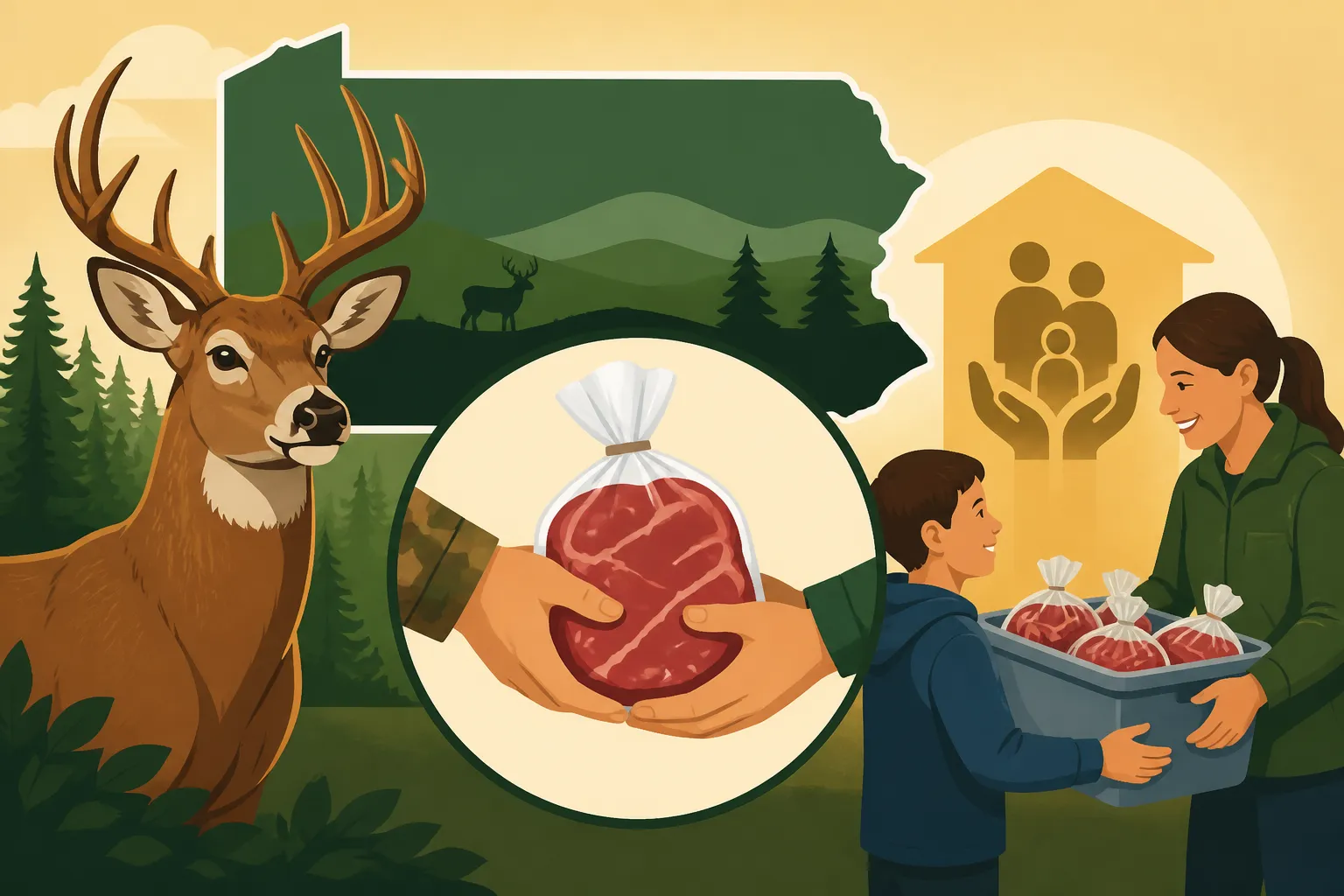
Once your deer is dropped off at an HSH-participating processor, it begins a journey that culminates in nourishing meals. The processor will expertly butcher your deer, typically turning it into ground venison. This form is versatile and easy for food banks and their clients to use in a variety of recipes, from chili to spaghetti sauce. The processed venison is then safely packaged, frozen, and picked up by representatives from local food banks, pantries, and other charitable organizations. These organizations then distribute the venison directly to families and individuals in need within their communities. Every pound of venison is carefully tracked and handled to ensure it reaches those who benefit most. It’s a testament to the efficient network of volunteers and organizations that make this incredible program work year after year, transforming your successful hunt into vital community support. The program is designed to get your healthy harvest from the field to a hungry family with minimal hassle on your part.
Finding a Participating Butcher and Preparing Your Deer
Finding the right place to take your deer and preparing it properly are critical steps in ensuring your venison can be successfully donated. You want to make sure your hard work in the field translates into a valuable contribution, not a logistical headache.
Locating Approved Processors
The Hunters Sharing the Harvest program maintains an up-to-date list of participating meat processors throughout Pennsylvania. This list is usually available on their website and often broken down by county, making it easy to find a convenient location near you or your hunting grounds. It's always a good idea to call ahead to your chosen processor, especially during peak hunting seasons, to confirm their hours, their capacity for accepting donations, and any specific requirements they might have. Some processors may have a waiting list during the firearms deer season, for instance, so a quick call can save you a lot of time and frustration. Knowing where you'll take your deer even before you pull the trigger can be a real game-changer for a smooth donation process. You might even use mapping tools like GoHunt to scout the area for nearby processors while planning your hunt.
Field Dressing and Transporting Your Donation
Proper field dressing is absolutely essential for any deer harvest, but it's even more crucial when you're planning to donate the meat. The quicker and cleaner you field dress your deer, the better the quality of the meat will be, making it more acceptable for donation. This means removing the entrails immediately after the kill to allow the carcass to cool down rapidly. In Pennsylvania, especially during the warmer early archery season, internal heat can quickly spoil meat, so prompt action is key. You'll want to take care to minimize contamination during the process. Once field dressed, transport your deer as quickly as possible to the approved processor. If you're on public land, consider options like a deer cart for easier extraction, as detailed in Using a Deer Cart on Game Lands. Keep the carcass as clean and cool as possible during transit. If it's a warm day, you might pack the body cavity with ice or place it in a shaded, well-ventilated area until you can get it to the butcher. Processors are typically more inclined to accept a donation that has been well cared for from the moment it hits the ground.
Here’s a quick overview of what to remember:
| Step | Key Action | Importance |
|---|---|---|
| Harvest & Tag | Legally harvest and tag your deer. | Foundation of ethical hunting and donation. |
| Field Dress | Remove entrails promptly and cleanly. | Crucial for cooling meat and preventing spoilage. |
| Cool & Clean | Minimize heat and contamination of the carcass. | Ensures meat quality for consumption. |
| Locate Processor | Find an HSH-approved butcher, call ahead. | Confirms acceptance, hours, and specific requirements. |
| Transport | Get the deer to the processor quickly and cleanly. | Maintains meat quality, facilitates prompt processing. |
| Complete Forms | Provide necessary information at the processor. | Records donation, confirms HSH participation. |
Common Questions and Considerations for Donors
Donating venison is a generous act, and it's natural to have questions about the process, especially when you're doing it for the first time. We want to make sure you feel confident and informed every step of the way, addressing any concerns that might arise.
Costs and Financial Support
As mentioned, the Hunters Sharing the Harvest program works hard to offset the processing costs for donated deer. While the hunter might be asked for a small voluntary contribution (which varies), the bulk of the processing fee is typically covered by funds raised by HSH through grants, corporate sponsorships, and individual donations. This financial support is critical because it removes a significant barrier for hunters who might otherwise hesitate to donate due to the expense of processing. It's a collaborative effort – hunters provide the protein, and the program, along with its supporters, ensures that protein is safely processed and distributed. You can check the HSH website for current information on suggested contributions or call your chosen processor directly. Remember, any contribution you make helps ensure the program can continue to operate and feed even more Pennsylvanians in the future.
Ensuring Your Donation is Accepted
To ensure your venison donation is accepted, there are a few key points to keep in mind, beyond just proper field dressing. First, the deer must be legally harvested and tagged according to all Pennsylvania Game Commission regulations. This includes adhering to antler restrictions where applicable, as outlined in Pennsylvania Antler Restrictions by WMU. Any deer found to have a disease, such as Chronic Wasting Disease (CWD) which is monitored through Pennsylvania CWD Testing for Hunters, or showing signs of spoilage, will unfortunately be rejected for donation for public health reasons. This is why proper cooling and handling from the moment of the kill are so vital. It’s important to understand that processors have the right to refuse a deer if they deem it unfit for human consumption. This isn't a judgment on your hunting skills, but a necessary safeguard for public health. By taking diligent care in the field, promptly getting your deer to a processor, and ensuring you’ve followed all regulations, you dramatically increase the chances of your valuable donation being accepted and put to good use. Hunters are often incredibly proud of their harvest, and knowing it's going to a good cause makes the extra effort worthwhile. For scouting locations that might offer more successful hunts, tools such as GoHunt can provide valuable insights into deer density and movement patterns, which helps in securing a healthy deer for donation.
There's a deep satisfaction that comes from hunting responsibly and putting healthy, natural food on the table. When that table belongs to someone in need, the satisfaction is even greater. Your efforts as a Pennsylvania hunter, whether you're bringing home meat for your family or donating it to others through programs like Hunters Sharing the Harvest, contribute immensely to our wildlife and our communities. Thank you for being a part of this vital tradition of giving.
Disclaimer
This article is for general informational purposes only and does not constitute professional advice. Laws, prices and regulations vary by location and change over time. Consult a qualified professional for guidance on your specific situation.