Pennsylvania Snow Goose Conservation Order
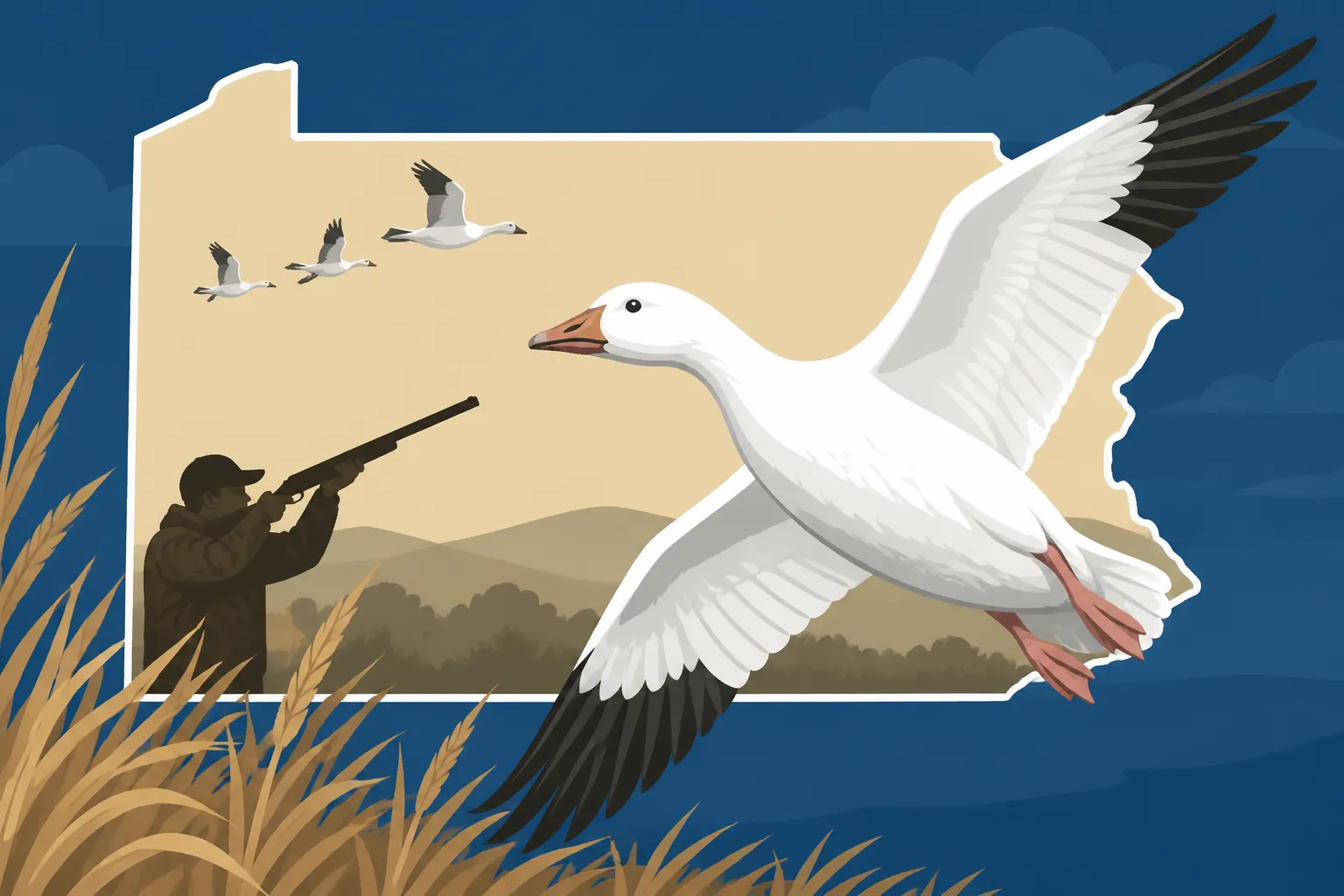
Hunting snow geese during Pennsylvania's Conservation Order is a beast of its own, a completely different ballgame compared to regular waterfowl seasons. If you've ever felt frustrated by low bag limits or restrictive methods during duck and goose season, you're not alone. This guide is going to walk you through everything you need to know to take advantage of Pennsylvania's Snow Goose Conservation Order, from understanding why it exists to the gear, tactics, and locations that can help you find success.
Understanding Pennsylvania's Snow Goose Conservation Order
For many hunters, the idea of no daily bag limits and expanded hunting methods sounds almost too good to be true. But with snow geese, it's a critical conservation effort that allows us to help manage an overpopulated species. It's a unique opportunity, but it also comes with its own set of challenges and demands.
Why the Conservation Order Exists
The reason we have a "Conservation Order" for snow geese, rather than a regular hunting season, stems from an ecological problem that's been developing for decades. Lesser snow geese, particularly the Mid-continent population that migrates through Pennsylvania, have simply become too numerous. Their population has exploded to the point where they are actually destroying their delicate Arctic breeding grounds. Imagine thousands upon thousands of geese grubbing up tundra vegetation, turning vibrant ecosystems into barren mudflats. That's what's happening.
This isn't about traditional wildlife management where we aim for sustainable harvest within strict limits. This is about mitigating ecological damage. Regular hunting seasons, with their conservative bag limits and traditional methods, simply aren't effective enough to put a dent in these massive numbers. The Conservation Order is a direct response to this crisis, designed to maximize harvest potential and protect the fragile Arctic breeding habitat that these birds, and many other species, rely on. It's a stark reminder that sometimes, too much of a good thing can indeed be a very bad thing for the environment.
Key Differences from Regular Waterfowl Seasons
If you're used to the strict rules of a typical duck or Canada goose season, the Snow Goose Conservation Order will feel like a breath of fresh air, or perhaps a wild frontier, depending on your perspective. The Pennsylvania Game Commission, working under federal guidelines, implements these special rules precisely because of the overpopulation issue.
Firstly, and most excitingly for many, there's no daily bag limit and no possession limit. You read that right. If you have the decoys, the location, and the skill, you can harvest as many snow geese as you can manage. This alone makes it fundamentally different from the one- or two-bird limits you might be accustomed to for other goose species.
Secondly, the extended season dates are a huge factor. While specific dates can shift slightly year to year, the Conservation Order typically runs in late winter and early spring, often from February into April, after the regular waterfowl seasons have closed. This timing is crucial because it targets the birds during their northward migration, when huge concentrations are moving through the agricultural fields of Pennsylvania. Knowing the specific dates is critical, and you can usually find this information by checking the annual "Pennsylvania Waterfowl Seasons and Zones" regulations published by the PGC.
Finally, and perhaps most impactful for the actual hunt, are the expanded methods of take. During the Conservation Order, you are permitted to use electronic calls and unplugged shotguns. Electronic calls, or "e-callers," are a game-changer. They allow you to broadcast the chaotic, high-volume chatter of a snow goose flock, which is incredibly effective at drawing in other geese. Forget trying to mimic thousands of birds with your mouth call; e-callers do the heavy lifting. Similarly, being able to use an unplugged shotgun means you can load more than the traditional three shells. This is vital when you have a thousand birds circling, committing, and then flaring. Those extra shots can make a real difference in putting more birds on the ground.
Despite these liberalized rules, you still need to adhere to basic licensing requirements. You'll need a valid Pennsylvania hunting license, a Pennsylvania Migratory Game Bird Licence, and a Federal Duck Stamp. Don't forget your annual HIP (Harvest Information Program) registration, which is mandatory for all migratory bird hunters. Make sure all your paperwork is in order before you hit the fields. If you're unsure about what you need, check out my guide on "Pennsylvania Hunting Licences and What They Cost."
Essential Gear and Tactics for Snow Goose Hunting
Diving into snow goose hunting during the Conservation Order is a commitment, both in terms of gear and effort. It's not a casual morning hunt with a half-dozen decoys. To consistently find success, you need to think big, be prepared, and understand the unique psychology of these birds.
Decoy Spreads for Success
When we talk about decoy spreads for snow geese, the operative word is massive. If you're bringing a dozen or even a hundred decoys, you're likely setting yourself up for disappointment. These birds travel in flocks of hundreds, often thousands, and they are incredibly wary. To make them feel comfortable enough to commit, you need to create the illusion of a huge, happy, feeding flock on the ground.
The general rule of thumb is: more is always better. Most serious snow goose hunters run spreads of 500 to 2,000+ decoys. This might sound insane, but it's what it takes. What kind of decoys?
- Sillosocks: These are fabric windsock decoys that collapse easily, making them incredibly portable and lightweight. You can pack hundreds of them into a relatively small space. They're also relatively inexpensive, which is good when you need so many. Many hunters, especially those using tools like GoHunt to scout remote locations, rely on Sillosocks for their ease of deployment.
- Full Bodies: While heavier and more expensive, a good spread of full-body decoys mixed in can add realism, especially near your hiding blinds. They give the birds more confidence.
- Flyers: Decoys designed to simulate birds flying, often on poles, add crucial motion and visibility to your spread.
As for patterns, several popular configurations work well depending on the wind and field layout:
- The J-Hook: This classic pattern has a large blob of decoys (the body of the "J") with a long tail extending downwind. Your blinds are placed at the bend of the J, giving incoming birds a clear landing zone into the wind, right over your heads.
- The Blob: A massive, somewhat amorphous cluster of decoys, often with smaller groups or "pods" extending out. This works well for simulating a truly giant feeding flock.
- The "X" Pattern: Two long lines of decoys forming an X, with the blinds at the intersection. This can give multiple landing approaches depending on shifting winds.
Always consider the wind. Snow geese, like all waterfowl, land into the wind. Your spread needs to be set up so that their natural landing approach brings them directly over your blinds, giving you the best shot opportunities. And don't forget motion. Rotary machines that spin decoys, or simple flags you can wave, add a dynamic element that can seal the deal on wary birds.
Blinds, Calls, and Shotgun Setups
With such large, cautious birds, proper concealment is non-negotiable. Snow geese have incredible eyesight, and if they spot anything out of place, they will flare at a distance, often without a sound.
Blinds:
- Layout blinds: These are the most common choice. You lie flat on your back, hidden by stubble straps and camouflage material, blending seamlessly into the field. This offers superior concealment from overhead.
- A-frame blinds: These portable, pop-up blinds can work well on field edges or if there's sufficient background cover, but they require excellent brushing-in to avoid looking like a dark lump in the middle of a field.
- Natural Cover: Sometimes, a ditch, a fencerow, or tall vegetation can provide excellent natural concealment, but it takes careful scouting and often involves more physical discomfort.
Electronic Calls: As mentioned earlier, e-callers are absolutely essential for snow goose hunting during the Conservation Order. You need high-quality, high-volume speakers that can cut through the wind and mimic the sheer noise of thousands of real geese. Invest in good sound files that include various snow goose vocalizations – feeding clucks, contented chatter, excited honks, and even the "bark" or scream they make when agitated. Volume is key; you want to be heard from miles away.
Shotguns & Ammunition:
- Unplugged Shotguns: Take full advantage of this rule. Being able to load 5, 7, or even 10+ shells in your shotgun can be the difference between a few birds and a pile of them when a large flock commits.
- Shot Size: Snow geese are tough birds, and you'll often be shooting at high-flying targets. Common non-toxic shot sizes include BB, BBB, and T shot. Some hunters even go with larger sizes like F or steel B. Pattern your shotgun with various loads and choke combinations to see what performs best at extended ranges. Remember, non-toxic shot is always required for waterfowl.
- Chokes: Modified or Improved Modified chokes are popular for their balance of pattern density and spread, but some hunters go tighter with Full or Extra Full, especially if they expect high shots.
Remember, the goal is to create an irresistible scene that screams "safe food!" to passing flocks, and then to be utterly invisible until it's time to rise and shoot.
Finding and Accessing Snow Goose Hotspots in Pennsylvania
One of the biggest hurdles to successful snow goose hunting in Pennsylvania is simply finding the birds and gaining access to where they want to be. Snow geese are highly nomadic, following food sources and weather patterns, and they aren't going to wait around for you.
Prime Locations for Snow Geese
Pennsylvania sits squarely in the Atlantic Flyway, making it a critical stopover for migrating snow geese. During the Conservation Order, these birds are making their way north, and they prefer large, open agricultural fields where they can feed on waste grain, winter wheat, and young cover crops.
- Middle Creek Wildlife Management Area (WMA): This iconic location in Lancaster and Lebanon counties is a known staging ground for thousands of snow geese. While you can hunt adjacent public lands during the Conservation Order, Middle Creek itself is often a refuge, offering a safe roosting area. The sheer number of birds here makes it a magnet for hunters, meaning immense pressure on nearby huntable fields. However, if you're looking to simply see thousands of snow geese, Middle Creek is an incredible experience, often peaking in late February and early March. You can learn more about "Snow Goose Numbers at Middle Creek" if you plan a visit.
- Southeastern Pennsylvania's Agricultural Regions: Counties like Lancaster, Berks, Lebanon, Chester, and York are traditional hotspots. These areas are characterized by extensive farming, offering vast stretches of cut cornfields (where they glean leftover kernels) and newly sprouted winter wheat (which they graze like tiny feathered cattle). This is where the majority of snow goose hunting effort is concentrated. My guide on "Hunting Pennsylvania Farm Country Edges" offers excellent advice on how to approach these areas.
- Rivers and Large Lakes: While snow geese primarily feed in fields, they often roost on large, open bodies of water. The Susquehanna River, particularly its wider sections, and some of Pennsylvania's larger lakes can serve as nighttime roosts before birds head out to feed at first light. "Duck Hunting the Susquehanna River" might offer some insights into accessing these waterways.
The key to finding birds is relentless scouting. You need to drive the backroads, looking for white specks in fields, or even better, watching large flocks move between roosting and feeding areas. Platforms like GoHunt can be invaluable here, as their mapping tools often have public land overlays and allow you to mark potential roosts, feeding fields, and access points. Identifying "Reading Roost-to-Field Flight Lines" is critical to intercepting these birds effectively.
Navigating Public and Private Land
Once you've located some birds, the next challenge is gaining access. This is often the make-or-break factor in Pennsylvania.
- Public Land Challenges: While Pennsylvania has a fantastic system of State Game Lands and State Forests, large, open agricultural fields suitable for snow goose hunting are relatively scarce on public ground, especially in the prime southeast. The fields that do exist are often heavily hunted, sometimes with multiple groups vying for the same birds. You might find some success on smaller public parcels, but expect competition. "Scouting Pennsylvania Public Land Before Season" can give you a leg up, but for snow geese, it's an ongoing effort throughout the season.
- Private Land Permission: This is, without a doubt, the gold standard for snow goose hunting. A private field where you're the only group can turn an average hunt into an unforgettable one. It requires knocking on doors, being polite, respectful, and offering to help a landowner with something in return. Building relationships with farmers is key. Remember, you're asking for access to their livelihood, so professionalism and respect are paramount. Often, a farmer facing crop damage from thousands of geese might be more inclined to grant permission.
Table: Snow Goose Conservation Order vs. Regular Waterfowl Season
| Feature | Snow Goose Conservation Order | Regular Waterfowl Season (e.g., Canada Geese) |
|---|---|---|
| Purpose | Population control (ecological protection) | Sustainable harvest, recreation |
| Daily Bag Limit | No limit | Specific, often low, limits (e.g., 5 Canadas in Atlantic zone) |
| Possession Limit | No limit | Specific limits (e.g., 3x daily bag) |
| Season Dates | Extended, typically Feb – Apr (after regular seasons) | Shorter, specific periods (fall/winter) |
| Electronic Calls | Legal | Illegal |
| Shotgun Capacity | Unplugged (more than 3 shells) | Plugged (max 3 shells) |
| Licensing | PA Hunt, PA Migratory Bird, Fed Duck Stamp, HIP | PA Hunt, PA Migratory Bird, Fed Duck Stamp, HIP |
| Sunday Hunting | Legal on designated Sundays | Generally not permitted for waterfowl |
Maximizing Your Conservation Order Experience
Snow goose hunting is a high-energy, high-reward endeavor. It demands persistence, adaptation, and a deep understanding of the birds and the environment. It's also an incredible opportunity to witness one of nature's true spectacles.
The Importance of Scouting and Adaptability
I cannot stress this enough: scouting is paramount. Snow geese are incredibly mobile. A field that held thousands of birds yesterday might be completely empty today because they've found a better food source a few miles away, or the pressure got too high, or a cold front moved in.
- Constant Observation: You need to be driving roads, watching from a distance with binoculars or a spotting scope. Look for concentrations of white birds, not just a few stragglers. Pay attention to how they enter and exit fields. Are they flying low or high? Which way are they decoying?
- Weather Patterns: Wind direction and speed are critical. Geese will always land into the wind. Heavy fog or snow can push birds down lower and make them more vulnerable, but also make it harder for you to see them or for them to see your spread.
- Food Sources: Are they hitting cut corn? Are they grazing on winter wheat? Did a new field get plowed or planted? Their preferences can shift.
- Learn from Unsuccessful Hunts: Don't get discouraged if a hunt doesn't pan out. Analyze what went wrong. Was your concealment poor? Was the wind wrong? Were the birds simply not in that area? Every "bust" is a learning opportunity that makes you a better hunter.
Being adaptable means being ready to move your entire spread, sometimes multiple times in a day, if the birds dictate it. It means being willing to change your setup based on new information. A hunter who commits to one spot for the entire season without scouting is rarely a successful snow goose hunter.
Safety, Ethics, and Regulations
With the excitement of a high-volume hunt, it's easy to overlook some fundamental aspects of safe and ethical hunting.
- Safety Zones: Always be acutely aware of safety zones. In Pennsylvania, it's 150 yards around occupied buildings, 50 yards around other structures, and 25 yards around roads or property lines (unless the landowner has given specific permission to hunt closer to their property line). These zones are non-negotiable and apply rigorously when hunting in agricultural areas. Violating a safety zone can lead to severe penalties and jeopardizes landowner relations for everyone.
- Carcass Disposal: With no bag limit, you could end up with a lot of birds. Plan for respectful and legal disposal of un-salvageable carcasses. It's a critical part of ethical hunting. Many hunters will breast out birds in the field and transport the meat back, disposing of the remains properly.
- Hunter Orange: While hunter orange is generally not required for waterfowl hunting, it's always a good idea to be mindful of your surroundings, especially if you're hunting in an area where deer seasons might still be open or other hunters are active. Make sure you're visible when walking to and from your blinds, or when setting up and tearing down.
- Regulatory Compliance: Always double-check the latest regulations from the Pennsylvania Game Commission each year. Season dates, methods, and specific rules can change. Ensure your "Pennsylvania Hunting Licences and What They Cost," "Pennsylvania Migratory Game Bird Licence," and Federal Duck Stamp are current, and that you've completed your HIP registration. Keep in mind that while the Conservation Order allows Sunday hunting for snow geese, this is an exception, as "Why Sundays Are Closed for Waterfowl" for most other species.
By being prepared, observant, and respectful of the rules and landowners, you can have an incredibly rewarding experience pursuing snow geese during Pennsylvania's Conservation Order. It's a challenging hunt, but the thrill of thousands of birds working your spread, the roar of an e-caller, and the rapid-fire action make it unlike any other hunting opportunity in the state.
Disclaimer
The information provided in this guide is for informational purposes only and should not be considered legal advice. Hunting regulations, season dates, and licensing requirements can change. It is the responsibility of every hunter to consult the official Pennsylvania Game Commission regulations for the current year before participating in any hunting activities.