How Game Lands Are Bought and Paid For
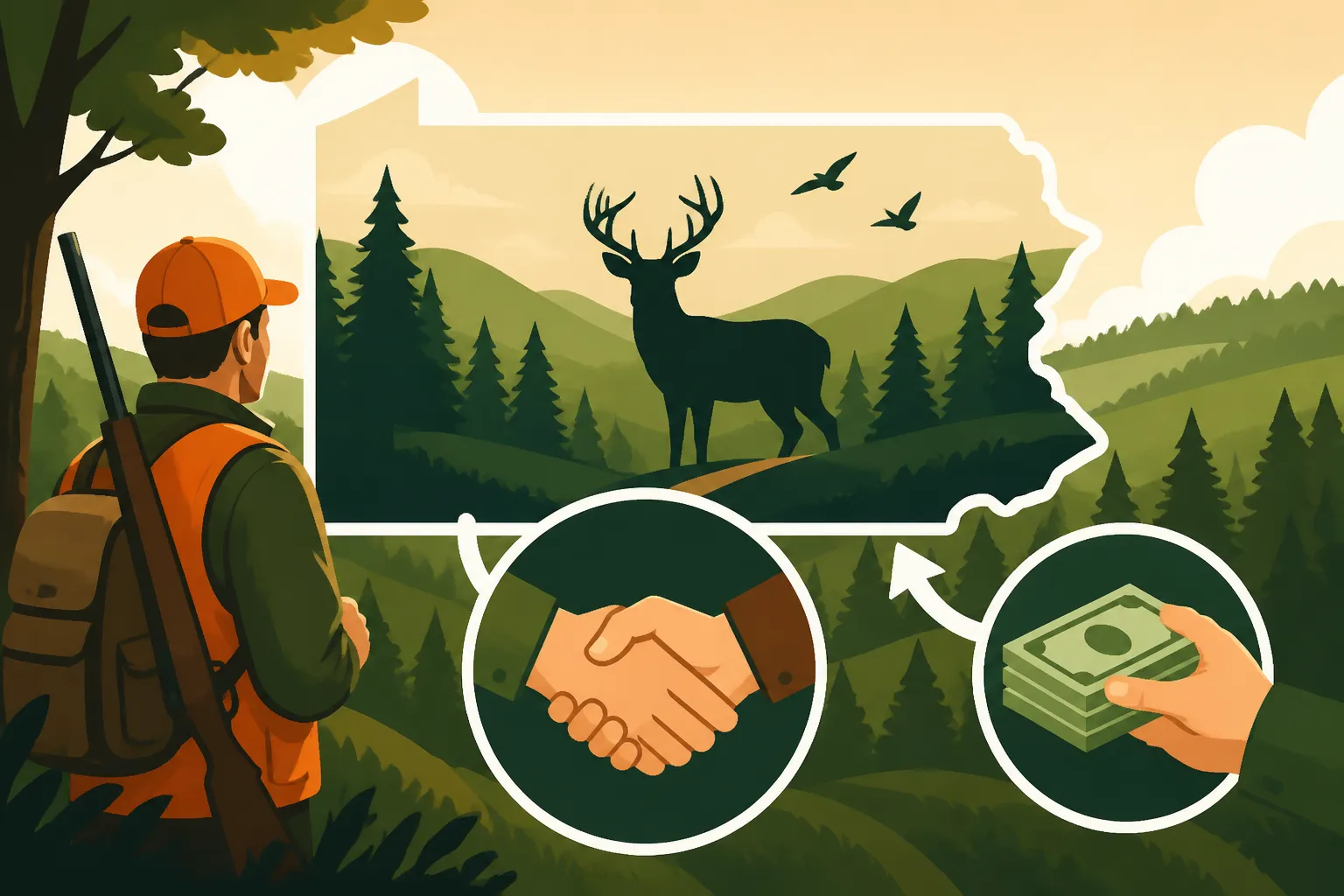
Many hunters across Pennsylvania cherish the vast State Game Lands, knowing they offer incredible opportunities for pursuing deer, bear, turkey, and small game. Yet, for many, the actual mechanics behind how these invaluable tracts of public land are acquired, funded, and maintained remain a bit of a mystery. It can feel like these lands simply are, when in reality, a dedicated and complex system is constantly at work. This guide will pull back the curtain on the various funding streams and processes that ensure Pennsylvania's Game Lands continue to grow and thrive for generations of outdoors enthusiasts.
The Foundation: Hunter Dollars at Work
At the very heart of Pennsylvania's State Game Lands system is the hunter. It's a fundamental truth that without the dedicated dollars spent by sportsmen and women, the public hunting opportunities we enjoy today simply wouldn't exist on the scale they do. This isn't just about a simple transaction; it's a powerful, self-sustaining conservation model unique to North America.
Hunting License Revenue
The most direct and significant contribution comes from the sale of hunting and furtaker licenses. Every time you purchase your annual general hunting license, a bear license, or an antlerless deer tag, a portion of that fee goes directly into the Game Fund. This fund is primarily dedicated to the acquisition, maintenance, and management of State Game Lands, as well as wildlife research and enforcement. It's a direct investment from the users back into the resource they cherish. Think about the pride you feel when you buy your license; it’s more than just a permit—it’s a direct contribution to the very places you love to hunt. For many, it's a point of honor to know their participation directly fuels conservation efforts. If you're curious about the different types of permits and how they contribute, you might want to read more on Pennsylvania Hunting Licences and What They Cost or Pennsylvania Hunter Education and Mentored Permits.
Pittman-Robertson Act Contributions
Beyond state-level license sales, a crucial federal funding mechanism plays an enormous role: the Wildlife Restoration Act, commonly known as Pittman-Robertson. Enacted in 1937, this act places an excise tax on firearms, ammunition, and archery equipment. When you purchase a new rifle, a box of shotgun shells, or a set of broadheads, a percentage of that sale goes into a federal fund. These funds are then apportioned to state wildlife agencies, like the Pennsylvania Game Commission, for approved wildlife restoration projects, including land acquisition and habitat management. It’s a brilliant, circular system where the tools of the trade directly finance the future of hunting and wildlife. This steady stream of federal aid, derived directly from manufacturers, provides a consistent and substantial boost to the Game Commission's ability to expand and improve public hunting grounds, adding significantly to the How Many Acres of Public Land Pennsylvania Has.
Beyond License Sales: Diverse Funding Streams
While hunter-generated funds form the bedrock, the Pennsylvania Game Commission also leverages a variety of other creative and often overlooked funding streams to support its mission of acquiring and managing State Game Lands. These diverse sources contribute to the overall financial health of the system, allowing for broader conservation efforts.
Timber Sales and Mineral Rights
Many of Pennsylvania's State Game Lands are forested, and thoughtful, sustainable timber management is a significant source of revenue. The Game Commission employs foresters who manage these timber resources, identifying mature stands for harvest. The revenue generated from these timber sales, often conducted through competitive bidding, flows directly into the Game Fund. This isn't just about money; it’s also a powerful habitat management tool. Carefully planned timber harvests create new early successional habitat, which is vital for deer, grouse, turkeys, and countless other species. Similarly, where mineral rights exist beneath Game Lands, the leasing of these rights for oil and gas extraction, when environmentally responsible and approved, can also contribute substantial revenue. These funds help finance ongoing land acquisition and habitat work, providing resources for efforts like Habitat Work on Pennsylvania Public Land and establishing Food Plots on Pennsylvania Game Lands.
Cooperative Agreements and Grants
The Game Commission actively seeks out and participates in various cooperative agreements and applies for grants from both public and private organizations. These might include federal grants for specific habitat restoration projects, partnerships with conservation groups, or even agreements with private landowners for public access. For example, some grants might target specific endangered species habitat improvements on Game Lands, or initiatives to combat invasive species. These funds supplement the core hunter-derived income, allowing for specialized projects that might not otherwise be possible.
Other Miscellaneous Revenue
There are numerous smaller, yet collectively important, revenue streams. These can include donations from individuals and conservation organizations, sales of promotional items, publications, and even fees for certain permits or services on Game Lands, such as special use permits for events or research. While individually smaller, these contributions add up and provide valuable flexibility for the Game Commission to respond to immediate needs or seize unique opportunities for land acquisition or enhancement.
Below is a summary of the primary funding sources for Pennsylvania State Game Lands:
| Funding Source | Description | Primary Contributor | Direct Link to Hunting |
|---|---|---|---|
| Hunting License Sales | Revenue from state hunting, furtaker, and related license purchases. | Hunters | High (Direct Purchase) |
| Pittman-Robertson Act | Federal excise tax on firearms, ammo, and archery equipment. | Manufacturers, Hunters | High (Product Purchase) |
| Timber Sales | Revenue from sustainable logging operations on Game Lands. | Commercial Logging, Game Comm. | Indirect (Habitat Management) |
| Mineral Rights Leases | Income from leasing subsurface rights for oil/gas extraction. | Energy Companies | Indirect |
| Grants & Partnerships | Federal, state, and private grants for conservation projects. | Various Agencies/Groups | Indirect (Targeted Projects) |
| Miscellaneous Income | Donations, merchandise sales, special permits, etc. | Public, Game Comm. | Low |
The Acquisition Process: Expanding Public Hunting
Understanding how Game Lands are funded is one thing, but how does a piece of private property actually become a cherished public hunting ground? The acquisition process is often a lengthy and detailed undertaking, driven by strategic planning and careful negotiation.
Identifying Key Tracts for Acquisition
The Pennsylvania Game Commission doesn't just buy any parcel of land that comes up for sale. There's a deliberate and strategic process for identifying properties that offer significant conservation and recreational value. This often involves detailed mapping analysis, looking for tracts that connect existing Game Lands, expand important wildlife corridors, or protect critical habitats like wetlands or old-growth forests. They might prioritize areas that fill in gaps within a larger public land block or secure access to otherwise landlocked public ground. When you're using a mapping tool like onX Hunt, you can often see how private parcels checkerboard around existing Game Lands; the goal is often to consolidate these. Sometimes, it's about securing access to vital water resources or expanding opportunities within popular hunting regions, adding to areas like Hunting Pennsylvania's Big Woods for Deer or Farm Country Deer Hunting in Southern Pennsylvania.
Negotiation and Due Diligence
Once a desirable tract is identified and the landowner expresses interest in selling, the real work begins. The Game Commission's land management staff initiates negotiations, working to secure a fair market price. This stage involves extensive due diligence, including title searches to ensure clear ownership, environmental assessments to identify any potential issues, and boundary surveys. It's a meticulous process, akin to buying any large piece of real estate, but with the added layer of ensuring the land will meet public hunting and conservation objectives. Hunters themselves might notice new signs going up, or an expansion of a familiar boundary, and it's this careful process that makes it possible. Using a reliable mapping app like onX Hunt can be incredibly helpful for hunters to understand these newly added boundaries and Finding Pennsylvania Property Lines in the field.
The Role of Conservation Partners
Often, the acquisition of new State Game Lands isn't solely a Game Commission effort. Various non-profit conservation organizations, such as the Rocky Mountain Elk Foundation, the Ruffed Grouse Society, or the National Wild Turkey Federation, frequently play a critical role. These groups might acquire land themselves and then transfer it to the Game Commission, or they might assist with funding or expertise during the negotiation phase. These partnerships are invaluable, leveraging additional resources and shared conservation goals to expand public access and protect crucial wildlife habitat across the state, thereby building upon the areas available for Pennsylvania Black Bear Hunting or even Spring Gobbler Hunting in Pennsylvania.
Stewardship and Management: Keeping Game Lands Productive
Acquiring land is just the first step. The ongoing work of managing and maintaining State Game Lands is continuous, ensuring that these areas remain biologically diverse, accessible, and productive for wildlife and hunters alike. This stewardship is just as vital as the initial purchase.
Habitat Management and Enhancements
Once a tract becomes a State Game Land, it immediately falls under the Game Commission's comprehensive habitat management plans. This isn't just about leaving it alone; it's about active management to create and maintain diverse habitats for a wide array of species. This can involve prescribed burning to rejuvenate forest undergrowth, creating early successional habitats through timber sales (as mentioned earlier), planting food plots and native forage for deer and turkeys, or restoring wetlands for waterfowl. Game Commission biologists and land managers are constantly evaluating the ecological needs of each specific Game Land to ensure it supports healthy wildlife populations. When you're out scouting, perhaps using onX Hunt to navigate the topography and identify potential hotspots, you might notice evidence of these habitat efforts, from clearcuts to planted fields. Hunting Pennsylvania Clearcuts and Regrowth is a perfect example of how habitat work directly benefits hunters.
Infrastructure and Access Maintenance
Beyond habitat, a significant portion of the Game Fund is allocated to maintaining the infrastructure that allows public access and use. This includes maintaining miles of administrative roads and gates, ensuring parking areas are safe and accessible, and keeping boundary lines clearly marked. Signage needs to be updated, trails need maintenance, and structures like small bridges or culverts require regular inspection and repair. These seemingly mundane tasks are crucial for ensuring that hunters can safely and legally access and enjoy these vast public resources. Understanding the rules for using these areas, such as Pennsylvania State Game Lands Rules, helps ensure everyone can enjoy them responsibly.
Law Enforcement and Public Safety
Another critical aspect of Game Land management is ensuring compliance with hunting regulations and promoting public safety. Game Wardens, funded largely by the Game Fund, patrol these lands to enforce laws, investigate violations, and educate the public. Their presence helps deter poaching, ensures ethical hunting practices, and promotes a safe environment for all users, whether they are hunters, hikers, or birdwatchers. This aspect is vital for preserving the integrity of the resource and the experience for everyone, especially when considering activities like Camping Rules on Pennsylvania Public Land or Treestand Rules on Pennsylvania Game Lands.
Disclaimer
This article is for general informational purposes only and does not constitute professional advice. Laws, prices and regulations vary by location and change over time. Consult a qualified professional for guidance on your specific situation.