Winslow Hill and the Elk Viewing Area
For many folks, the idea of seeing a wild elk in Pennsylvania is a bucket-list dream, a true testament to the incredible conservation efforts that have brought these magnificent animals back to our landscapes. Yet, figuring out where to go and what to expect can feel a little overwhelming when you're planning a trip into the heart of elk country. This guide will walk you through everything you need to know about Winslow Hill and the surrounding Elk Viewing Area, helping you make the most of your visit to witness Pennsylvania's majestic elk herd.
Winslow Hill: The Heart of Pennsylvania's Elk Country
If you’ve ever talked to someone about seeing elk in Pennsylvania, chances are Winslow Hill was one of the first places they mentioned, and for good reason. It’s become an iconic destination, a focal point where visitors can reliably observe these incredible animals in a somewhat predictable setting. But Winslow Hill isn't just a random spot; it's a strategically managed area designed to facilitate both public viewing and the continued health of the elk herd.
The History and Purpose of the Viewing Area
The story of Winslow Hill as a viewing area is intertwined with the broader narrative of elk restoration in Pennsylvania. Once extirpated from the state, elk were successfully reintroduced, and as their numbers grew, so did public interest. The Pennsylvania Game Commission (PGC), recognizing the unique opportunity and the potential for human-wildlife conflicts, began to develop designated viewing areas. Winslow Hill, with its open fields and commanding views of the surrounding mountains, proved to be an ideal location.
The primary purpose was twofold: to provide easily accessible points for the public to safely view elk, and to help manage the elk population by influencing their movement and feeding habits in certain areas. This isn't just about putting up a sign; it involves active habitat management, such as maintaining fields with specific forage to attract and hold elk, especially during peak viewing times like the fall rut. These efforts help draw elk away from private agricultural lands where they might cause damage, centralizing them in areas where people can appreciate them without disturbing private property or creating safety issues. It’s a delicate balance, and the PGC, along with local conservation groups, works tirelessly to maintain it.
What to Expect When Visiting Winslow Hill
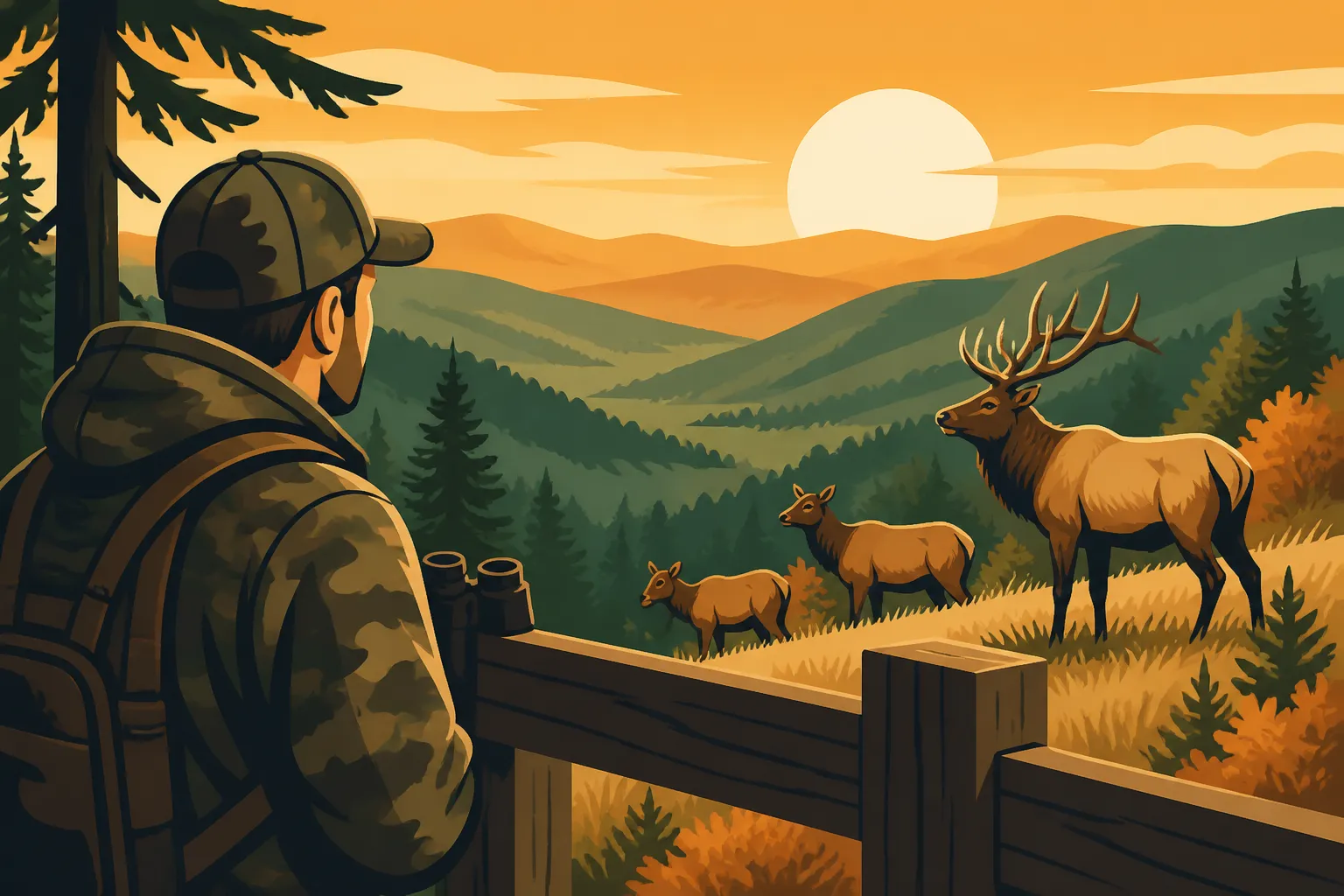
Visiting Winslow Hill, especially during the peak seasons, is an experience in itself. You'll often find a buzz of activity, with families, photographers, and avid wildlife enthusiasts all gathered, often armed with binoculars and spotting scopes. There are usually designated parking areas and observation platforms or clearings, designed to give you a good vantage point over the fields and hillsides where elk commonly graze. The atmosphere can be electric, particularly in the evenings during the rut, when the air vibrates with anticipation and the distant bugle of a bull elk sends shivers down your spine.
While the primary goal is seeing elk, you’ll also find educational kiosks and sometimes PGC staff or volunteers present, ready to answer questions and share insights about the herd. It’s a chance to learn more about Elk in the Pennsylvania Wilds and the intricate ecosystem they inhabit. Expect to share the experience with others, as it's a popular spot. While it might not be the solitary wilderness experience some hunters seek, it offers an unparalleled opportunity for up-close observation, providing a valuable foundation for understanding these animals, whether you plan to hunt them or simply appreciate them.
Beyond the Scenic Overlook: Understanding Elk Behavior
Winslow Hill offers more than just a pretty picture; it provides a living classroom for observing elk behavior. You might see cows grazing peacefully with their calves, spike bulls sparring playfully, or dominant bulls herding their harems during the rut. Pay attention to how they interact with each other, how they move across the landscape, and where they choose to bed down or feed. This firsthand observation is invaluable. For hunters, even though Winslow Hill itself is not a hunting area, understanding these behaviors is crucial. It gives you insight into their daily routines, their preferred forage, and their reactions to environmental factors.
You'll notice certain patterns: elk often feed heavily at dawn and dusk, retreating to thicker cover during the mid-day heat. During the rut, the bulls become much more vocal and aggressive, challenging rivals and constantly tending to their cows. Watching these dynamics unfold can deepen your appreciation for the animals and give you a more nuanced understanding of what to look for when you're out scouting, whether you're trying to find Where the Pennsylvania Elk Hunt Zones Sit or just appreciating the local wildlife.
Navigating Elk Country: Planning Your Visit
A successful trip to Winslow Hill and the broader elk country is all about timing and preparation. While the elk are generally present year-round, certain seasons offer unique viewing opportunities, and having the right tools can enhance your experience considerably, especially if you decide to explore beyond the main viewing areas.
Best Times to Visit for Peak Activity
The absolute best time to visit Winslow Hill for peak elk activity is hands-down the fall, particularly late September through early October, which is the height of the elk rut. This is when the bull elk are most active and vocal, bugling loudly to challenge rivals and attract cows. The sounds of the rut, combined with the vibrant autumn foliage, create an unforgettable experience. You'll often see mature bulls showcasing their impressive antlers and engaging in sparring matches. Early mornings and late evenings are almost always the most active times, as elk tend to feed and move more during cooler temperatures.
However, other seasons also offer unique views. Spring brings the calving season, with newborn calves appearing in May and June. Summer allows for viewing larger herds as they feed in the lush green fields. Even winter, though colder, can be rewarding, as elk often concentrate in accessible areas, and their dark forms stand out against a snowy backdrop. Just remember that winter means fewer daylight hours and potentially tougher travel conditions, but it also usually means fewer crowds. Regardless of the season, a good pair of binoculars is essential, and a spotting scope can turn distant specks into detailed observations.
Resources for Exploring Beyond Winslow Hill
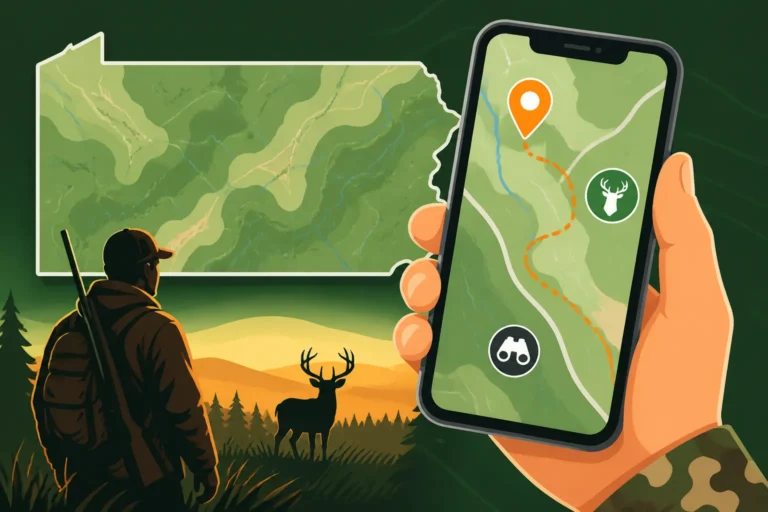
While Winslow Hill provides an excellent introduction to elk viewing, Pennsylvania's elk range is vast, covering hundreds of square miles of beautiful forest and open land. For those who want to delve deeper, or perhaps scout potential areas if they're lucky enough to draw an elk tag, mapping tools are invaluable. Applications like onX Hunt and GoHunt provide detailed satellite imagery, topographic maps, and crucial land ownership information, which is paramount in Pennsylvania.
With these tools, you can identify Public Land Inside Pennsylvania Elk Country, pinpoint food sources, potential bedding areas, and understand travel corridors that elk might use. You can mark waypoints of where you've seen sign or heard bugles, allowing you to build a detailed understanding of the landscape. For instance, onX Hunt allows you to see property lines clearly, which is critical for ensuring you're always on public or permissioned land when exploring. Even if you're just viewing, these apps can help you navigate forest roads, identify trail systems, and find less-pressured viewing spots away from the main hub. Understanding the topography and land features is crucial when contemplating Entry Routes on Steep Ground in this rugged terrain.
Responsible Wildlife Viewing and Safety Tips
The allure of massive elk can be powerful, but it's vital to remember that these are wild animals, and respectful viewing is paramount for both their safety and yours. Always maintain a safe distance. While elk at Winslow Hill might seem accustomed to human presence, they are still wild. The Pennsylvania Game Commission recommends staying at least 100 yards away from elk. Never approach them, and definitely never try to feed them. Feeding wildlife can lead to habituation, making them lose their natural fear of humans, which can become dangerous for both the animals and people.
During the rut, bull elk can be especially unpredictable and aggressive. Their focus is on breeding, and they will defend their cows and territory with intensity. Be aware of your surroundings, especially if you're walking through wooded areas. It’s always a good idea to let someone know your plans if you venture off the main roads. Remember that many other wild animals, including black bears, inhabit Pennsylvania Black Bear Hunting country, so proper precautions like carrying bear spray and making noise are wise if hiking in remote areas. A little common sense and respect go a long way in ensuring a safe and enjoyable experience for everyone, including the elk.
The Elk Herd's Broader Impact on Pennsylvania Hunting
Pennsylvania's elk herd is a true success story, not just for conservationists, but for hunters and local communities alike. The dedicated efforts to restore and manage this population have created a unique hunting opportunity and a significant economic driver for the region, extending far beyond the immediate thrill of seeing a bull at Winslow Hill.
Connecting Viewing to Hunting Opportunities
While Winslow Hill itself is a viewing area, the intimate observations you can make there offer invaluable lessons for hunters who are fortunate enough to draw one of Pennsylvania's highly coveted elk tags. Understanding elk movement patterns, their reaction to pressure, their preferred habitat types, and particularly the nuances of the rut (like When Pennsylvania Elk Bugle) can significantly improve a hunter's chances. A visitor to Winslow Hill might observe how elk use certain types of cover during different times of the day, how they respond to calls, or how they navigate open fields versus dense timber. This knowledge translates directly to scouting and hunting strategies in the rugged, wild public lands where elk hunting is permitted.
For instance, paying attention to the types of food sources the elk are utilizing at Winslow Hill can inform a hunter about what to look for in remote areas of the Pennsylvania Elk Hunt Zones. Observing the interactions between bulls and cows can teach you about herd dynamics and how to best approach a group of animals. It's like a free, immersive crash course in elk biology and behavior, offered in a comfortable, accessible setting. Even if you never apply for an elk tag, this understanding deepens your connection to the landscape and its wildlife, enhancing your overall appreciation for Hunting the Pennsylvania Wilds.
Conservation Efforts and Their Success
The presence of a thriving elk herd in Pennsylvania is a testament to decades of dedicated conservation work, a journey that began with initial reintroductions and has continued through careful management by the Pennsylvania Game Commission. The success of How Elk Returned to Pennsylvania is a point of immense pride for the state. This wasn't a fluke; it involved habitat improvement, scientific monitoring of Pennsylvania Elk Herd Size and Range, strict hunting regulations, and robust public education.
The PGC actively manages elk habitat through timber sales, prescribed burns, and maintaining forage plots to ensure a healthy and sustainable food supply. This ongoing commitment ensures that the elk population not only survives but continues to flourish, providing both viewing and hunting opportunities for generations to come. The efforts at places like Winslow Hill are a visible symbol of this larger conservation success, demonstrating how human intervention, when done thoughtfully and with long-term goals in mind, can reverse past mistakes and bring back iconic wildlife species.
The Economic and Community Benefits
Beyond the biological success, Pennsylvania's elk herd has become a significant economic driver for the rural communities within the elk range. Towns like Benezette, where Winslow Hill is located, have transformed into bustling hubs, especially during the fall. Tourists flock to the area, filling lodges, restaurants, and local shops. This influx of visitors creates jobs, supports small businesses, and generates tax revenue, all of which contribute to the vitality of a region that might otherwise struggle.
This tourism, largely centered around Elk Viewing at Benezette and the surrounding areas, indirectly supports conservation efforts. A portion of the funds generated through licenses, permits, and even tourism dollars often flows back into wildlife management programs, creating a positive feedback loop. It's a prime example of how wildlife can be an asset, driving economic growth while simultaneously fostering a deeper appreciation for the natural world among a broad audience. However, managing this level of visitation also brings challenges, such as balancing visitor access with minimizing disturbance to the elk and ensuring local infrastructure can handle the crowds. It's a dynamic interplay that communities and the PGC constantly work to refine.
Here's a quick look at what to expect from elk viewing throughout the year:
| Season | Typical Elk Behavior | Prime Viewing Activity | Considerations for Visitors |
|---|---|---|---|
| Spring | Calving season, cows with young, less vocal bulls | Calves, grazing herds | Fewer crowds, mild weather. Be mindful of new calves. |
| Summer | Large herds grazing openly, velvet antlers growing | Large herd viewing, casual grazing | Green landscapes, warmer weather, peak tourist season for general travel. |
| Fall | Rutting activity, bugling bulls, sparring, breeding | Peak Bugling & Rutting Action | Heaviest crowds, cooler weather, stunning foliage. Book accommodations early. |
| Winter | Concentrated feeding, shed antler dropping, larger groups | Spotting against snow, fewer crowds | Cold weather, potentially difficult travel. Elk may be more visible near food sources. |
Disclaimer
This article is for general informational purposes only and does not constitute professional advice. Laws, prices and regulations vary by location and change over time. Consult a qualified professional for guidance on your specific situation.