Retrieving Game From Private Land
There’s almost nothing more gut-wrenching for a hunter than making a good shot on a magnificent whitetail, only for that deer to run onto posted private property. You've done everything right – put in the scouting, practiced your shot, picked the perfect stand location – and now your hard-earned venison is just out of reach, stuck in a legal grey area. This guide will walk you through the proper, respectful, and legal steps to take when game you’ve legally harvested crosses onto land you don't have permission to access, helping you understand your rights and responsibilities in Pennsylvania.
The Frustration of a Downed Animal on Posted Land
That moment when you realize your deer has just crossed the clearly marked property line is a punch to the gut. All the excitement of the hunt turns into immediate anxiety. You see the blood trail leading directly into thick cover, then spot a "No Trespassing" sign, or worse, a house just beyond the boundary. It’s a common scenario, especially in Pennsylvania where public and private lands often intermingle, or where large tracts of private land border small parcels of State Game Lands or State Forests. The feeling of being so close, yet legally so far, can be incredibly frustrating. Hunters feel a deep ethical obligation to recover the animal, to not let the meat go to waste, but they also want to be law-abiding citizens and respectful neighbors.
Understanding Pennsylvania's Trespass Laws
Pennsylvania law is quite clear when it comes to trespassing. Generally speaking, entering private land without permission from the landowner is illegal. This includes crossing onto posted land, or even unposted land if you don't have explicit or implied permission to be there. There's no inherent right to retrieve game from private property you don't have permission to hunt. It doesn't matter how expensive your license was, how far you tracked the deer, or how fresh the blood trail is; the property owner's rights usually supersede your desire to recover your animal.
It's crucial to understand that even if you've been granted verbal permission to hunt a certain piece of property, that permission might not extend to tracking game onto an adjacent property. Each parcel of land is treated independently. Therefore, when your deer runs onto land you've never stepped foot on before, you're essentially back at square one in terms of seeking access. For a deeper dive, check out What Pennsylvania Trespass Law Requires.
The Ethical Dilemma vs. Legal Requirements
As hunters, we are taught the paramount importance of ethical recovery. We want to ensure no animal suffers unnecessarily and no meat is wasted. This strong ethical drive often clashes directly with the legal restrictions of private property. On one hand, you feel morally obligated to follow that blood trail, no matter where it leads. On the other, you know that doing so without permission could land you in legal trouble, with potential fines or even the loss of your hunting privileges. It’s a tough spot to be in, and it's why approaching this situation correctly is so vital. Your integrity as a hunter is also on the line; trespassing, even with good intentions, can sour relations with landowners for all hunters, making it harder for others to gain access in the future. We live in a state where a lot of prime hunting ground is privately owned, and maintaining good relationships is paramount for the future of our sport.
Navigating the Permission Process
When your animal crosses onto private land, your absolute first step, before taking another stride, is to try and secure permission from the landowner. This isn't just a courtesy; it's a legal necessity. Your success in recovering the animal often hinges on how you approach this delicate interaction.
How to Approach a Landowner
This is where your communication skills are tested. First and foremost, leave your weapon behind. You don't want to appear threatening or like you're trying to force your way onto the property. If possible, retrieve any equipment you've left at your stand (like a backpack or calls), but do not follow the blood trail. If you're hunting with a partner, have one person stay at the property line where the deer crossed, ensuring the blood trail is not lost, while the other goes to seek permission.
Here’s a general strategy:
- Timing: Try to make contact during daylight hours. Knocking on a door late in the evening or very early in the morning can be seen as intrusive.
- Appearance: Clean up a bit. Take off muddy boots if you're entering a house, remove your blaze orange if it feels too aggressive for the conversation. Present yourself respectfully.
- Introduction: Start by introducing yourself, explaining that you're a hunter, and what brings you to their door. Be polite and honest. "Good morning, my name is [Your Name]. I'm hunting deer on the property next door, and I regret to say a deer I shot ran onto your land. I’m hoping to get your permission to track it a short distance to recover it."
- Be Prepared: Bring your hunting license, and perhaps a small token of appreciation if you're comfortable. Many landowners appreciate a sincere, respectful approach. Offer to show them the general area, and assure them you will stick only to the blood trail and leave no trash or damage.
- Offer Specifics: If you know the exact location where the deer likely went down, offer that information. Be clear that you're only interested in retrieving your deer and not hunting their property.
- Respect Their Answer: Whether they say yes or no, thank them for their time. If they say no, you must respect that. Pressuring them or arguing will only make things worse.
- Bring Help, But Not a Crowd: If permission is granted, and you need help, try to keep the group small – maybe one or two trusted friends. Don't show up with a convoy of trucks and a dozen people.
Remember, a little common courtesy goes a long way. Many landowners are simply wary of unknown individuals on their property. Showing respect for their land and their decision is paramount. For more tips on interacting with landowners, consider reading Knocking on Doors in Pennsylvania Farm Country.
Tools to Help Identify Landowners and Boundaries
In today's age, technology is a huge asset in these situations. Gone are the days of guessing property lines or blindly knocking on doors.
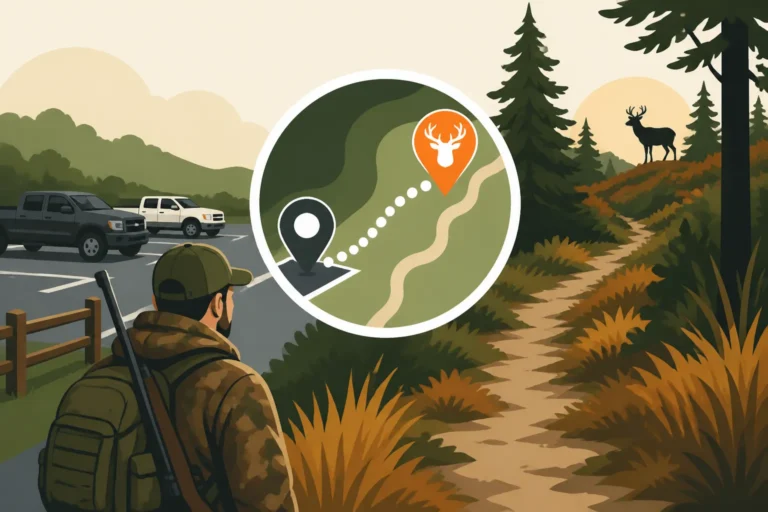
A crucial tool for any hunter in Pennsylvania, especially when dealing with property lines, is a good mapping app. Applications like onX Hunt are invaluable. These apps provide detailed satellite imagery, topographic maps, and most importantly, property ownership information and boundaries overlaid directly onto the map.
Here’s how they can help:
- Pinpointing Exact Locations: You can mark the spot where your deer crossed the line and where you believe it might have expired.
- Identifying Landowners: These apps often show the property owner's name and sometimes even contact information (though direct phone numbers are less common for privacy reasons, they often link to county records where public information might be found). This allows you to know exactly who to ask for by name.
- Visualizing Boundaries: You can see the exact property lines, which helps you assure the landowner you know where you are and where you intend to go.
- Accessing Public Records: If an app doesn't provide direct contact, it can often point you to county assessor's offices or tax parcel viewer websites where you can find public record information for contacting the owner.
- GoHunt is another resource that hunters use for various purposes, including some mapping features or planning tools that might indirectly assist in understanding land status, although onX Hunt is more specialized for parcel data.
Using these tools demonstrates your preparedness and respect for property boundaries, which can sometimes influence a landowner's willingness to grant access. Before the season even starts, it's a good habit to use these tools to Finding Pennsylvania Property Lines around your hunting areas, so you're not caught off guard. You can also utilize the Scouting With the Pennsylvania Mapping Center for public land resources and boundary verification.
What to Do if Permission is Denied or Unobtainable
Sometimes, despite your best efforts, a landowner might refuse permission. It's a tough pill to swallow, but their decision is final. Knowing your options, and the limitations of those options, is important to avoid further issues.
When the Answer is No: Your Options
If a landowner declines your request to enter their property, you must, absolutely and without question, respect their decision. It's their land, and they have the right to deny access for any reason. While it’s disheartening, and the ethical obligation to recover the animal feels immense, violating their property rights is not an option.
Here's what you cannot do:
- Enter anyway: This is trespassing, pure and simple, and can lead to legal charges, fines, and the potential loss of hunting privileges.
- Harass or threaten the landowner: This is illegal and completely unethical. It only serves to perpetuate negative stereotypes about hunters and makes it harder for everyone else to gain access in the future.
- Send someone else in without permission: This is still trespassing, even if you’re not the one physically on the property.
Your options, unfortunately, become very limited at this point. The reality is that if permission is denied, your chances of legally recovering that animal are slim to none. It's a harsh truth, but it's the law. The deer, regrettably, may go unrecovered. This is why gaining good permission before a hunt is so crucial, especially near known property lines.
Game Commission Involvement and Limitations
Many hunters, feeling the weight of the ethical dilemma, believe the Pennsylvania Game Commission (PGC) can intervene and force a landowner to allow access for game recovery. This is a common misconception.
The PGC's primary role is wildlife management and law enforcement related to hunting, not mediating private property disputes.
Here's what the PGC can and cannot do:
- They CANNOT force a landowner to grant access. The PGC does not have the authority to compel a private landowner to allow you onto their property, even if it's to recover legally shot game. A game warden might be willing to act as an intermediary, especially if they have a prior relationship with the landowner, but they cannot demand access.
- They CAN investigate a poaching incident. If there's suspicion that the deer was shot on the private property without permission (i.e., poaching), the PGC would investigate that. But if the deer was legally shot on your permitted property and merely crossed a boundary, their authority to intervene on your behalf is limited.
- They CAN advise you on the law. A game warden can reiterate the trespass laws and explain your options, but those options will always include respecting the landowner's decision.
- They MAY accompany you if permission is granted. In some rare cases, if a landowner is hesitant but ultimately agrees to allow access, they might feel more comfortable if a game warden is present to ensure you stick to the agreement and leave promptly. This is entirely at the discretion of the warden and the landowner.
Ultimately, relying on the PGC to force access is not a viable strategy. Your best bet is always a respectful, direct conversation with the landowner.
Best Practices to Avoid This Situation
Prevention is always better than cure, especially when it comes to the emotionally charged situation of a downed deer on private land. Taking proactive steps can significantly reduce your chances of ever facing this dilemma.
Scouting and Awareness of Property Lines
The absolute best way to avoid this problem is to know your boundaries before you ever step foot in the woods to hunt. This means thorough scouting and using modern mapping technology to your advantage.
- Pre-Season Homework: Before deer season opens, spend time studying maps of your hunting area. Use resources like the Using the Pennsylvania Mapping Center for public lands, and tools like onX Hunt to identify private property lines adjacent to where you'll be hunting. This will help you identify potential "hot zones" where a deer might cross onto private land.
- Physical Scouting: Walk the property lines you intend to hunt. Look for fences, old stone walls, changes in timber, or painted boundary markers. Sometimes, what looks like public land might have an irregular private parcel jutting into it, or vice versa. The more familiar you are with the actual ground, the better.
- Identify Landowners in Advance: If you know you'll be hunting near specific private properties, try to identify the landowners ahead of time using your mapping app or county records. Make a list of names and contact numbers. Even better, try to secure permission to track before the season, explaining the possibility of a deer crossing. This pre-emptive approach can make a world of difference.
- Mental Map: Develop a strong mental map of your hunting spot, noting landmarks that signify property lines. If you're hunting a ridge, know which side might send a deer onto a neighbor's property versus staying on yours.
Being intimately familiar with the land around your hunting area, both public and private, will help you make smarter decisions about where to place your stand and where to aim your shot. You can adjust your shot angle or even pass on a shot if you believe the deer is likely to expire on land you can't access.
Communication During the Hunt
Effective communication, both with those you hunt with and with any adjacent landowners you've already identified, is another layer of prevention.
- Hunting Partners: If you hunt with others, make sure everyone in your party understands the property lines and the plan for what to do if an animal crosses. Designate who will seek permission if needed. This avoids chaotic situations and ensures a consistent, respectful approach.
- Pre-existing Relationships: If you already have permission to hunt a specific private parcel, and you know the adjacent landowners, consider reaching out to them before the season starts. A quick, friendly conversation can go a long way. "Hey John, just wanted to let you know I'll be hunting deer on my side of the creek this season. If, by some chance, one runs onto your side, would it be okay if I reached out to you to track it?" Often, this kind of heads-up and respectful request is met with understanding. This is part of being a good neighbor, which is crucial for Getting Private Land Permission in Pennsylvania.
By being prepared, knowing your boundaries, and fostering respectful relationships with landowners, you can significantly reduce the stress and heartache associated with game crossing onto private property. While it might still happen occasionally, you’ll be much better equipped to handle it ethically and legally.
| Scenario | Action to Take | Outcome if Permission Denied |
|---|---|---|
| Deer Crosses Private Land | 1. Secure weapon. 2. Mark last blood. 3. Identify landowner. 4. Approach politely, explain situation, request permission. | Cannot enter. Deer likely unrecovered. Ethical frustration. |
| Landowner Grants Verbal Perm. | Enter only to track and recover. Stick to the agreement. Leave no trace. | Deer recovered. Strengthens hunter-landowner relations. |
| Landowner Refuses Permission | Thank them for their time. Respect their decision. Do NOT enter. | Cannot enter. Deer likely unrecovered. Hunter must accept loss. |
| Cannot Identify Landowner | Contact PGC for assistance, but understand their limitations. | Unlikely to gain access without owner. Deer likely unrecovered. |
| Suspicion of Poaching | Contact PGC immediately. Provide details. | PGC investigates. Hunter not involved in recovery, but reporting is vital. |
Disclaimer
This article is for general informational purposes only and does not constitute professional advice. Laws, prices and regulations vary by location and change over time. Consult a qualified professional for guidance on your specific situation.