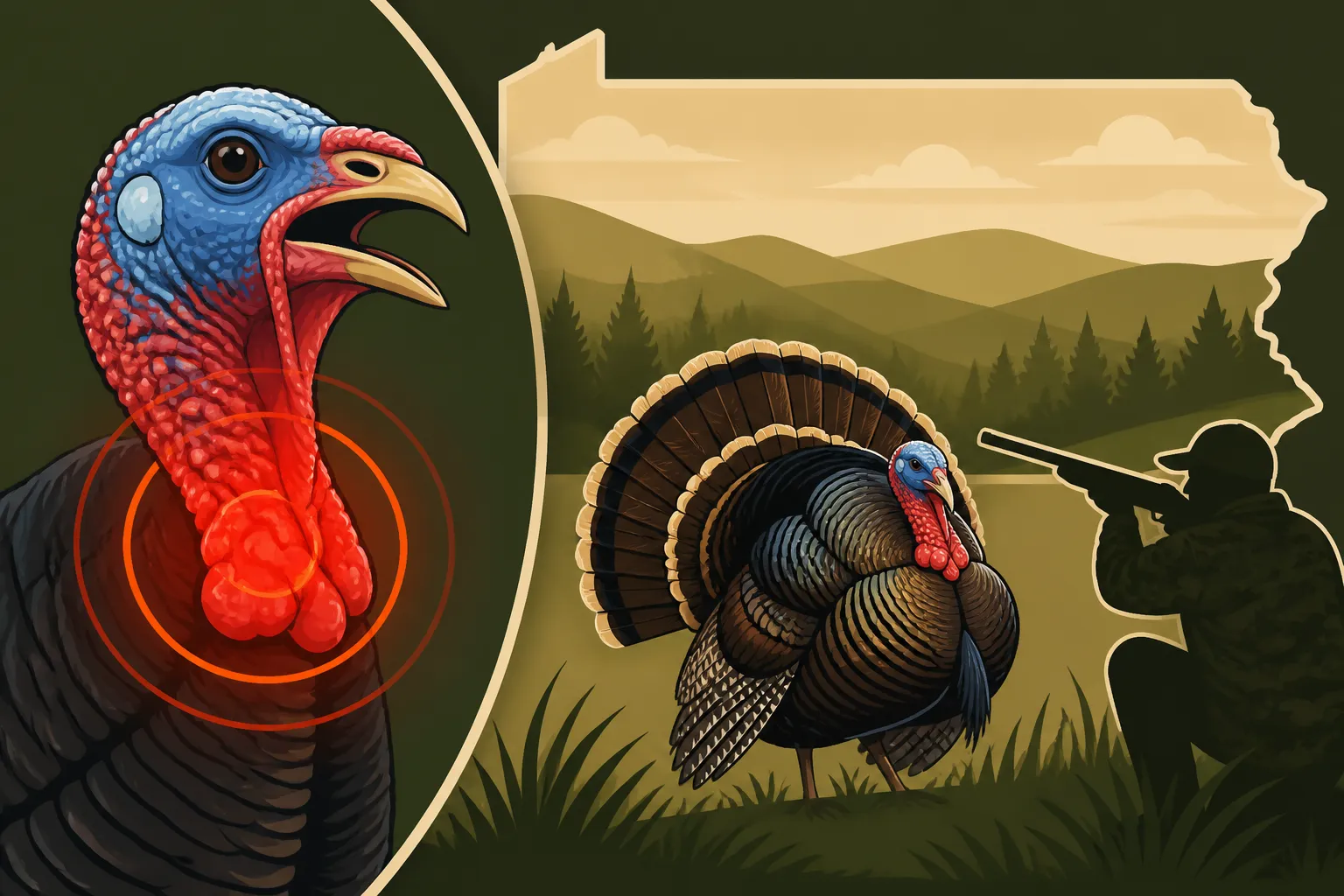
Turkey Chokes and Patterning
One of the most frustrating things for a Pennsylvania turkey hunter is feeling unprepared when that gobbler finally steps into range. You've spent countless hours scouting, endured cold mornings, and mastered your calls, only to wonder if your shotgun is truly ready. A sloppy pattern or a misunderstanding of your choke can turn a dream hunt into a heartbreaking miss. This guide is here to walk you through everything you need to know about selecting the right turkey choke and meticulously patterning your shotgun to ensure you’re making the most ethical, effective shots when the moment of truth arrives this spring.
Understanding Turkey Chokes: The Heart of Your Pattern
Think of your choke tube as the conductor of an orchestra, guiding every pellet in your shotgun shell to perform its best. Without the right choke, your carefully chosen turkey load can go astray, leading to patterns that are either too wide, too sparse, or simply inconsistent. In Pennsylvania's diverse turkey habitats, from tight ridge-tops to open fields, having a precisely matched choke is non-negotiable for success.
The Role of Constriction in Turkey Hunting
A choke tube is essentially a constriction at the muzzle end of your shotgun barrel, designed to control how quickly the shot column spreads after leaving the bore. For turkey hunting, we're talking about very tight constrictions because our goal is to put as many pellets as possible into a small, critical area – a gobbler's head and neck – at distances that can sometimes stretch out to 40 yards or more. Unlike wingshooting, where a wider, more forgiving pattern is often desired, turkey hunting demands dense, concentrated patterns. This tight pattern ensures that when you pull the trigger, you're delivering a lethal payload that incapacitates the bird quickly and humanely. A choke that's too open will scatter pellets, risking a wounded bird or a clean miss, while one that's too tight for your load might create a pattern that's too small at closer ranges, making it harder to hit.
The level of constriction is measured in thousandths of an inch, representing how much smaller the choke's diameter is compared to the bore of your barrel. For example, a standard "full" choke might constrict the bore by about .035 inches, while a dedicated "turkey" choke could be .060 inches or more. This seemingly small difference translates into a dramatic change in how your pellets group downrange. It's about finding that perfect balance where your pellets form a lethal cloud at your maximum effective range, without being so tight that it's unforgiving at closer distances.
Common Choke Constrictions and Their Applications
When you look at the market, you'll see a spectrum of turkey chokes, from "Extra Full" to "Super Full" and various proprietary "Turkey Specific" constrictions. A good starting point for many hunters might be an "Extra Full" choke, which offers a tighter pattern than a standard full choke, making it suitable for modern turkey loads. However, for those looking to maximize their range and pellet density, especially with heavier-than-lead loads, a "Super Full" or specialized turkey choke is often preferred.
These specialized chokes, often from brands like Carlson's, Indian Creek, or Jebs, are designed specifically for the unique characteristics of turkey loads. They aren't just tighter; their internal geometry is often engineered to strip the shot wad cleanly, reduce pellet deformation, and provide the most uniform, dense pattern possible. Some chokes are even optimized for specific shot sizes, like smaller TSS pellets, which require different constriction ratios than traditional lead shot to achieve peak performance. The key is that these chokes are pushing the limits of constriction to achieve the tightest possible pattern, aiming to put enough pellets into a 10-inch circle at 40 yards to ensure a clean kill.
Material and Design Considerations
Beyond constriction, the material and design of your choke tube play a significant role. Most turkey chokes are made from durable stainless steel, but some advanced options might incorporate exotic alloys for increased strength and longevity, especially when dealing with the higher pressures and abrasive nature of modern tungsten loads. Many turkey chokes are also "extended" – meaning they protrude beyond the end of your barrel. This extension serves a few purposes: it provides a longer parallel section for the shot to stabilize before exiting, can help protect your muzzle, and often allows for porting.
Porting refers to small holes or slots cut into the extended portion of the choke. These ports are designed to vent gases as the shot column exits, which can help reduce recoil and muzzle jump. While recoil reduction is always a welcome benefit, especially with heavy turkey loads, the primary advantage for some hunters is faster follow-up shots or simply a more comfortable patterning session. However, it's worth noting that ported chokes can be louder. When considering your gear, think about how it will perform in the field; a consistent platform is key to getting the most out of your setup. Platforms like GoHunt can help you visualize the distances and terrain you might encounter, influencing your choke choice.
The Art and Science of Patterning Your Turkey Gun
You wouldn't head out on a deer hunt without zeroing your rifle, and the same goes for turkeys. Patterning your shotgun is perhaps the most critical step in preparing for Spring Gobbler Hunting in Pennsylvania. It’s not just about knowing where your gun shoots; it’s about understanding exactly how it shoots, how dense your pattern is, and what your true ethical range is with your specific setup.
Why Patterning Isn't Optional, It's Essential
Patterning is the non-negotiable trial run that tells you precisely what your choke and load combination will do downrange. You might have the best turkey choke on the market and the most expensive tungsten super shot (TSS) ammunition, but if they don't work well together in your specific shotgun, you're simply guessing. Many hunters assume that if their shotgun has a "turkey choke," it's good to go. This is a dangerous assumption. Every shotgun barrel is unique, even within the same model, and it will often throw different patterns with various chokes and loads.
The whole point of patterning is to establish your maximum effective range. This isn't just the farthest distance your pellets can reach; it's the farthest distance at which your specific setup consistently delivers enough pellets into the vitals (the head and neck of a turkey) to ensure a clean, ethical kill. For many, that's typically a 10-inch circle, and you want a minimum of 8-10 lethal pellets within that circle for reliable incapacitation. Knowing this range prevents you from taking questionable shots that could result in a wounded bird, a scenario every ethical hunter wants to avoid.
The Patterning Process: Step-by-Step Guide
Patterning isn't complicated, but it requires patience and attention to detail. Here’s how to do it effectively:
- Set Up Safely: Find a safe place to shoot, like a designated range. Always use proper hearing and eye protection. Bring a sturdy shooting rest or sandbags to eliminate human error in aiming.
- Target Selection: Use large paper targets, at least 2×2 feet, with a clearly marked 10-inch circle or turkey head silhouette. Many commercial patterning targets include this.
- Choose Your Distance: Start close, say 20-25 yards, to ensure you're on paper, then move out to your anticipated maximum range, usually 40 yards. You might also want to test at 30 and 50 yards to understand the fall-off in pattern density. For more on this, check out Patterning a Turkey Gun at 40 Yards.
- Shoot From a Rest: Consistency is key. Rest your shotgun firmly on sandbags or a lead sled. Your goal is to isolate the performance of the gun, choke, and load, not your personal shooting skill.
- Fire Three Shots per Load/Choke Combination: Don't rely on just one shot. Shotgun patterns can vary slightly. Fire three separate shots at clean targets for each choke and load combination you want to test. Aim for the center of your target.
- Analyze Your Pattern:
- Point of Impact: Where is the densest part of your pattern relative to your aim point? You want it centered. If it's consistently high, low, or off to a side, you might need to adjust your sights or optics.
- Pellet Count: Count the number of pellets that fall within a 10-inch circle (or the vital zone of a turkey head target). You're looking for consistent pellet counts – typically 8-10 or more lethal pellets for a clean kill.
- Pattern Uniformity: Are there any large gaps or "holes" in your pattern within that 10-inch circle? A uniform pattern ensures that a gobbler's head isn't going to slip through an empty spot.
- Record Your Findings: Keep notes on which choke/load produced which pattern at what distance. This data is invaluable for future reference.
Remember, finding the best combination often takes time and a few boxes of shells. Don't rush it. This is an investment in ethical hunting and a full game vest.
Ammunition Selection and Its Impact
The ammunition you choose is just as critical as your choke. Different turkey loads, even from the same manufacturer, will pattern differently through the same choke. The most common types you'll encounter are:
- Lead Shot: Traditional, affordable. Often available in shot sizes #4, #5, or #6. While still effective, lead shot generally has less energy and penetrates less than other options, especially at longer ranges.
- Copper-Plated Lead Shot: These pellets are harder and deform less, leading to slightly tighter patterns and better penetration than plain lead.
- Hevi-Shot/Other Tungsten Alloys: These materials are denser than lead, meaning smaller pellets retain more energy and penetrate deeper. They offer increased range and lethality.
- Tungsten Super Shot (TSS): The king of turkey loads. TSS is incredibly dense, roughly twice as dense as lead. This allows for very small shot sizes (like #7, #9, or #10) that carry incredible energy and penetration. The smaller pellet size means you can fit many more pellets into a shell, resulting in incredibly dense patterns. However, TSS is significantly more expensive.
When patterning, you absolutely must test the specific brand, load, and shot size you intend to hunt with. Swapping from a #5 lead load to a #9 TSS load, even with the same choke, will drastically change your pattern. The dense, hard TSS pellets often prefer a tighter choke constriction than lead to truly shine. Experimenting with different loads through your selected choke is the only way to truly unlock your shotgun's potential.
Optimizing Your Setup for Pennsylvania Gobblers
Once you've done the legwork of patterning, the final step is to refine your setup to be as effective as possible in the field. This isn't just about the hardware; it's about your confidence and ability to execute when that moment arrives. Whether you're hunting the big woods of the north or the farm country of southern Pennsylvania, a well-optimized setup will serve you well.
Finding the Sweet Spot: Choke, Load, and Range
The "sweet spot" is where your choke, load, and effective range align perfectly for maximum lethality and confidence. It’s the combination that delivers the most uniform, dense pattern within that critical 10-inch circle at the furthest distance you're comfortable shooting. For many, that might be 40 yards, but with modern TSS loads and optimized chokes, some hunters can push that out to 50 yards or slightly beyond, if their pattern truly supports it. Never guess this distance.
To find your sweet spot:
- Start with a dedicated turkey choke for your shotgun. Don't try to make a Modified choke do a turkey choke's job.
- Acquire a few different brands/types of turkey loads, including at least one modern heavy-hitter like TSS, in the shot size you prefer.
- Go through the detailed patterning process described above, testing each load through your choke at 20, 30, 40, and possibly 50 yards.
- Analyze each target, counting pellets in the 10-inch circle and checking uniformity.
- Identify the combination that consistently puts the most pellets into the kill zone with a good, even spread at your desired maximum range. This is your sweet spot.
It's common to find that one specific load will perform significantly better than others through your chosen choke. Don't be afraid to try different brands, even if they're a bit more expensive; the cost of a few extra shells for patterning is negligible compared to the disappointment of a missed gobbler or, worse, a wounded one. This optimization process is part of becoming a truly prepared hunter, much like using a tool like GoHunt to scout potential turkey roosting areas or travel corridors before the season starts.
Dealing with Recoil and Anticipation
Heavy turkey loads, especially those with 3-inch or 3.5-inch shells packed with dense shot, generate substantial recoil. This can lead to flinching or anticipating the shot, which can throw off your aim, even from a solid rest. Dealing with recoil is part of the patterning process:
- Padded Shoulder: Wear a recoil pad on your shoulder or a thick jacket during patterning sessions. Recoil-reducing shirts or vests are also available.
- Proper Technique: Practice a firm, consistent cheek weld and grip. Lean into the shot.
- Recoil Reduction Devices: Some shotguns come with or can be fitted with recoil-reducing butt pads or mercury recoil reducers in the stock. Ported chokes, as mentioned earlier, can also help.
- Break Up Sessions: Don't shoot 20 heavy loads back-to-back. Take breaks. Shoot a few rounds, analyze, then rest before the next set. This helps prevent flinching from setting in.
Managing recoil effectively allows you to focus on aiming and pulling the trigger smoothly, which directly translates to better patterns and more accurate shooting in the field. If you are consistently flinching during patterning, it's a clear sign you need to address recoil before you head to the woods for Calling a Pennsylvania Gobbler Off the Roost.
Beyond the Pattern: Other Considerations for Success
While choke and patterning are paramount, other elements contribute to your overall success with a turkey shotgun:
- Sights and Optics: Many turkey hunters opt for an aftermarket sighting system.
- Fiber Optic Sights: These bright, highly visible sights are excellent for quick target acquisition in varying light conditions. They are simple, rugged, and reliable.
- Red Dot Sights: A red dot sight offers a single point of aim, making it incredibly precise and fast. It eliminates parallax, meaning as long as the red dot is on the turkey's head, you'll hit it, regardless of your eye position. They are particularly popular with hunters using tight patterns at longer ranges. Just be sure to zero it properly after you've patterned your gun.
- Practice, Practice, Practice: Once your gun is patterned, take a few shots from field positions – kneeling, sitting, leaning against a tree. This helps build muscle memory and confidence. You might not get a perfect bench rest shot in the woods.
- Know Your Limits: Your patterned range is your ethical limit. Stick to it. Don't push a shot beyond what you've proven your gun and your skill can handle. Respect for the game means making a clean kill every time.
- Gear for the Field: Don't forget the rest of your kit! A comfortable Turkey Vest and Seat Choices can make all the difference during those long waits, and effective Turkey Calls Worth Carrying in Pennsylvania are crucial for luring those gobblers close. Consider Face Masks and Gloves for Turkey Hunting to break up your silhouette. All these pieces come together to create a successful hunt.
By meticulously focusing on your choke, religiously patterning your shotgun, and fine-tuning the rest of your gear, you’ll step into the Pennsylvania turkey woods with the confidence that you are ready for any gobbler that answers your call.
| Choke Type | Typical Constriction (Approx.) | Primary Use | Best for Shot Type | Range Expectation (with ideal load) |
|---|---|---|---|---|
| Full | .020 – .035 inches | Good for larger shot sizes, closer ranges | Lead, Copper-plated | Up to 30-35 yards |
| Extra Full | .040 – .055 inches | Standard turkey choke, balances density and spread | Lead, Heavy Lead | Up to 40 yards |
| Turkey Specific | .055 – .070+ inches | Maximum density, tight patterns, longer range | TSS, Heavy Tungsten | Up to 50 yards (if patterned) |
Disclaimer
This article is for general informational purposes only and does not constitute professional advice. Laws, prices and regulations vary by location and change over time. Consult a qualified professional for guidance on your specific situation.