Archery and Muzzleloader Bear Tactics
Hunting black bears in Pennsylvania with archery equipment or a muzzleloader presents a unique and incredibly rewarding challenge, but it's often fraught with frustration. Bears are notoriously elusive, inhabit incredibly thick cover, and their seasons can feel fleeting, leaving many hunters feeling like they're chasing ghosts. This comprehensive guide will equip you with proven tactics, scouting strategies, and gear insights to significantly increase your odds of success in the bear woods with a bow or traditional firearm.
Understanding Pennsylvania's Bear Seasons for Archery and Muzzleloader Hunters
Before you even step foot in the woods, it's crucial to understand the specific season structures for archery and muzzleloader bear hunting in Pennsylvania. These aren't just minor variations; they dictate when you can hunt, how much pressure you'll face, and ultimately, your tactical approach. Many hunters get caught up in the excitement and miss these critical distinctions, only to find themselves unprepared or, worse, hunting illegally.
The October Archery Bear Season Window
Pennsylvania offers a dedicated archery bear season that typically overlaps with the general archery deer season in late October. This is a prime, albeit short, window for bowhunters. The biggest advantage here is often less hunting pressure compared to the general firearms season. You'll find yourself in the woods with other dedicated archers, many of whom are focused on deer, allowing for a more serene experience. However, bears are still actively feeding, often on hard mast like acorns or beech nuts, making them predictable if you can find their food source. The challenge lies in the thick October foliage, which can make long-range spotting nearly impossible and reduce shooting lanes to mere tunnels, demanding a high level of stealth and close-quarters execution. This early season requires careful consideration of the Pennsylvania Bear Seasons and Licences to ensure you're on the right side of the law.
Muzzleloader Opportunities Beyond Archery
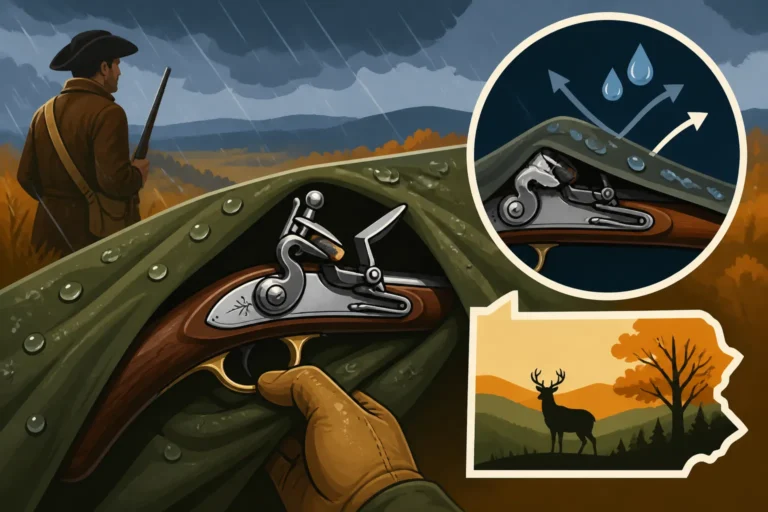
For those who enjoy the challenge and tradition of a muzzleloader, Pennsylvania typically offers opportunities beyond the archery-only window. Sometimes, an extended muzzleloader deer season might also permit bear hunting, or a specific muzzleloader bear season is established. These seasons are often later in the fall, pushing into colder weather, which can present its own set of challenges and advantages. Later seasons mean deciduous trees have dropped their leaves, opening up the woods and increasing visibility. However, bears might be moving towards dens, making them harder to pattern, and snow or freezing rain can make keeping a muzzleloader dry and functional a real test of preparation. Understanding the nuances of Flintlock Season Tactics in Pennsylvania can also offer some crossover insights for general muzzleloader use, especially when it comes to dealing with harsh weather.
Extended Bear Seasons and Their Unique Challenges
Beyond the primary seasons, Pennsylvania sometimes implements extended bear seasons in specific Wildlife Management Units (WMUs), particularly those with higher bear populations or those designated as extended areas. These seasons often run concurrently with late antlerless deer seasons or even into early December. While these offer additional chances, they come with significant changes. Bear behavior shifts dramatically as winter approaches. Food sources become scarcer, and bears may become more nocturnal or den-bound. Hunting pressure can also be highly variable – sometimes lower due to the cold, other times concentrated in specific areas as hunters target both deer and bear. The late season also means dealing with potentially deep snow, bitter cold, and the demanding logistics of tracking and recovering a bear in truly challenging conditions. Being prepared for Hunting Deer in Deep Pennsylvania Snow can provide valuable insights into managing similar conditions for bear hunting.
Scouting Strategies for Bow and Muzzleloader Success
Effective scouting is the bedrock of any successful bear hunt, and it’s even more critical when you're limited to a bow or muzzleloader. You're not just looking for bear sign; you're looking for current bear sign, often tied to very specific food sources and travel corridors. Many hunters just wander aimlessly, hoping to stumble upon a bear, but a strategic approach dramatically improves your chances.
Reading Bear Sign in Thick Cover
Pennsylvania's bear habitat is often synonymous with thick, gnarly cover—mountain laurel thickets, rhododendron hells, and dense regeneration from timber cuts. Bears thrive in these environments, making their sign harder to spot than deer tracks in a field. Look for rubbed trees, especially along trails, where bears will mark their territory, sometimes leaving hair or claw marks. Scat is a goldmine of information, indicating what they're eating and how recently they've been in the area. Torn-up logs and overturned rocks are clear indicators of a bear digging for grubs and insects. Tracks, while sometimes elusive in the dense undergrowth, are unmistakable once found. Remember, you're looking for evidence of current activity. Old, weathered sign is interesting, but fresh sign—wet scat, recent rubs, soft tracks—is what truly matters. This kind of diligent observation is key to Finding Bear Sign in Mountain Laurel.
Locating Key Food Sources
Bears are creatures of opportunity, and their movements are heavily dictated by food availability. For bow and muzzleloader seasons, this often means focusing on hard mast. Oaks are king, and finding a productive oak ridge or bench that's dropping acorns can be like finding a pot of gold. Beech nuts, if available, are another highly coveted food source. Don't overlook soft mast either, especially earlier in the archery season—wild grapes, apples in old orchards, or berries. Bears will gorge on these to pack on weight before winter. Scouting these food sources means walking until your legs burn, but when you find a concentration of fresh droppings and disturbed ground under a productive oak, you've found a high-value area. The availability of food sources can shift year to year, so pre-season legwork is non-negotiable. Understanding Hunting After the Acorn Crop Fails can help you adapt when your primary food source disappears.
Using Technology for Pre-Season Scouting
In today's hunting world, technology can be a huge asset in reducing the amount of "cold" walking you need to do. Satellite imagery and topographic maps, especially those found on apps like GoHunt, can help you identify potential bear habitat from your couch. Look for steep, north-facing slopes with dense cover that might hold daytime bedding areas, or identify large oak flats that could be productive food sources. GoHunt's mapping features allow you to mark waypoints for promising areas, measure distances, and even identify property boundaries, which is crucial for public land hunters. You can pinpoint saddles, benches, and creek bottoms that serve as natural travel corridors. While technology won't replace boots on the ground, it can certainly make your time in the woods more efficient and targeted, helping you narrow down vast tracts of public land. This analytical approach complements more traditional methods like Scouting Pennsylvania Public Land Before Season.
Archery-Specific Tactics for Pennsylvania Bears
Bowhunting bears demands precision, patience, and nerves of steel. Unlike rifle hunting where you might get a wider window for a shot, archery requires a bear to be within a very specific range, broadside, and unaware of your presence. This makes the game much more intimate and challenging.
Stand Placement and Scent Control
When bowhunting bears, stand placement is paramount. Bears have an incredible sense of smell, far superior to a deer's. You need to identify a key travel corridor or feeding area and set up with the wind in your favor, ideally on a pinch point or funneled terrain feature. Consider the sun's angle and how it might impact your visibility at prime hunting times. Climbing stands or saddle hunting allows for flexibility, letting you adjust to conditions, but a pre-hung set in a proven area can also be deadly. Ensure your setup provides clear shooting lanes for short-range shots, typically under 25 yards. As for scent control, it's not optional—it's absolutely mandatory. Use scent-eliminating sprays, wash your clothes in scent-free detergent, and store them in sealed bags. Even minor human odor can send a bear running, long before you even know it's there. This meticulous approach is even more critical when you're Hanging a Stand on an Oak Bench where bears are actively feeding.
Calling and Baiting Where Legal
Unlike many other states, baiting for bears is illegal in Pennsylvania. This means hunters must rely on natural food sources and traditional hunting methods. However, calling can be a highly effective, albeit underutilized, tactic for bears in Pennsylvania. Distress calls, particularly fawn bleats or rabbit distress calls, can pique a bear's curiosity. Bears are opportunistic predators and scavengers, and the sound of an injured animal can draw them in, sometimes surprisingly quickly. Aggressive roars or grunts can also be used, though these are more advanced tactics and should be practiced diligently. The key is to be in a position where you have good visibility and can draw your bow undetected if a bear responds. Start soft and increase volume, mimicking a struggling animal. Always be prepared for a quick shot, as bears can move in silently and quickly.
Shot Placement and Tracking a Bear
The vitals on a bear are positioned differently than on a deer, sitting further forward and lower in the chest cavity, protected by heavy bone and muscle. For a bow shot, you're aiming for the crease behind the shoulder, slightly lower than you might for a deer, to hit the lungs and heart. A slightly quartering-away shot can open up the rib cage, but avoid a sharp quartering-to shot, which can be very risky. After the shot, resist the urge to immediately pursue. Bears are incredibly tough animals, and a wounded bear can be dangerous. Give the bear at least an hour, or even longer (2-4 hours, or overnight if weather permits) before taking up the trail, especially if the hit isn't obviously lethal. When tracking, move slowly and deliberately, looking for blood, broken branches, and disturbed leaves. A bear can travel surprisingly far, even with a fatal wound. Having a partner is invaluable for tracking, as fresh eyes can spot what you've missed. For a deeper understanding of this critical moment, consult guides on Shot Placement on a Black Bear.
Muzzleloader Tactics for Close-Range Bear Hunting
Muzzleloader hunting combines the challenge of single-shot precision with the power to take down a tough animal like a bear. These hunts demand a different mindset than modern rifle hunting, emphasizing deliberate movement, accurate shot placement, and a deep respect for the firearm's capabilities and limitations.
Understanding Muzzleloader Limitations and Strengths
Muzzleloaders, whether traditional flintlocks or modern inline designs, come with inherent limitations. They are single-shot firearms, meaning you get one chance, and reloading is a slow, methodical process. This makes follow-up shots practically impossible in a quick encounter. Their effective range is also generally shorter than modern rifles, typically within 100-150 yards for most hunters, depending on the caliber, load, and hunter's proficiency. This limitation forces you to get closer, making the hunt more challenging and rewarding. However, muzzleloaders also have immense strengths. They often throw heavy, large-diameter projectiles, delivering significant energy and creating large wound channels, which is ideal for big, tough animals like bears. Their loud report and visible smoke plume add to the traditional hunting experience, connecting you to generations past. Many hunters enjoy the added challenge and sense of accomplishment that comes with harvesting a bear with a muzzleloader.
Still-Hunting and Stalking Approaches
Given the shorter effective range of a muzzleloader and the nature of bear hunting in thick Pennsylvania cover, still-hunting and stalking become incredibly effective tactics. Still-hunting involves moving slowly, taking a few steps, then pausing for several minutes to scan, listen, and observe. This deliberate pace allows you to pick apart the cover, detect subtle movements, and hear faint sounds a bear might make. Focus on areas with fresh sign or active food sources. When you spot a bear, stalking becomes crucial. Use topography, thick vegetation, and wind to your advantage, closing the distance to within your muzzleloader's effective range. This requires immense patience and an understanding of bear behavior. If a bear is feeding, the sounds of its activity can mask your approach, but be mindful of their incredible sense of smell and hearing. Moving silently through a crisp, leaf-covered fall woods is a learned skill that pays dividends for both deer and bear.
Post-Shot Protocol for Muzzleloader Kills
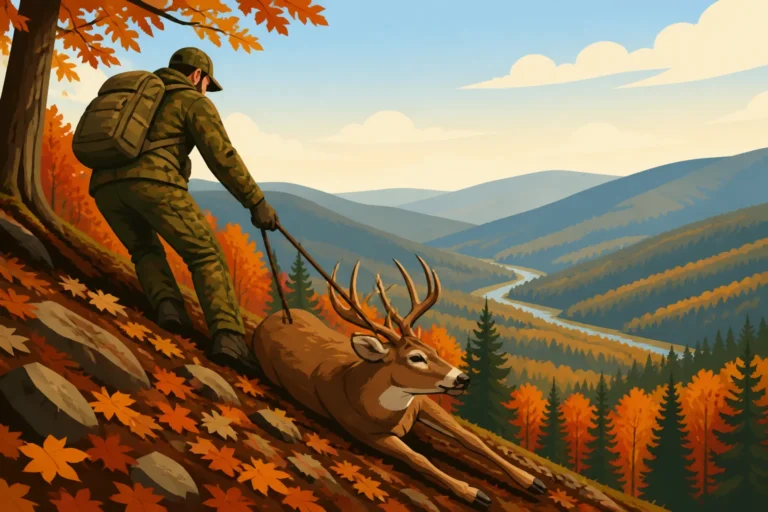
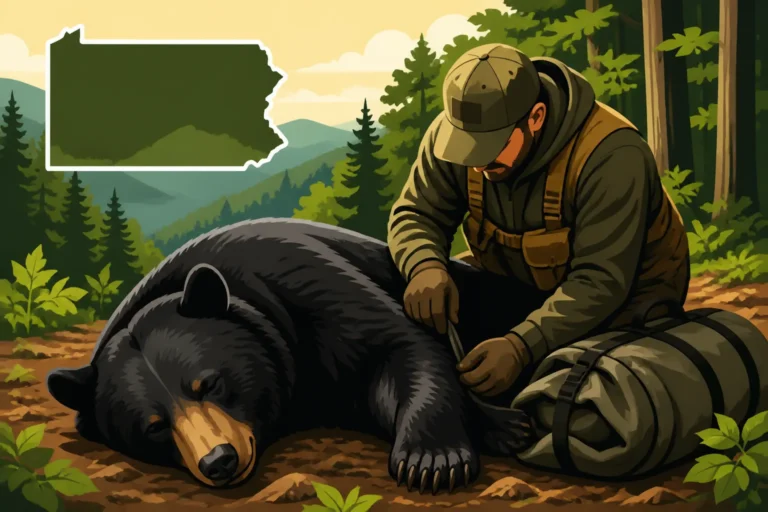
The moment of truth with a muzzleloader is unique. The recoil, the flash, and the cloud of smoke obscure your view, making it difficult to immediately assess the shot. This visual obstruction means your first priority after squeezing the trigger is to reload immediately if possible, but also to focus on where the bear went. Listen for crashing, rolling, or grunting sounds. Mark the spot where the bear was standing at the shot, as well as its direction of travel. Just like with archery, giving the bear time is crucial. While a muzzleloader shot is often devastating, bears are incredibly tenacious. A minimum of 30 minutes to an hour is advisable for an obvious good hit, and 2-4 hours or longer for questionable shots. This patience allows the animal to expire and reduces the risk of pushing a wounded bear into an even thicker, more inaccessible area. Always approach the blood trail cautiously, muzzleloader ready, especially in dense cover. For a smooth recovery, understanding Handling a Bear After the Shot is paramount.
Gear Considerations for Archery and Muzzleloader Bear Hunters
Having the right gear won't guarantee success, but having the wrong gear can certainly guarantee failure. Bear hunting, especially with more traditional weapons, requires thoughtful preparation in your equipment choices to ensure reliability, effectiveness, and safety in challenging conditions.
Bow and Arrow Setups for Bear
For bear hunting with a bow, you need a setup that delivers maximum kinetic energy and penetration. Most modern compound bows with a draw weight of 60 pounds or more, paired with heavy arrows (450+ grains) and sharp, fixed-blade broadheads, are excellent choices. Mechanical broadheads can work, but a reliable fixed-blade often provides superior penetration through the thick hide, fat, and bone of a bear, especially on a less-than-perfect shot angle. Ensure your bow is perfectly tuned, and you've practiced extensively at various distances, including close-range, awkward positions. Accuracy at 20-30 yards is far more important than shooting a tight group at 60 yards. Consider carrying a quality rangefinder to confirm distances quickly in the dense woods. A good quiver, comfortable release aid, and a dependable sight are also essential components.
Muzzleloader Choices and Loads
When it comes to muzzleloaders for bear, bigger is often better. While a .50 caliber is generally considered sufficient, many bear hunters prefer a .54 caliber or even a .58 caliber for the added punch. Whether you choose a traditional flintlock or a more modern inline ignition, reliability is key. Practice extensively with your chosen load—powder charge, bullet type, and primer/frizzens—to ensure consistent accuracy and ignition. Heavy, conical bullets (like PowerBelt AeroLites or Hornady SSTs for inlines, or patched round balls for traditional firearms) are often favored for bears due to their excellent energy transfer and penetration. Carry spare primers/flints, a bullet starter, and a short ramrod for quick reloading. Keeping your powder dry, especially in damp Pennsylvania weather, is a constant battle, so invest in waterproof containers for your powder and projectiles.
Essential Cold Weather and Recovery Gear
Pennsylvania bear seasons can throw a variety of weather conditions at you, from crisp fall days to bitter, snowy December hunts. Layering is critical: a good base layer, insulating mid-layers, and a waterproof/windproof outer shell are non-negotiable. Don't forget insulated, waterproof boots with good traction, as you'll be covering steep, rugged terrain. Given the size and toughness of bears, recovery gear is paramount. A strong headlamp or powerful flashlight with spare batteries is essential for tracking after dark. A robust knife and a bone saw will aid in field dressing. Game bags are a must, especially if the weather is warm, to protect the meat. Consider a deer cart or game sled if hunting accessible areas, or a frame pack if you plan to bone out the animal in the backcountry. Always carry a first-aid kit, fire-starting materials, and sufficient water and snacks, especially when you're deep in the woods pursuing a large animal. Boots and Packs for Steep Country are not just a luxury but a necessity in many bear hunting locations.
Public Land Considerations and Pressure Management
Hunting Pennsylvania's public lands for bear with archery or muzzleloader gear is a fantastic experience, but it requires smart strategy, especially when it comes to managing human pressure. You're sharing the woods with many others, and a bear hunt can be quickly spoiled by an unaware hunter.
Navigating High-Pressure Areas
During any bear season, certain public land areas, especially those near easy road access or known hotspots, can see significant hunting pressure. This pressure can push bears into even thicker cover, make them nocturnal, or cause them to vacate an area entirely. To succeed, you need to either embrace the pressure or avoid it. If embracing it, understand that bears will often move ahead of the walking hunters, funneling into natural pinch points or crossing openings. You can set up on these escape routes, playing the wind. Alternatively, you can seek out areas that hunters are less willing to go. This might mean hiking deeper into the backcountry, climbing steeper slopes, or navigating through dense, unpleasant clearcuts. Use mapping tools like GoHunt to identify areas away from major trails and parking areas. The farther you get from the truck, the less human scent and noise you'll encounter, increasing your chances of finding an unmolested bear.
Finding Secluded Bear Haunts
The real secret to consistent public land bear success lies in finding those secluded havens where bears can escape pressure. These are often the steepest, nastiest, or most remote corners of a State Game Land or State Forest. Look for deep hollows, dense stands of mountain laurel on north-facing slopes, or large, unfragmented tracts of mature timber far from roads. These areas provide the security cover bears crave. Often, these spots will also contain overlooked food sources, whether it's a hidden patch of oaks or an abandoned apple tree. The key is to put in the legwork. Don't be afraid to bushwhack, to climb, and to push past where 90% of other hunters stop. Bears are not afraid of difficult terrain; they seek it out precisely because it offers protection. Tools like GoHunt can help you identify these "green spaces" and plan arduous entry routes to reach them. Hunting Pennsylvania Bear in the Big Woods is a testament to this strategy.
Safety and Ethical Considerations
Hunting bears on public land, especially with more challenging weaponry, demands a heightened sense of safety and ethical responsibility. Always be aware of your surroundings and other hunters. Wear sufficient blaze orange during applicable seasons (even if not strictly required for archery, it's a good idea when others are present). Make sure you have positive target identification – never shoot at a "brown patch" or a "movement in the brush." Bears are big, but they can blend in remarkably well. If you make a kill, prioritize a quick and efficient recovery. Know your WMU's specific tagging and reporting requirements and adhere to them strictly. Be prepared for the physical exertion of field dressing and extracting a large animal from potentially difficult terrain. This often means having a plan for help. Remember, public land is a shared resource, and demonstrating respect for the land, the wildlife, and fellow hunters upholds the integrity of our hunting heritage.
| Feature | Archery Bear Hunting | Muzzleloader Bear Hunting |
|---|---|---|
| Season Timing | Typically early-mid October, concurrent with deer | Often late October/early November, potentially extended |
| Primary Challenge | Close range, thick cover, precise shot placement | Single-shot limitation, close range, weather reliability |
| Effective Range | Generally 20-40 yards | Generally 50-100 yards (depending on caliber/hunter) |
| Vantage Point | Treestand, saddle, ground blind | Still-hunting, stalking, ambushing from ground |
| Key Gear | Compound/recurve, heavy arrows, fixed broadheads | .50+ caliber, conical bullets, reliable ignition |
| Scent Control | Absolutely critical | Very important |
| Follow-up Shot | Near impossible | Near impossible |
| Tracking | Patience is paramount | Patience is paramount |
| Pressure | Generally lower than rifle season | Variable, can coincide with other deer seasons |
Disclaimer
Hunting is an inherently dangerous activity. This guide is for informational purposes only and does not substitute for proper hunter education, adherence to all Pennsylvania Game Commission regulations, or sound judgment in the field. Always consult the official Pennsylvania Game Commission Digest for the most current rules and regulations. Safety should always be your top priority.