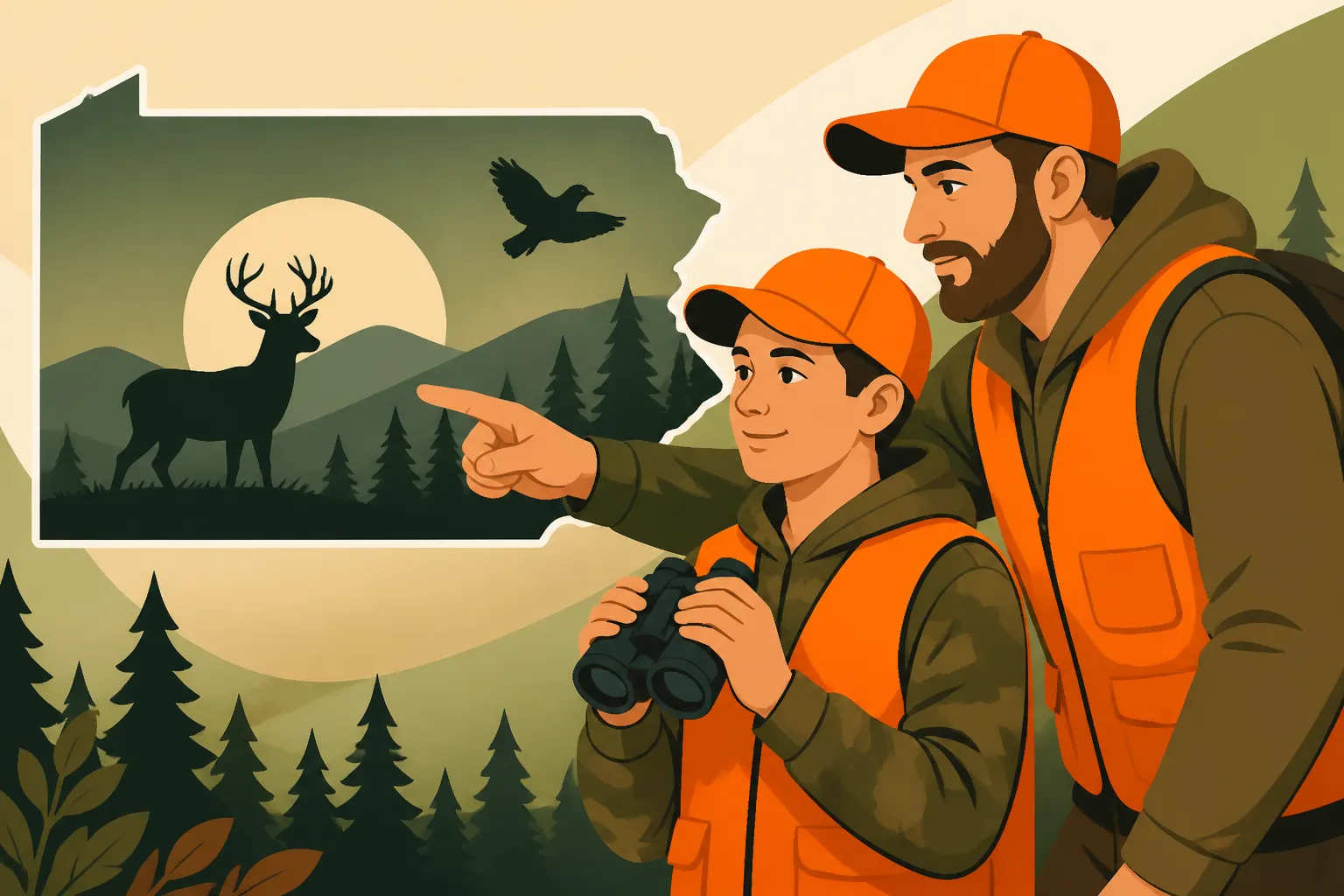
Pennsylvania Hunter Education and Mentored Permits
Stepping into the world of hunting in Pennsylvania can feel incredibly exciting, but also, let's be honest, a little overwhelming. There's a maze of regulations, especially when you're just starting out or bringing a new hunter along. Many folks get frustrated trying to figure out if they need a hunter education course, if their kids can hunt with them before taking the class, or even if they, as adults, can try hunting without committing to a full course. This guide is here to untangle all those questions, walking you through Pennsylvania's hunter education requirements and the fantastic mentored permit programs designed to make entry into our hunting heritage smoother and safer for everyone.
The Essential Foundation: Why Pennsylvania Hunter Education Matters
For anyone looking to embrace the rich tradition of hunting in the Keystone State, hunter education isn't just a hoop to jump through; it's the bedrock of safe, ethical, and responsible participation. It might feel like just another bureaucratic step, especially if you've grown up around hunting, but these courses are meticulously designed to prevent accidents, promote wildlife conservation, and ensure that every hunter understands their role in the ecosystem.
More Than Just a Card: Understanding the 'Why' Behind Hunter Ed
Think about it this way: when you're handling a firearm or a bow, you're responsible for not only your own safety but also the safety of everyone else in the woods, and the well-being of the wildlife you pursue. Pennsylvania's hunter education courses delve deep into crucial topics like firearm safety, proper shot placement, blood trailing, game identification, and even basic first aid specific to hunting incidents. It's about developing the knowledge and respect necessary to make sound decisions under pressure. For example, knowing your target and what lies beyond it isn't just a rule; it's a life-saving principle drilled into every student. The course also covers the history and ethics of hunting, fostering a deep appreciation for the tradition and its role in modern wildlife management. It’s a holistic approach to ensuring you’re not just a shooter, but a true hunter-conservationist. Many seasoned hunters even find refresher courses beneficial, reminding them of critical safety protocols that might have become second nature or even a bit rusty over the years. This foundational understanding is key to a safe and enjoyable experience every time you step into the field. If you’re curious about the specifics, you can find a comprehensive breakdown of the requirements in our guide on Pennsylvania Hunter Education Requirements.
Who Needs It? Age Requirements and Exemptions
Generally speaking, anyone born after December 31, 1981, needs to have successfully completed a Pennsylvania Game Commission-approved hunter education course before they can purchase a hunting license. This isn't just for first-time hunters; it applies to anyone who falls into that age bracket, regardless of how much experience they might have in other states. It's a hard and fast rule in Pennsylvania, and it's there to ensure a baseline of knowledge for all participants. So, if you're 40 years old and just decided to pick up a bow for the first time, you'll need to get certified.
There are, of course, a few exceptions to this rule. If you've completed a hunter education course in another state or province, Pennsylvania generally honors that certification, provided it's recognized by the International Hunter Education Association (IHEA). You'll typically need to provide proof of that certification when purchasing your Pennsylvania license. Active military personnel and honorably discharged veterans are also often exempt from the hunter education requirement, reflecting their extensive training and experience with firearms. However, even with these exemptions, understanding Pennsylvania's specific hunting laws and safety zones, like the Pennsylvania Hunter Orange Rules, is always advisable. It's crucial to confirm your specific situation with the Pennsylvania Game Commission (PGC) or a licensing agent to ensure you meet all current criteria before heading afield. Don't assume your out-of-state card or military status automatically covers every nuance of PA law.
Navigating the Hunter Education Course Options
Once you realize you need hunter education, the next step is figuring out the best way to get it done. The Pennsylvania Game Commission understands that not everyone has the same schedule or learning style, so they've offered a few different pathways to certification. It's not a one-size-fits-all approach, and each option has its own set of pros and cons depending on your personal circumstances.
The Traditional Classroom Experience: In-Person Instruction
For many, the traditional in-person classroom course is still the gold standard. These courses are typically taught by volunteer instructors, often experienced hunters themselves, who bring a wealth of practical knowledge to the classroom. The advantages here are significant: you get direct interaction with instructors, the chance to ask questions on the spot, and hands-on experience with various hunting equipment in a controlled environment. Imagine practicing safe gun handling with a deactivated rifle, or learning about different types of traps from someone who actually uses them. These courses often include demonstrations of tree stand safety, mock blood trailing scenarios, and discussions about local wildlife and hunting ethics.
The downside, of course, is the time commitment. These courses usually run for several evenings or a full weekend, which can be tough to schedule around work, family, and other commitments. But for those who learn best in a structured, interactive setting, or who appreciate the camaraderie of learning with fellow new hunters, the in-person course offers an invaluable experience that goes beyond simply passing a test. It's where many future hunting friendships are forged, and where you can really dive deep into the culture and community aspects of hunting.
Online Flexibility: The Digital Pathway to Certification
In our increasingly digital world, it makes sense that you can now complete a significant portion of your hunter education online. This option offers incredible flexibility, allowing you to work through the material at your own pace, from the comfort of your home, and often outside of traditional working hours. This is a huge boon for busy parents, shift workers, or anyone who simply can't commit to a fixed classroom schedule. The online courses typically consist of interactive modules, videos, quizzes, and a final exam, covering all the same core material as the in-person classes. Resources like GoHunt can even complement your learning by providing additional digital tools and information to supplement what you learn in the online course, helping you visualize different regulations or seasons as you go.
However, the online format isn't without its challenges. It requires a good deal of self-discipline to stay on track and absorb the information effectively. You don't have an instructor physically present to keep you engaged or answer immediate questions. While the content is robust, some hands-on skills, like proper firearm handling or blood trailing techniques, are difficult to convey purely through a screen. This leads us directly to the next crucial component of the online pathway, bridging that gap between digital learning and practical application. If this flexible approach sounds appealing, you can dive deeper into the specifics with our guide on Taking Pennsylvania Hunter Education Online.
Field Day Requirements: Bridging the Gap from Screen to Woods
For those who choose the online hunter education course, there's an essential follow-up step: the mandatory field day. This isn't just an optional add-on; it's a critical component that ensures you get the practical, hands-on experience that an online course simply can't provide. Think of it as the practical exam after your written test. Field days are typically a half-day session, usually held on a weekend, where certified instructors cover critical topics like safe firearm handling, safe zone of fire, tree stand safety, and sometimes even a live-fire shooting exercise (though this isn't always mandatory, it's highly recommended and often included).
This is your chance to demonstrate that you can apply the knowledge you gained online in a real-world, albeit controlled, setting. Instructors will observe your handling of unloaded firearms, check your understanding of safe carrying positions, and guide you through various hunting scenarios. It's a fantastic opportunity to ask those practical questions that popped up during your online study and to solidify your understanding of safety protocols. Without successfully completing a field day, your online certification is incomplete, and you won't be able to purchase a full hunting license. It's the Pennsylvania Game Commission's way of ensuring that even with the convenience of online learning, safety remains paramount.
The Mentored Youth and Adult Hunting Programs
Pennsylvania has made tremendous strides in making hunting accessible to new generations and even to adults who didn't grow up with the tradition. The Mentored Hunting Program, for both youth and adults, is a shining example of this forward-thinking approach. It recognizes that sometimes, the best way to learn is by doing, under the watchful eye of an experienced hunter, without the immediate pressure of full certification. This program is truly a gateway, offering a taste of the hunting experience and fostering a love for the outdoors before requiring the full hunter education course.
Mentored Youth Permit: Starting Them Young, Safely
The Mentored Youth Permit is a wonderful initiative aimed at introducing children to hunting at an early age, typically before they're old enough or ready to take the full hunter education course. This program allows youngsters, generally under the age of 17 (specific age ranges can vary, so always check the current regulations), to participate in specific hunts under the direct supervision of a licensed adult mentor. The idea is to provide a positive, hands-on introduction to hunting, allowing them to experience the thrill of the chase, learn about wildlife, and understand the role of hunting in conservation, all while safety is the absolute priority. The permit itself is relatively inexpensive, designed to remove financial barriers to entry.
This isn't just about tagging an animal; it's about connecting with nature, understanding animal behavior, and spending quality time with a mentor in the outdoors. For many families, it's the perfect way to pass on a cherished tradition. The regulations for this permit are strict, focusing heavily on safety. The mentored youth must be accompanied by a licensed adult who is close enough to provide immediate assistance and instruction. It's an incredible opportunity for kids to get hooked on hunting in a low-pressure, highly educational environment. Our detailed guide on Pennsylvania Mentored Youth Permit Rules offers more specific insights into this valuable program.
Mentored Adult Permit: It’s Never Too Late to Start
Hunting isn't just for kids, and Pennsylvania recognizes that. The Mentored Adult Permit addresses the needs of adults who are new to hunting and want to try it out before committing to the full hunter education course. Maybe you had friends who hunted, or you're interested in sourcing your own food, or perhaps you just want to experience the outdoors in a new way. Whatever the reason, the idea of jumping straight into a multi-day hunter education course and then buying a license can be a bit daunting. The Mentored Adult Permit allows you to hunt specific game, for a limited time, under the direct supervision of an experienced mentor.
This program is perfect for those who are curious but not yet ready to fully invest. It allows an adult to accompany a licensed hunter, learn the ropes, and gain real-world experience without having to complete hunter education upfront. It's a chance to see if hunting truly resonates with you before taking that next step. Imagine going out for a deer hunt, learning about scouting and tracking, or experiencing the excitement of a turkey hunt, all with the guidance of a seasoned pro. It's designed to break down barriers and make the hunting community more welcoming to newcomers. You can delve into the specific criteria for this program with our article on Mentored Adult Permits in Pennsylvania.
The Mentor's Role: Guidance, Responsibility, and Legacy
If you're a seasoned hunter considering becoming a mentor, you're stepping into a role of immense importance. You're not just a guide; you're a teacher, a safety officer, and a role model. The Pennsylvania Game Commission outlines specific qualifications for mentors, typically requiring them to be at least 18 years old and hold a valid hunting license. More importantly, they must be committed to instilling ethical hunting practices, safe firearm handling, and a deep respect for wildlife and the environment. This responsibility can feel heavy sometimes, knowing that the safety of your mentee rests squarely on your shoulders, but the rewards are immeasurable.
Mentors are responsible for ensuring their mentee understands and follows all hunting regulations, from proper tagging to adherence to safety zones. They must maintain direct control and supervision, meaning they must be close enough to communicate and intervene if necessary. Beyond the rules, a good mentor shares their knowledge of animal behavior, tracking, field dressing, and the unwritten code of the woods. It's about passing on a legacy, ensuring that the next generation of hunters is not only proficient but also principled. This mentorship often forges deep bonds and lasting memories, creating new stewards of Pennsylvania's wildlife resources.
Key Rules and Responsibilities for Mentored Participants
Participating in Pennsylvania's Mentored Hunting Program, whether as a youth or an adult, comes with specific rules and responsibilities that are critical to understand. These aren't just arbitrary guidelines; they are designed to ensure safety, ethical hunting, and proper game management while allowing new hunters to gain invaluable experience. Ignoring these rules can lead to serious consequences, not just for the mentee, but for the mentor as well.
Tagging, Reporting, and Licensing: What Mentored Hunters Can Do
Even as a mentored hunter, you're part of the system, and that means adhering to specific licensing, tagging, and reporting protocols. A Mentored Youth Permit or Mentored Adult Permit itself allows the individual to participate, but often the mentor's license and tags are crucial for certain activities. For instance, when a mentored youth harvests a deer, the mentor's valid antlered or antlerless tag must be used to tag the animal. This is a common point of confusion, and it underscores the mentor's ultimate responsibility. The mentor is essentially 'sharing' their tag, which means if the mentored youth fills the tag, the mentor cannot use it for their own harvest.
Harvest reporting is also a joint responsibility. The mentor is typically responsible for ensuring the harvest is reported accurately and within the specified timeframe to the Pennsylvania Game Commission. This data is vital for wildlife management. It’s important to note that mentored permits often have specific restrictions on what species can be hunted or during which seasons, so always check the current regulations.
Here’s a simplified breakdown of some key differences:
| Feature | Regular Hunting License Holder | Mentored Youth Permit Holder | Mentored Adult Permit Holder |
|---|---|---|---|
| Hunter Education | Required (if born after 12/31/81) | Not required | Not required |
| License/Permit Cost | Full License Fee | Nominal Fee ($2.97 in 2024) | Nominal Fee ($20.97 in 2024) |
| Tagging Game | Uses own tags (Antlered, Antlerless, etc.) | Uses mentor's valid tag | Uses mentor's valid tag |
| Harvest Reporting | Responsible for own reporting | Mentor responsible for reporting | Mentor responsible for reporting |
| Supervision | Hunts independently | Must be under direct mentor supervision | Must be under direct mentor supervision |
| Eligible Game | All legal game per license | Specific species (e.g., deer, turkey) | Specific species (e.g., deer, turkey) |
| Hunter Orange | Required per season rules | Required per season rules | Required per season rules |
Understanding these distinctions is crucial. For detailed requirements on tagging, you can consult our guide on Pennsylvania Deer Tagging Requirements.
Firearm and Archery Restrictions: Safety First
Safety is the absolute cornerstone of the mentored hunting program, and this is reflected in specific restrictions on firearm and archery equipment. While supervised, mentored hunters are often limited to certain types of firearms or archery equipment, and sometimes even specific calibers, to ensure manageability and safety. For instance, a mentored youth may be restricted to certain gauges of shotguns or lighter draw weight bows, depending on their age and the specific game being hunted. The mentor must ensure the mentee is using appropriate equipment for their size and skill level, and that the mentee fully understands how to safely operate it.
Furthermore, adherence to Pennsylvania's legal shooting hours and safety zones is non-negotiable. A mentored hunter cannot discharge a firearm within 150 yards of an occupied building or camp without explicit permission, nor can they shoot across highways or roads. The mentor is responsible for enforcing these rules vigorously. These restrictions aren't meant to limit the fun but to instill discipline and prevent accidents. They teach respect for the tools of the trade and the environment in which they are used. Familiarizing yourself with general regulations like Legal Firearms for Pennsylvania Deer will also help you understand these specific mentored restrictions.
The Buddy System: Proximity and Supervision Requirements
One of the most critical aspects of the mentored hunting program is the "buddy system" it mandates. A mentored hunter is never truly alone in the field. The regulations explicitly state that the mentor must maintain "direct control and supervision" of the mentored participant. This isn't just a vague suggestion; it means the mentor must be close enough to the mentee to provide immediate instruction and intervention. While the exact distance isn't always specified in yards, it implies being within conversational distance and certainly within visual contact at all times, especially when the mentee is carrying a loaded firearm or nocking an arrow.
This constant proximity ensures that the mentor can correct any unsafe behaviors, assist with game identification, confirm ethical shot opportunities, and provide support in case of an emergency. It removes the potential for a young or new hunter to make a critical mistake without immediate guidance. This supervision also extends to the actual act of hunting. For instance, during a deer hunt, the mentor might be positioned directly behind or beside the mentee, ready to take over if needed or to provide last-second coaching. This close supervision is a hallmark of the program's commitment to safety and successful learning.
From Mentored Status to Full-Fledged Hunter
The mentored program is a fantastic stepping stone, but eventually, most participants aspire to become fully licensed, independent hunters. This transition is a natural progression, signifying a hunter's growing confidence, knowledge, and commitment to the sport. It's about moving from guided learning to self-reliance, opening up a wider world of opportunities in the Pennsylvania outdoors.
Making the Leap: When and How to Get Certified
Once a mentored youth reaches the appropriate age (typically 11 for the full hunter education course, though they can hunt as a mentored youth much younger), or an adult has gained enough experience and decided that hunting is for them, the next step is to complete the full hunter education certification. This usually means enrolling in one of the approved courses—either the traditional classroom setting or the online course followed by a field day. The mentored permit allows for a taste, but the full certification provides the comprehensive knowledge base required for independent hunting.
The good news is that by participating in the mentored program, you've likely already absorbed a significant amount of practical knowledge about safety, ethics, and game behavior. The hunter education course will formalize that knowledge and fill in any gaps, such as detailed legal structures, conservation principles, and specific regulations you might not have encountered during your mentored hunts. Once certified, you can then purchase your own hunting licenses and tags, granting you the freedom to hunt independently within Pennsylvania's expansive regulations. This transition marks a significant milestone in a hunter's journey. You can learn more about the duration of mentored hunting in our article on How Long You Can Hunt as a Mentored Hunter.
The Advantages of Independent Hunting
Achieving full hunter certification and purchasing your own licenses opens up a whole new realm of possibilities. The primary advantage is, of course, independence. You're no longer restricted by the need for a mentor's immediate proximity or the limitations of their tags. You can plan your own hunts, choose your own locations, and pursue a wider variety of game species. This freedom allows for a deeper exploration of Pennsylvania's diverse hunting opportunities, from chasing whitetails in the big woods to calling spring gobblers in the foothills.
Furthermore, being a fully licensed hunter means you can participate in special draws and opportunities that might not be available to mentored participants, such as applying for limited elk tags. Tools like GoHunt can be particularly valuable for independent hunters, offering detailed maps, season information, and draw odds that help in planning these more complex hunts. Imagine being able to research a new hunting area, scout it on your own time, and then head out when the conditions are just right. This level of autonomy is incredibly rewarding and allows hunters to truly develop their skills and personal connection to the land. If you're eyeing bigger opportunities, our guide on the Pennsylvania Elk Licence Application might spark some ideas.
Continued Learning: Beyond the Basic Course
Becoming a fully certified hunter is not the end of your education; it's just the beginning. The outdoors is a dynamic environment, and regulations, wildlife populations, and best practices are always evolving. Many experienced hunters make it a point to continuously learn and refine their skills. This might involve attending advanced hunting seminars, joining local conservation clubs, or even taking specialized courses in things like archery tuning, advanced tracking, or wilderness first aid. The Pennsylvania Game Commission and various sporting organizations frequently offer these types of ongoing educational opportunities.
Embracing a mindset of continuous learning also includes staying informed about wildlife diseases, habitat changes, and conservation efforts. Pennsylvania's hunting heritage is built on a foundation of stewardship, and a truly independent hunter understands their role in contributing to that legacy. This ongoing engagement with education and conservation ensures that you not only remain a safe and ethical hunter but also become a knowledgeable advocate for wildlife and wild places. It's about deepening your understanding and connection to the natural world that hunting allows us to experience so intimately.
Common Misconceptions and Troubleshooting
Even with clear guidelines, questions and confusion inevitably arise regarding hunter education and permits. It's easy to get tangled up in the details, especially when dealing with specific situations or trying to recall past information. Let's address some of the most common misconceptions and offer solutions to typical troubleshooting scenarios.
"I've Been Hunting My Whole Life!": Out-of-State Certifications
One of the most frequent questions from new residents or those who've hunted extensively elsewhere is, "Do I still need PA hunter education if I'm certified in another state?" The answer, happily, is often no, but with a critical caveat. Pennsylvania generally recognizes hunter education certifications issued by other states, provinces, or countries, provided they meet the standards set by the International Hunter Education Association (IHEA). This reciprocity is designed to prevent experienced hunters from having to retake a basic course they've already completed.
However, it's absolutely vital to have proof of that certification. Simply stating you've "been hunting forever" or "got my license in Ohio when I was 12" isn't enough. When you go to purchase your first Pennsylvania hunting license, you'll need to present your out-of-state hunter education card, a certificate, or some official documentation that verifies your completion of an approved course. If you can't find it, you might need to contact the agency that issued your original certification to get a duplicate. Don't wait until opening day to discover you can't buy your license! Always double-check with the PGC if you're unsure about the validity of your out-of-state cert, as regulations can sometimes change.
Lost Your Card? How to Get a Replacement
Misplacing your hunter education certificate or card can feel like a major setback, especially when hunting season is right around the corner. It happens to the best of us; paperwork gets shuffled, wallets go missing, or old documents get stored away and forgotten. The good news is that getting a replacement isn't usually a difficult process, though it might take a little time. The Pennsylvania Game Commission maintains records of all certified hunters.
To request a duplicate certificate, you'll typically need to contact the PGC directly. This can often be done through their website, where you might find an online form, or by calling their central office. You'll need to provide personal information such as your name, date of birth, and possibly the approximate year you completed the course. It's a good idea to make a digital copy of your certificate once you receive it and save it in a secure cloud storage or email for future reference. While you can often proceed with purchasing licenses if your certification is on file, having the physical card can save a lot of hassle and prove your status quickly if ever questioned in the field. Even if you use a planning tool like GoHunt to check regulations, having your physical proof of certification is always the safest bet.
The "Paperwork Nightmare": Simplifying the Process
Navigating state government websites and application processes can, at times, feel like a bureaucratic labyrinth, especially for something as exciting as securing your hunting privileges. From purchasing licenses to applying for permits, the paperwork can indeed be a headache. However, the Pennsylvania Game Commission has worked to streamline many of these processes over the years. The easiest way to simplify things is often to utilize the PGC's online licensing and permit system.
Their website allows you to purchase most licenses, apply for antlerless deer licenses, and even report harvests from the comfort of your home. Creating an online profile (often linked to your customer ID number) can store your information, making future transactions much quicker. For those who prefer in-person assistance, any licensed agent (often sporting goods stores, county treasurers, or bait shops) can process your requests. Don't be afraid to ask questions! The staff at these locations are usually very knowledgeable and can walk you through the steps. For comprehensive information and the ability to purchase your necessary documents, our guide on Buying Pennsylvania Licences Online is an excellent resource, often reducing much of the perceived "nightmare" to a simple click-and-fill operation.
Advanced Opportunities and Responsible Stewardship
Hunter education and mentored permits lay a crucial foundation, but the journey of a Pennsylvania hunter extends far beyond these initial steps. True fulfillment in hunting often comes from a commitment to lifelong learning, embracing advanced opportunities, and acting as a responsible steward of our natural resources. It's about evolving from a participant to an active contributor to the health of our wildlife and ecosystems.
Beyond Deer: Specialized Courses and Advanced Skills
While deer hunting is undoubtedly a cornerstone of Pennsylvania's hunting culture, the state offers a rich diversity of other game species, each with its own unique challenges and rewards. Once you're comfortable with the basics, consider expanding your horizons with specialized courses. Many organizations and even the Pennsylvania Game Commission offer workshops focusing on specific species, like advanced turkey calling seminars, bear hunting tactics, or waterfowl identification. These courses can teach you nuanced skills, such as how to "read" a forest for subtle bear sign, the intricate art of calling in a wary gobbler, or the specific habitat requirements of various duck species.
For example, a course on Pennsylvania Black Bear Hunting might cover everything from identifying prime bear habitat in the mountains to understanding their seasonal movements and effective stand placement. Similarly, a specialized workshop on Spring Gobbler Hunting in Pennsylvania could dive into advanced calling sequences, decoy strategies for pressured birds, and understanding gobbler vocalizations. These advanced skills not only increase your chances of success but also deepen your understanding and appreciation for the specific behaviors and habitats of different wildlife.
Ethical Hunting and Conservation: More Than Just a Rulebook
At its core, hunting in Pennsylvania is about more than just bagging game; it's about ethical engagement and conservation. The hunter education course teaches the legal aspects, but ethical hunting goes a step further, encompassing respect for the animal, the land, and fellow hunters. This means making responsible shot choices, minimizing suffering, adhering to fair chase principles, and respecting private property. It also means actively participating in the conservation of wildlife habitats and populations.
Hunters are often the first to notice changes in wildlife health or habitat quality. Staying informed about initiatives like Pennsylvania Wildlife Disease Monitoring isn't just a curiosity; it's a vital part of being a responsible steward. Many hunters contribute financially to conservation through license fees and excise taxes on equipment, but active participation in habitat improvement projects, clean-up days, or volunteer efforts for organizations like the National Wild Turkey Federation or Ducks Unlimited further solidifies this commitment. This stewardship ensures that future generations will also have the opportunity to experience the rich hunting traditions that Pennsylvania offers.
Joining the Community: Clubs, Organizations, and Mentorship
Hunting is often seen as a solitary pursuit, but it's also deeply rooted in community. Joining local hunting clubs, conservation organizations, or regional sportsman's associations can significantly enrich your experience. These groups offer a wealth of knowledge, shared experiences, and camaraderie. They often host events, provide shooting ranges, organize habitat improvement projects, and serve as a collective voice for hunters in policy discussions. This is also an excellent way to find new mentors or become a mentor yourself, continuing the cycle of knowledge transfer.
Many seasoned hunters find immense satisfaction in sharing their expertise with newcomers, guiding them through their first hunts, and helping them understand the nuances of the outdoors. These connections not only provide practical benefits but also foster a strong sense of belonging and shared purpose. Becoming an active part of the Pennsylvania hunting community allows you to contribute to its vibrant culture, advocate for its future, and forge lasting friendships rooted in a mutual passion for wildlife and the wild places we cherish.
Disclaimer
Please remember that hunting regulations, fees, and season dates are subject to change by the Pennsylvania Game Commission. Always consult the most current Pennsylvania Hunting & Trapping Digest or the official PGC website for the most up-to-date and accurate information before planning any hunting activities. This guide is intended for informational purposes only and should not be considered a substitute for official regulations.