Pennsylvania Antlerless Allocation by WMU
It's no secret that navigating Pennsylvania's antlerless deer licence system can feel like trying to solve a particularly frustrating puzzle. Every year, countless hunters find themselves scrambling, checking dates, and crossing their fingers, hoping to secure those elusive antlerless tags for their preferred Wildlife Management Units (WMUs). This comprehensive guide is here to untangle that complexity, breaking down exactly how antlerless allocations are determined by the Pennsylvania Game Commission (PGC) for each WMU and offering insights to help you strategize for success.
The Maze of Pennsylvania Antlerless Tags: Why It's So Complex
For many of us, the annual quest for antlerless deer licences is fraught with anticipation, and often, a good dose of anxiety. It’s not as simple as walking into a sporting goods store and buying one for any part of the state. Each WMU operates under its own specific allocation, and understanding why that is, and what challenges it presents, is the first step toward mastering the process.
Understanding the "Antlerless Allocation" System
The Pennsylvania Game Commission doesn't just pull numbers out of a hat when it comes to antlerless tags. There's a deeply considered, science-backed approach behind it, all aimed at managing our deer herd effectively and sustainably. The core goal is always to balance the deer population with available habitat, minimize human-deer conflicts, and provide ample hunting opportunities.
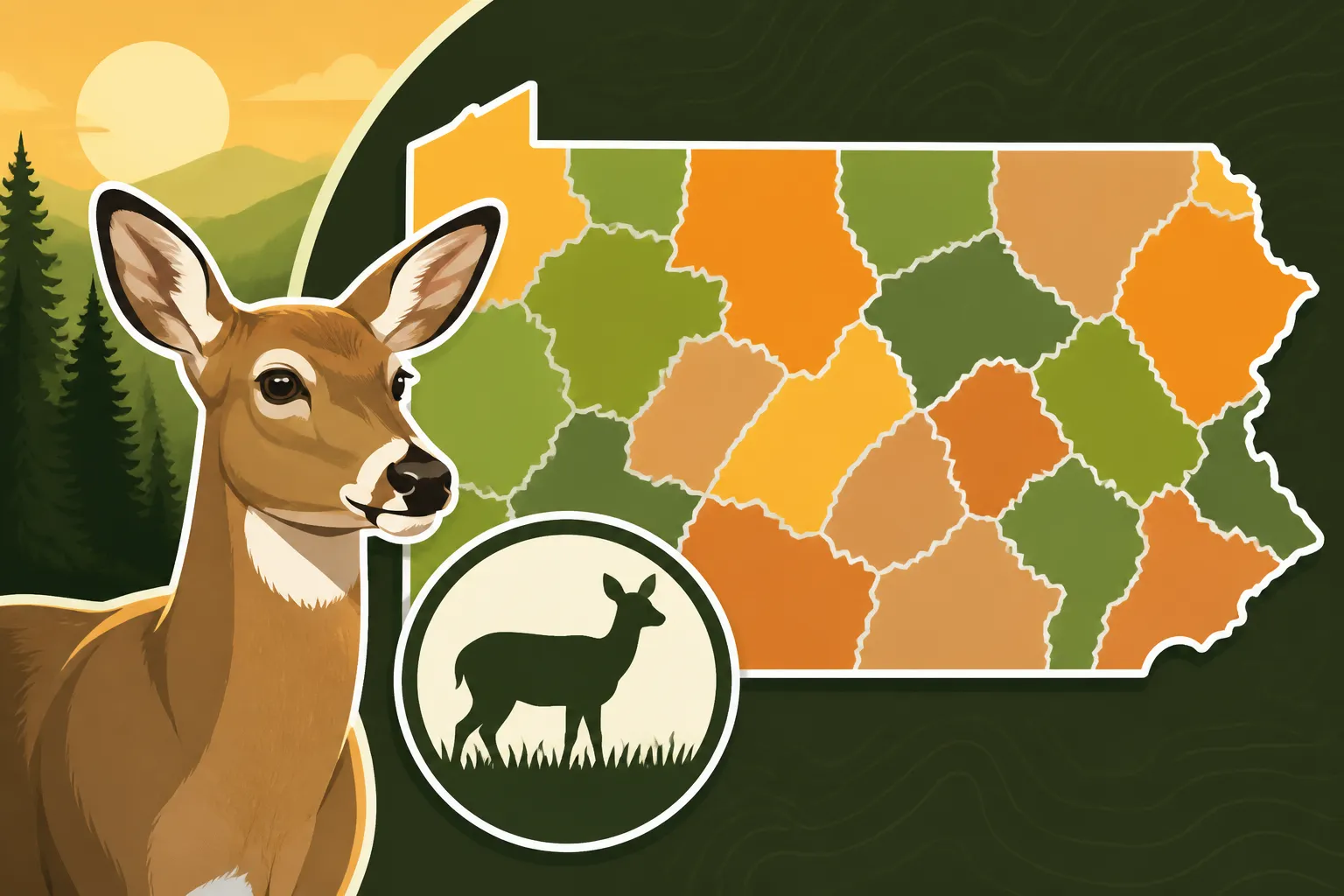
At the heart of this system are the individual Wildlife Management Units. Pennsylvania is divided into 22 of these WMUs, each with its own unique characteristics—from the vast, forested expanses of the "big woods" regions to the bustling agricultural landscapes and even suburban fringes. Because deer populations and habitat conditions vary so dramatically across these different regions, a one-size-fits-all approach to deer management simply wouldn't work. The PGC annually assesses each WMU's deer population, habitat health, and harvest data to set a specific quota for antlerless licences. This process is crucial for preventing overpopulation in some areas while allowing deer numbers to grow or stabilize in others. It’s an intricate dance between biology and human impact, ensuring the long-term health of the herd and the ecosystem. For a deeper dive, check out our guide on Pennsylvania Antlerless Deer Licences Explained.
The Core Challenges Hunters Face Annually
Let's be honest, the excitement of deer season often gets overshadowed by the stress of securing the right tags. One of the biggest frustrations for Pennsylvania hunters is the sheer speed with which antlerless tags, especially for popular WMUs, can sell out. You might have your heart set on a particular WMU, perhaps one close to home or one known for its excellent hunting, only to find the tags gone within minutes of sales opening for your round. This quick sell-out phenomenon transforms the application process into a high-stakes race, often feeling more like a lottery than a planned purchase.
This difficulty in securing tags for desired WMUs leads to a lot of annual disappointment and forces hunters to adapt, sometimes even changing their hunting plans completely. Maybe you wanted to hunt a specific patch of public land, but the WMU's tags were gone, so now you're scouting new areas in a different WMU. It can be a real headache, disrupting traditions and forcing hunters out of their comfort zones. For nonresident hunters, this challenge can be even greater, as they typically have later application rounds. Understanding these frustrations is key, because it motivates us to be as prepared and strategic as possible.
How Antlerless Allocations Are Determined for Each WMU
The science and data behind antlerless allocations are fascinating, though often unseen by the average hunter. The Pennsylvania Game Commission employs a multi-faceted approach, considering everything from deer densities to crop damage and vehicle collisions, all to strike that delicate balance in each WMU.
Population Management Goals and Deer Density
The cornerstone of antlerless allocation is population management. The PGC continually assesses the health and size of the deer herd within each WMU. They don't just guess; they use a combination of rigorous methods, including annual hunter harvest reports, spotlight surveys, fawn-to-doe ratios, and even specialized studies to get accurate data. This helps them determine if the deer population is at, above, or below the desired management objective for that specific unit.
For example, WMUs with extensive agricultural land might have a higher target deer density to provide hunting opportunities, but also a higher allocation of antlerless tags to help mitigate crop damage. In contrast, vast timber country WMUs, like those in the "big woods" regions, might have lower target densities to protect forest regeneration, resulting in fewer antlerless tags per square mile. The presence of Chronic Wasting Disease (CWD) is also a significant factor. In Disease Management Areas (DMAs), antlerless allocations might be increased to help control deer movement and population density, which are critical strategies in managing the spread of the disease. It's a complex formula, constantly updated with the latest biological information, all in an effort to maintain a healthy, huntable deer population for generations to come.
Habitat Conditions and Agricultural Impacts
Beyond just deer numbers, the PGC heavily considers the carrying capacity of the land itself. What kind of habitat is available? Is it regenerating effectively, or is deer browsing hindering forest growth? These questions are vital in shaping antlerless allocations. In heavily forested WMUs, excessive deer browsing can prevent young trees from growing, impacting timber harvests, biodiversity, and future deer habitat. The PGC relies on forest health assessments and timber industry reports to gauge this impact.
Similarly, in agricultural areas, deer can cause significant damage to crops, leading to financial losses for farmers. The PGC works closely with farmers and agricultural extension offices to monitor crop damage levels. If deer populations are consistently causing widespread damage in a particular WMU, you can bet that the antlerless allocation will reflect a higher number, aiming to reduce the herd size and alleviate pressure on agricultural producers. This means that WMUs with a lot of farm country, especially in southeastern Pennsylvania, often see robust antlerless tag numbers. It's a constant effort to balance the needs of wildlife with the livelihoods of landowners.
Human-Deer Conflicts and Safety Zones
It's not just about the deer and the land; it's also about us! Human-deer conflicts, particularly deer-vehicle collisions, are a major concern for the PGC. Higher deer populations in suburban or heavily traveled areas naturally lead to more accidents, posing a safety risk to drivers and significant costs in property damage. The PGC uses accident data from the Pennsylvania Department of Transportation (PennDOT) to identify hotspots where increased deer harvests through antlerless tags could help reduce these incidents.
WMUs like 2B (around Pittsburgh) and 5C/5D (around Philadelphia) are classic examples where human-deer conflicts are prevalent. These areas often have high deer densities living in close proximity to dense human populations. Consequently, these WMUs tend to have very high antlerless allocations. The idea is to provide ample opportunity for hunters to help manage these populations in areas where traditional hunting methods might be restricted by safety zones around dwellings or where hunting pressure alone isn't enough to curb numbers. This ensures that while hunters get opportunities, public safety and property remain a top priority. Our article on Suburban Deer Hunting in Southeast Pennsylvania goes into more detail on these specific challenges and opportunities.
The Antlerless Licence Sale Process: Rounds and Timelines
The actual purchasing of an antlerless licence can be a nerve-wracking experience if you're not prepared. Pennsylvania's system uses a series of application rounds, and knowing when to act is just as important as knowing where you want to hunt.
Key Dates and Application Rounds
The most critical thing to remember when it comes to Pennsylvania antlerless licences is that timing is everything. The PGC has a specific, multi-round schedule for selling these tags, and if you miss your window, you might be out of luck for your preferred WMU. Typically, sales kick off in June, with the first round exclusively for Pennsylvania residents. This is your best chance to secure a tag for a high-demand WMU.
A few weeks later, a second round opens, usually in July, also for residents, allowing them to purchase a second tag. This is followed shortly by the non-resident round. It’s absolutely crucial to have your application submitted as early as possible within these rounds. The PGC usually announces the exact dates well in advance, and savvy hunters mark their calendars and set reminders. Many WMUs, especially those like 2B, 5C, and 5D, can sell out within minutes, sometimes even seconds, of the sales opening for the first resident round. If you're a non-resident, your odds are often better in the less-pressured, more rural WMUs. Make sure you're up-to-date on when Pennsylvania antlerless licences go on sale each year to avoid missing out.
Over-the-Counter Sales and Leftover Tags
If you missed the initial rounds or couldn't get a tag for your top-choice WMU, don't despair entirely! Pennsylvania offers several opportunities for over-the-counter (OTC) sales and access to leftover tags. After the initial mailed applications and online sales for residents and non-residents, the PGC often opens up a third round for all licence holders, typically in August. This is where you might snag a second or even third antlerless tag, depending on what's still available.
Then, usually in September, any remaining antlerless licences become available for sale over-the-counter directly from any licence issuing agent. This is often a mad dash, with hunters lining up early at sporting goods stores on the day sales open. The internet has also revolutionized this, with online sales usually opening concurrently with OTC sales. Many hunters leverage online tools and resources, like GoHunt's mapping features or official PGC channels, to check real-time availability of Leftover Antlerless Licences in Pennsylvania. It's a wild scramble, but if you're flexible with your WMU choice, you can often find a tag. This period continues right up until the end of the deer seasons, meaning you can sometimes even pick up a tag for the late season.
Navigating Specific WMUs: Where Tags Are Hardest (and Easiest) to Get
With 22 WMUs to choose from, knowing which ones are highly sought after and which typically have more availability can make all the difference in your antlerless licence strategy. It's a dynamic landscape that changes slightly year to year, but general patterns hold true.
High-Demand WMUs and Early Sell-Outs
Let's talk about the WMUs that cause the most headaches for hunters trying to secure antlerless tags. These are the units that consistently sell out within minutes, if not seconds, of sales opening. The usual suspects include WMU 2B (near Pittsburgh), WMU 5C (encompassing areas around Harrisburg and parts of Southeast PA), and WMU 5D (the Philadelphia suburban area). You might also find WMU 2A (Southwest PA) selling out quickly.
Why the rush? These WMUs are often characterized by a few key factors: high deer densities, proximity to major population centers (meaning more local hunters), and a mix of suburban and agricultural landscapes that can make for excellent hunting opportunities. Many hunters in these areas find it convenient to hunt close to home, or they might have access to smaller private parcels that thrive with deer. Securing a tag in these WMUs requires diligence: apply the very first minute your round opens, ensure your application is filled out perfectly, and have a backup plan. Knowing How Many Antlerless Tags in WMU 5C are allocated and how fast they go can give you a realistic expectation.
WMUs with More Consistent Availability
On the flip side, there are WMUs where antlerless tags tend to be available for longer, sometimes even throughout multiple sales rounds and into the over-the-counter period. These are often found in Pennsylvania's more rural, heavily forested regions, sometimes referred to as the "big woods." Examples might include WMUs like 2F, 2G, 3A, and 4D, generally located in the northern and central parts of the state.
These WMUs typically have lower deer densities compared to agricultural or suburban areas, and they are often further from major population centers, leading to less intense hunting pressure in some remote spots. While the hunting might be more challenging due to expansive terrain and lower deer numbers, it offers a different kind of experience—one focused on solitude and tracking truly wild deer. If you're looking for a less stressful experience in securing a tag, or if you're willing to travel for a different kind of hunt, these WMUs are excellent options. They're perfect for those who enjoy Hunting Pennsylvania's Big Woods for Deer and don't mind putting in the extra effort to find their deer.
Using Tools and Resources to Monitor Allocations
In today's digital age, relying solely on word-of-mouth or guessing is a recipe for disappointment. Smart hunters leverage the wealth of information available to them. The Pennsylvania Game Commission's website is your primary source, offering up-to-date information on allocations, sales opening times, and real-time availability of tags once sales are underway. Many sporting goods retailers also provide updates, especially during the over-the-counter period.
Beyond official channels, various hunting platforms and apps can be invaluable. For instance, tools and platforms like GoHunt often integrate PGC data, allowing hunters to quickly check the status of antlerless tags across different WMUs. These resources can alert you when tags are low or when a new round of sales begins, giving you a critical edge in a highly competitive process. Keeping an eye on these digital tools is essential for making informed decisions and acting quickly when the time comes. This strategic approach ensures you’re not caught off guard when the allocation window opens.
Here's a quick look at typical demand for some Pennsylvania WMUs during the initial resident sales rounds:
| WMU (Example) | Primary Region | Typical Demand | Average Sell-Out Time (Resident First Round) | Key Characteristics |
|---|---|---|---|---|
| 2B | Southwest PA | Very High | Minutes to Hours | Urban/Suburban, High Deer Density, Near Pittsburgh |
| 5C | Southeast PA | Very High | Minutes to Hours | Agricultural/Suburban, Near Harrisburg/Philly, High Deer Density |
| 5D | Southeast PA | Very High | Minutes to Hours | Highly Suburban, Near Philadelphia, Very High Deer Density |
| 2A | Southwest PA | High | Hours to Days | Mixed Ag/Forest, Moderate Deer Density |
| 2F | Northcentral PA | Moderate | Days to Weeks | Heavily Forested, "Big Woods," Lower Deer Density |
| 2G | Northcentral PA | Moderate | Days to Weeks | Heavily Forested, Remote, Lower Deer Density |
| 3A | Northeast PA | Moderate | Days to Weeks | Mixed Forest/Rural, Lower Deer Density |
| 4D | Central PA | Moderate | Days to Weeks | Mountainous, Forested, Moderate Deer Density |
Note: Sell-out times are estimates and can vary significantly year to year based on allocation, hunter pressure, and demand.
Strategic Considerations for Antlerless Tag Holders
Once you've navigated the often-treacherous waters of securing your antlerless tags, the real planning begins. Having these tags in hand opens up a world of opportunity, but it also comes with responsibilities and strategic choices.
Maximizing Your Antlerless Opportunities
Pennsylvania allows hunters to hold multiple antlerless tags, depending on the WMU and how many rounds of sales have occurred. This is a fantastic opportunity to extend your time in the woods, fill your freezer, and contribute directly to the PGC's management goals. For instance, if you successfully secure a tag for your home WMU, consider applying for a second in a less-pressured WMU that's a bit further out, perhaps for a late-season hunt. This provides more flexibility and hunting days.
Don't underestimate the satisfaction and impact of filling your antlerless tags. Every antlerless deer harvested helps manage the local population, alleviating pressure on habitat and potentially reducing conflicts. It also means more delicious venison for your family! Think about your hunting schedule, scouting efforts, and the specific characteristics of the WMUs you have tags for. Planning your hunts efficiently, perhaps dedicating specific days to antlerless pursuits, can greatly increase your success rate. Remember, an antlerless tag is a tool for management, and using it effectively benefits everyone.
DMAP Permits as an Alternative
Beyond the general antlerless licence system, the Pennsylvania Game Commission offers another avenue for antlerless deer harvest: the Deer Management Assistance Program (DMAP). DMAP permits are specifically issued for particular tracts of land, both public and private, where landowners or the PGC itself identify a need for increased deer harvest to meet management objectives. This might be due to agricultural damage, forest regeneration issues, or specific research goals.
DMAP permits are separate from your general antlerless licences and do not count against the number of general antlerless tags you can hold. You typically apply for a DMAP permit directly through the PGC for a specific unit (often identified by a block number). They often become available for specific State Game Lands, State Forests, or large private land tracts participating in the program. For hunters looking for additional opportunities, especially if you have access to private land enrolled in DMAP or if you frequent specific public land areas with DMAP permits, they can be an excellent option. Learning more about Applying for a DMAP Permit can expand your hunting possibilities.
Long-Term Trends and Future Outlook for Antlerless Allocations
The world of deer management in Pennsylvania is constantly evolving. What holds true today might shift tomorrow, influenced by environmental changes, scientific research, and ongoing discussions among hunters and wildlife managers.
Adapting to Changing Deer Management Goals
The Pennsylvania Game Commission's deer management goals aren't static; they adapt to the challenges and opportunities that arise. For example, the ongoing spread of Chronic Wasting Disease (CWD) has significantly impacted antlerless allocations in affected WMUs, leading to increased harvest goals in Disease Management Areas. This is a direct response to scientific evidence suggesting that reducing deer density can help slow the spread of the disease. Hunters need to stay informed about these changes, as they can directly affect where and how many antlerless tags are available.
Beyond CWD, broader environmental factors like climate change and shifting land use patterns also play a role. As Pennsylvania's landscape changes, so too might the carrying capacity of certain WMUs, influencing future allocation decisions. Hunters who are aware of these trends can better anticipate changes in tag availability and adapt their hunting strategies accordingly. It’s a continuous learning process, and staying connected with PGC updates is crucial for long-term success.
The Role of Hunter Feedback and Data
You, as a Pennsylvania hunter, are an indispensable part of this complex management equation. Every deer you harvest and every harvest report you submit provides vital data to the PGC. These reports, detailing the WMU, date, and sex of the deer, directly inform the PGC's population models and help them assess the effectiveness of previous antlerless allocations. Without accurate harvest data, the PGC would be flying blind, making it much harder to set appropriate tag numbers for the following year.
Beyond simply reporting your harvest by The Pennsylvania Harvest Report Deadline, engaging with the PGC through public meetings, surveys, or advisory committees can also influence future allocations. Your experiences on the ground, whether you're seeing too many deer or not enough in a particular WMU, contribute to the broader understanding of the herd's health and distribution. By being an active and informed participant, you help shape the future of deer hunting in Pennsylvania, ensuring that antlerless allocations continue to be set in a way that benefits both the deer and the hunting community.
Disclaimer
The information provided in this guide is for general informational purposes only and is subject to change. Hunting regulations, season dates, and licence allocation processes are determined by the Pennsylvania Game Commission and can be updated annually. Always consult the official Pennsylvania Game Commission Digest and website for the most current and accurate information before planning any hunting activities.