Which WMUs Have No Fall Turkey Season
It can be incredibly frustrating to plan a fall turkey hunt, get all your gear ready, only to realize the wildlife management unit (WMU) you intended to visit has no open season. Pennsylvania's wild turkey populations are a precious resource, and managing them effectively means that not all areas can sustain a fall hunt every year. This guide will walk you through which WMUs typically have no fall turkey season, delve into the reasons behind these closures, and help you understand how to navigate the ever-changing regulations to ensure you're hunting legally and responsibly.
The Patchwork of Pennsylvania's Fall Turkey Seasons
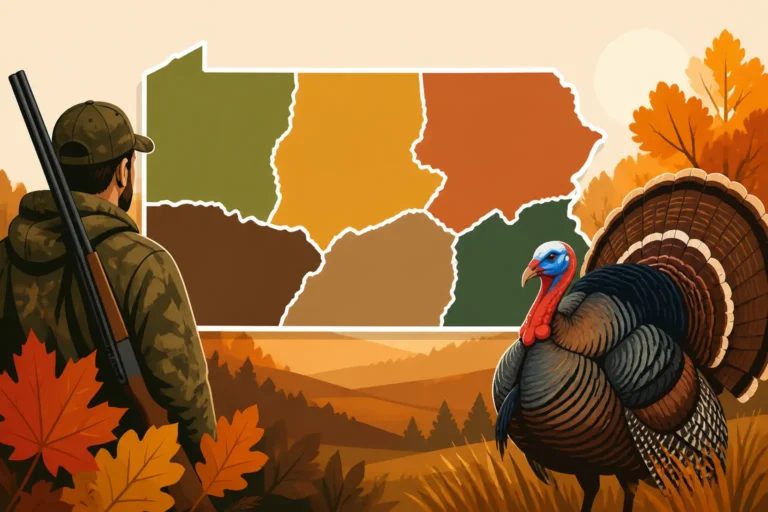
Unlike the often more consistent deer seasons, Pennsylvania's fall turkey seasons are a dynamic beast, varying significantly from one WMU to another. This isn't just to keep hunters on their toes; it's a critical management strategy employed by the Pennsylvania Game Commission (PGC) to protect and restore turkey populations in areas where they are struggling. You might find a generous three-week season in one corner of the state, while just a WMU away, the season is completely shut down. It's enough to make even seasoned hunters scratch their heads, wondering why their favorite spot suddenly went quiet.
The primary driver for these closures is the health of local turkey populations. Factors like nesting success, poult (young turkey) survival, habitat quality, and even predator pressure all play a role in determining if a WMU can support a fall harvest. The PGC conducts extensive surveys each year, meticulously monitoring these indicators, which then directly influence season lengths and bag limits. It's a science-backed approach, even if it does mean less time in the woods for us. Staying informed is key, and many hunters rely on digital tools like GoHunt to get the most up-to-date regulations before ever stepping afield.
Understanding Regional Differences in Turkey Populations
Pennsylvania is a vast state, from the rugged "big woods" of the northcentral region to the rolling farmlands of the southcentral and the more developed areas around its major cities. Each of these regions presents unique challenges and opportunities for wild turkeys. In the more remote, heavily forested WMUs, turkeys might face different predators, habitat conditions, and hunting pressure than their counterparts in agricultural landscapes. For instance, the northern tier, while seemingly wild, can experience harsher winters and more intense predation, leading to lower poult survival rates in some years.
The PGC closely tracks metrics such as the poult-to-hen ratio, which is a key indicator of reproductive success. If this ratio consistently dips below sustainable levels in a particular WMU, it’s a red flag. These localized issues mean that a blanket, statewide season isn't feasible or responsible. Hunters often see these trends firsthand, noticing fewer turkeys during their spring scouting trips or hearing fewer gobblers on the roost. This variability is why we can't just assume what holds true for one area will hold true for another. For a deeper dive into these numbers, understanding Pennsylvania Turkey Population Trends can shed light on the broader picture.
Historical Changes and Current Management Trends
The landscape of Pennsylvania's fall turkey hunting has seen significant shifts over the decades. Not too long ago, many WMUs enjoyed longer, more liberal fall seasons. However, concerns about declining turkey numbers, particularly in the early 2000s, led the PGC to implement more conservative management strategies. This included shortening seasons, reducing bag limits, and, yes, completely closing fall seasons in some areas. These decisions are not made lightly; they're based on years of data collection and scientific analysis.
The PGC's goal is always long-term sustainability. They aim to provide hunting opportunities while ensuring healthy, robust turkey populations for future generations. This adaptive management means that a WMU that was closed last year might see a short season this year if populations rebound, and vice-versa. It's a continuous balancing act. We, as hunters, play a crucial role by understanding and respecting these regulations, and by accurately reporting our harvests, which feeds directly into the PGC's data collection. You can learn more about how the PGC monitors these numbers by reading about Pennsylvania Turkey Brood Survey Results.
Identifying Closed WMUs for Fall Turkey Hunting
Alright, let's get down to brass tacks: which WMUs are you most likely to find closed to fall turkey hunting? While regulations can change year to year, there are several WMUs that have consistently either had no fall season or very limited ones due to ongoing population concerns. These are typically WMUs where PGC biologists have identified persistent struggles with turkey reproduction and survival. It’s imperative to always consult the current year’s digest, but this list will give you a general idea of where you might need to adjust your plans.
The areas most prone to fall closures tend to be those with a combination of high predation, unfavorable habitat conditions for poult survival, and sometimes, higher hunting pressure in the past. For example, some WMUs in the southeastern and southwestern parts of the state have seen consistent closures or very short seasons. This isn't just about the number of birds, but specifically the recruitment of young birds into the population, which is essential for a sustainable harvest.
WMUs with No Fall Turkey Season
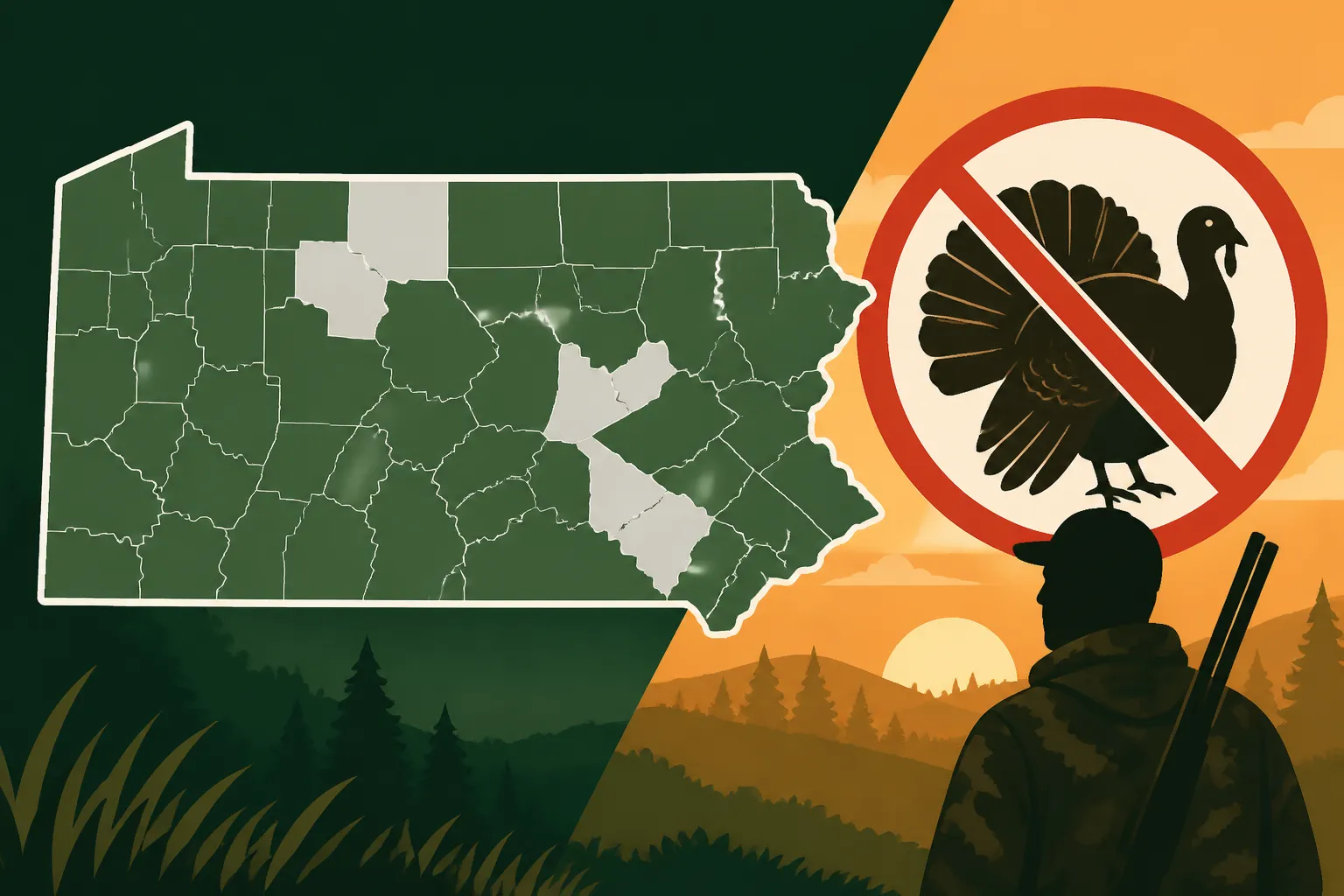
As of recent seasons (like the 2023-2024 hunting year), several WMUs have been designated as having no fall turkey season. This means no archery, no firearms, no nothing for fall turkeys. These closures are implemented to give the local turkey populations a much-needed break from hunting pressure during a critical time of year. While the specific list can fluctuate, common WMUs that have fallen into this category include:
- WMU 5C
- WMU 5D
- WMU 2B
These WMUs are often located in more developed or heavily fragmented landscapes, or areas where specific challenges to turkey reproduction have been identified. While other WMUs might join this list in any given year, these three have been frequently, if not always, closed in recent memory. If your heart is set on a fall turkey hunt, these are areas you'll almost certainly need to avoid.
WMUs with Extremely Limited Seasons
Beyond the WMUs with outright closures, there are often several others that have very short, limited fall turkey seasons. Sometimes these are just a few days, often early in the season, or they might be restricted to specific weapons types or dates. These limited opportunities are still a form of restriction, reflecting the PGC's cautious approach to managing populations that aren't robust enough for longer seasons. Again, this list can vary, but typically WMUs in the southern and western parts of the state might fall into this category, or WMUs that border those with full closures.
Examples of WMUs that sometimes have very short fall seasons (like a 3-day season) include various combinations within the 1-series, 2-series (beyond 2B), and 5-series (beyond 5C/5D) WMUs, such as:
- WMU 1A
- WMU 1B
- WMU 2A
- WMU 2C
- WMU 3D
- WMU 4B
- WMU 5A
- WMU 5B
The rationale here is similar to full closures: the PGC wants to allow some opportunity where possible, but not at the risk of undermining population recovery. A short season minimizes the overall harvest pressure, especially on hens, which are crucial for future breeding success. It's always crucial to verify the exact dates and regulations for your target WMU before making any plans. Platforms like GoHunt are invaluable for staying current.
Here’s a simplified table summarizing typical fall turkey season statuses, but remember to always check the most current PGC digest:
| WMU Series | General Fall Turkey Season Status (Typical) | Common Reasoning for Status |
|---|---|---|
| 1-Series | Variable: Some short seasons (e.g., 3 days), some longer. | Often moderate populations, but varies by local conditions. |
| 2-Series | Variable: WMU 2B typically closed; others may have short or moderate seasons. | Population challenges in 2B; others influenced by habitat and reproduction. |
| 3-Series | Variable: Often moderate to longer seasons, but some shorter. | Generally stronger populations, especially in forested areas. |
| 4-Series | Variable: Many moderate to longer seasons, some short. | Diverse habitats and population densities. |
| 5-Series | WMU 5C, 5D typically closed; others like 5A, 5B may have short seasons. | Significant population challenges, habitat fragmentation, and development pressure. |
Why Certain WMUs Face Fall Turkey Closures
It's natural to wonder why these closures happen. It's not arbitrary; it's a direct response to detailed data collected by the Pennsylvania Game Commission. The health of a wild turkey population is a complex equation, influenced by numerous factors. When certain WMUs consistently show signs of stress, particularly in their ability to reproduce and recruit new birds into the flock, the PGC steps in with conservative measures like season closures. It’s a bitter pill for hunters, but it’s for the long-term good of the resource.
One of the biggest frustrations for hunters is when their favorite spots, which seemed to hold plenty of birds just a few years ago, suddenly face restrictions. This highlights how quickly wildlife populations can shift and how essential careful management is. The decision to close a fall season in a specific WMU isn't about punishment; it's about prevention and recovery.
Population Dynamics and Sustainability
The core reason for any fall turkey season closure boils down to population dynamics, specifically the ability of a turkey population to sustain itself. The PGC pays very close attention to the reproductive success of turkeys. A key metric is the poult-to-hen ratio, which indicates how many young turkeys are successfully hatched and survive through the summer per adult hen. If this ratio consistently falls below a healthy threshold in a particular WMU, it suggests that the population isn't producing enough new birds to offset natural mortality and potential hunting pressure. You can explore this further by understanding Poult-to-Hen Ratios and What They Mean.
Fall turkey hunting, unlike spring gobbler hunting, targets both sexes and all age classes. While spring hunting focuses on breeding gobblers, fall hunting can remove a significant number of hens, which are the reproductive engine of the flock. If hen survival is low or reproductive success is poor, taking more hens out of the population in the fall can have a detrimental effect on future breeding seasons. Therefore, closing or limiting fall seasons in vulnerable WMUs is a direct measure to protect the breeding stock and allow populations to rebuild. The aim is to ensure enough hens survive to nest and raise broods in the following spring.
Habitat Quality and Predation Impacts
Beyond just reproductive numbers, the quality of habitat and the impact of predation are huge factors in turkey population health, and thus, season setting. Turkeys need diverse habitat: open woodlands for foraging, dense cover for nesting and roosting, and mast crops like acorns and beech nuts. Habitat loss, fragmentation due to development, and changes in forest composition can all negatively impact turkeys. If a WMU has degraded habitat that struggles to support poult survival, it directly contributes to lower turkey numbers and makes that area more susceptible to fall season closures.
Predation also plays a significant, though often misunderstood, role. While predators like coyotes, foxes, bobcats, and even black bears are natural parts of the ecosystem, an imbalance can put excessive pressure on turkey nests and young poults. If a WMU consistently experiences high nest predation rates or heavy poult mortality from predators, it will be reflected in those critical poult-to-hen ratios. The PGC considers these pressures when making season recommendations. While specific predator management isn't always tied directly to turkey seasons, understanding Nest Predation and Turkey Hatches helps explain why the PGC needs to be conservative with hunting pressure in certain areas. It's a holistic view of the ecosystem, not just focusing on one species in isolation.
Planning Your Fall Turkey Hunt in Open WMUs
So, you've checked the current regulations, perhaps using an excellent resource like GoHunt, and found that your preferred WMU for fall turkey hunting is indeed closed. Don't despair! Pennsylvania still offers fantastic opportunities in many other WMUs. The key is to be flexible and do your homework. Instead of lamenting the closure, pivot your strategy to a WMU where the seasons are open and the turkeys are robust. This might mean traveling to a different part of the state, but the reward of a successful fall turkey hunt is well worth the effort.
Remember, even in open WMUs, fall turkey hunting can be a challenging yet incredibly rewarding experience. It's a different game than the spring, focusing more on breaking up flocks and calling birds back together.
Resources for Checking Current Regulations
The most critical step, and one that cannot be stressed enough, is to always check the current year's Pennsylvania Hunting & Trapping Digest before planning any hunt. This digest is the official word on all seasons, bag limits, and regulations. It's available online on the Pennsylvania Game Commission's website, or you can pick up a physical copy wherever hunting licenses are sold. Do not rely solely on information from previous years or word-of-mouth, as regulations can and do change annually.
In addition to the official digest, many hunters find digital mapping and information platforms incredibly useful. Tools like GoHunt or other popular mapping apps often integrate up-to-date WMU boundaries and can sometimes provide overlay information on season dates. However, always cross-reference this with the official PGC digest. These platforms are fantastic for scouting and understanding the terrain, but the PGC digest is your legal authority. Before heading afield, always double-check the current regulations, perhaps even cross-referencing with a platform like GoHunt to ensure you're compliant.
Strategies for Hunting Fall Turkeys in Open Areas
Once you've identified an open WMU, it's time to shift your focus to tactics. Fall turkey hunting is a vastly different experience than the spring gobbler season. Instead of locating a solitary gobbler on the roost, the fall season often revolves around locating a flock of birds, scattering them, and then calling them back together. This method, known as "breaking up a flock," relies on the strong social bonds within a turkey flock. You can find detailed strategies on Breaking Up a Fall Turkey Flock that will undoubtedly improve your success rates.
Scouting is just as crucial in the fall as it is in the spring. Look for signs of turkey activity: droppings, dusting bowls, and most importantly, tracks and scratchings where they've been foraging for acorns, beechnuts, or other food sources. Turkeys are often found near agricultural fields, especially cut corn, or in mature oak and hickory timber. You'll want to focus on areas with good mast crops. If you're heading to a big woods environment, specific guidance in Fall Turkey Tactics in the Big Woods can be a game-changer. Calling techniques in the fall involve more subtle hen yelps, clucks, and kee-kees, aiming to sound like a lost turkey trying to re-group with its flock. Patience and persistence are your best friends.
Disclaimer
Hunting regulations are subject to change. Always consult the most recent Pennsylvania Game Commission Hunting & Trapping Digest for the definitive and most up-to-date rules and season dates before engaging in any hunting activities. This guide provides general information and should not be considered a substitute for the official regulations.