Poult-to-Hen Ratios and What They Mean
It can be incredibly frustrating to head out for a long-anticipated turkey hunt, whether it's spring gobbler or the fall season, only to find the woods eerily quiet, or hear nothing but a few lonely yelps. We all want to know what kind of season to expect, and that's where understanding poult-to-hen ratios comes into play. These numbers offer us a valuable glimpse into the health and reproductive success of Pennsylvania's wild turkey population, helping us anticipate the challenges and opportunities ahead. This guide will break down what these ratios truly signify and how you, as a hunter, can use them to better plan your pursuits.
What Exactly is a Poult-to-Hen Ratio?
At its heart, the poult-to-hen ratio is a simple, yet powerful, metric that wildlife biologists and turkey enthusiasts use to gauge reproductive success. It's essentially a headcount: for every adult hen observed, how many young turkeys (poults) are seen with her during the summer months? This ratio is absolutely critical because it tells us, in a nutshell, how many new birds were successfully hatched and, more importantly, survived those first fragile weeks and months of life. It’s a snapshot of the future turkey population.
Defining "Poult" and "Hen" in the Context of Surveys
When we talk about "poults," we're specifically referring to young turkeys, typically those hatched in the spring and observed through the summer. These are the birds that will comprise the vast majority of the harvest in the fall season and contribute to the breeding stock for subsequent spring hunts. "Hen" refers to the adult female turkey, the one responsible for laying the clutch of eggs and, hopefully, raising a brood. It's important to distinguish these observations from general flock counts because the ratio specifically isolates the success of breeding hens.
Biologists often make efforts to differentiate between successful hens (those with poults) and unsuccessful hens (those without poults) during their surveys. This level of detail further refines the understanding of where reproduction is succeeding or failing. For us hunters, it gives a clearer picture than just knowing there are "lots of turkeys around." Are those "lots of turkeys" mostly adult birds, or is there a strong influx of young, naive birds that will be more susceptible to hunting pressure? The poult-to-hen ratio sheds light on this vital distinction.
How the Data is Collected: From Game Commission Surveys to Citizen Science
The Pennsylvania Game Commission is at the forefront of collecting this critical data. They conduct extensive brood surveys throughout the summer, with wildlife biologists and technicians systematically observing and recording hen and poult sightings across various Pennsylvania Wildlife Management Units Explained. These surveys are usually conducted during peak brood-rearing periods, which typically fall in late June, July, and early August. The goal is to get a statistically sound sample of observations to represent the broader population trends.
Beyond official surveys, the Game Commission also leverages citizen science, often encouraging hunters and outdoor enthusiasts to report their own turkey sightings. Programs like the annual Summer Wild Turkey Sighting Survey invite anyone who spends time outdoors to submit data on the number of hens they see and how many poults are accompanying them. This crowd-sourced data, when combined with professional observations, provides an even more comprehensive picture of turkey productivity. It allows for a wider geographic spread of data collection and helps fill in gaps that professional staff might miss, giving us all a sense of ownership in monitoring our beloved wild turkeys.
Why These Ratios Matter to Pennsylvania Hunters
For those of us who eagerly anticipate the Pennsylvania Spring and Fall Turkey Seasons, these poult-to-hen ratios aren't just academic numbers; they are a vital forecast for our hunting success. A strong ratio suggests a good year for turkeys, while a weak one can signal tougher hunting ahead. Understanding these trends helps us set realistic expectations and, perhaps more importantly, adapt our strategies.
Predicting Fall Turkey Season Success
A high poult-to-hen ratio in late summer is generally fantastic news for the upcoming fall turkey season. It means there's been a successful hatch and, crucially, good survival of those young birds into the hunting season. These juvenile turkeys, often traveling in family groups with their mothers, are typically less wary and more vocal than older birds. This makes them more susceptible to calling and easier to locate, which is a major advantage for fall turkey hunters. If you see reports of high ratios in your preferred Best Pennsylvania Counties for Turkeys, you can head into the fall woods with a lot more optimism.
Conversely, if the ratios are low, it suggests that fewer young birds made it to the fall. This might mean smaller flocks, more scattered birds, and potentially more challenging hunting conditions, especially for those who rely on breaking up flocks and calling in lost birds. When there aren't many young birds to disperse, it becomes harder to execute traditional fall tactics like flock scattering. This is when your scouting really matters, and knowing that numbers might be down can motivate you to put in more effort before the season even opens.
Understanding Spring Gobbler Opportunities in Future Years
While the poult-to-hen ratio directly impacts the fall season, its implications stretch forward to the next spring's gobbler season and even beyond. The poults that survive the fall and winter become the jakes and eventually the adult gobblers of future seasons. A consistently healthy poult-to-hen ratio over several years translates into a robust population of mature gobblers for hunters to pursue. This is why sustained good ratios are so important for the long-term health of our turkey hunting opportunities.
Low ratios, especially if they persist, can signal a decline in the overall turkey population in a particular area. This could mean fewer jakes showing up the next spring and a reduced number of mature gobblers in two or three years. It's a key indicator of population trends, and understanding these trends can help hunters appreciate the Game Commission's decisions regarding season lengths, bag limits, and specific Pennsylvania Turkey Population Trends by WMU. Knowing this information can even influence where you choose to hunt in the spring, perhaps opting for a WMU with better recent historical reproductive success.
Factors Influencing Poult-to-Hen Ratios in Pennsylvania
Wild turkeys are resilient, but their reproductive success is incredibly sensitive to a range of environmental factors. Pennsylvania's diverse landscape presents its own set of challenges and opportunities that directly influence how many poults survive to be counted with their mothers.
The Impact of Weather on Brood Survival
Weather is perhaps the most significant short-term factor influencing poult-to-hen ratios. A cold, wet spring, especially during the crucial hatching and early brooding period, can be devastating for poult survival. Young poults are highly vulnerable to hypothermia and pneumonia. If they get soaked and can't dry out quickly, or if cold snaps persist, many can perish. We've all seen those unusually chilly, rainy Junes in Pennsylvania, and those are the kinds of conditions that make turkey biologists (and hunters!) nervous.
Conversely, a warm, dry spring and early summer generally lead to higher poult survival rates. Sunny weather allows poults to dry off quickly, and less rain means fewer puddles and damp conditions that can be breeding grounds for disease or create hazardous environments for tiny birds. Ideal weather conditions contribute significantly to robust poult crops, which in turn leads to higher poult-to-hen ratios and a more thriving turkey population overall. Think about those beautiful, sunny early summer days; the turkeys are probably loving it too.
Predation and Habitat Quality's Role
Predation, particularly on nests and young poults, plays a huge role in the success of a turkey brood. Animals like raccoons, opossums, skunks, and snakes are notorious nest predators, while coyotes, bobcats, and various avian predators like owls can take a toll on poults. A surge in predator populations, or a decline in available alternative prey for these predators, can put increased pressure on turkey nests and broods, leading to lower poult-to-hen ratios. This is a complex issue, as predator populations are also influenced by various factors. Nest Predation and Turkey Hatches is a constant concern.
Habitat quality is equally crucial. Hens need dense cover for nesting and brood rearing, providing both concealment from predators and protection from the elements. Areas with a good mix of mature timber, brushy edges, and open areas with abundant insects (a primary food source for growing poults) tend to support higher poult-to-hen ratios. If an area lacks suitable brood-rearing habitat – perhaps due to over-logging of certain stages of forest or a lack of undergrowth – even successful hatches might see low survival rates. Organizations like the Ruffed Grouse Society and the National Wild Turkey Federation often work to improve these types of habitats, benefiting both grouse and turkeys. Hunters can use mapping tools, like those available through GoHunt, to identify areas with a good mix of habitat types that might favor turkey broods.
Disease and Other Environmental Stressors
While less common than weather or predation, disease outbreaks can also impact poult-to-hen ratios. For instance, certain avian diseases can affect the health of hens, impacting their ability to lay healthy clutches or successfully raise poults. Similarly, environmental toxins or contaminants, though usually localized, could potentially stress turkey populations and reduce reproductive output. These factors are often more difficult for hunters to observe directly but are closely monitored by wildlife agencies.
Other stressors might include human disturbance, especially in areas with high recreational use during nesting season. While turkeys are generally adaptable, excessive noise, presence of off-leash dogs, or habitat fragmentation from development can add subtle pressures that collectively reduce reproductive success. It's a delicate balance, and maintaining healthy, contiguous habitat with minimal disturbance during critical breeding periods is vital for promoting strong poult-to-hen ratios.
How to Interpret the Numbers and What They Mean for Your Hunt
So, you've seen the numbers from the Game Commission or heard through the grapevine about how poults are doing. Now what? Knowing how to interpret these figures is key to making informed decisions about your hunting strategy, whether you're planning for Fall Turkey Hunting in Pennsylvania or looking ahead to spring.
Deciphering the "Good," "Bad," and "Ugly" Ratios
While precise benchmarks can vary, there are general guidelines to help you understand what a given poult-to-hen ratio signifies.
| Poult-to-Hen Ratio (P/H) | Interpretation for Population | Implications for Hunters |
|---|---|---|
| < 1.0 | Very poor reproduction; population decline likely. | Extremely challenging hunting, especially for fall. Expect few young birds. |
| 1.0 – 2.0 | Below average; population stagnant or declining. | Tough fall hunting. Spring gobbler numbers may be low in future years. |
| 2.0 – 3.0 | Average to good; stable or slowly growing population. | Decent fall hunting, some young birds. Good prospects for future spring hunts. |
| > 3.0 | Excellent reproduction; strong population growth. | Great fall hunting potential with abundant young birds. Robust future spring seasons. |
A ratio below 1.0, meaning less than one poult per hen, is generally considered a red flag. It indicates significant reproductive failure or massive early poult mortality, and suggests the turkey population is likely shrinking in that area. A ratio of 2.0 to 3.0 is often considered a healthy baseline, indicating enough young birds are surviving to maintain or modestly grow the population. Anything above 3.0 is fantastic news, hinting at booming turkey numbers and excellent hunting prospects. Knowing these ranges for your specific Turkey Trends by Pennsylvania WMU can be a game-changer.
Using Regional Data for Local Scouting
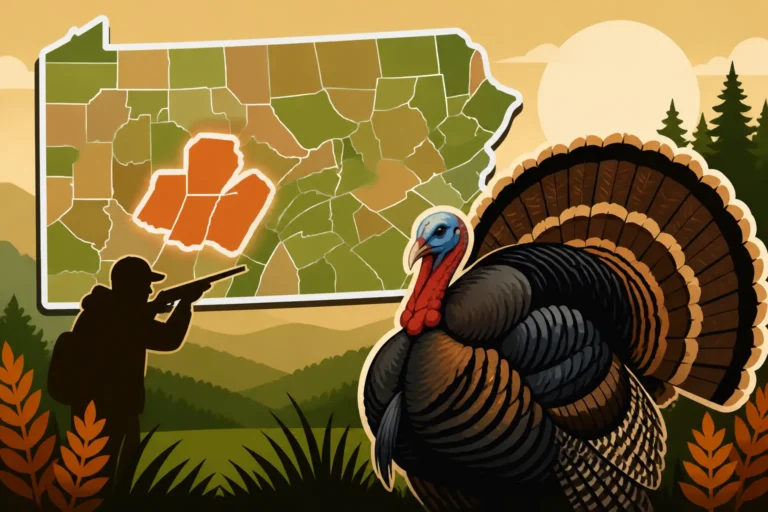
The Game Commission often releases poult-to-hen ratios broken down by WMU or broader regions. This regional data is invaluable for pinpointing areas that might offer better hunting opportunities. If WMU 2A, for example, reported a ratio of 3.5 while WMU 4D had a ratio of 1.2, you might consider focusing your efforts on 2A for the fall season. This doesn't mean you should abandon your favorite spots, but it certainly provides a strong argument for Scouting Pennsylvania Public Land Before Season in areas with better reproductive success.
Many experienced hunters leverage tools like GoHunt or similar mapping applications that can help overlay this population data with habitat maps. By combining the knowledge of strong poult-to-hen ratios with identified quality turkey habitat – think open woods with mature mast trees, clearings with bugging areas, and thick cover – you can refine your scouting efforts significantly. Look for historical turkey sign, but also factor in what the most recent population trends are telling you.
Adapting Your Hunting Strategy Based on Forecasts
Once you've interpreted the numbers, it's time to adapt your hunting strategy. If the poult-to-hen ratios are high, signaling a good year for young birds, you might focus more on traditional fall tactics like flock scattering and using assembly calls to bring back lost poults or hens. These young birds are generally more responsive to calls and less educated, making for exciting and interactive hunts. You might also find birds more readily in open areas or agricultural fields where family groups often feed.
However, if the ratios are low, indicating a scarcity of young birds, you'll need to adjust. This often means focusing on finding older, more solitary birds, or smaller, tighter flocks of adult turkeys. Your calling might need to be more subtle, and your scouting should focus on identifying travel corridors, roosting sites, and dependable food sources where these more wary birds are likely to be. Fall Turkey Tactics in the Big Woods will become even more about quiet still-hunting and careful observation than aggressive calling. In these scenarios, a good app like GoHunt can help you locate those secluded spots away from pressure where mature birds might hold up. It's about being flexible and letting the birds tell you how to hunt them, guided by what the poult-to-hen ratios suggest about their numbers.
Disclaimer
This article is for general informational purposes only and does not constitute professional advice. Laws, prices and regulations vary by location and change over time. Consult a qualified professional for guidance on your specific situation.