Pennsylvania Bear Licence and Seasons
For many Pennsylvania hunters, pursuing a black bear is the pinnacle of the autumn woods experience. However, navigating the specific license requirements and understanding the staggered, sometimes complex, season dates across various Wildlife Management Units (WMUs) can feel like a daunting task, leaving many scratching their heads and fearing a missed opportunity. This comprehensive guide is designed to unravel all the intricacies of securing your Pennsylvania bear license and mastering the diverse bear hunting seasons, ensuring you're fully prepared for a successful and legal hunt.
Understanding the Pennsylvania Bear License
Before you even think about hitting the woods, securing the proper bear license is the absolute first step. It's not just an add-on; it's a mandatory permit that allows you to legally pursue and harvest a black bear in the Commonwealth. Without it, even carrying a weapon in pursuit of a bear is a serious violation.
Cost and How to Purchase Your Bear License
The cost of a Pennsylvania bear license varies depending on your residency status. For Pennsylvania residents, the bear license is an additional fee on top of your general hunting license, offering an affordable opportunity to chase these magnificent animals. Non-residents, naturally, face a higher fee, which is standard across most states for out-of-state hunters. It's crucial to budget for this separate purchase, as it’s often overlooked by those solely focused on deer season. You can purchase your bear license through the Pennsylvania Game Commission's official website, which is a convenient option that allows you to print your license at home. Alternatively, you can visit any authorized license issuing agent, such as a sporting goods store or county treasurer's office, which can be helpful if you have questions or prefer a physical transaction. Many seasoned hunters make it a point to acquire their bear license well in advance of the season, avoiding any last-minute rushes or potential technical glitches. You'll find more details about general hunting costs in our guide on Pennsylvania Hunting Licences and What They Cost, or for residents specifically, the Pennsylvania Resident Hunting Licence Cost.
The Importance of Early Acquisition and DMAP Permits
While bear licenses typically remain available throughout their respective seasons, acquiring yours early is always a wise move. It ensures you’re ready if an unexpected opportunity arises or if you decide to join a last-minute bear drive. There aren't "limited entry" aspects to the general bear license like there are for elk, but being prepared means one less thing to worry about when the season is on. Additionally, some specific private land tracts or public land parcels enrolled in the Deer Management Assistance Program (DMAP) might offer DMAP permits that allow for the harvest of antlerless deer. While primarily for deer, it’s worth noting that these permits don’t typically pertain to bear harvest; the bear license is a standalone requirement. However, understanding all available permit options helps you round out your hunting plans for all species. Always double-check the specific regulations for any DMAP area you intend to hunt, as they can sometimes have unique rules.
Pennsylvania's Bear Season Structure: An Overview
Pennsylvania boasts one of the most successful black bear programs in the country, thanks in part to a well-managed and diverse season structure. Unlike the single, statewide firearms deer season of decades past, bear hunting opportunities are spread across several months, utilizing different weapons and often varying by WMU. This staggered approach helps manage bear populations effectively while providing varied experiences for hunters.
Why Staggered Seasons Exist
The staggered bear seasons are a deliberate strategy employed by the Pennsylvania Game Commission (PGC) to balance hunter opportunity with population management goals. By offering an archery season, a general statewide firearms season, often a muzzleloader season, and then various extended seasons in specific WMUs, the PGC can distribute hunting pressure and target specific population segments. For instance, the early archery season allows for a different style of hunting in typically milder weather, while the later firearms seasons can take advantage of bears bulking up for winter, often leading to larger harvest numbers. The goal is to provide ample opportunity while maintaining a healthy and sustainable bear population, which is a critical aspect of sound wildlife management. Many hunters attest that Pennsylvania Black Bear Hunting is a truly unique challenge and a deeply rewarding pursuit.
A General Look at the Hunting Calendar
Pennsylvania's bear hunting calendar begins in October with archery opportunities, often overlapping with the peak of the deer rut in some areas. This is followed by a general statewide firearms season, typically a short but intense few days in late November, right after the deer firearms opener. Many WMUs also offer a concurrent muzzleloader bear season, often aligning with the muzzleloader deer season. Finally, extended bear seasons, sometimes running into December, provide additional chances in areas with higher bear densities or where agricultural damage is a concern. This layered approach means that if you're dedicated, you could potentially pursue a bear with a bow, a rifle, or a flintlock, depending on the season and WMU.
Detailed Breakdown of Bear Seasons
Let's dive deeper into the specifics of each major bear season, outlining what hunters can expect and the unique challenges and rewards each offers.
Archery Bear Season Nuances
The Pennsylvania archery bear season typically opens in mid-October, running concurrently with the bulk of the archery deer season. This provides a fantastic opportunity for bowhunters who are already in the woods for deer to potentially intercept a bear. Hunting bear with archery equipment presents a unique challenge, requiring close encounters and precise shot placement. Bears are incredibly tough animals, and a clean, ethical harvest is paramount.
During this time, bears are often actively feeding on fall mast crops like acorns and beechnuts, or browsing on soft mast like apples and berries. This makes scouting for food sources absolutely critical. Many archers rely on trail cameras to pattern bear movements around these food plots. Weather conditions in October can be mild, which means scent control is even more important, as bears have an incredible sense of smell. For those thinking of taking on this challenge, our guide on Archery and Muzzleloader Bear Tactics offers deeper insights into equipment and strategy. When you're out there, mapping tools like GoHunt can be incredibly helpful for identifying potential feeding areas and planning silent approaches to your stands.
General Firearms Bear Season: The Main Event
The general firearms bear season is often the most anticipated and highest-harvesting season. Historically, this brief, intense season usually occurs in the week leading up to or overlapping with Thanksgiving, a few days before the statewide firearms deer season. This concentration of hunting effort in a short window, combined with the use of powerful firearms, leads to significant harvest numbers. You can find precise dates in resources like When the Four-Day Bear Firearms Season Runs.
This season is characterized by a high number of hunters in the woods, especially on public lands. Many hunters opt for organized drives, a traditional and effective method for pushing bears out of thick cover. These drives require careful planning, communication, and a clear understanding of safety protocols. For those participating, our article on Organising a Pennsylvania Bear Drive provides invaluable tips. Solo hunters or small groups often focus on still-hunting dense timber, known bear travel corridors, or areas with abundant food sources that might be overlooked by larger groups. The weather can be a wild card, ranging from mild Indian summer days to bitter cold and snow, so appropriate layered clothing is essential.
Muzzleloader Bear Season Opportunities
Pennsylvania also offers a dedicated muzzleloader bear season, typically a few days in late October or early November, often overlapping with the muzzleloader deer season. This provides an additional opportunity for hunters who appreciate the challenge and tradition of hunting with a muzzleloader. Much like archery hunting, muzzleloader bear hunting often requires a more deliberate, patient approach. The effective range of a muzzleloader is generally shorter than that of a modern rifle, emphasizing the need for good scouting and shot-distance management.
Hunters participating in this season will find themselves in a quieter woods compared to the general firearms season, though still potentially sharing it with muzzleloader deer hunters. The tactics for muzzleloader bear hunting are similar to archery, focusing on food sources and natural travel routes. The key is to be proficient with your chosen muzzleloader and understand its limitations. Keeping your powder dry and your flint sharp (for flintlock users) is critical for a successful hunt.
Navigating Extended Bear Seasons by WMU
Beyond the statewide opportunities, Pennsylvania often provides extended bear seasons in specific WMUs. These seasons are a vital tool for the Game Commission to manage regional bear populations, especially in areas where bear numbers are high or where agricultural conflicts are more frequent. These extensions can offer some of the best late-season opportunities for persistent hunters.
Which WMUs Offer Extended Opportunities
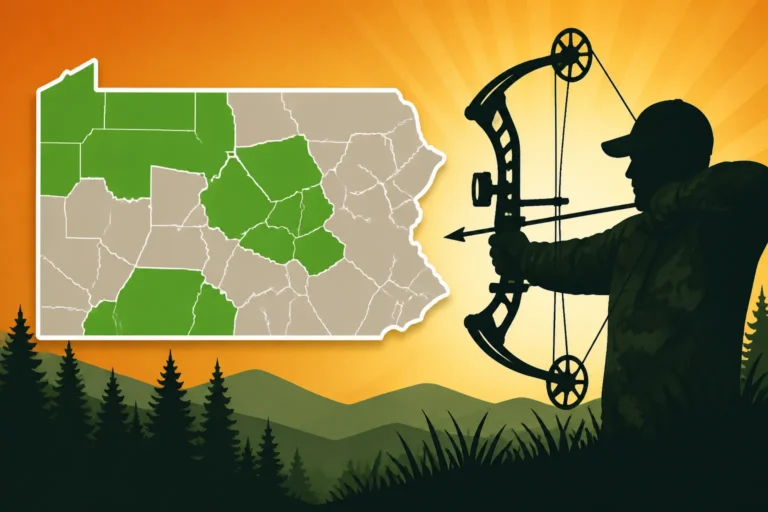
The specific WMUs that have extended bear seasons can vary slightly from year to year, so it's absolutely critical to consult the most current Pennsylvania Game Commission hunting digest or their website for the precise details. Generally, you'll find extended seasons in WMUs with historically strong bear populations, particularly in the northern tier and parts of the central mountains, and increasingly in the more developed southeastern regions where bears are expanding their range. These extended seasons often run for a week or more in early to mid-December, sometimes even into the late archery/flintlock deer seasons. Knowing which WMUs have these extra days is key to maximizing your bear hunting efforts. Our guide on Pennsylvania Extended Bear Season WMUs delves into these regional opportunities in more detail.
Tactics for Late-Season Success in Extended WMUs
Hunting during the extended bear seasons presents its own unique set of challenges and rewards. By December, many leaves have fallen, improving visibility but also making hunters more conspicuous. Bears are in their final push for calories before denning up, so finding persistent food sources, such as unharvested agricultural fields (with permission) or late-dropping acorns in specific oak stands, is paramount. Weather can be a major factor, with cold temperatures, snow, and ice being common. Bears might be less active during extreme cold or seek refuge in dense thermal cover.
One effective strategy for these late seasons, especially after some snow has fallen, is tracking. Fresh bear tracks in the snow can lead you directly to a feeding area or a bedding thicket. Still-hunting slowly and deliberately through areas with heavy cover, such as clearcuts, mountain laurel thickets, or hemlock swamps, can also be productive, as bears often seek refuge in these spots. Patience is a virtue, and being prepared for long, cold sits or slow, methodical movements is essential. Many hunters also use digital mapping tools like GoHunt to scout and understand the topography of these WMUs, identifying potential bedding areas or travel corridors from afar.
| Season Type | Typical Start Date | Typical End Date | Weapon Type | General Notes |
|---|---|---|---|---|
| Archery Bear | Mid-October | Early November | Archery/Crossbow | Concurrent with archery deer; challenging for close encounters. |
| Muzzleloader Bear | Late October | Early November | Muzzleloader | Concurrent with muzzleloader deer; quieter woods, requires precision. |
| General Firearms Bear | Mid-Late November | Early December | Rifle/Shotgun | Short, intense statewide season; high hunter pressure, common for bear drives. |
| Extended Bear (WMU-specific) | Early-Mid December | Mid-Late December | Rifle/Shotgun | Dates and WMUs vary annually; good for late-season tracking, colder weather. |
Note: Always consult the current Pennsylvania Game Commission Digest for exact season dates, which can change year to year.
Important Bear Hunting Regulations Beyond the Dates
Getting your license and knowing the season dates is crucial, but successful and legal bear hunting involves adhering to several other important regulations. Pennsylvania is serious about its hunting laws, and ignorance is no excuse.
Tagging, Reporting, and Checking Your Bear
Once you've successfully harvested a bear, the real work begins. Pennsylvania requires immediate tagging of your bear at the site of the kill, using the ear tag provided with your bear license. This tag must be attached to the bear's ear before you move it from the kill site. Failure to do so can result in significant penalties.
Beyond tagging, all harvested bears must be reported and checked at a Pennsylvania Game Commission bear check station within 24 hours of harvest. This is a critical step for data collection, allowing the PGC to gather information on bear age, sex, weight, and overall health, which is vital for population management. These check stations are typically set up at Game Commission regional offices or designated locations during the general firearms and extended seasons. You'll want to plan your hunt with the nearest check station in mind. Our guide on Checking a Pennsylvania Bear offers more information on this process. This check also provides an opportunity for hunters to see other harvested bears and share stories, becoming a unique part of the Pennsylvania bear hunting experience.
Hunter Orange Requirements and Safety
Safety is paramount in any hunting endeavor, and bear hunting is no exception. During any firearms bear season, Pennsylvania law requires hunters to wear a minimum of 250 square inches of fluorescent orange material on the head, chest, and back combined, visible 360 degrees. This rule applies even during the muzzleloader bear season when firearms are used. During the archery bear season, hunter orange is generally not required, but it is always a smart safety practice to wear some, especially if you are walking to or from your stand during daylight hours or in areas where other hunters might be present. Always refer to the Pennsylvania Hunter Orange Rules for the most up-to-date requirements.
Beyond hunter orange, understanding the safe handling of your firearm, knowing your target and what's beyond it, and communicating effectively with hunting partners (especially during bear drives) are all essential for a safe hunt. The Pennsylvania woods can be rugged, and bears can be formidable animals, so being prepared for any eventuality is just good sense.
Baiting and Feeding Regulations
It's absolutely critical to understand that baiting bears is illegal in Pennsylvania. This means placing any food or edible substance to attract bears for the purpose of hunting is prohibited. This regulation is in place to promote fair chase and prevent artificial concentrations of wildlife. Likewise, feeding bears outside of hunting season can lead to habituation, creating nuisance animals and potential safety risks. Always adhere to these regulations to ensure a legal and ethical hunt. Furthermore, it's always advisable to be aware of any CWD Disease Management Areas (DMAs) in Pennsylvania, as these areas often have additional restrictions on carcass movement and feeding, though these primarily impact deer, it's good practice to be informed about all regulations in your hunting area.
Planning Your Pennsylvania Bear Hunt
A successful bear hunt in Pennsylvania isn't just about showing up with a license and a gun; it’s about thorough preparation. The vastness and diversity of Pennsylvania's landscape mean that good planning can make all the difference.
Scouting for Bear Sign and Habitat
Effective scouting is the cornerstone of any successful bear hunt. Bears are creatures of habit, often following consistent travel corridors between bedding areas, food sources, and water. During the fall, food is king. Focus your scouting efforts on identifying key food sources like oak flats (for acorns), beech stands (for beechnuts), and areas with wild apples, berries, or even unharvested agricultural fields. Look for fresh scat, torn-up logs, overturned rocks, and claw marks on trees, all indicative of bear activity. Game cameras can be invaluable tools for patterning bear movement, helping you pinpoint active feeding sites and preferred travel routes.
When scouting public lands, pay close attention to areas with dense cover, such as thick clearcuts, mountain laurel thickets, or hemlock swamps, as these provide excellent bedding and escape cover for bears. Tools like GoHunt's advanced mapping capabilities can help you identify these features from your home, allowing you to prioritize areas for on-the-ground scouting. Understanding the terrain, especially in the rugged "Big Woods" regions, is vital for predicting how bears will move. Our guide on Hunting Pennsylvania Bear in the Big Woods offers fantastic insights for these challenging areas.
Gear Considerations for Bear Hunting
Given the varying seasons and often rugged terrain, your gear selection for bear hunting needs to be thoughtful. For archery season, a reliable bow, sharp broadheads, and comfortable treestand setup are crucial. For firearms seasons, a powerful and accurate rifle, capable of cleanly harvesting a bear, is essential. Calibers like .30-06, .308, .270, and similar are popular choices. Remember to sight in your rifle thoroughly and practice shooting from various field positions.
Beyond weapons, consider layering clothing appropriate for potentially cold, wet conditions. Insulated, waterproof boots are a must for traversing challenging terrain and staying warm during long sits. A quality backpack to carry essentials like water, snacks, first-aid, and field dressing tools is also vital. Don't forget a sharp knife and game bags for proper meat care after a harvest. Since bears can be heavy, a game cart or deer drag can be incredibly useful for extraction. Finally, always carry a reliable headlamp for walking in and out of the woods in the dark, and a compass or GPS device (like the GoHunt app on your phone) for navigation, especially in unfamiliar territory.
Navigating Public and Private Land
Pennsylvania offers millions of acres of public hunting land, including State Game Lands, State Forests, and the Allegheny National Forest, all of which hold healthy bear populations. When hunting these areas, be mindful of other hunters, especially during the busy general firearms season. Consider venturing deeper into public lands, away from easily accessible areas, to find less pressured bears.
Hunting private land requires explicit permission from the landowner. Building relationships with landowners, especially in agricultural areas where bears might cause damage, can open up excellent hunting opportunities. Always respect private property, leave no trace, and adhere strictly to any conditions set by the landowner. Regardless of where you hunt, understanding the local WMU regulations for Extended Bear Seasons by WMU is key, as these can dictate your success.
Disclaimer
Please note: Hunting regulations and season dates are subject to change. Always consult the official Pennsylvania Game Commission website or the latest hunting and trapping digest for the most accurate and up-to-date information before planning your hunt.