Which WMUs Get an Early Archery Opener
It can be incredibly frustrating trying to keep track of Pennsylvania's ever-evolving hunting seasons and regulations, especially when certain areas have different rules than the rest of the state. Many hunters, myself included, have felt that pang of confusion trying to figure out which WMUs offer a jumpstart on archery season. This guide is here to clear the air, detailing exactly which Wildlife Management Units (WMUs) get an early archery opener and what you need to know to make the most of it.
Understanding Pennsylvania's Early Archery Opener
Pennsylvania's deer hunting landscape is incredibly diverse, from the vast wilderness of the Big Woods to the farmlands of the southeast. To manage deer populations effectively across such varied terrain, the Pennsylvania Game Commission often implements localized regulations. The early archery opener is a prime example of this tailored approach, designed to address specific challenges in certain regions of the Commonwealth. It's not just a bonus for eager archers; it's a strategic tool.
The Rationale Behind Extended Seasons
The concept of an early archery opener, often part of an extended archery season, isn't arbitrary. It's a direct response to wildlife management needs, primarily in areas where deer populations are high and traditional hunting methods might be less efficient due to human development and safety concerns. In densely populated WMUs, the longer season provides additional opportunities for hunters to harvest deer, which helps mitigate issues like deer-vehicle collisions, agricultural damage, and the spread of diseases like Chronic Wasting Disease (CWD).
Think about it: in a sprawling suburban landscape, where housing developments bump right up against small woodlots, getting a clean, safe shot with a firearm can be incredibly difficult. Archery, with its shorter effective range and quieter nature, is often a more suitable and safer method in these environments. By starting the season earlier, the Game Commission increases hunter effort and harvest potential, which is crucial for balancing deer numbers with ecological and human interests. It's a proactive measure to keep things in check before deer populations get out of hand in these localized hotspots.
Key Characteristics of Early Archery WMUs
The WMUs that typically feature an early archery opener share some common characteristics. They are often characterized by a mix of residential areas, commercial zones, and fragmented natural habitats. This mosaic landscape means deer live in closer proximity to people, leading to more frequent human-deer conflicts. The early archery season in these areas also typically runs longer, often extending beyond the statewide general archery season, sometimes even into late January.
Another defining feature is the often-easier availability of antlerless deer licenses. Because the goal is often population reduction, antlerless tags in these WMUs might be available over-the-counter or in greater quantities for a longer period, sometimes even designated as unlimited. This contrasts sharply with many rural WMUs where antlerless tags can sell out in minutes on the opening day of sales. Hunters in these early-opener WMUs might also experience different levels of hunting pressure, which can fluctuate depending on public land access and localized landowner permission. Understanding these nuances is key to success.
Identifying the Specific Early Archery WMUs
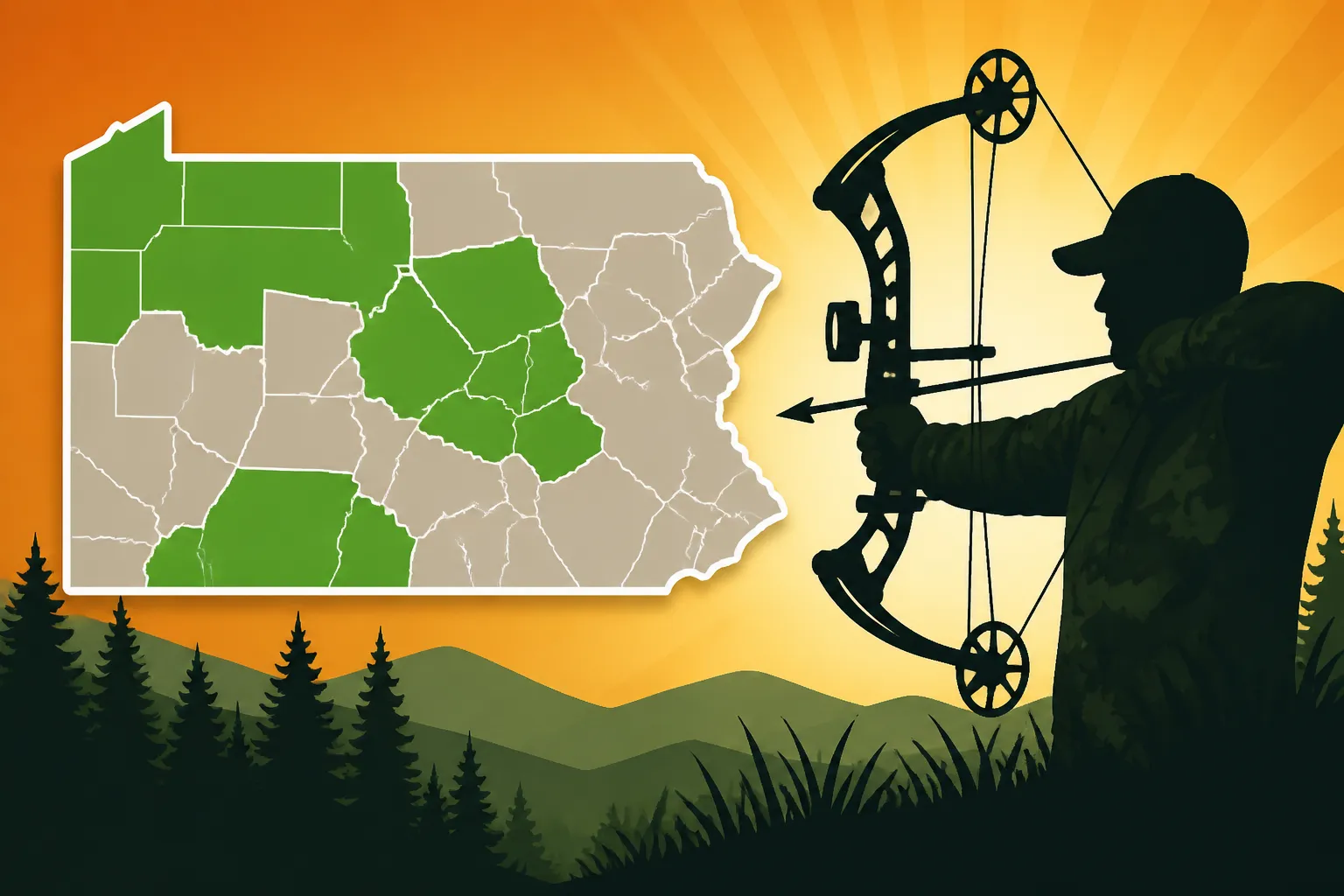
When it comes to getting a jump on archery season in Pennsylvania, there are a few specific Wildlife Management Units that stand out, year after year. These WMUs typically open their archery season several weeks before the statewide opener, offering eager bowhunters a unique advantage. Knowing where these boundaries lie and what to expect within them is the first step toward planning a successful early season hunt.
WMU 2B: The Pittsburgh Metro Advantage
WMU 2B encompasses a significant portion of the Pittsburgh metropolitan area and its surrounding suburbs. This WMU is a prime example of a region where high deer densities intersect with dense human populations. The landscape here is a patchwork of urban sprawl, residential neighborhoods, parks, golf courses, and small, fragmented woodlots. The early archery opener in WMU 2B typically kicks off in mid-September, offering a solid two to three weeks of additional hunting opportunity before the general statewide archery season begins.
Hunting in WMU 2B often involves navigating smaller tracts of public land, securing private land permission, and being acutely aware of safety zones around dwellings and buildings. You'll find deer here that are quite accustomed to human activity, often moving through backyards and green spaces with surprising regularity. The availability of antlerless tags is usually very high, sometimes even unlimited, reflecting the Game Commission's consistent efforts to manage this urban deer population. Many hunters in this zone rely on strong relationships with landowners or strategically placed ground blinds on small parcels.
WMUs 5C and 5D: The Southeast Special Regulations Zone
Venturing across the state to the southeastern corner, WMUs 5C and 5D represent the heart of the "Southeast Special Regulations Area." These WMUs cover the densely populated areas around Philadelphia and its surrounding counties, including places like Bucks, Montgomery, Chester, Delaware, and parts of Berks and Lehigh. Similar to WMU 2B, these regions feature an incredibly early archery opener, usually starting in mid-September. The sheer density of people and deer in these WMUs necessitates aggressive management strategies, and the extended archery season is a cornerstone of that plan.
Hunting here can be challenging due to limited contiguous public land and the omnipresent safety zone regulations. However, for those who put in the effort to gain private land access, the rewards can be significant. Deer populations are robust, and many mature bucks can be found, often thriving in the pockets of cover within suburban landscapes. The regulations in 5C and 5D are often tailored to these specific conditions, sometimes including different firearm restrictions during other seasons, but for archery, the early start is the major differentiator. These WMUs also usually have very liberal antlerless tag availability.
Key Differences in Regulations for These WMUs
While the primary difference for WMUs 2B, 5C, and 5D is the earlier archery season start, there are other nuances worth noting. Often, these WMUs have extended archery seasons that continue later into the winter than the statewide season, sometimes running through January. This extra time allows for even more opportunities to fill tags, particularly when late-season food sources become critical. For instance, the general statewide archery season typically closes around Thanksgiving, while these WMUs might continue for another two months.
Another critical difference can be antlerless tag availability. As mentioned, these WMUs often have an abundance of antlerless tags, sometimes even declared "unlimited" by the Game Commission. This is a stark contrast to many other WMUs where antlerless tags are a hot commodity, selling out within minutes or hours. For hunters specifically looking to harvest does to fill their freezers or manage local deer populations, these WMUs offer unparalleled opportunities. Always double-check the current hunting digest or the Pennsylvania Game Commission's website for the most up-to-date regulations, as they can sometimes shift slightly from year to year.
Here's a quick overview of the primary early archery opener WMUs:
| WMU | Primary Location | General Landscape | Typical Archery Start Date | Antlerless Tag Availability | Key Characteristics |
|---|---|---|---|---|---|
| 2B | Pittsburgh Metro | Urban/Suburban, fragmented woodlots | Mid-September | High, often Unlimited | High deer density, challenging access, urban-adapted deer |
| 5C | Southeast PA | Suburban/Rural Transition, fragmented | Mid-September | High, often Unlimited | High deer density, significant agricultural/suburban interface |
| 5D | Southeast PA | Densely Urban/Suburban, small green spaces | Mid-September | High, often Unlimited | Highest population density, very limited public land, safety zones critical |
Strategies for Early Archery Success in These Zones
Hunting in the early archery season within these specific WMUs presents a unique set of challenges and opportunities. The weather is often warm, deer are still in their summer patterns, and hunting pressure might be different compared to the statewide opener. To be successful, you need to adapt your scouting and hunting tactics.
Prioritizing Summer Scouting and Stand Placement
The success of your early archery hunt largely hinges on thorough summer scouting. Deer in September are still very much on a summer feeding pattern, often frequenting lush green fields, agricultural crops, and even suburban gardens. This means you need to be out there well before the season, using optics to observe deer movements from a distance, identifying their preferred food sources, and pinpointing entry and exit routes. A great tool for this is a mapping application like GoHunt, which can help you identify property lines, locate potential bedding areas, and mark transition zones where deer are likely to travel.
When it comes to stand placement, focus on pinch points between bedding and feeding areas. Look for natural funnels, creek bottoms, or fence lines that deer use to travel discreetly. Since the foliage is still thick, visibility can be limited, making it crucial to place your stand or blind where you can intercept deer at close range. Consider how the prevailing winds will affect your scent cone and always plan your access and egress routes to minimize disturbance. You don't want to spook deer on your way in or out, especially on smaller parcels where they have fewer places to go. For more ideas, check out our guide on Treestand Setups in Pennsylvania Hardwoods.
Targeting Early Season Food Sources
Early archery season in September is all about food. Unlike the rut, which drives deer movement later in the fall, early season deer are primarily focused on eating to pack on fat reserves for the coming winter. In agricultural areas, this means targeting standing cornfields, soybean fields, and alfalfa plots. Deer will often congregate in these areas, especially in the late afternoons and evenings. If you're hunting near a standing cornfield, consider setting up on a well-used trail leading into or out of it. You might find our post on Hunting a Standing Cornfield in Farm Country helpful.
In more suburban or timbered WMUs, focus on mast crops, particularly early-dropping acorns, and soft mast like crabapples, wild grapes, or honeysuckle. Deer absolutely key in on these highly nutritious food sources. Observe which trees are dropping first and set up accordingly. If natural mast isn't abundant, deer might be drawn to residential landscaping or small food plots if they are present. Understanding Late-Season Food Sources for Whitetails can also give you insights into contrasting patterns, highlighting how crucial early season food sources are. Don't forget water sources either, as warm weather means deer will need to drink frequently.
Navigating Increased Pressure and Safety Zones
Hunting in these early opener WMUs, particularly 2B, 5C, and 5D, means dealing with potentially higher human activity and the critical importance of safety zones. You'll likely encounter more hikers, dog walkers, and general outdoor enthusiasts, especially on public lands. This means being extra vigilant about hunter orange rules, even during archery season, as other hunters might also be in the woods, and it's always good practice to wear orange to and from your stand. Our guide on Pennsylvania Hunter Orange Rules is a must-read.
Safety zones—the 50-yard buffer around occupied buildings without written permission—are paramount in these populated WMUs. A hunting app like GoHunt can be invaluable here, using its GPS and property line layers to ensure you are always outside these zones. You need to know exactly where you can and cannot shoot, and respecting these boundaries is not just a legal requirement but a demonstration of responsible hunting. Public land in these zones can be small and heavily pressured, so consider scouting areas that others might overlook, even if it means walking a little further from the parking lot to find untouched pockets, as discussed in our Hunting Pressure on Pennsylvania Game Lands article.
Navigating Licenses, Tags, and Antler Restrictions
Understanding the specific licensing requirements, tag allocations, and antler restrictions in these early archery WMUs is paramount. While the early opener offers expanded opportunities, it also comes with particular rules that differ from the statewide norms. Getting these details right ensures a legal and successful hunt.
Securing Your WMU-Specific Antlerless Tags
One of the most appealing aspects of hunting in WMUs 2B, 5C, and 5D during the early archery season is the typically abundant, and often unlimited, availability of antlerless deer licenses. While the rest of the state scrambles to secure their antlerless tags when sales open, these special regulation WMUs often have a steady supply. This is a deliberate strategy by the Pennsylvania Game Commission to manage overpopulated deer herds in these more developed areas. Hunters can often purchase multiple antlerless tags throughout the season, sometimes even over the counter, well after the initial July sales periods for other WMUs.
However, even with high availability, it’s crucial to understand the process. You still need to apply for these tags through the official channels, whether online via the Pennsylvania Game Commission's HuntFishPA portal or at a license issuing agent. Always double-check the current hunting digest for the precise dates and methods for purchasing these WMU-specific antlerless licenses. Knowing How Pennsylvania Antlerless Licence Sales Work is important, as is understanding the specific rules for these high-allocation WMUs. Don't just assume; confirm every year.
Understanding Antler Restrictions in Early Opener WMUs
Antler restrictions in Pennsylvania are designed to allow younger bucks to mature, generally leading to a healthier and older buck population. In most of the state, a legal buck must have at least three points on one antler (known as "3 up" or "3 points to one side"), excluding the brow tine, or a main beam of a certain length. However, the early archery opener WMUs (2B, 5C, 5D) typically adhere to the "statewide" antler restrictions, which for junior hunters, senior hunters, and mentored youth, simply means any antlered deer with one antler at least three inches long. For most adult general license holders, it means at least three points on one antler in designated "3 up" WMUs, and for others, it's typically three points on one side or a certain main beam length.
It's absolutely essential to confirm the specific antler restrictions for your chosen WMU each year. The rules can be slightly complex, and a mistake can lead to serious penalties. Before you head into the woods, make sure you know What Counts as a Legal Pennsylvania Buck in your specific WMU. Many hunters use a reference card or their hunting app like GoHunt to quickly verify antler points if there's any doubt during a hunt. The key takeaway is: don't assume the rules are the same as rural WMUs; always verify the details for 2B, 5C, or 5D.
Reporting Your Harvest Accurately
Harvest reporting is a non-negotiable part of hunting in Pennsylvania, and it's especially critical in WMUs with special regulations and higher deer populations. After you successfully harvest a deer, you are legally required to report it to the Pennsylvania Game Commission within 10 days. This applies to both antlered and antlerless deer. You can report your harvest online via the HuntFishPA portal, by mail, or by phone. The information you provide—such as WMU, date, sex, and antler points—is vital data for wildlife biologists.
This data helps the Game Commission make informed decisions about future season lengths, tag allocations, and overall deer management strategies in these particular WMUs. Given the intensive management focus on WMUs 2B, 5C, and 5D, accurate reporting is even more crucial for them to understand the impact of the early and extended archery seasons. Failing to report a harvest is a violation, so make sure you understand the Pennsylvania Deer Tagging Requirements and follow through with the reporting process promptly.
Disclaimer
The information provided in this guide is for general informational purposes only and is not legal advice. Hunting regulations in Pennsylvania are subject to change. It is the hunter's responsibility to consult the most current Pennsylvania Game Commission Digest, official regulations, and local laws before hunting. Always verify season dates, bag limits, and specific WMU rules directly with the Pennsylvania Game Commission.