Pennsylvania Firearms Deer Season Dates
That crisp bite in the air, the scent of autumn leaves, and the promise of a big woods buck or a plump farm country doe on opening day – it's a feeling every Pennsylvania hunter knows well. But with the Pennsylvania Game Commission (PGC) continuously fine-tuning seasons and regulations, keeping track of the exact firearms deer season dates can sometimes feel like trying to track a ghost buck through a thicket. This guide is here to untangle the dates and nuances of Pennsylvania's general firearms deer season, helping you plan your hunts effectively and confidently.
Understanding Pennsylvania's General Firearms Deer Season Dates
The general firearms deer season in Pennsylvania is, for many, the pinnacle of the hunting year. It's when deer camps come alive, the woods fill with blaze orange, and traditions run deep. However, the exact dates and structure have seen some shifts in recent years, making it crucial to stay informed.
The Core Statewide Season Structure
Traditionally, Pennsylvania's general firearms deer season has always been a two-week affair, kicking off the Saturday after Thanksgiving. This remains the general framework, a date etched into the minds of generations of hunters. This period is often the most anticipated, bringing hunters from all corners of the state and beyond to chase whitetails. The PGC establishes these specific start and end dates each year, and they are published in the annual Hunting and Trapping Digest.
For instance, in recent years, the season has generally run from the Saturday after Thanksgiving through the second full week of December. This period covers roughly 13 days of hunting, including three Saturdays and two Sundays. Yes, you read that right – Sunday hunting is now part of the general firearms deer season, a significant change that has expanded opportunities for many working hunters. This inclusion has transformed how many hunters approach their plans, allowing for more time afield without burning precious vacation days. It’s always a good idea to confirm the exact Pennsylvania Firearms Deer Season Structure in the current digest, as there can be minor adjustments year to year. When that first Saturday dawns, knowing your Opening Day Tactics in Pennsylvania can make all the difference amidst the crowds.
Special Regulations Areas and Extended Opportunities
While the core statewide season provides the primary hunting window, Pennsylvania also designates certain Wildlife Management Units (WMUs) as "Special Regulations Areas." These WMUs, typically located in more populated regions, often have extended firearms seasons to help manage deer populations more intensively. These extensions might mean the firearms season opens earlier, runs later, or both, offering additional chances to fill a tag.
For example, WMUs 5C and 5D, which encompass much of southeastern Pennsylvania, frequently have longer firearms seasons. This is often due to higher deer densities in suburban and agricultural landscapes where traditional hunting pressure might be lower or more restricted. These areas present unique challenges and opportunities, requiring hunters to be particularly mindful of safety zones and local ordinances. For hunters looking to maximize their time afield, knowing these special regulation dates can be a game-changer. It means you might be able to get out in an earlier segment before the traditional rush, or extend your hunting into what would otherwise be the off-season for general WMUs. Using a digital mapping tool like GoHunt can be incredibly helpful for quickly identifying specific WMU boundaries and their associated regulations right on your phone or computer, ensuring you're always within the correct zone for these special dates.
Navigating Concurrent Antlerless and Antlered Hunting
One of the most impactful changes to Pennsylvania's firearms deer season in recent decades has been the shift to concurrent hunting for both antlered and antlerless deer throughout the entire general season. This wasn't always the case, and for veteran hunters, it marked a significant change in strategy.
What "Concurrent" Really Means for Hunters
Before concurrent hunting, hunters often had specific days or periods where only antlered deer could be harvested, followed by days when both antlered and antlerless deer were fair game, or sometimes just antlerless. This made planning complicated and often meant passing on a perfectly good doe because you were hoping for a buck, or vice-versa.
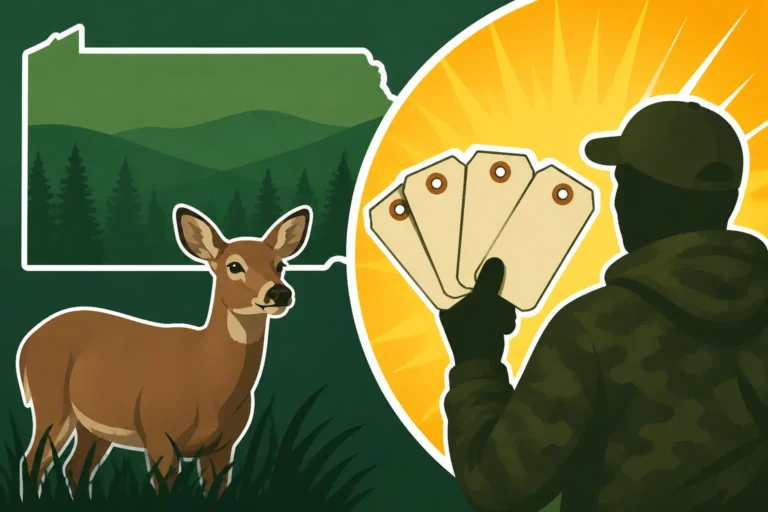
Now, during the general firearms deer season, if you possess the appropriate tags, you can harvest an antlered deer with your general hunting license deer tag, and an antlerless deer with a valid WMU-specific antlerless license. This streamlines the hunting experience significantly. It means if a legal buck steps out, you can take it. If a doe presents itself and you have an antlerless tag for that WMU, you can fill that tag without waiting for a specific "doe day." This flexibility is a huge benefit, especially on colder days when deer movement is limited, or when you simply need to fill the freezer. Understanding Pennsylvania Antlerless Deer Licences Explained is paramount here, as the process for obtaining these tags differs from your general hunting license. You’ll also need to be keenly aware of Pennsylvania Antler Restrictions by WMU, as the legal definition of an antlered buck can vary depending on where you are hunting.
Planning for Antlerless Opportunities
While concurrent hunting offers immense flexibility, it also requires a bit of strategic thinking. Many hunters go into the firearms season with both an antlered tag and one or more antlerless tags. This allows them to take the first legal deer that offers a good shot, or to prioritize filling an antlerless tag if venison for the table is the primary goal.
For those targeting antlerless deer, the ability to harvest them throughout the general firearms season means you don't have to save your best hunting spots for specific "doe days." Instead, you can focus on areas known for high deer traffic or abundant food sources from day one. This can be particularly advantageous during the middle of the season when initial hunting pressure has subsided, and deer patterns might become more predictable. Using a resource like GoHunt can help you scout and identify potential feeding and bedding areas, making your pursuit of either an antlered or antlerless deer more efficient. Remember, filling that second antlerless tag (if you have one) can often be done during the Late Antlerless Hunting in Pennsylvania periods, which sometimes extend beyond the general firearms season.
Key Considerations for the Firearms Season
Beyond knowing the dates, there are several crucial elements that every Pennsylvania firearms deer hunter needs to be aware of to ensure a safe, legal, and successful hunt. The woods can be a busy place, especially during rifle season, so preparedness is key.
Hunter Orange and Safety Requirements
Safety is paramount, and during the firearms deer season, wearing sufficient blaze orange is not just a recommendation—it's the law. Pennsylvania requires all hunters to wear at least 250 square inches of fluorescent orange material on their head, chest, and back combined, visible 360 degrees, during the general firearms deer season. This applies to anyone hunting deer or bear during this time.
This regulation isn't just about avoiding legal trouble; it's about protecting yourself and others. The woods can be dense, especially in Pennsylvania's mountainous terrain or thick clearcuts. Wearing ample orange makes you easily identifiable to other hunters, significantly reducing the risk of accidents. Even when sitting still, you need to be visible. Make sure your orange isn't obscured by your pack or gear. Many hunters opt for a blaze orange vest and a hat to meet this requirement. It's also wise to check the latest Pennsylvania Hunter Orange Rules each year, as slight modifications or clarifications can occur.
Anticipating Hunting Pressure and Strategies
The general firearms season, especially opening day and the first weekend, brings out the largest number of hunters to Pennsylvania's woods. This means you should expect significant Hunting Pressure on Pennsylvania Game Lands and even on many private tracts. Deer become more skittish, change their patterns, and often seek refuge in the thickest, most remote cover they can find.
This increased pressure means your strategy needs to adapt. Simply walking into a traditional deer hotspot might not yield results after the first few hours. Consider hunting areas that others overlook, like small pockets of cover near roads, steep hillsides, or dense swamps. Walking further away from popular parking areas can often lead you to less disturbed deer. Alternatively, understanding how deer move under pressure can be your advantage. Deer drives, for instance, are a common and effective tactic for moving deer out of thick cover towards waiting standers, especially when you have a small group. After a fresh snow, still-hunting can also be particularly effective. Mapping tools like GoHunt can help you identify overlooked terrain features, potential escape routes, and bedding areas that might be less frequented by other hunters.
Legal Firearms and Ammunition
Pennsylvania has specific regulations regarding the types of firearms and ammunition that are legal for deer hunting. While semi-automatic rifles are now permitted, there are still caliber restrictions and other rules to be mindful of. Generally, centerfire rifles, shotguns, and muzzleloaders are common choices.
Hunters must use lawful ammunition, which means no full metal jacket or tracer rounds. Shotgun hunters, particularly in special regulations areas, will often use slugs. It’s critical to confirm your chosen firearm and ammunition comply with all current regulations as outlined by the PGC. For a comprehensive overview, refer to the Legal Firearms for Pennsylvania Deer section in your annual digest. Taking the time to pattern your shotgun with slugs or zero your rifle before the season opens is a non-negotiable step to ensure ethical and accurate shots during the excitement of the hunt.
Pennsylvania Firearms Deer Season Overview
To help you keep track, here's a general overview of the typical Pennsylvania firearms deer season structure. Always double-check the current PGC Hunting and Trapping Digest for the most up-to-date and specific dates for your WMU.
| Season Type | Typical Start Date | Typical End Date | Antlered/Antlerless | Specific Notes |
|---|---|---|---|---|
| General Firearms Deer | Saturday after Thanksgiving | Mid-December (approx. 2 weeks) | Concurrent | Statewide, includes Sunday hunting opportunities. |
| Special Regulations WMUs | May include earlier opening | May include later closing | Concurrent | WMUs 5C, 5D often have extended or earlier windows. |
| Late Archery/Flintlock | Late December | Mid-January | Antlerless/Antlered | Separate season, specific rules apply (check digest). |
This table provides a snapshot, but remember that legislative changes and biological factors can influence these dates annually. Always consult the official PGC resources.
Knowing the exact dates for Pennsylvania's firearms deer season is your first step towards a successful hunt. Whether you're planning a classic deer camp experience during the general statewide season or taking advantage of extended opportunities in a special regulations WMU, staying informed about concurrent hunting rules, safety requirements, and legal equipment is crucial. The key is to be prepared, hunt safely, and enjoy the rich tradition of deer hunting in the Keystone State.
Disclaimer
Please remember that hunting regulations, including season dates and specific WMU rules, can change annually. This article provides general information and guidance. It is the hunter's responsibility to consult the most current official Pennsylvania Hunting and Trapping Digest, published by the Pennsylvania Game Commission, for precise and up-to-date regulations before participating in any hunting activity.