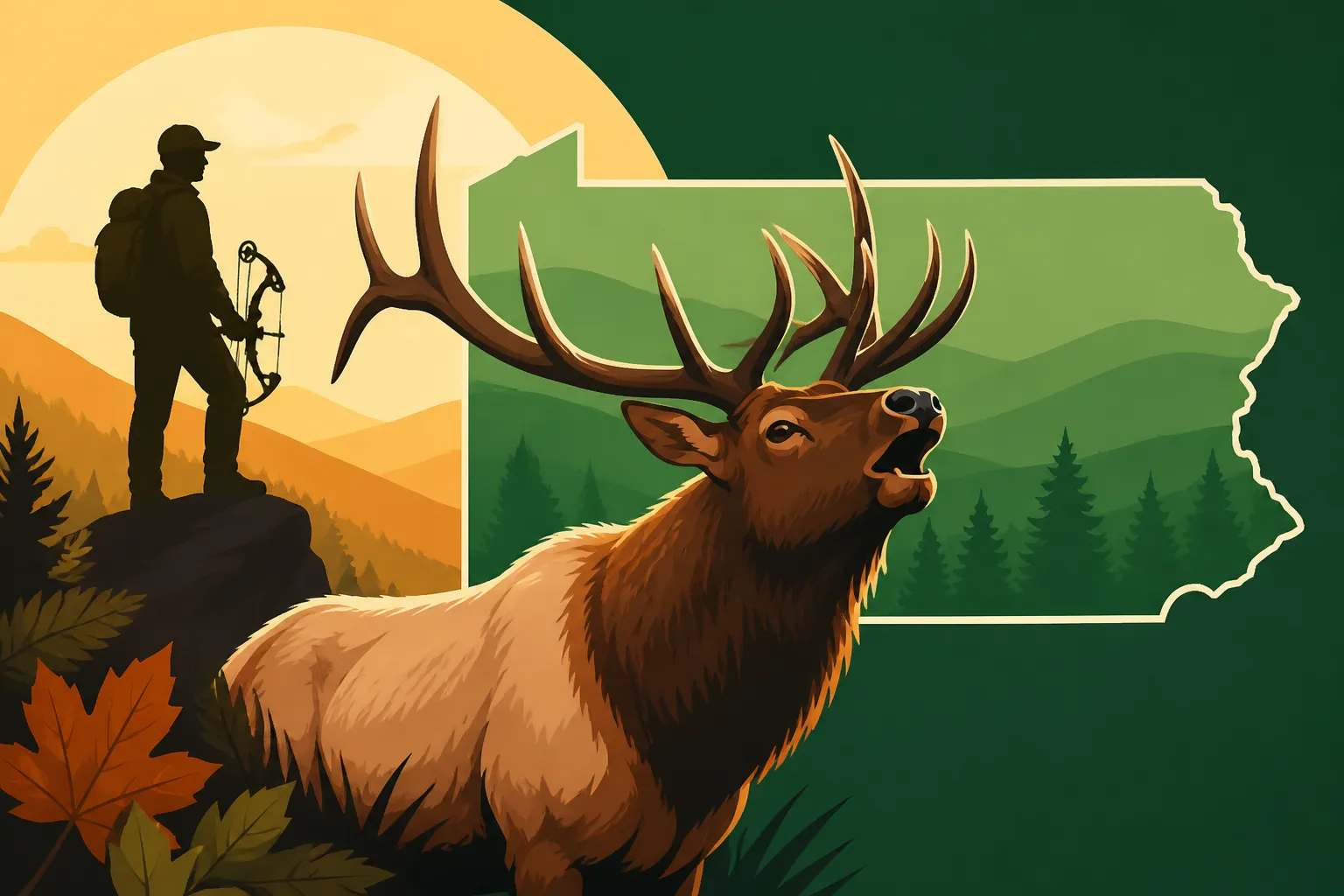
Why Bull Elk Licences Are Once in a Lifetime
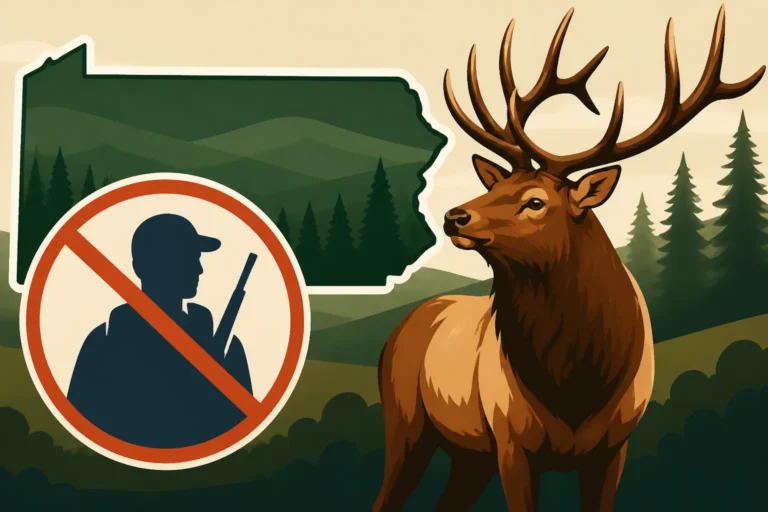
The dream of drawing an elk tag in Pennsylvania is one that burns bright for countless hunters, a true once-in-a-lifetime ambition for many. But for those specifically chasing a bull elk, the experience is literally a singular event in the Commonwealth, an opportunity granted only once. This guide delves into the crucial reasons behind this unique "once-in-a-lifetime" rule for bull elk licenses, exploring the ecological, management, and experiential factors that shape Pennsylvania's revered elk hunt.
The Unique Rarity of Pennsylvania's Elk Herd
Pennsylvania's elk herd is a remarkable conservation success story, a testament to dedicated effort and careful management. Unlike white-tailed deer which are abundant, elk represent a much smaller, more concentrated population in specific regions of the state. This inherent rarity is the cornerstone of why the bull elk license carries such stringent rules, reflecting both their historical absence and their hard-won return.
A Legacy of Restoration and Resurgence
It's easy to forget that by the late 1800s, wild elk were completely extirpated from Pennsylvania, lost to unregulated hunting and habitat destruction. Their reintroduction, beginning in the early 1900s, was a painstaking process, relying on animals from other states and careful nurturing of nascent herds. Fast forward to today, and we have a thriving, albeit geographically limited, population primarily within the Elk in the Pennsylvania Wilds. This comeback is a source of immense pride, and every management decision is made with the long-term health and public appreciation of this herd in mind. The "once-in-a-lifetime" rule for bulls serves to protect this fragile legacy, ensuring that the pressure on mature breeding bulls remains minimal and the population structure stays healthy.
Consider the immense investment of time, money, and passion that went into bringing elk back to our state. Every elk you see, whether it's while Elk Viewing in Pennsylvania or chasing one on a hunt, is a direct result of these efforts. Allowing unlimited bull tags would quickly deplete the mature animals, jeopardizing the herd's genetic diversity and the overall quality of the experience for everyone. It's a careful balance, prioritizing the species' welfare above all else.
Managing for Quality Over Quantity
The Pennsylvania Game Commission's approach to elk management is distinctly focused on quality. This isn't about harvesting as many animals as possible; it's about providing a limited number of high-quality hunting experiences while ensuring the herd continues to flourish and grow in appropriate areas. The "once-in-a-lifetime" rule for bulls directly supports this by limiting the total number of mature bulls harvested each year.
This management philosophy allows Pennsylvania's bull elk to reach impressive sizes and ages, contributing to the state's reputation for producing magnificent animals. By restricting bull tags to a singular opportunity, the Game Commission ensures that the available tags are distributed among a wider pool of hunters over time, rather than allowing a few individuals to repeatedly harvest prime animals. It guarantees that the incredible privilege of taking a Pennsylvania bull elk remains exactly that – a privilege, not a regular occurrence. For hunters dedicated to drawing one of these coveted tags, tools like those offered by GoHunt can provide valuable insights into application trends, helping them strategize their long-term approach to this highly competitive draw.
The Exclusivity of the Elk Drawing Process
Applying for a Pennsylvania elk license is a multi-year commitment for most hunters, often involving years of accumulating bonus points. The sheer volume of applicants compared to the tiny number of available tags makes every draw a nail-biting event. The "once-in-a-lifetime" rule for bull licenses adds another layer of exclusivity, shaping how hunters approach the application and how the Game Commission distributes these rare opportunities.
The Rigors of the Application System
To even have a chance at an elk tag, you first need to purchase a general Pennsylvania Hunting Licences and What They Cost. After that, you'll pay a non-refundable application fee each year for the elk draw. For many, this becomes a ritual, a hopeful annual investment. A point system is in place, where applicants receive a bonus point for each year they apply and are unsuccessful, increasing their odds slightly in subsequent years. However, even with maximum points, drawing a bull tag remains incredibly difficult due to the low number of permits issued annually.
For instance, if only a handful of bull tags are issued across all Pennsylvania Elk Hunt Zones in a given year, and thousands upon thousands of hunters are applying, the odds are astronomical. Many hunters, myself included, have spent decades building points, meticulously checking their status, and dreaming of that one phone call or email announcing success. This system, with its inherent difficulty and the "once-in-a-lifetime" caveat for bulls, truly elevates the experience when it finally happens. Understanding the odds, and knowing it's a single shot at a bull, makes every application submission weigh heavy with anticipation. You can use platforms like GoHunt to analyze historical draw odds and see just how competitive these bull tags truly are, which can inform your strategy, whether you're building points or considering a cow tag.
The Rationale for "Once-in-a-Lifetime"
The core reason for the "once-in-a-lifetime" rule for bull elk licenses is simple: fairness and opportunity. With such a limited number of bull elk tags available, allowing a hunter to harvest multiple bulls would severely restrict the chances for others. By making it a singular event, the Game Commission aims to spread the opportunity around, allowing a greater number of individual hunters to experience the unique thrill of a Pennsylvania bull elk hunt over the long run.
Think about it this way: if a hunter could draw a bull tag every 10 or 15 years, it would dramatically reduce the pool of available tags for new applicants or those who have been waiting for decades. This rule creates a finite resource not just in terms of elk numbers, but also in terms of individual hunter opportunities. It ensures that the excitement and challenge of chasing a magnificent bull remains a rare and deeply personal achievement for each hunter who is fortunate enough to draw. This contrasts sharply with antlerless elk tags, which are often not subject to the same "once-in-a-lifetime" restriction, acknowledging the different management goals for cows and bulls within the herd.
Here's a quick comparison of the two primary elk tag types in Pennsylvania:
| Feature | Bull Elk License (Once-in-a-Lifetime) | Antlerless Elk License (Cow Tag) |
|---|---|---|
| Availability | Extremely Limited | Limited, but more than bulls |
| "Once-in-a-Lifetime" | Yes | No |
| Primary Goal | Trophy/Experience | Population Management |
| Drawing Odds | Very Low | Low to Moderate (WMU dependent) |
| Application Strategy | Long-term point building | May be drawn more frequently |
The Impact on Hunters and the Future of Pennsylvania Elk Hunting
For the successful hunter, drawing a bull elk license is the culmination of years of dreaming, applying, and hoping. This "once-in-a-lifetime" designation imbues the hunt with a profound sense of significance, making it an experience that transcends a typical deer season. It also reinforces the commitment to the future of this iconic species in the Commonwealth.
Cherishing the Unforgettable Opportunity
Imagine the phone call, the email, or the postcard – the notification that your name has finally been drawn for a bull elk tag. For many, it's an emotional moment, the realization of a lifelong dream. The "once-in-a-lifetime" rule ensures that this moment is truly singular, magnifying its importance. Every aspect of the hunt, from the intensive scouting in the Pennsylvania Elk Country Public Land to the rigorous physical preparation, becomes an indelible memory.
Hunters who secure these tags often treat the opportunity with immense respect, understanding the rarity of their achievement. They invest deeply in preparation, often seeking out experienced guides, scouting the Pennsylvania Elk Hunt Zones extensively, and honing their skills. This isn't just another hunt; it's a pilgrimage, a chance to connect with one of North America's most magnificent big game animals in a truly unique setting. This rule ensures that when it's your turn, the experience is truly unparalleled. GoHunt's community forums often buzz with stories from hunters sharing their multi-year journeys to drawing a tag, underlining the significant personal investment involved.
Sustaining the Herd for Generations to Come
Ultimately, the "once-in-a-lifetime" rule for Pennsylvania bull elk licenses is a powerful tool for conservation. It’s a critical component of the overall management strategy designed to sustain a healthy, robust elk population for not just today's hunters, but for future generations. By carefully controlling the harvest of breeding bulls, the Game Commission helps maintain a natural age structure and genetic diversity within the herd, crucial for its long-term viability.
This long-term vision ensures that the Pennsylvania wilds will continue to echo with the bugle of elk each autumn, and that visitors will still be able to witness these majestic animals. While it means a hunter can only claim one bull in their lifetime, it means countless others will have the chance to apply, to dream, and perhaps, to experience their own unforgettable hunt. It's a selfless aspect of wildlife management that asks a little more from individual hunters for the greater good of the species and the hunting heritage of Pennsylvania. Even if you've already harvested a bull, platforms like GoHunt can still be valuable for exploring opportunities for cow tags or other species, ensuring you remain engaged with Pennsylvania's rich hunting landscape.
Disclaimer
Please remember that hunting regulations, seasons, and licensing requirements can change. Always consult the official Pennsylvania Game Commission website or their current hunting and trapping digest for the most up-to-date and accurate information before planning any hunt.