Pennsylvania Woodcock and Snipe Dates
There's a unique thrill to hunting migratory upland birds like woodcock and snipe in Pennsylvania, but let's be honest, it can feel like you're trying to hit a moving target just to figure out when and where you can even hunt them. These seasons are often fleeting, tucked between the larger, more prominent deer and turkey dates, leading many hunters to miss out entirely or feel completely overwhelmed trying to keep track. This guide is here to untangle the confusion, laying out the exact Pennsylvania woodcock and snipe season dates, regulations, and all the nitty-gritty details you need to successfully plan your hunt for these elusive, fascinating birds.
Understanding Pennsylvania's Woodcock Season
The American woodcock, often affectionately called the "timberdoodle," is a truly unique migratory bird that offers a challenging and rewarding hunt. Unlike pheasants or grouse, woodcock don't hold tight in dense cover; they're more likely to flush like a brown blur from damp, boggy thickets. The trick is knowing when they're passing through our state and what regulations apply to them.
Typical Season Dates and Migratory Patterns
Pennsylvania's woodcock season is tied directly to their migration south, making the timing somewhat variable year to year based on weather patterns, but generally, it opens in mid-October and runs for a relatively short period, often closing by mid-to-late November. Sometimes there's a split season, with an earlier window in October and a later one in November, or a continuous season that spans these weeks. It's crucial to check the Pennsylvania Game Commission (PGC) hunting and trapping digest each year for the precise dates, as they can shift. These birds breed in the northern states and Canada, then head to the southeastern U.S. for winter, so Pennsylvania serves as a vital stopover point, especially after the first hard frosts up north push them our way.
The best hunting often coincides with these migratory "flights" when a fresh influx of birds moves into the area. This usually happens after a cold front pushes through. You might have hunted a spot a week ago and found nothing, only for it to be teeming with birds after a weather change. This makes scouting and staying updated on local conditions incredibly important. Many hunters find their most success in the third or fourth week of October, continuing into early November, depending on the severity of the fall.
Daily Bag Limits and Possession Limits
When it comes to woodcock, the regulations are fairly straightforward but strict. The daily bag limit is typically three birds. This means you can only harvest three woodcock in any given day. It might seem like a small number compared to other small game, but given the challenging nature of woodcock hunting, it’s often a respectable day if you can even get close to that limit.
The possession limit, which dictates how many birds you can have in your possession at home or in your camp after multiple days of hunting, is usually nine birds. This limit helps ensure responsible harvesting and prevents overhunting of these migratory species. Always make sure to count your birds correctly and adhere to these limits to stay within the law and contribute to conservation efforts. These numbers are consistent across the state, regardless of which Wildlife Management Unit (WMU) you are hunting in.
Licenses and Permits Required for Woodcock
Hunting woodcock in Pennsylvania requires a few specific licenses beyond your general hunting license. First and foremost, you'll need a valid Pennsylvania hunting license. But because woodcock are migratory game birds, you also need to obtain a Pennsylvania Migratory Game Bird License. This state-specific license is essential for all migratory bird hunters, including those pursuing waterfowl, doves, snipe, and woodcock.
On top of the state migratory bird license, you must also be registered with the federal Harvest Information Program (HIP). This is a free registration that collects data on migratory bird hunters to help wildlife agencies manage populations. When you buy your state migratory bird license, you'll typically be prompted to complete your HIP registration. While a federal duck stamp is required for hunting ducks and geese, it is not required for hunting woodcock or snipe. Understanding these requirements is a crucial part of preparing for the season, as failing to have any one of these can lead to fines and legal trouble.
Deciphering Pennsylvania's Snipe Season
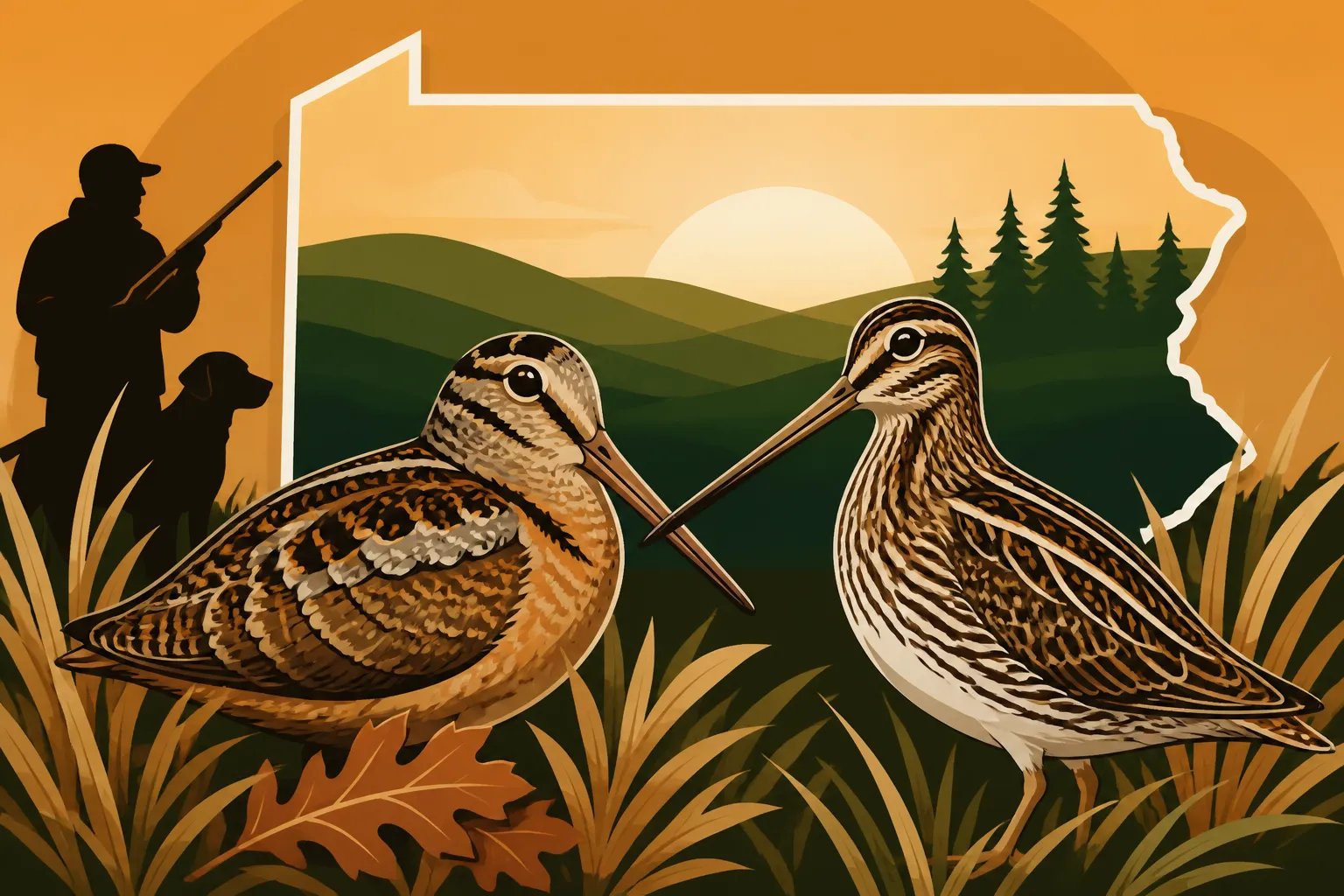
Common snipe are another often-overlooked migratory bird, sometimes confused with woodcock due to their long bills and similar ground-dwelling habits, but they prefer even wetter habitats. Hunting snipe offers a fast-paced, challenging experience due to their erratic flight patterns. If you've never hunted them, be prepared for some humbling shots!
Snipe Season Openers and Closers
Similar to woodcock, Pennsylvania's common snipe season is dictated by their migration. Historically, snipe season typically opens a bit earlier than woodcock, often in early September, and can run continuously into November. This longer season, compared to the woodcock's, provides more opportunities to pursue them. However, just like woodcock, the exact dates can vary slightly year to year based on federal frameworks and PGC decisions, so always consult the current year's hunting digest for precise information.
The early opener means you might be targeting snipe while still enjoying warmer weather, though they often become more prevalent as fall progresses and conditions become wetter and cooler. Look for them in shallow wetlands, flooded fields, and the muddy edges of ponds and slow-moving streams. Their preferred habitat is often saturated, so waterproof boots are non-negotiable for a successful snipe hunt. The longer season offers flexibility, but finding them requires knowing their preferred locales.
Bag and Possession Limits for Snipe
The daily bag limit for common snipe in Pennsylvania is quite generous, usually set at eight birds per day. This higher limit reflects their population status and reproductive rates compared to woodcock. While eight birds in a day might sound like a lot, snipe are incredibly difficult to hit on the wing due to their zig-zagging flight, so reaching that limit is a true testament to a hunter's skill.
The possession limit for snipe is typically 24 birds, again, allowing for multiple days of successful hunting without exceeding federal and state guidelines. These limits are in place to manage the population sustainably, ensuring that future generations of hunters can also enjoy the challenge of pursuing these fast-flying birds. Always identify your target carefully to avoid shooting protected species or birds not in season.
Federal Migratory Bird Requirements
Just like woodcock, common snipe are federally managed migratory game birds, which means the same federal and state licensing requirements apply. To hunt snipe in Pennsylvania, you must possess a valid general hunting license, a Pennsylvania Migratory Game Bird License, and have completed your Harvest Information Program (HIP) registration. As mentioned earlier, the federal duck stamp is not required for snipe.
These federal requirements ensure that crucial data is collected on hunter participation and harvest numbers, which directly informs conservation strategies and future season setting. It's a small but vital part of the hunting process that contributes to the health of migratory bird populations across North America. Make sure all your paperwork is in order before heading afield, because game wardens do check for these specific permits.
Key Regulations and Hunting Considerations
Beyond the season dates and bag limits, there are specific regulations and best practices that all woodcock and snipe hunters in Pennsylvania should be aware of. These birds often occupy areas that might be close to residential zones or other public users, making adherence to all rules even more critical.
Shotgun and Ammunition Restrictions
For hunting migratory game birds like woodcock and snipe in Pennsylvania, you're limited to shotguns that are plugged to hold no more than three shells in the magazine and chamber combined. This means two in the magazine and one in the chamber. This restriction is a federal requirement for all migratory bird hunting and is strictly enforced. It's designed to prevent overharvesting and promote ethical hunting practices. So, before you head out, make sure your shotgun's magazine plug is correctly installed.
Another critical regulation for migratory bird hunting is the requirement to use non-toxic shot. While many small game species in Pennsylvania can still be hunted with lead shot, woodcock and snipe, as migratory waterfowl and associated species, fall under the non-toxic shot rule. This means you'll need to use steel, bismuth, tungsten-iron, or other approved non-toxic loads. This regulation helps prevent lead poisoning in birds that might ingest spent shot found in wetlands and feeding areas. Popular shot sizes for woodcock and snipe typically range from #7.5 to #9, especially in steel or bismuth, for their effectiveness on these smaller birds.
Hunter Orange and Safety Zones
When hunting woodcock and snipe, the typical hunter orange requirements that apply to many other Pennsylvania game seasons often do not apply. For instance, during the regular small game season, 250 square inches of fluorescent orange on the head, chest, and back are usually required. However, for migratory bird hunting, including woodcock and snipe, this requirement is generally waived, mirroring federal guidelines for waterfowl and other specific bird hunts. This allows hunters to wear camouflage patterns that blend better with their wetland environments, which can be advantageous.
Despite the lack of a mandatory orange requirement, exercising extreme caution is always paramount. You are still subject to Pennsylvania's safety zone laws. You cannot hunt or discharge a firearm within 150 yards of an occupied dwelling, school, or recreational area without specific permission from the occupant. Given that prime woodcock and snipe cover can sometimes be found near more developed areas, always be aware of your surroundings and adhere to these vital safety zones. Knowing when Pennsylvania requires hunter orange can prevent accidental violations.
Finding Productive Cover and Optimal Times
Finding woodcock and snipe isn't about covering vast stretches of ground; it's about identifying very specific habitats. Woodcock thrive in young, regenerating forests with damp, loamy soil, often near a water source. Think alder thickets, abandoned apple orchards, or brushy creek bottoms with a good mix of dense saplings and open patches for them to probe for worms. They tend to be more active at dawn and dusk. The best time to hunt them is often after a significant cold front has pushed birds down from the north, usually from mid-October to early November.
Snipe, on the other hand, are true wetland birds. Look for them in shallowly flooded fields, marsh edges, bogs, and muddy shorelines where they can easily probe for invertebrates. They will often concentrate in pockets of suitable habitat. A good pair of waterproof boots is essential, as you'll be slogging through wet ground. They can be found throughout the day, but often flush best when disturbed from their feeding areas. Both species are best hunted with a good pointing dog, but hunters without dogs can still find success by slowly working through prime cover in a zigzag pattern, being ready for a sudden flush. This kind of careful scouting and attention to details like Woodcock in Pennsylvania Bottoms can make all the difference.
Planning Your Hunt with Modern Tools
In today's hunting world, technology can be a huge asset, especially when pursuing migratory birds with short seasons and specific habitat needs. Utilizing modern tools can help you pinpoint promising locations and stay informed about current conditions.
Utilizing Mapping Resources for Habitat
Gone are the days of relying solely on paper topo maps, though they still have their place. Today, digital mapping applications like GoHunt offer unparalleled detail, allowing you to identify potential woodcock and snipe habitat right from your phone or computer. You can scout for areas with the right mix of cover – dense, young timber for woodcock, or marshy, flooded sections for snipe – even before you step foot in the woods. Look for areas marked as "wetlands," "forested wetlands," or areas with high concentrations of "shrub/scrub" or "young forest" habitat near water sources.
These platforms also allow you to layer public land boundaries, which is crucial when hunting on State Game Lands or State Forests. You can mark waypoints for promising areas, track your movements, and even check property boundaries to avoid trespassing. Knowing how to use tools like onX Layers for Pennsylvania Land Status can give you a significant edge. By understanding the terrain and habitat types from an aerial perspective, you can narrow down your search and focus your efforts on the most productive spots, saving valuable hunting time during these short seasons.
Tracking Migration and Weather Patterns
Successfully hunting migratory birds like woodcock and snipe heavily depends on timing your hunts with their movements. Websites and apps can help you track major cold fronts and weather systems that often trigger new waves of migrating birds. When a strong cold front passes through the northern states, pushing south, it's often a good indicator that fresh woodcock and snipe will be arriving in Pennsylvania.
Another excellent resource is the U.S. Fish and Wildlife Service's Harvest Information Program (HIP) data, or even local birding reports, which can sometimes give you an idea of current bird presence. While GoHunt might not track individual bird movements, its robust mapping features, combined with real-time weather forecasts and general migratory bird knowledge, can help you predict when and where new birds might appear. Staying informed about weather changes and understanding their impact on bird migration will significantly increase your chances of being in the right place at the right time. Don't forget that you'll need to complete your Pennsylvania HIP Registration for Migratory Birds to hunt these species legally.
Here's a quick reference table for Pennsylvania's typical migratory bird seasons and limits for woodcock and snipe. Remember to always consult the current PGC digest for the most up-to-date and exact dates each year, as they are subject to change.
| Species | Season Dates (Typical Range) | Daily Bag Limit | Possession Limit | Required Licenses |
|---|---|---|---|---|
| Woodcock | Mid-October to Mid-November (check for splits) | 3 birds | 9 birds | PA Hunting License, PA Migratory Game Bird License, HIP Registration |
| Snipe | Early September to Mid-November (continuous) | 8 birds | 24 birds | PA Hunting License, PA Migratory Game Bird License, HIP Registration |
Please note: These dates are typical and subject to annual adjustments by the Pennsylvania Game Commission. Always verify with the official PGC digest.
The pursuit of woodcock and snipe offers a unique and often underutilized hunting experience in Pennsylvania. With proper preparation, understanding of the regulations, and a bit of determination to find these secretive birds in their preferred habitats, you'll discover a rewarding challenge. Whether you're a seasoned upland hunter or looking to expand your horizons beyond deer and turkey, these migratory birds provide an exciting reason to get into the fields and thickets of Pennsylvania each fall. Don't forget to check out articles like Small Game Hunting in Pennsylvania and Pennsylvania Hunter Education and Mentored Permits to round out your knowledge.
Disclaimer
The information provided in this guide is for general informational purposes only and is subject to change. Hunting regulations, season dates, and licensing requirements are determined by the Pennsylvania Game Commission and federal agencies, and they can be updated annually. While every effort has been made to ensure accuracy, hunters are solely responsible for consulting the official Pennsylvania Game Commission Hunting and Trapping Digest and federal regulations for the current year before engaging in any hunting activities. Failure to comply with all applicable laws and regulations may result in penalties.