Pennsylvania Wildlife Violation Penalties
It’s a tough pill to swallow, but sometimes, even with the best intentions, hunters in Pennsylvania can find themselves on the wrong side of the law. Maybe it was a simple oversight, a misinterpretation of a complex regulation, or, unfortunately, a deliberate choice to cut corners. No matter the reason, facing a wildlife violation can be a stressful, confusing, and financially draining experience. This comprehensive guide will walk you through the various types of wildlife violations in Pennsylvania and, more importantly, break down the penalties and long-term repercussions you could face, helping you understand what’s at stake and how to avoid these situations.
The Reality of Wildlife Violations in Pennsylvania
Let's be real, nobody goes into the woods wanting to break the law. Most of us are passionate about hunting, conservation, and respecting the game and the land. However, Pennsylvania's hunting regulations are extensive, and honestly, sometimes they can feel like a labyrinth. From specific seasons for different species in various Wildlife Management Units (WMUs) to detailed rules on firearms, tagging, and even hunter orange, there's a lot to keep track of. A simple mistake can lead to a formal charge, and it's essential to understand that ignorance of the law is rarely an acceptable defense.
The Pennsylvania Game Commission (PGC) employs Wildlife Conservation Officers (WCOs) who are dedicated to enforcing these laws. These officers are highly trained and often have extensive knowledge of their districts and the hunting activities within them. Their job isn't just to issue citations; it's to protect our wildlife resources, ensure fair chase, and promote hunter safety. When a WCO approaches you, whether in the field or at home, it's usually because they suspect a violation has occurred. Remaining calm, respectful, and cooperative is always the best approach, even if you disagree with their assessment.
Violations can range from what might seem like minor administrative issues, such as forgetting to sign your license, to serious offenses like poaching. Each carries a different weight and consequence. For instance, an incorrect tag placement might result in a warning or a small fine, but taking an antlerless deer without a valid tag, or shooting a deer after legal shooting hours, can lead to much more severe penalties. It’s crucial for every hunter to regularly review the current digest provided by the PGC, because rules can and do change year to year.
Understanding the Three Tiers of Penalties
Pennsylvania's legal system categorizes wildlife violations into three main tiers: summary offenses, misdemeanors, and felonies. The severity of the penalty—including fines, potential jail time, and the dreaded license revocation—directly correlates with which tier your violation falls into. It's not just about the immediate impact; these classifications can have lasting effects on your hunting future and even your broader criminal record.
Summary Offenses: The Most Common
Most wildlife violations fall into the category of summary offenses. Think of these as the traffic tickets of the hunting world. They're typically less severe infractions, but they still carry fines and, importantly, can result in points being added to your hunting privilege record. Accumulating too many points can lead to license suspension down the road, so don't dismiss them as trivial.
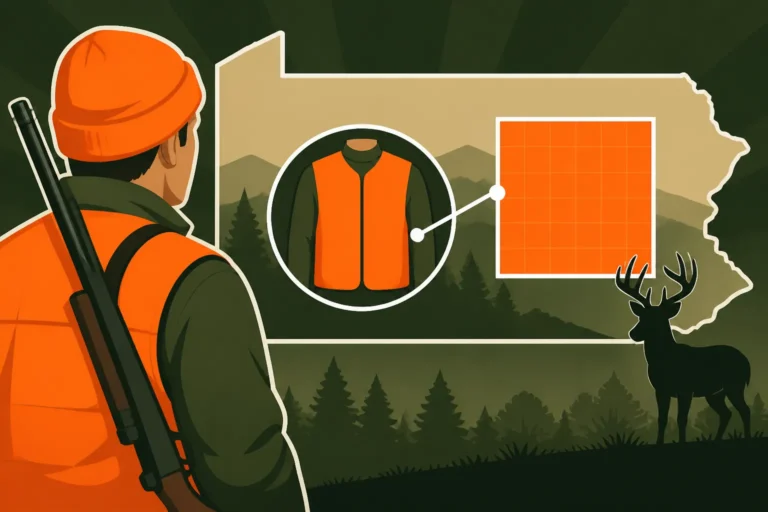
Common summary offenses include things like failing to wear the required amount of hunter orange during the appropriate seasons, not having your hunting license properly displayed, or minor tagging infractions that don't involve unlawful harvest. Forgetting to sign your hunting license, for example, is usually a summary offense. While the initial fine might seem manageable, the accumulation of points is what can really sting. The PGC uses a point system, much like the Department of Transportation does for driving, to track violations. Once you hit a certain threshold, mandatory license revocation comes into play. You can review all the specifics in the Pennsylvania Hunting Licences and What They Cost guide.
Misdemeanors: Steeper Consequences
Moving up the ladder, misdemeanors represent more serious violations. These often involve direct harm to wildlife, disregard for season limits, or significant safety breaches. The penalties here are considerably steeper, including higher fines, the possibility of jail time (though often suspended for first-time offenders), and mandatory periods of license revocation.
Examples of misdemeanor offenses could include hunting without a license, taking game out of season, exceeding bag limits, or certain types of poaching. For instance, if you were to harvest an antlered deer in a WMU that has strict Pennsylvania Antler Restrictions by WMU and it did not meet the antler point requirements, that could easily escalate to a misdemeanor. Using an illegal firearm or method (like a semi-automatic rifle in a shotgun-only zone before the rules changed, which you can read more about in Semi-Automatic Rifle Rules in Pennsylvania) might also lead to misdemeanor charges. The license revocation periods for misdemeanors are more substantial, often starting at a year or two and extending much longer depending on the specific offense and prior history. This means a significant absence from the woods, making it impossible to use your GoHunt mapping tools for real-world scouting.
Felony Charges: The Gravest Offenses
At the pinnacle of wildlife violations are felony charges. These are reserved for the most egregious and destructive acts, often involving commercial poaching operations, significant destruction of wildlife, or repeated serious offenses. A felony conviction carries the heaviest fines, substantial mandatory jail time, and lengthy, often lifetime, license revocations. Moreover, a felony on your criminal record has far-reaching consequences beyond just hunting, impacting employment, housing, and other aspects of your life.
Felonies in the context of Pennsylvania hunting are rare but serious. They typically involve organized poaching rings, the illegal killing of endangered species (though less common with typical game animals in PA), or significant violations within Chronic Wasting Disease (CWD) Disease Management Areas, which carry their own specific, strict rules regarding carcass transport and testing, as covered in Chronic Wasting Disease in Pennsylvania. These are not simple mistakes; these are intentional acts that demonstrate a profound disregard for conservation laws and the integrity of our hunting heritage. When these cases hit the news, it’s a stark reminder of the serious side of wildlife enforcement.
Here's a simplified table outlining the general tiers and their typical implications:
| Violation Tier | Typical Fines | Potential Jail Time | License Revocation | Criminal Record Impact |
|---|---|---|---|---|
| Summary | $50 – $500+ | Up to 90 days | Point-based, short-term suspension possible | Minor (non-traffic related) |
| Misdemeanor | $500 – $5,000+ | Up to 5 years | Mandatory 1-5+ years | Significant |
| Felony | $5,000 – $15,000+ | 5+ years | Mandatory 10 years – Lifetime | Severe |
Note: Fines and penalties are subject to change and vary greatly depending on the specific offense, prior history, and court discretion.
Long-Term Repercussions Beyond the Fine
When you receive a citation for a wildlife violation, the immediate financial hit from the fine is often just the beginning. The long-term consequences can be far more impactful, particularly regarding your ability to hunt in Pennsylvania and potentially in other states. These repercussions can affect your planning, your wallet, and your reputation as a responsible hunter.
License Revocation and the Point System
One of the most immediate and painful consequences for any hunter is the loss of hunting privileges. Pennsylvania operates on a point system for many summary offenses. Each violation can add points to your hunter record. Accumulate too many, and your license will be automatically suspended or revoked for a set period. For more severe violations, particularly misdemeanors and felonies, revocation is often mandatory and can last for years, or even a lifetime in the most extreme cases. This isn't just a temporary inconvenience; it means you can't participate in a pastime you likely love, and it impacts your ability to obtain special permits or apply for hunts, like the elusive elk drawing. If you're using tools like GoHunt to scout and plan your seasons, a revoked license means all that digital planning becomes moot, leaving you sidelined from the field.
The PGC is quite clear about how their system works. For instance, failing to properly tag a deer as per Pennsylvania Deer Tagging Requirements might incur points, while illegally harvesting a trophy buck that doesn't meet the What Counts as a Legal Pennsylvania Buck criteria could lead to a mandatory revocation. It's a system designed to deter repeated minor infractions and severely punish significant breaches of law. The length of a revocation period depends heavily on the type of violation and whether you have a history of previous offenses.
Impact on Future Hunting Opportunities
Beyond Pennsylvania's borders, a license revocation can have reciprocal effects. The Wildlife Violator Compact is an agreement among many states (including Pennsylvania) that allows for the recognition of hunting, fishing, and trapping license suspensions or revocations across member states. This means if you lose your hunting privileges in Pennsylvania, you might also lose them in participating states like Ohio, New York, or Maryland. This broadens the scope of impact significantly, potentially affecting years of planned out-of-state hunts.
Consider the time, effort, and money many of us put into planning our hunts. We spend hours poring over maps, scouting public land like Hunting Pennsylvania State Game Lands, and preparing our gear. A violation can erase all those future plans, leaving you unable to participate not just in your home state, but potentially across a large portion of the country. This can be a huge blow, especially for those who travel for specific seasons or game species. It highlights why understanding and adhering to all regulations, including Pennsylvania Legal Shooting Hours, is so vital.
Financial Burdens and Restitution
The financial impact isn't limited to fines and court costs. In many cases involving the illegal taking of game, hunters may also be required to pay restitution for the value of the animal. The PGC has established values for various species, and for trophy animals, these restitution costs can be substantial, often in the thousands of dollars. This "trophy restitution" is meant to compensate the state for the loss of a valuable wildlife resource and acts as a significant deterrent against poaching.
Imagine getting caught for illegally harvesting a large whitetail buck. Beyond the misdemeanor charge, potential jail time, and multi-year license revocation, you could be on the hook for restitution that far exceeds the initial fine. This adds a layer of financial burden that can truly impact a hunter's life for years to come. Court costs, legal fees, and administrative charges associated with the violation and subsequent hearing further compound the financial strain.
Protecting Our Resources: Reporting Violations
It might feel uncomfortable, but reporting suspected wildlife violations is one of the most important ways we can protect Pennsylvania's natural resources and ensure the future of hunting. This isn't about "snitching" on a fellow hunter; it's about upholding ethical standards, supporting conservation efforts, and holding accountable those who undermine fair chase and sustainable wildlife management.
How to Report a Violation
The Pennsylvania Game Commission makes it relatively easy to report violations through their "Operation Game Thief" program. You can call their dedicated hotline, submit a report online, or contact your local WCO directly. When reporting, the more details you can provide, the better. This includes:
- Date and Time: When did the incident occur or when did you observe the violation?
- Location: Be as specific as possible – road names, landmarks, GPS coordinates if you have them, or even a general area on a map. Think about what you'd use for Scouting Pennsylvania Public Land Before Season.
- Description of Suspect(s): Age, gender, hair color, clothing, any distinguishing features.
- Vehicle Information: Make, model, color, license plate number (even a partial plate is helpful).
- Nature of Violation: What exactly did you observe? (e.g., hunting out of season, exceeding bag limit, illegal device).
- Evidence: Did you see any harvested game, firearms, or other equipment?
Remember, you can report anonymously if you prefer, and your identity will be protected. The PGC encourages citizens to report any suspicious activity, as it's often the eyes and ears of responsible hunters and outdoor enthusiasts that help catch violators. For details on how to directly contact authorities, refer to our guide on Reporting a Poacher in Pennsylvania.
Why Reporting Matters
Reporting violations isn't just about punishing offenders; it's a critical component of wildlife conservation. Poaching and illegal hunting activities deplete game populations, disrupt ecological balances, and can undermine years of careful management efforts by the PGC. Every illegal deer taken, every turkey shot out of season, directly impacts the resource that we, as ethical hunters, cherish and rely upon.
Furthermore, illegal activities cast a negative shadow on the entire hunting community. When non-hunters hear about poaching incidents, it often reinforces negative stereotypes about hunting in general. By actively participating in the enforcement process and reporting violations, we help maintain the integrity of our sport, demonstrate our commitment to ethical practices, and ensure that future generations will have the opportunity to enjoy Pennsylvania's rich hunting heritage. It’s about protecting the wild places and the animals we all love to pursue.
Disclaimer
Please note: This article provides general information about Pennsylvania wildlife violation penalties. Laws and regulations are subject to change. For the most accurate and up-to-date information, always consult the official Pennsylvania Game Commission hunting and trapping digest or contact the PGC directly. This content is not legal advice and should not be treated as such. If you are facing a violation, it is highly recommended to seek counsel from a qualified legal professional.