Elk in the Pennsylvania Wilds
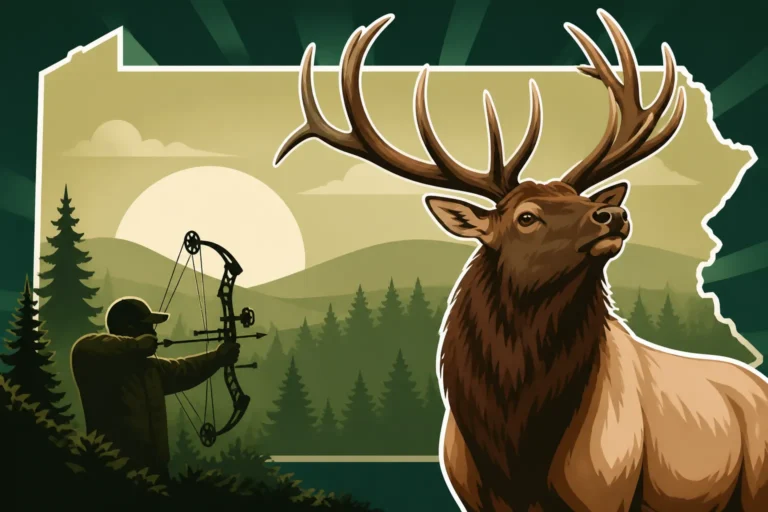
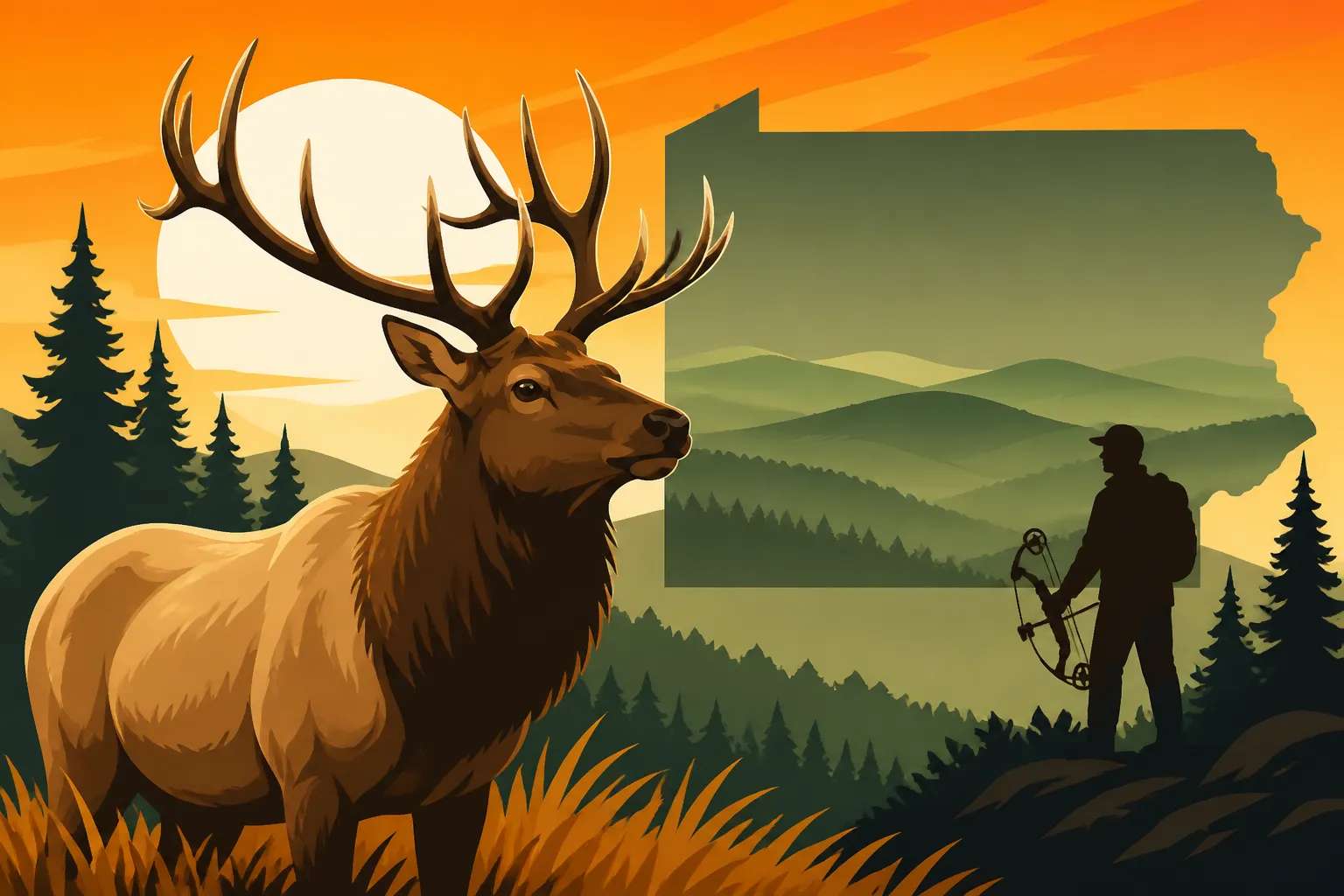
For many, the thought of giant elk bugling through the misty Pennsylvania mountains feels like a dream, something reserved for the Rockies. But here in our own backyard, these majestic creatures roam the sprawling forests, offering an experience few states east of the Mississippi can rival. It's a truly humbling and often challenging pursuit, whether you're chasing them with a bow or just hoping to catch a glimpse, and this guide is here to walk you through everything you need to know about Pennsylvania's magnificent elk.
The Return of Giants: How Elk Came Back to Pennsylvania
It’s easy to forget that at one point, elk were completely gone from Pennsylvania. Imagine that, a landscape devoid of their massive presence, silenced of their incredible bugles. This wasn't some ancient history; by the late 1800s, unchecked hunting and habitat destruction had driven Pennsylvania's native elk to extinction. It's a stark reminder of how quickly even the most robust wildlife populations can vanish if not properly managed and respected. The forests were still there, but a vital piece of the ecosystem, a true icon of the wild, was missing.
But Pennsylvanians, with a deep connection to their wild lands, weren't content to let that story end there. A remarkable conservation effort began in the early 1900s, marking one of the most successful wildlife reintroductions in North American history. Between 1913 and 1926, the Pennsylvania Game Commission, along with local conservation groups and even private citizens, spearheaded the reintroduction of elk from western states, primarily Yellowstone National Park. This was no small feat; these animals were transported across the country by rail, then loaded onto wagons or even sleds to be released into suitable habitat.
These initial releases weren't just random acts of goodwill; they were carefully planned to maximize the elk's chances of survival. The chosen areas, primarily in the north-central part of the state, offered vast tracts of unfragmented forest, abundant forage, and minimal human disturbance at the time. It was a long game, played out over decades, with many challenges along the way, from ensuring genetic diversity to managing initial herd health. The success we see today is a testament to persistent dedication and a profound understanding of wildlife needs. It shows what's possible when a community commits to restoring its natural heritage, piece by painstaking piece, year after year.
Where the Wild Things Roam: Understanding the Elk Range
When we talk about "the Pennsylvania Wilds," for many, it conjures images of the elk range, and for good reason. This region isn't just a place on a map; it's a feeling, a vast expanse of rolling mountains, deep valleys, and dense forests that truly feels wild. The core elk range stretches across parts of Elk, Cameron, Clinton, Clearfield, and Potter counties, forming the heart of what’s often called Pennsylvania's “Big Woods.” This area provides the critical habitat that these magnificent animals need to thrive, from the secluded bedding areas in thick timber to the lush food plots and open fields where they feed.
The habitat within this range is a mosaic of different land types, each playing a crucial role in supporting the elk herd. You'll find extensive state forests, like the Sproul and Elk State Forests, alongside large tracts of State Game Lands. These public lands are critical for providing secure cover and space. However, it’s not all dense woods; interspersed throughout are private agricultural lands and managed clearcuts. These areas provide important forage opportunities, especially during the spring and summer when elk are packing on weight for the breeding season and the long winter ahead. The diverse landscape offers everything an elk needs: escape cover, nutritional browsing, water, and open areas for social interaction.
Understanding the specific characteristics of the terrain is vital, whether you're scouting for a hunt or just hoping to observe these giants. The mountains here can be steep, rugged, and unforgiving, challenging even the most experienced outdoors person. Yet, these remote valleys and high ridges offer the sanctuary that keeps the elk wild. Places like Benezette, Winslow Hill, and Hicks Run are well-known hotspots for viewing, but the true essence of the elk range lies in venturing beyond these popular spots, deeper into the less-traveled public lands, where the echoes of a bugle can truly make your hair stand on end. Knowing Reading Aerial Photos for Big Woods Deer or Scouting Pennsylvania Public Land Before Season can give you a real leg up, even if you're chasing elk instead of deer.
The Pennsylvania Elk Herd: Numbers and Trends
It's truly phenomenal to look at the numbers and see just how far the Pennsylvania elk herd has come. From zero at the turn of the 20th century to a thriving population today, it's a conservation success story that should make every Pennsylvanian proud. The population is carefully managed by the Pennsylvania Game Commission, with regular surveys and scientific assessments to ensure the health and sustainability of the herd. These efforts are crucial because, unlike deer, elk are a more sensitive species, and their numbers can fluctuate based on habitat, disease, and hunting pressure.
Currently, the Pennsylvania elk herd is estimated to be around 1,400 to 1,500 animals, a number that allows for careful management while providing opportunities for hunting and viewing. This isn't just a static count; the Game Commission monitors things like herd density by Pennsylvania Elk Herd Size and Range through various methods, including aerial surveys, ground observations, and even tracking individual animals. They pay close attention to the bull-to-cow ratio and the calf survival rates, which are key indicators of a healthy and reproducing population. A robust population means healthier animals, which in turn leads to impressive trophy potential for hunters and more consistent viewing opportunities for wildlife enthusiasts.
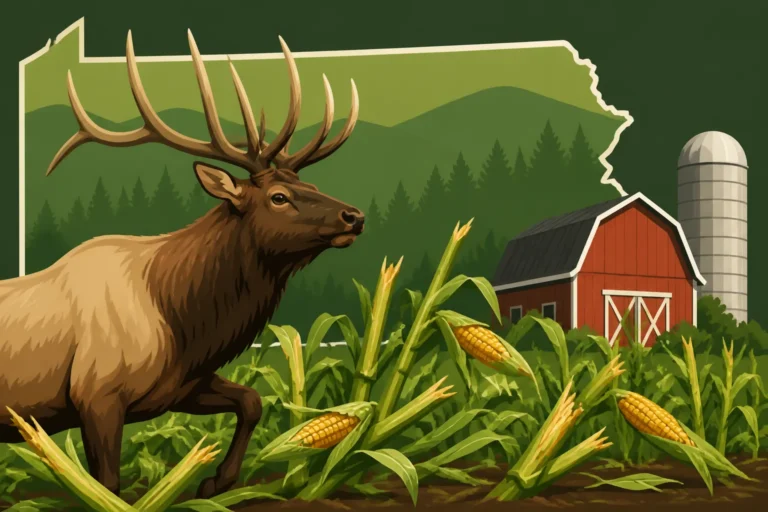
However, managing such a large, free-ranging herd isn't without its challenges. While diseases like Chronic Wasting Disease (CWD) are closely monitored, they haven't been detected in the elk herd, a relief for everyone involved. What is a more consistent concern is human-elk conflict, particularly related to crop damage on private lands. Elk are big animals with big appetites, and a herd moving through a farmer's cornfield can cause significant economic losses. The Game Commission works closely with landowners to mitigate these issues, often using special permits like DMAP (Deer Management Assistance Program) permits, but it's a constant balancing act between maintaining a healthy wild population and respecting private property.
| Elk Management Area | Primary Counties Covered | Estimated Elk Population (Approx.) | Key Habitat Features | Public Viewing Hotspots |
|---|---|---|---|---|
| Northcentral Zone | Elk, Cameron, Clinton | ~800-900 | Mixed hardwoods, reclaimed mines, fields | Benezette, Winslow Hill, Hicks Run |
| Southcentral Zone | Clearfield, Potter, Centre | ~300-400 | Remote forest, limited agriculture | Parker Dam State Park area, Kettle Creek SP |
| Western Zone | Jefferson, Forest | ~100-200 | Allegheny NF, dense timber | Marienville area, parts of ANF |
Note: Population estimates are approximations and can vary annually based on surveys and management objectives.
Elk Viewing: A Non-Hunter's Guide to the Wilds
For many, the dream of seeing an elk in the wild is just as powerful as the dream of hunting one. And Pennsylvania, specifically the "Pennsylvania Wilds," offers some truly incredible opportunities for Elk Viewing in Pennsylvania. It's not uncommon to hear a bugle or see a massive bull in the wild, an experience that transcends the ordinary and connects you to something truly ancient and powerful. This experience is often best enjoyed during the cooler months, but with patience and a bit of luck, you can spot these magnificent animals throughout the year.
The undisputed epicenter of elk viewing is the tiny town of Benezette in Elk County. This area has been specifically managed to enhance viewing opportunities, with designated viewing areas, interpretive signs, and ample parking. Winslow Hill is perhaps the most famous spot, offering expansive views of open fields where elk frequently gather, especially in the mornings and evenings. Nearby Hicks Run also has viewing platforms and a wildlife feeding area, making it a reliable spot. September and October are prime times, as the bulls are in rut, bugling constantly and sparring for dominance—an absolutely electrifying spectacle. Just remember to give them space; these are wild animals, and respectful distance is key to both your safety and their well-being.
While Benezette is fantastic, don't limit yourself! The entire elk range offers potential sightings for those willing to explore. Drive the scenic routes through Elk, Cameron, and Clinton counties, especially around dawn and dusk. Look for open fields adjacent to thick timber or clearings where elk might be feeding. A good pair of binoculars or a spotting scope will greatly enhance your experience, allowing you to observe their intricate behaviors without disturbing them. You might also consider visiting Parker Dam State Park or Kettle Creek State Park, both of which are within the broader elk range and offer access to beautiful wild areas where elk might wander. It's truly a bucket-list experience that every Pennsylvanian should try to have.
Hunting Pennsylvania Elk: The Ultimate Challenge
For those with a hunting license and a dream, drawing a Pennsylvania elk tag is truly a once-in-a-lifetime opportunity. It's notoriously difficult, with success rates measured in fractions of a percent, making it one of the most coveted tags in North America. This isn't just another big game hunt; it's an immersive experience in the heart of the Pennsylvania Wilds, a true test of skill, endurance, and perseverance. The odds are stacked against you, but the reward of harvesting one of these magnificent animals on your home turf is immeasurable.
The process to even get a chance at hunting an elk starts with applying for the Pennsylvania Elk Licence Application. You can apply for a general elk license, which allows you to hunt any elk in your designated zone, or specific bull or cow licenses. The application process typically opens in spring and the drawing usually happens in August. Many hunters use resources like GoHunt to understand the complex draw odds and historical success rates for specific zones, helping them make informed decisions on which licenses to apply for. While the application itself is relatively inexpensive, the anticipation and the sheer unlikelihood of drawing a tag only add to the mystique and value of the hunt. It truly is a lottery, but you can't win if you don't play.
If you are lucky enough to draw a tag, the real work begins. Pennsylvania's elk hunt zones are carefully delineated, each with specific permit allocations based on herd numbers and management objectives. Understanding the terrain, the elk movements, and the access points within your assigned zone is paramount. This is where hours of scouting, studying maps, and potentially utilizing tools like the Pennsylvania Mapping Center come into play. Many hunters invest significant time and effort in physical preparation, as the rugged mountain terrain can be incredibly demanding. You might be still-hunting deep into thick timber, setting up on an old logging road, or even participating in a carefully planned drive if hunting with a group. Success often comes down to intimate knowledge of your zone, patience, and the ability to capitalize on a fleeting opportunity.
Living with Giants: Coexistence and Conservation
Sharing the landscape with a growing elk herd brings both immense pride and unique challenges. While the comeback of Pennsylvania's elk is a celebrated conservation success, it also means navigating the realities of coexistence, particularly as elk populations expand and interact more frequently with human settlements and agricultural operations. It's a delicate balance, requiring ongoing management strategies from the Pennsylvania Game Commission and cooperation from landowners and the public.
One of the most significant challenges is elk-related crop damage. A herd of elk can quickly decimate a field of corn, soybeans, or hay, causing substantial financial losses for farmers. The Game Commission implements various programs to help mitigate this, including providing fencing assistance, harassment permits, and even issuing special DMAP permits in certain areas to help manage localized populations. It’s a constant dialogue and effort to ensure that the success of the elk herd doesn't come at the unbearable cost to local agricultural communities. This interaction between wild animals and human interests is a fundamental aspect of wildlife management in any developed region.
Beyond crop damage, there's the ever-present need for continued conservation funding and habitat improvement. Hunting license sales, including the special elk license, play a crucial role in funding the Game Commission's extensive management efforts. These funds support everything from habitat enhancement projects—like creating food plots and managing timber to provide optimal browse—to crucial research on elk health and behavior. Programs like the Pennsylvania Hunter Access Program also help to secure private land for hunting, ensuring that even with increasing private land development, there are still ample opportunities for hunters to pursue game. The future of Pennsylvania's elk population depends on this continued commitment to proactive management, habitat protection, and a willingness to adapt to the changing landscape of coexistence.
Essential Gear and Preparation for the Elk Country
Venturing into Pennsylvania's elk country, whether you're hunting or just hoping to get a glimpse, requires some serious thought about your gear and preparation. This isn't your average stroll in the park; the terrain can be challenging, the weather unpredictable, and the distances long. Being properly equipped isn't just about comfort; it's about safety and maximizing your chances of a successful and enjoyable outing. It all starts with being ready for what the wilderness will throw at you.
For starters, good footwear is non-negotiable. You’ll be covering miles over uneven ground, through mud, across slippery rocks, and up steep inclines. Invest in high-quality, waterproof hunting boots that offer excellent ankle support, like those you’d wear for Boots and Packs for Steep Country. Layered clothing is also critical. The temperature can swing wildly in the mountains, even within a single day. You need a system that allows you to shed or add layers easily to regulate your body temperature, keeping you comfortable whether you’re hiking hard or sitting still glassing a distant hillside. Think moisture-wicking base layers, insulating mid-layers, and a waterproof, windproof outer shell. And, of course, if you're hunting, make sure you meet Pennsylvania's hunter orange requirements.
Beyond clothing, a sturdy backpack is essential to carry your essentials: water, snacks, a first-aid kit, a headlamp, navigation tools (GPS or a reliable mapping app like GoHunt on your phone, with downloaded maps!), and emergency fire-starting supplies. If you're hunting, you'll also need field dressing tools, game bags, and a plan for meat care, especially during the warmer early season hunts. A good pair of binoculars is invaluable for glassing distant ridges and spotting elk before they spot you. Remember, preparation in elk country is about being self-sufficient and ready for anything. The more prepared you are, the more you can focus on the experience itself, soaking in the majesty of these incredible animals and the wild landscape they call home.
Disclaimer
Please remember that hunting regulations, seasons, and licensing requirements can change. Always consult the latest Pennsylvania Game Commission digest or website for the most current and accurate information before planning any hunting or outdoor activity. Safety should always be your top priority.