Elk Damage to Pennsylvania Farms
For Pennsylvania farmers, the sight of a magnificent elk herd can quickly turn from a source of pride to a significant headache. These incredible animals, a true conservation success story in our state, often find the lush crops and manicured fields of agricultural land simply too tempting to resist, leading to substantial damage to livelihoods. This guide will delve into the realities of elk-related crop damage, explore why these conflicts arise, and outline the various strategies available to help mitigate the impact on our farming communities.
Understanding the Scope of Elk Damage on Pennsylvania Farms
When we talk about elk damage, it's not just a minor nibble here or there. For many farmers in the elk range, it's a genuine threat to their harvest and, ultimately, their bottom line. The sheer size and foraging habits of elk mean they can quickly devastate fields, particularly during critical growing seasons or harvest periods. It's a frustrating situation where the very wildlife we cherish can cause so much economic strain.
Types of Agricultural Damage Caused by Elk
Elk aren't picky eaters, and their dietary needs change throughout the year, impacting different crops at different times. This variability means farmers can face a constant battle from spring planting right through to late fall harvest. The cumulative effect can be staggering, leading to lost income and significant replanting or repair costs.
During the spring and summer, young, tender crops like corn, soybeans, and alfalfa are prime targets. Elk will graze heavily, nipping off new shoots and stunting growth, sometimes completely wiping out sections of a field. Imagine spending weeks preparing the soil, planting, and nurturing your crops, only to wake up and find a herd has treated your hard work as an all-you-can-eat buffet. This early-season damage can be hard to recover from, as the plants might not have enough time to rebound before harvest. Sometimes, the damage isn't just from eating; elk will also trample crops, especially when moving through fields or sparring.
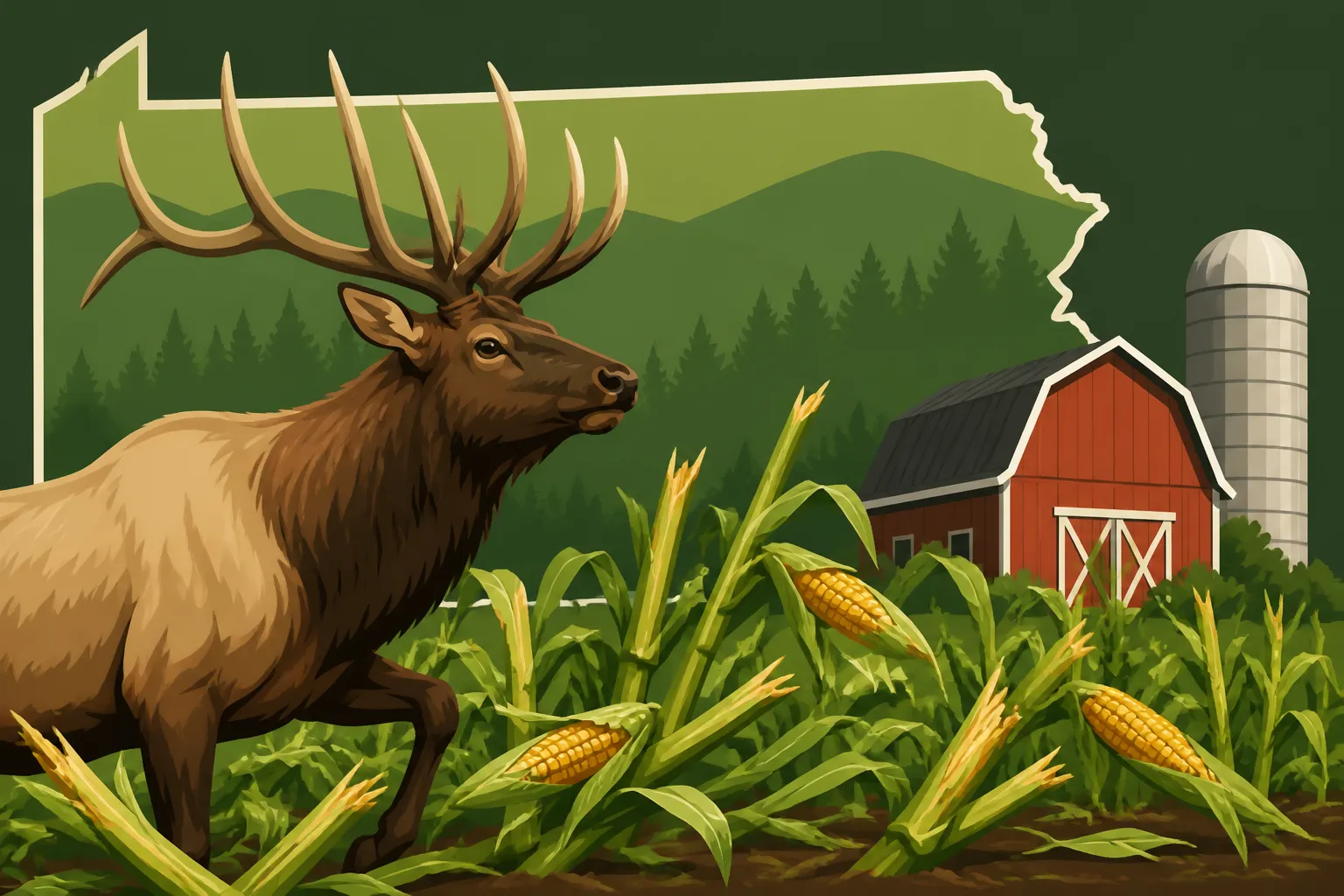
As fall approaches, mature crops become the focus. Corn fields are particularly vulnerable. Elk will break stalks, eat the ears, and waste far more than they consume. This can be devastating for a farmer relying on that corn for silage or grain sales. Winter wheat or hay fields can also suffer from heavy grazing, impacting next year's yield. Beyond just crops, elk can damage fences, irrigation systems, and even farm buildings if they feel pressured or are seeking shelter. This broader impact often means repair costs that extend well beyond just replacing lost produce. For farmers who have invested heavily in precision agriculture, this kind of unpredictable destruction is a huge setback.
Economic Impact on Farming Communities
The financial burden of elk damage is often underestimated by those outside the agricultural world. It's not just the market value of the lost crops; it's the cost of inputs like seed, fertilizer, fuel, and labor that went into growing those crops. When a field is damaged, those investments are gone, with no return. This can be particularly tough for smaller, family-owned farms that operate on tight margins.
Beyond the immediate loss, there are long-term implications. Repeated damage can force farmers to change their crop rotation, choose less profitable crops that elk don't prefer, or even consider selling land if the problem becomes unmanageable. This can impact the economic viability of entire rural communities where agriculture is a cornerstone. Insurance might cover some losses, but often, the deductibles are high, and the payout doesn't fully compensate for the indirect costs or the sheer emotional toll of seeing your hard work destroyed. It’s important for local communities to understand that supporting our elk herd often means supporting farmers in finding solutions to these very real challenges.
Why Elk and Farms Clash: Habitat, Food, and Population Pressure
The relationship between elk and farms is a complex dance driven by biological needs, habitat availability, and the ongoing success of Pennsylvania's elk restoration efforts. Our beloved elk population, a true testament to conservation, is thriving, and with that success comes the inevitable intersection with human endeavors, especially agriculture. Understanding these underlying factors is key to finding sustainable solutions.
The Draw of Agricultural Fields
Imagine you're an elk, constantly looking for the most nutritious, easiest-to-access food sources. Pennsylvania's wild landscape, while beautiful, often presents a challenge for foraging, particularly in winter when natural browse can be scarce. Then, you see a farmer's field: rows of tender young plants or mature, energy-rich grains. It's like a perfectly stocked grocery store compared to scrounging in the wilderness.
Agricultural fields offer a bounty of readily available, high-quality forage that is often more palatable and digestible than native vegetation. Crops like corn, alfalfa, and soybeans are packed with nutrients and calories, crucial for elk, especially breeding cows and growing calves. In areas where natural browse is limited or stressed, farms become an irresistible magnet. Furthermore, farms often have edges and cover nearby, providing security for the elk while they feed. It’s a win-win for the elk, but a definite loss for the farmer.
Elk Population Growth and Range Expansion
The reintroduction and careful management of elk in Pennsylvania has been an incredible success story. From a handful of animals, the herd has grown significantly, and its range has gradually expanded beyond the traditional core areas of the Elk in the Pennsylvania Wilds. While this growth is celebrated by conservationists and hunters alike, it also means more elk are moving into areas that are closer to human development and agricultural land.
As the population continues to expand, especially into new Pennsylvania Elk Hunt Zones or peripheral areas, the likelihood of elk encountering and utilizing farmland increases. It's a natural consequence of a healthy, growing population, but it's one that requires proactive management. The challenge lies in balancing a robust elk population with the needs of the agricultural community. Without this careful balance, the good feeling of seeing a magnificent bull could be quickly overshadowed by the frustration of damaged crops.
Strategies for Mitigating Elk Damage on Agricultural Lands
Dealing with elk damage isn't about blaming the animals; it's about finding practical, effective ways for humans and wildlife to coexist. Farmers often feel caught in the middle, wanting to support wildlife but needing to protect their livelihood. Thankfully, there are several strategies, both non-lethal and lethal, that can help reduce conflicts and protect valuable crops.
Non-Lethal Deterrents and Habitat Modifications
For many farmers, the first line of defense involves non-lethal methods aimed at making their fields less attractive or harder for elk to access. These strategies require consistent effort and often a bit of trial and error, as elk can be incredibly intelligent and adaptive. The goal is to discourage them without causing harm, steering them towards more natural forage.
One common approach involves fencing. While expensive, robust fencing can be highly effective around particularly vulnerable fields. Electric fences, especially multi-strand, high-tensile fences, can deter elk. However, these require regular maintenance and power, and elk are powerful animals who can sometimes breach even strong barriers if determined. Another method is scare tactics. Propane cannons, loud noise devices, or even regular human presence can temporarily move elk away. However, elk often habituate to these sounds quickly, making them less effective over time. Some farmers also try to alter the habitat around their fields, such as planting alternative forage crops further away from their main cash crops or maintaining woodlots that provide natural food and cover to divert elk attention. Think about planting a small plot of clover or oats in a less critical area to give them a "sacrifice" crop. Using the GoHunt app's mapping features might help identify natural travel corridors and potential areas for these diversionary plantings, helping to guide elk away from high-value fields.
Another set of strategies involves repellents, though their effectiveness varies. Some liquid or granular repellents contain ingredients that taste or smell unpleasant to elk. These usually need to be reapplied after rain or over time, which can be labor-intensive and costly. For high-value crops or small plots, netting can offer protection against browsing, but this is rarely practical for large-scale farming operations. Ultimately, the most successful non-lethal methods often involve a combination of approaches, rotated regularly to prevent elk from becoming too accustomed to any single deterrent. It's about creating enough hassle that they decide to move on to easier pickings.
State Programs and Direct Management Actions
Recognizing the significant impact of elk damage, the Pennsylvania Game Commission (PGC) offers programs and employs direct management actions to assist farmers. These programs are vital safety nets and management tools that help to alleviate some of the financial burden and mitigate conflict. The PGC is invested in both a healthy elk herd and healthy agricultural communities, so they strive for a balance.
The PGC often has programs that can provide materials for fencing or offer financial assistance for damage control measures. They also frequently work directly with landowners to assess damage and develop tailored mitigation plans. This might include providing technical advice on deterrents or even deploying staff to haze elk out of sensitive areas. In more extreme cases, where non-lethal methods are proving ineffective and damage is persistent, the PGC may issue special permits to remove nuisance elk, though this is typically a last resort. This is a very sensitive issue, but sometimes necessary for a farmer to save their crop.
The Role of Hunting in Elk Management
Hunting is not just a recreational activity in Pennsylvania; it is a critical wildlife management tool, especially when it comes to species like elk. Controlled hunting seasons play a vital role in managing the overall population size and distribution of the Pennsylvania Elk Herd Size and Range, which directly impacts the potential for agricultural damage. Without regulated hunting, elk populations could grow unchecked, leading to even more widespread conflicts.
Elk hunting licenses are extremely limited and highly coveted, often requiring applications through a lottery system for a chance at a Pennsylvania Elk Licence Application. The number of licenses issued, and the specific hunt zones, are carefully determined by the PGC based on population estimates, herd health, and, critically, localized damage complaints. In areas experiencing higher levels of agricultural damage, the PGC may allocate more licenses or specifically target certain sexes or age classes of elk to help reduce local populations and pressure on farms. Hunters who successfully draw a tag and hunt in these areas are directly contributing to the state's efforts to manage the herd and reduce farmer-elk conflicts. It's a key part of the conservation cycle that allows both elk and agriculture to thrive. For hunters, knowing their efforts contribute to broader conservation goals, including supporting Pennsylvania's farmers, adds another layer of meaning to the hunt.
The Future of Elk-Farm Coexistence in Pennsylvania
The majestic elk are here to stay in Pennsylvania, a source of pride and a significant draw for tourism and hunters alike. However, their presence inevitably creates challenges for our farming communities. Moving forward, the key lies in continued collaboration, adaptive management, and fostering a shared understanding of the issues at play. It's not about choosing between elk and farms, but finding innovative ways for them to coexist.
Balancing Conservation Success with Agricultural Needs
The journey of elk reintroduction in Pennsylvania is a true conservation success, moving from near extirpation to a thriving herd that draws national attention. Yet, this success brings with it the responsibility to manage the herd in a way that minimizes negative impacts on human livelihoods. The balance is delicate: how do we maintain a robust, healthy elk population while ensuring that farmers, who are often stewards of critical habitat themselves, can continue to operate profitably?
This balance involves ongoing research into elk foraging patterns and habitat use, allowing for more precise management strategies. It also means investing in education for both hunters and non-hunters about the challenges faced by farmers, fostering empathy and support for mitigation efforts. When considering potential habitat improvements or Public Land Inside Pennsylvania Elk Country expansions, managers must also weigh the proximity to agricultural lands and proactively plan for potential conflicts. We want more people to experience the wonder of Elk Viewing in Pennsylvania, but not at the expense of a farmer's harvest.
Collaborative Approaches for Long-Term Solutions
The most effective solutions for elk-farm conflicts come from collaboration. This means farmers, the Pennsylvania Game Commission, local conservation groups, and even hunters working together to develop and implement strategies. Farmers often have invaluable on-the-ground knowledge about elk behavior in their specific areas, while the PGC provides biological expertise and management tools.
One promising avenue is community-based approaches where local stakeholders come together to discuss issues and collectively decide on solutions. This might involve creating cooperative grazing plans, where certain areas are intentionally managed to provide alternative forage for elk, or developing "elk-friendly" farming practices that integrate deterrents and diversions. Programs that allow farmers to report damage easily and receive timely assistance are crucial. Leveraging technology, such as the mapping capabilities of platforms like GoHunt, could help farmers and wildlife managers identify and predict high-risk areas, allowing for proactive intervention rather than reactive damage control. Thinking holistically about habitat management across the broader Pennsylvania Elk Hunt Zones can also help disperse elk and reduce intense pressure on individual farms.
The Future Role of Technology and Research
As we look ahead, advancements in technology and continued scientific research will play an increasingly important role in managing elk-farm conflicts. From tracking elk movements more precisely to developing new, more effective deterrents, innovation is key. Remote sensing, for example, could help identify critical elk movement corridors or preferred feeding areas, allowing farmers to adapt their planting strategies or deploy deterrents more effectively.
Research into elk diet preferences, nutritional needs, and behavioral responses to different deterrents will lead to more targeted and efficient mitigation techniques. Could there be genetic solutions to make certain crops less palatable to elk, or advanced sensory deterrents that are more difficult for them to habituate to? These are questions that ongoing research aims to answer. Furthermore, platforms like GoHunt continue to evolve, offering new ways for hunters and managers to share information about wildlife activity, which could indirectly benefit farmers by providing earlier warnings of elk presence near agricultural areas. The commitment to understanding and adapting is essential for ensuring that Pennsylvania's elk remain a cherished part of our natural heritage without unduly burdening those who work the land.
| Damage Type | Primary Cause | Typical Season | Severity Potential | Mitigation Strategies |
|---|---|---|---|---|
| Crop Grazing | Elk consuming young shoots/leaves | Spring/Early Summer | High | Fencing, repellents, scare devices, alternative forage |
| Crop Trampling | Elk moving through fields, bedding | All Seasons | Moderate | Fencing, hazing, habitat alteration |
| Mature Crop Loss | Elk eating/destroying harvest-ready | Late Summer/Fall | Very High | Fencing, hazing, PGC permits, increased hunting pressure |
| Infrastructure | Elk pushing through fences | All Seasons (esp. winter) | Low-Moderate | Robust fencing, PGC assistance, fence repair |
White-Tailed Deer Across Pennsylvania
Hunting Pennsylvania's Big Woods for Deer
Farm Country Deer Hunting in Southern Pennsylvania
Reading Aerial Photos for Big Woods Deer
Hunting a Standing Cornfield in Farm Country
Hunting Pennsylvania State Forests
Pennsylvania Elk Herd Size and Range
How Elk Returned to Pennsylvania
Elk Viewing in Pennsylvania
Pennsylvania Elk Hunt Zones
Public Land Inside Pennsylvania Elk Country
Disclaimer
This article is for general informational purposes only and does not constitute professional advice. Laws, prices and regulations vary by location and change over time. Consult a qualified professional for guidance on your specific situation.