Pennsylvania Turkey Population Estimate
It can be incredibly frustrating to head out into the Pennsylvania woods, full of anticipation for a spring gobbler or a fall flock, only to find the woods eerily quiet. We all talk about "how the turkeys are doing" each year, and it feels like everyone has a different opinion or anecdotal observation. This guide is here to cut through the chatter and give you a real, in-depth look at how Pennsylvania actually estimates its wild turkey population, what those numbers mean, and how this information can help you become a more effective hunter.
Understanding Pennsylvania's Wild Turkey Population Dynamics
Wild turkeys are one of Pennsylvania's most iconic game species, deeply woven into the fabric of our hunting heritage. Their resurgence from near extirpation in the early 20th century is a true conservation success story, but their populations are dynamic and constantly shifting. For hunters, knowing the general health and trends of the turkey population in their favorite Hunting Pennsylvania State Forests or local woodlot can be crucial for planning successful hunts. It's not just about a single number; it's about understanding the "why" behind the "what."
The Importance of Population Estimates
Why do we even bother with these complex population estimates? Well, for starters, it's about sustainable management. The Pennsylvania Game Commission (PGC) isn't just counting birds for fun; they're trying to ensure healthy, huntable populations for generations to come. Without reliable data, setting season lengths, bag limits, and even understanding the impact of environmental changes would be pure guesswork. As hunters, we often rely on what we see and hear, but our individual experiences are just small snapshots. A statewide or even a Wildlife Management Unit (WMU)-specific estimate provides a much broader, more accurate picture. It helps us understand if those quiet woods are a local anomaly or part of a larger trend, and it informs the regulations that shape our hunting opportunities. It also helps conservation groups target their habitat work where it's most needed.
Beyond just regulations, these estimates allow us to appreciate the bigger ecological picture. Turkeys, like deer and bears, are indicators of forest health. A thriving turkey population usually points to a healthy ecosystem with good food sources and adequate cover. Conversely, a declining population can signal underlying issues like habitat loss, increased predation, or disease. For hunters who are also stewards of the land, understanding these dynamics is paramount. It allows us to be more informed advocates for conservation and better participate in discussions about the future of Wild Turkeys in Pennsylvania.
Factors Influencing Turkey Numbers
Wild turkey populations are incredibly sensitive to a myriad of environmental and biological factors. It’s a complex dance between birth rates, survival rates, and external pressures. For instance, severe winters, especially those with deep, persistent snow cover, can impact survival, particularly for younger birds. Turkeys rely on their ability to scratch through snow for food, and if it gets too deep, too long, they can struggle to find sustenance, leading to higher winter mortality. However, even mild winters aren't a guarantee of a population boom if other factors aren't aligning.
The breeding season and nesting success are perhaps the most critical components. A cold, wet spring during nesting season can decimate poult (young turkey) survival. Hens might abandon nests, or the poults themselves, being susceptible to hypothermia, simply won't make it through chilly, damp conditions. Conversely, a warm, dry spring often leads to higher brood survival, which we love to see. Predation also plays a significant role in Nest Predation and Turkey Hatches. Raccoons, opossums, skunks, and coyotes are significant nest predators, while foxes and various raptors can prey on poults. Even seemingly small changes in predator populations can have a noticeable ripple effect on turkey numbers. Habitat quality, too, is foundational; turkeys need a mosaic of mature timber for roosting, open areas for bugging and breeding, and dense cover for nesting and escape. Without this diverse habitat, even with favorable weather, turkey populations will struggle to reach their full potential.
How Pennsylvania Estimates Turkey Populations
The Pennsylvania Game Commission doesn't just guess at turkey numbers. They employ scientific methods, primarily relying on summer brood surveys and hunter harvest data, to paint as accurate a picture as possible of how many birds are out there. This isn't a perfect science, and there's always a margin of error, but these methods provide the best insights available for managing the resource. Understanding these methods helps us appreciate the data we see and how decisions about Pennsylvania Spring and Fall Turkey Seasons are made.
Brood Surveys: The Core Method
The summer wild turkey brood survey is arguably the most critical tool the PGC uses to gauge population health, particularly reproductive success. This survey relies heavily on citizen science and the keen eyes of hunters and outdoor enthusiasts like us. From June through August, observers are asked to record all wild turkey sightings, specifically noting the number of adult hens and the number of poults seen with them. This information is then submitted to the Game Commission, often through their website or a dedicated mobile app.
The reason this data is so valuable is because it provides insights into the Poult-to-Hen Ratios and What They Mean. A high poult-to-hen ratio indicates a successful breeding season with good survival of the young birds, suggesting a potential increase in the overall population in the coming year. Conversely, a low ratio points to poor reproductive success, which might be due to unfavorable weather during nesting, high predation pressure, or other environmental stressors. These ratios are tallied for each WMU, allowing the PGC to see where populations might be thriving or struggling. Imagine a GoHunt mapping tool that allows you to overlay historical brood survey data with specific habitat types; that's the kind of detailed information that can emerge from these surveys, informing where you might focus your scouting efforts.
Hunter Harvest Data and Its Role
While brood surveys give us a snapshot of recruitment, hunter harvest data provides crucial information about the overall population size and trends, as well as the sex and age structure of the harvest. Every turkey hunter in Pennsylvania is required to report their harvest, whether it's a spring gobbler or a fall bird. This information, when compiled, is immensely powerful. It allows the PGC to track the number of birds taken each year, which directly reflects on the huntable surplus and, indirectly, on the total population.
For example, a consistent decline in reported harvests, even with stable hunter effort, could signal a shrinking population. Conversely, rising harvests might indicate a healthy, growing population or increased hunter success. Furthermore, the harvest data provides details on the age structure of the birds being taken. In the spring, most hunters are targeting adult gobblers. In the fall, the harvest often includes a mix of adult hens, jakes (yearling males), and jennies (yearling females), along with adult gobblers. Analyzing these proportions helps the PGC understand the overall age distribution of the flock, providing more clues about population stability and reproductive health. When combined with brood survey data, these two pieces of the puzzle create a more complete picture of Pennsylvania Turkey Population Trends and allow for more informed management decisions.
Current Trends and Regional Variations
Understanding the big picture is one thing, but as Pennsylvania hunters, we know our state is a diverse patchwork of habitats and regional differences. A blanket statement about the turkey population doesn't always apply uniformly across the entire Commonwealth. What's happening in the big woods of the northcentral might be completely different from the agricultural lands of the southeast or the ridge-and-valley regions.
Statewide Trends: What the Numbers Tell Us
Historically, Pennsylvania's wild turkey population saw a remarkable comeback from near disappearance in the early 20th century. Through extensive trap-and-transfer programs and careful management, turkeys expanded across the state. However, in recent decades, there have been some noticeable shifts. While the population generally remains healthy, we have seen some areas experience declines, while others hold strong or even show increases. The overall Pennsylvania Turkey Population Estimate has shown some fluctuations, with a general trend in many regions towards stabilization or even a slight decline from peak numbers experienced in the late 1990s and early 2000s.
Factors like widespread habitat maturation, which reduces the amount of early successional habitat critical for poult survival, and increased predation pressure are often cited as contributors to these observed trends. Climate patterns, too, play a significant role; a string of cold, wet springs can significantly impact multiple year classes of poults, leading to a noticeable dip in harvest numbers a few years down the line. It's a constant balancing act, and while statewide averages give us a general idea, they don't tell the whole story for every woodlot we hunt.
WMU-Specific Variations and Hotspots
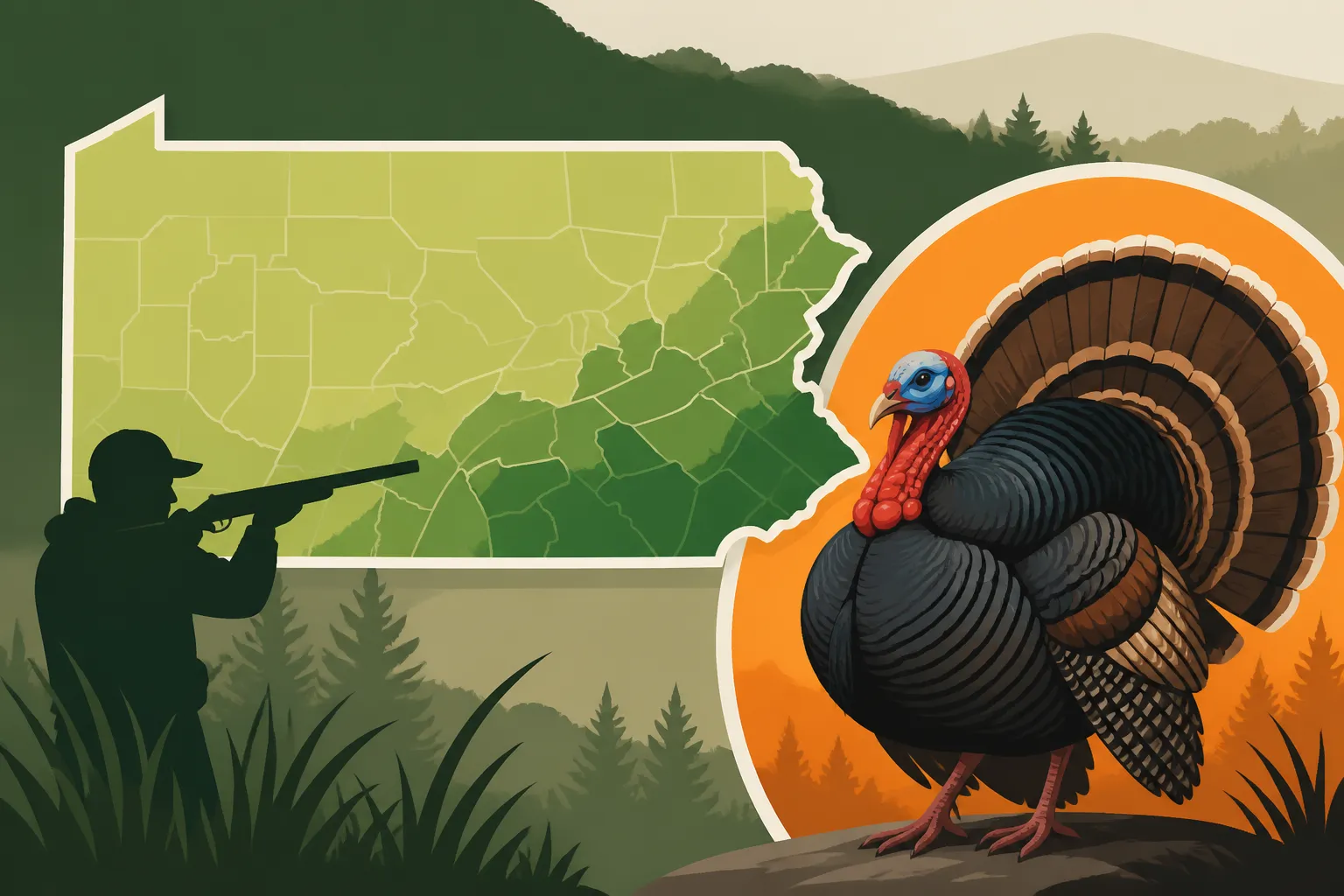
This is where the real value of detailed data comes in for us hunters. Instead of just looking at the state as a whole, the PGC breaks down turkey populations by Wildlife Management Unit (WMU). This allows for a much more granular understanding of where the turkeys are thriving and where they might be facing challenges. You might find that Turkey Trends by Pennsylvania WMU show a strong population in a particular WMU due to excellent habitat or favorable weather in recent nesting seasons, while an adjacent WMU shows a downward trend.
For instance, the big woods of the north-central region (think WMUs like 2G, 2H, 3A, 3B) often support robust turkey populations, but these areas can also experience more significant fluctuations due to deep snows in winter and extensive timber harvests altering habitat. Conversely, the farm country WMUs in the southern and southeastern parts of the state (like 5C, 5D, 5B) might have lower overall densities but can hold large, healthy flocks in pockets of good woodlots and field edges. These areas often benefit from abundant agricultural food sources. If you're using a planning tool like GoHunt, understanding these WMU-specific trends can help you narrow down your scouting efforts to areas that statistically have a higher chance of holding birds. It pays to check the PGC's annual reports on Pennsylvania Turkey Brood Survey Results to see how your chosen WMU performed year-to-year.
The Impact of Habitat and Disease
Habitat quality is undeniably the single biggest driver of turkey populations. Turkeys need a variety of cover types throughout the year. Nesting hens seek dense, low-growing vegetation that offers concealment from predators. Poult-rearing hens need areas with abundant insects for protein, often found in fields, clearings, and young forest growth. Roosting birds require mature timber with strong, horizontal limbs for overnight safety. As forests mature across large tracts of Pennsylvania, particularly in the big woods, the amount of crucial early successional habitat can decrease, impacting poult survival. Intensive timber management and selective logging, when done correctly, can create pockets of this vital habitat, but it's a constant effort.
Disease, while not always as widespread as CWD in deer, can also impact turkey numbers locally. Avian pox, blackhead disease, and lymphoproliferative disease are some ailments that can affect wild turkeys. While not typically causing massive statewide die-offs, localized outbreaks can certainly reduce populations in specific areas. The PGC monitors these situations, and hunters can help by reporting sick or dead birds. Understanding the interplay of habitat, weather, predation, and disease is key to appreciating the complex puzzle of Pennsylvania Turkey Population Trends and why populations fluctuate.
What Hunters Can Expect and How to Adapt
Given the dynamic nature of wild turkey populations, what does this mean for us, the hunters who cherish pursuing these wary birds? It means staying informed, adapting our strategies, and being realistic about expectations. The days of simply showing up and expecting abundant turkeys in every woodlot might be fading in some areas, but opportunities still abound for those willing to put in the effort and adjust their approach.
Scouting and Strategy Based on Population Data
Knowing the general population trends and Best Pennsylvania Counties for Turkeys in your WMU can significantly inform your scouting strategy. If brood survey results for your area were poor for a couple of years, you might adjust your expectations for the number of jakes and jennies you'll see in the fall, or even the overall density of gobblers in the spring. Instead of covering vast amounts of ground, you might focus more intensely on prime habitat areas – those pockets of public or private land that reliably produce food, cover, and water. A mapping tool, especially one like GoHunt, can be invaluable here. You can look at satellite imagery for ideal roosting timber, dense nesting cover, and open feeding areas.
For spring gobbler season, if population numbers are stable, you might find more birds respond to calls. If numbers are lower, birds might be more pressured, and calling might need to be more subtle or opportunistic. In the fall, lower populations might mean larger, more dispersed flocks, making the classic "bust 'em up and call 'em back" strategy more challenging, requiring more patience and stealth. Run-and-Gun Turkey Tactics on Game Lands might be more effective in areas with good populations, while a more stationary approach, patiently waiting on travel corridors, could work better in areas with lower densities.
Here's a quick reference table of how population trends might influence your turkey hunting strategy:
| Population Trend (WMU Specific) | Spring Gobbler Strategy | Fall Turkey Strategy | Key Considerations |
|---|---|---|---|
| High/Stable | Aggressive calling, covering ground, multiple setups. | Active searching for flocks, breaking them up, calling back. | More competition from other hunters, but more responsive birds. |
| Moderate/Fluctuating | Patient calling, subtle setups, focus on prime habitat. | Focus on food sources, subtle calls, ambushing travel routes. | Adapt to weather, be mindful of pressure. |
| Low/Declining | Silent scouting, limited calling, focus on known roosts. | Stealth and observation, pattern movement, minimal calling. | Focus on remote areas, avoid over-calling, consider ethical shot selection. |
The Role of Conservation Efforts
As hunters, we have a vital role to play in the ongoing conservation of wild turkeys. Understanding the population estimates and trends isn't just about personal hunting success; it's about being informed stewards of the resource. Supporting organizations like the National Wild Turkey Federation (NWTF) and the Pennsylvania Game Commission (PGC) through licence purchases and donations directly funds habitat improvement projects and research crucial for turkey survival. These efforts often focus on creating the diverse habitat mosaics that turkeys need, such as early successional growth, timber stand improvement, and food plots.
Beyond financial support, participating in the summer wild turkey brood survey, as mentioned earlier, is a direct way to contribute valuable data. Adhering to regulations, making ethical shot choices, and even considering passing on a hen in the fall (where legal and if you feel the local population could benefit) are all ways we can collectively contribute to healthy turkey populations. We've seen Pennsylvania Turkey Population Trends ebb and flow, and our collective commitment to conservation is what ensures these magnificent birds will continue to grace our woodlands for generations of hunters to come.
Disclaimer
This article is for general informational purposes only and does not constitute professional advice. Laws, prices and regulations vary by location and change over time. Consult a qualified professional for guidance on your specific situation.