Where Pennsylvania Pheasant Farms Are
Hunting pheasants in Pennsylvania can feel like chasing a ghost if you're holding onto memories of yesteryear's vast wild populations. The reality for many of us today is that consistent pheasant hunting opportunities largely stem from the dedicated efforts of the Pennsylvania Game Commission (PGC) and their robust stocking program. If you've ever wondered where those vibrant birds come from before they burst out of cover in your favorite field, and how the PGC ensures there are pheasants for us to pursue, this guide will walk you through the journey from farm to field.
The Pennsylvania Game Commission's Pheasant Production Program
When we talk about pheasant hunting in Pennsylvania, we're almost exclusively talking about birds that have been raised and released by the PGC. The wild pheasant population, sadly, isn't what it once was across much of the state, due to habitat loss and changes in farming practices. Recognizing the strong demand for pheasant hunting, the PGC has maintained an impressive program of raising and releasing pheasants for decades, ensuring that hunters still have opportunities to experience the thrill of a flushing ringneck.
This isn't just a simple operation; it's a massive undertaking involving specialized farms, dedicated staff, and a significant investment of resources. The goal is to produce strong, healthy pheasants that can provide a quality hunting experience, even if they aren't truly "wild" in the traditional sense. It's a testament to the PGC's commitment to providing diverse hunting opportunities for Pennsylvania sportsmen and sportswomen.
A Legacy of Conservation Through Stocking
The tradition of pheasant stocking in Pennsylvania stretches back a long way, born from a desire to supplement declining native game birds and introduce new species for sport. While many hunters lament the decline of truly wild pheasant populations, the PGC's stocking program has become a critical component of upland bird hunting in the state. It allows thousands of hunters, often with their beloved bird dogs, to get out in the fields each fall.
This isn't just about throwing birds into a field; it's about a continuous effort to provide a huntable resource. The program helps introduce new hunters to the sport, particularly youth, who might otherwise never experience the joy of a pheasant flush. It underscores the PGC's role not just in protecting existing wildlife, but also in actively managing populations and opportunities for hunters. It's a dynamic approach to conservation that adapts to changing landscapes and wildlife trends.
The Dedicated Pheasant Farms of Pennsylvania
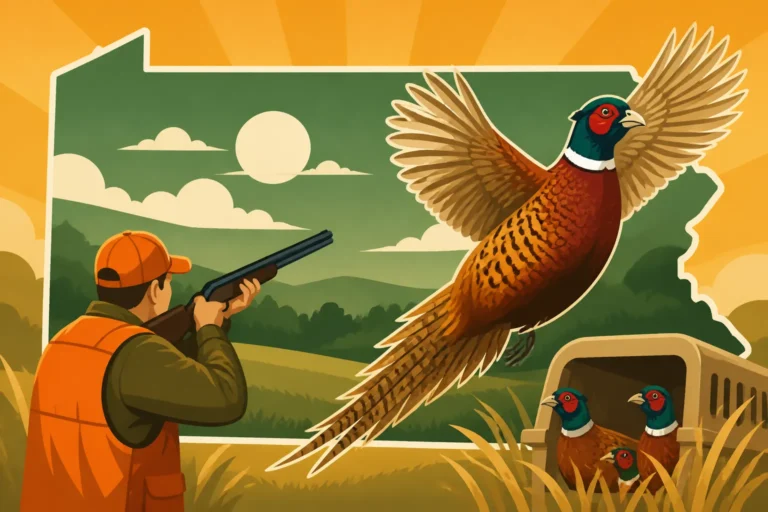
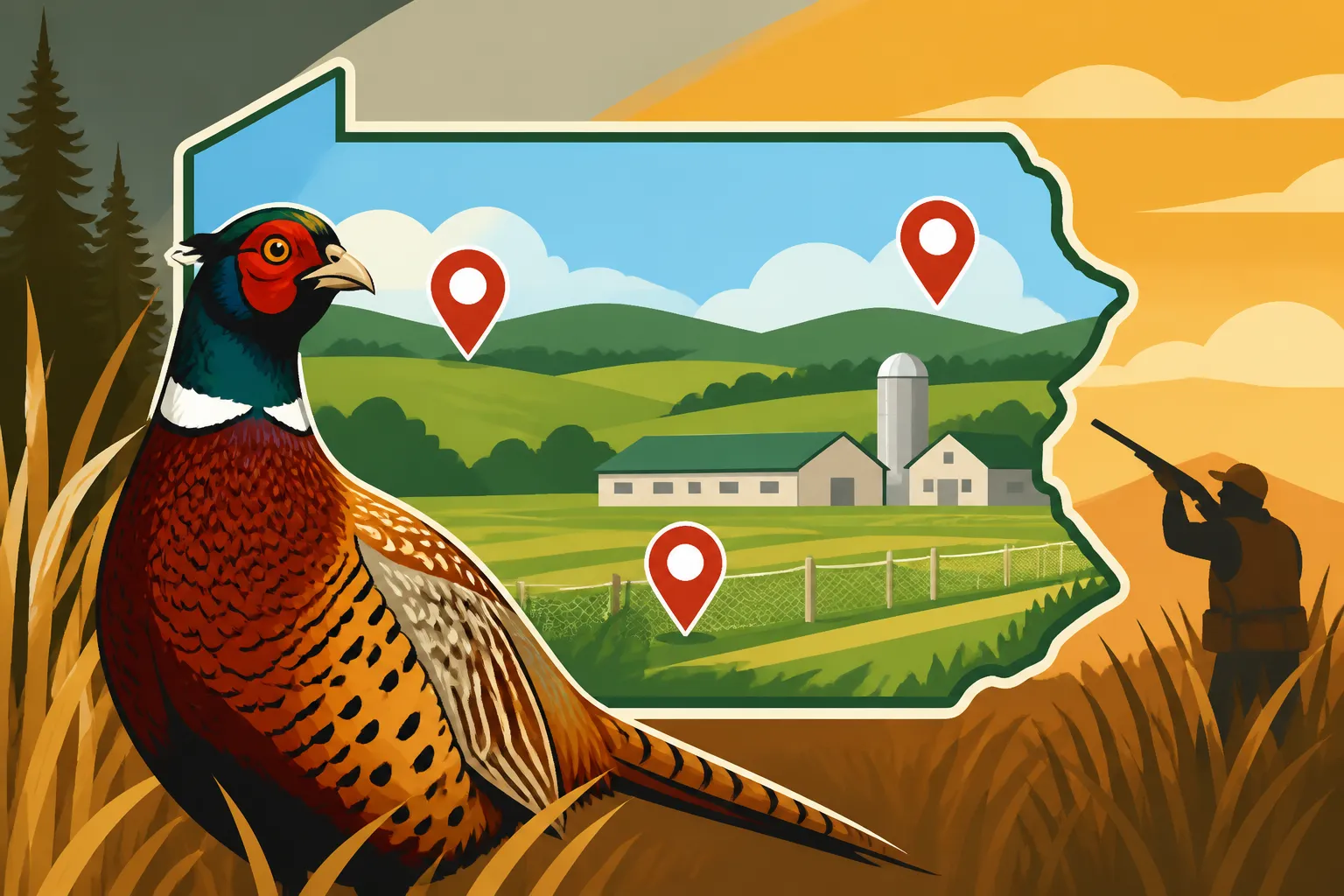
So, where exactly do these pheasants originate? The Pennsylvania Game Commission operates two primary pheasant farms that are the backbone of this extensive stocking program. These are the Western Game Farm in Cambridge Springs, Crawford County, and the Eastern Game Farm in Schwenksville, Montgomery County. These aren't small-scale operations; they are large, sophisticated facilities designed for mass production of pheasants.
At these farms, pheasants are hatched from eggs, raised in meticulously managed brooder houses, and then moved to vast outdoor pens where they grow to maturity. The goal is to raise birds that are robust, feathered out, and possess the instincts needed to survive for a period after release. It's a year-round effort to prepare for the hunting seasons. The sheer scale is impressive, with hundreds of thousands of pheasants raised annually to meet the demand across the commonwealth.
Understanding Pennsylvania's Pheasant Stocking Program
Getting pheasants from the farm to public hunting grounds is a complex logistical dance. It requires careful planning, dedicated personnel, and, importantly, funding derived directly from hunters. This entire system is designed to provide fair chase opportunities on lands that are accessible to everyone who wishes to participate.
Understanding how this program works, from permits to release schedules, is crucial for any hunter planning to pursue pheasants in Pennsylvania. It helps you appreciate the effort involved and make the most of your time afield. The program is truly a collaborative effort between the PGC and the hunting community, built on the shared passion for upland hunting.
The Pheasant Permit and Funding the Program
To hunt pheasants in Pennsylvania, you generally need more than just a regular hunting license. There's a specific Pennsylvania Pheasant Permit that hunters must purchase. This permit is absolutely vital because the funds generated from its sale directly support the pheasant propagation program. Without these dedicated funds, the PGC simply wouldn't be able to sustain the extensive farming operations and release efforts.
This ensures that those who benefit most from the program are also those who fund it, creating a self-sustaining model for pheasant hunting in the state. It's a small investment that makes a huge difference in keeping these birds available. Remember, always check the current regulations and ensure you have all the necessary permits before heading afield.
The Release Process: From Crate to Cover
Once the pheasants reach maturity at the game farms, they are transported in specialized crates to designated release sites across the state. This happens at specific times, usually starting shortly before the general pheasant season opens, and continuing throughout much of the season. PGC staff, and often dedicated volunteers, handle the releases, placing the birds in suitable cover where hunters are likely to find them.
The idea is to distribute the birds widely, across numerous State Game Lands and cooperative public access properties, to spread out hunting pressure and provide opportunities in various regions. These stocked birds, while raised in captivity, quickly adapt to their new surroundings and can be quite challenging to hunt, especially as the season progresses and they become more "educated" by hunter pressure. For more on the specifics of the process, check out How Pennsylvania Stocks Pheasants.
Finding Stocked Pheasant Release Sites
Knowing where the pheasants are raised is one thing; knowing where they're actually released for you to hunt is another entirely. The PGC makes a concerted effort to be transparent about its stocking locations, but it's up to you, the hunter, to use those resources effectively. This is where a little homework and modern mapping tools really pay off.
Don't just drive around hoping to stumble onto a stocked field; plan your hunt. This not only increases your chances of success but also ensures you're hunting legally and ethically. Combining official information with diligent scouting can make all the difference in filling your vest.
Leveraging PGC Resources
The best place to start your search for pheasant release sites is directly with the Pennsylvania Game Commission. They publish detailed lists and maps of all the lands where pheasants are scheduled to be released. This information is typically available on their website well in advance of the season, often breaking down releases by county and specific State Game Lands or cooperative project areas.
It's important to cross-reference this information with the actual season dates and times, as stocking occurs on a schedule, and some areas might be stocked multiple times. Paying attention to these details can help you pinpoint areas that might have fresh birds. This also ties into broader scouting efforts, as understanding Scouting Pennsylvania Public Land Before Season can lead to greater success on stocked ground.
Here’s a general idea of where you can expect pheasants to be released:
| Stocking Location Type | Description | Key Characteristics for Hunters |
|---|---|---|
| State Game Lands (SGLs) | Managed public lands across Pennsylvania, specifically chosen for their suitable habitat, including fields, old farm ground, brushy cover, and woodlands. Many SGLs have designated areas or sections specifically managed for small game, including pheasants. | Widely accessible, clearly marked boundaries, habitat often tailored for pheasant survival. Can see significant hunter pressure, especially on opening days and weekends. |
| Farm-Game Projects | Private agricultural lands where landowners have enrolled their property in a PGC program, allowing public hunting access. These are typically working farms with a mix of crop fields, hedgerows, and brushy cover, providing ideal pheasant habitat. | Requires identifying the specific areas open to hunting. Offers diverse terrain and often less pressure than some SGLs. Respect for private property is paramount. |
| Cooperative Farm-Game Projects | Similar to Farm-Game projects, these involve multiple landowners in a larger contiguous area cooperating with the PGC to provide public hunting access. They often encompass significant acreage and a variety of habitat types. | Excellent opportunities due to scale and diverse cover. Hunters must be diligent in understanding the boundaries and respecting both public and private areas. |
| Forest-Game Projects | While less common for primary pheasant stocking, some of these projects, often in areas with mixed forest and old farm clearings, might see pheasant releases, particularly if they include suitable open field or brushy edge habitat. | More challenging to hunt due to heavier cover, but can offer a unique experience. Less pressure, but you'll need to work harder to find birds. |
Tools and Tactics for Scouting These Areas
Once you have the list of potential release sites, it's time to hit the maps. Online mapping tools, like those found on the PGC website or commercial apps like GoHunt, are invaluable. You can overlay the reported stocking locations with satellite imagery to identify specific fields, hedgerows, and brushy draws that pheasants are likely to utilize. A good mapping app on your phone, like GoHunt, can show you land ownership, topo lines, and recent satellite views, which are critical for finding those hidden pockets on public ground or newly accessible Farm-Game projects.
Look for areas with dense cover, such as tall grasses, multiflora rose thickets, standing corn edges, or abandoned fields. Pheasants need protection from predators and the elements, so focusing on areas that provide this can increase your odds. Remember, stocked birds, especially early in the season, tend to hold tight in thick cover. Understanding these habitat preferences will guide your hunting efforts. For more specific advice, be sure to read Hunting Stocked Pheasant Release Sites.
Maximizing Your Hunt on Stocked Ground
Hunting stocked pheasants isn't quite the same as pursuing wild birds, but it offers its own unique challenges and rewards. The initial days post-stocking can be fast and furious, but as the season wears on, these birds get smarter and wilder, requiring different tactics. Being prepared for both scenarios will make you a more versatile and successful upland hunter.
It's not just about finding the birds, but knowing how to approach them, what gear to bring, and how to stay safe in busy hunting areas. Every trip afield is a learning experience, and with stocked pheasants, you'll learn quickly about their tendencies on public land.
Strategies for Pressured Birds
Early in the season, freshly stocked pheasants might be a bit disoriented and relatively easy to flush. However, after a few days of hunting pressure, they quickly learn the ropes. These "educated" birds will run long before flushing, often holding tight in the nastiest, thickest cover they can find. If you're hunting later in the season or on a busy weekend, expect to work harder.
One effective strategy is to hunt the fringes of popular areas, or to push through cover that other hunters have overlooked or avoided. Think about those briar patches, thick stands of phragmites, or dense multiflora rose that are hard to penetrate. That's often where the wariest birds will be hiding. Working with a group of hunters can be very effective, with blockers at one end and walkers pushing through the cover. For deeper dives into specific tactics, consider Hunting Stocked Pheasants in Pennsylvania.
Essential Gear and Dog Work
Success in hunting stocked pheasants often hinges on having the right gear and, ideally, a good bird dog. A reliable shotgun, typically a 12 or 20 gauge, choked for flushing birds (modified or improved cylinder), is standard. For advice on firearms, check out Grouse and Pheasant Shotgun Choices. Blaze orange is absolutely critical for safety, especially on crowded public lands. The PGC has specific Pennsylvania Hunter Orange Square Inches requirements you'll need to follow. A sturdy upland vest with plenty of pockets for shells, water, and downed birds, along with tough brush pants, will serve you well. You might want to review Upland Vests and Blaze Orange to make sure you're geared up right.
Perhaps most important is a well-trained bird dog. A good flushing dog, whether a Labrador, springer spaniel, or German shorthaired pointer, is an incredible asset. They can sniff out birds holding tight in cover that you'd walk right past, and their ability to retrieve downed birds saves valuable time and prevents lost game. Even if you don't have a dog, hunting with a friend who does can significantly improve your chances. If you're thinking about hunting with a canine companion, brush up on Bird Dog Gear for Pennsylvania Cover.
Successfully hunting stocked pheasants in Pennsylvania requires understanding the PGC's efforts, knowing where to find the release sites, and employing smart hunting strategies. It's a fantastic way to enjoy the fall outdoors and experience the unique thrill of a flushing pheasant. With preparation and a bit of perseverance, you can have a very rewarding pheasant season in the Keystone State.
Disclaimer
This article is for general informational purposes only and does not constitute professional advice. Laws, prices and regulations vary by location and change over time. Consult a qualified professional for guidance on your specific situation.