Wild Pheasant Recovery Areas in Pennsylvania
For many Pennsylvania hunters, the thought of a truly wild pheasant flushing from a dense patch of native grass is a nostalgic dream, a whisper from a bygone era that often feels far removed from the reality of today's stocked bird programs. This guide is dedicated to exploring Pennsylvania's Wild Pheasant Recovery Areas, a focused effort to bring back these iconic game birds, detailing how they operate, their challenges, and what they mean for the future of wild pheasant hunting in our state.
The Fading Echo of Wild Ringnecks: Why We Yearn for Their Return
There's a special kind of magic in hunting wild birds, a primal connection to the land and its rhythms that just hits differently than pursuing pen-raised game. For generations of Pennsylvanians, the vibrant flash of a wild ringneck pheasant bursting skyward was a common sight, a sound that brought smiles and sent hunting dogs into a frenzy of excitement. Sadly, that magic has become increasingly rare, leaving many of us longing for the days when wild pheasants were a self-sustaining part of our state's diverse wildlife tapestry.
The Historical Abundance and Decline of Wild Pheasants
It’s hard for younger hunters to imagine, but there was a time when wild pheasants were truly abundant across much of Pennsylvania, particularly in our rich agricultural regions. These birds thrived alongside small, diverse farms that offered a mosaic of crops, hedgerows, fallow fields, and woodlots. The habitat was perfect: plenty of nesting cover, brood-rearing areas with insects, and reliable winter food sources. But as agriculture modernized, farming practices shifted dramatically. Fields became larger, monoculture took over, and fence rows disappeared. Early and intensive mowing of hayfields decimated pheasant nests, and increased use of pesticides reduced the insect populations crucial for growing poults. Coupled with increased predation pressure and other environmental factors, the wild pheasant population plummeted.
It reached a point where, as many will recall, the only way to really hunt pheasants in Pennsylvania was through the stocking program. While these programs certainly provide a valuable recreational opportunity for many, they are, by their very nature, a put-and-take scenario. There's a fundamental difference between hunting a bird released from a truck just a few days or hours before, and the challenge of finding a truly wild, wary pheasant that has evaded predators and survived the seasons. The quest for a truly wild bird taps into a different kind of hunting ethic, one that prioritizes the health of the wild population over immediate harvest numbers. This is part of the reason why many hunters, myself included, feel a deep sadness over Why Pennsylvania Has No Wild Pheasants in many areas and a strong desire to see them return.
The Intrinsic Value of a Self-Sustaining Population
Beyond the thrill of the hunt, there's a significant ecological value to having a healthy, self-sustaining wild pheasant population. These birds are an integral part of the ecosystem, contributing to the biodiversity of our farmlands and open spaces. A wild population possesses genetic diversity honed by natural selection, making them more resilient to disease and environmental changes than their farm-raised counterparts. They act as an indicator species, their presence or absence signaling the overall health of certain grassland and agricultural habitats.
Moreover, a self-sustaining population alleviates the need for continuous, costly stocking programs, freeing up resources that can be directed towards other critical conservation efforts. For hunters, the opportunity to pursue wild pheasants represents a return to a more traditional, challenging, and deeply rewarding experience. It's about seeing the landscape return to a state where these magnificent birds can truly thrive on their own.
Understanding Pennsylvania's Wild Pheasant Recovery Areas (WPRAs)
The Pennsylvania Game Commission (PGC), recognizing the desire to restore wild pheasants, embarked on an ambitious journey to establish Wild Pheasant Recovery Areas (WPRAs). This wasn't a decision made lightly, and it's certainly not a quick fix. It's a strategic, long-term commitment to habitat and biology.
The Vision Behind the Recovery Program
The fundamental vision behind the WPRA program is to move beyond simply releasing pheasants for hunters. Instead, the goal is to create conditions where pheasants can establish self-sustaining, wild populations that can reproduce year after year without human intervention through stocking. This means focusing on specific, carefully selected geographic areas where the right combination of habitat can be created and maintained, and where local cooperation is strong. It's a testament to the belief that with the right efforts, we can truly bring back the wild ringneck. The PGC recognized that simply How Many Pheasants Pennsylvania Releases each year wasn't addressing the root cause of the wild bird's decline.
Identifying Key Characteristics of a WPRA
So, what makes an area suitable for wild pheasant recovery? It's not just any old field. WPRAs are chosen based on a very specific set of ecological criteria designed to give pheasants the best chance at survival and reproduction.
Firstly, they require large, contiguous blocks of suitable habitat. Think hundreds, or even thousands, of acres of grasslands. These aren't manicured lawns; these are fields of native warm-season grasses like switchgrass, big bluestem, and indiangrass, alongside cool-season grasses and clover. This dense cover is absolutely critical for nesting, hiding from predators, and providing shelter during harsh winter weather.
Secondly, WPRAs need diverse food sources. This includes insect-rich areas for growing chicks (poults), and reliable seed sources throughout the year. Food plots of corn, sorghum, and sunflowers are often integrated into these landscapes. Thirdly, winter thermal cover is paramount – dense shrub thickets, hedgerows, and wetlands provide crucial protection from cold winds and snow. Lastly, predator control efforts are often a component, aiming to reduce populations of common nest predators like foxes, raccoons, and opossums during critical nesting periods.
As a hunter, understanding these habitat characteristics is key, whether you're scouting for potential pheasant sign or simply appreciating the effort. Using mapping applications, even something like GoHunt's detailed satellite imagery and property line overlays, can help you visualize these habitat types and identify potential edges or cover transitions within a WPRA that pheasants might utilize. This advanced scouting can really boost your confidence when planning a hunt.
Current and Historical WPRA Locations and Focus
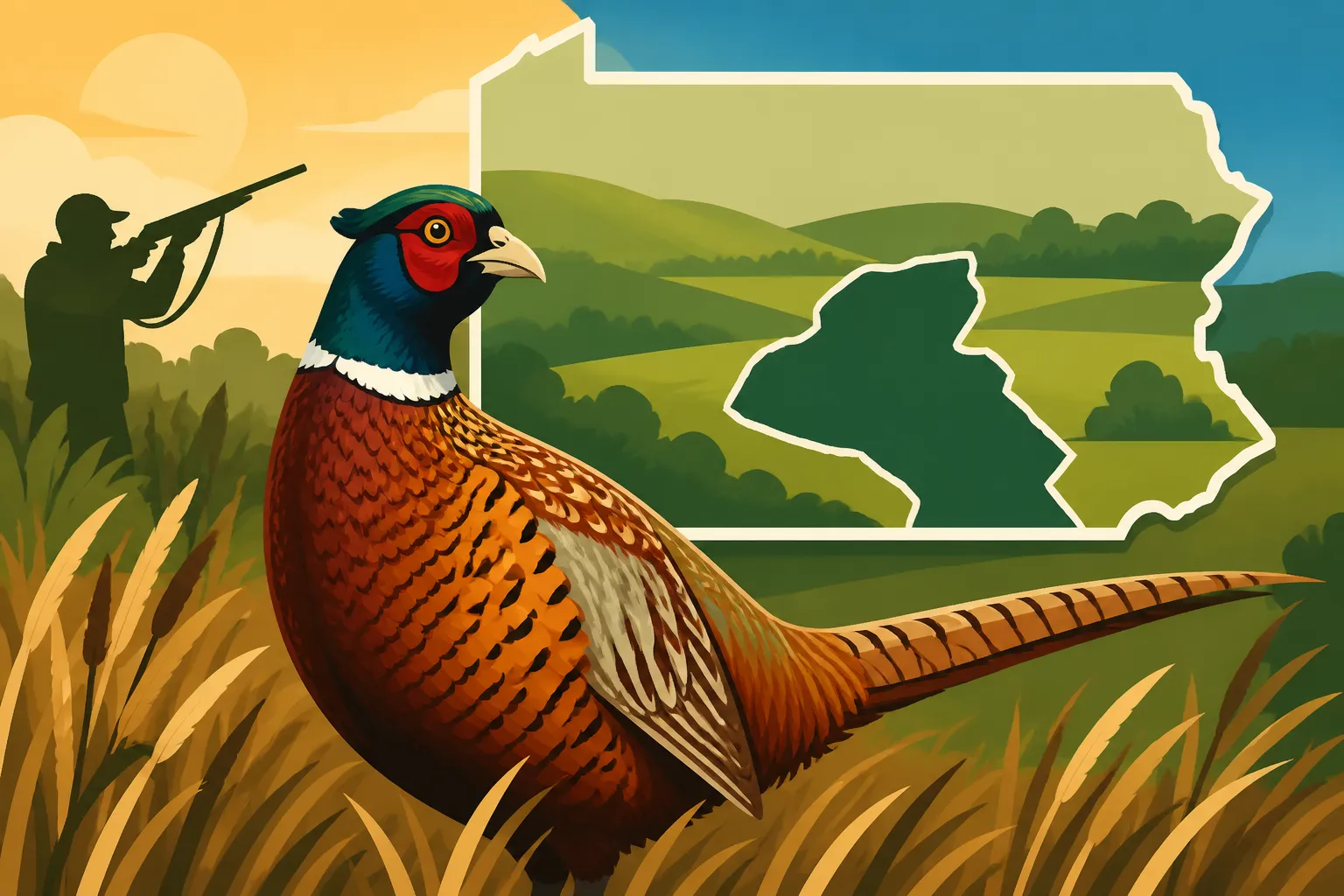
Historically, and presently, the Wild Pheasant Recovery Areas are concentrated in areas of Pennsylvania with a strong agricultural base, primarily in the southeastern and south-central regions of the state. These are the landscapes that, with careful management, offer the best potential to recreate the habitat conditions that pheasants need. While the specific boundaries and active management zones within these WPRAs can shift and evolve as the program progresses, the focus remains on counties where there was once a thriving wild pheasant population and where landowners are willing to participate in conservation efforts.
It's not about designating every field as a WPRA; it's about strategic investment in specific areas like the Central Susquehanna WPRA or the Berks-Lehigh WPRA. These regions often feature a mix of private farmland and state-owned game lands, requiring a blended approach to management and a strong cooperative spirit. These areas are quite different from the general regions where you might find Hunting Stocked Pheasants in Pennsylvania.
The Multifaceted Approach to WPRA Management
Creating and sustaining Wild Pheasant Recovery Areas is a complex undertaking, requiring a delicate balance of biological science, habitat management, and community engagement. It’s far more than just planting some grass; it's a living, breathing landscape project.
Habitat Restoration: The Cornerstone of Success
At the heart of every WPRA is intensive habitat restoration and creation. This is where the real work happens. The PGC, often in partnership with private landowners, focuses on establishing and maintaining acres upon acres of high-quality pheasant habitat.
This includes planting extensive fields of native warm season grasses (NWSG), which grow tall and dense, providing excellent nesting cover and winter thermal protection. Cool season grasses and clover are also used, offering different types of cover and forage at various times of the year. Strategic food plots of corn, sorghum, and other grains are planted to provide crucial winter food sources when natural forage is scarce. Hedgerows and riparian buffers are restored or planted along stream banks to provide travel corridors and additional cover. Even small wetlands and wet areas are preserved or created, as they offer unique invertebrate food sources and escape cover. This kind of comprehensive Habitat Work on Pennsylvania Public Land is vital, and it extends onto private properties too.
It’s a long-term commitment. These habitats don’t just appear overnight; they require ongoing maintenance, prescribed burns, and periodic reseeding to remain productive and beneficial for pheasants. The meticulous attention to detail in creating this ideal environment is what truly sets WPRAs apart.
Predator Management and Population Augmentation
While habitat is king, managing predator populations is also a critical component in WPRAs, especially during the vulnerable nesting and brood-rearing seasons. Increased populations of opportunistic predators like foxes, raccoons, opossums, and skunks can severely impact pheasant nest success and poult survival. The PGC often implements targeted, legal predator control measures within WPRAs to give pheasant nests and young birds a better chance at survival. This is not about eradication, but about balancing the ecosystem to give the pheasants a head start.
Another key aspect, and one that often causes confusion, is population augmentation. Unlike the traditional stocked pheasant programs that release farm-raised birds, WPRAs might utilize wild-trapped pheasants from areas with thriving populations, typically outside of Pennsylvania. These wild birds are then released into the WPRAs, bringing with them their natural instincts and genetic fortitude, to bolster the nascent wild population and increase genetic diversity. This is a very different approach from simply How Many Pheasants Pennsylvania Releases from game farms; it's about infusing truly wild genetics into the recovery effort.
Partnering with Landowners and Local Communities
Many of Pennsylvania's WPRAs encompass a significant amount of private land, making landowner cooperation absolutely essential. The success of these programs hinges on farmers and private landholders buying into the vision and actively participating in habitat management efforts on their property. The PGC works closely with these landowners, offering technical assistance, guidance on habitat planting, and sometimes even financial incentives to encourage the creation and maintenance of pheasant-friendly landscapes.
This collaborative approach fosters a sense of shared responsibility and community investment. Local communities become advocates for the program, understanding that the return of wild pheasants benefits not only hunters but also brings ecological health and potentially eco-tourism to their region. Transparency and open communication are key to building these vital partnerships. Without landowners willing to participate, the scope and impact of WPRAs would be severely limited. For hunters interested in Hunting Small Private Tracts in Pennsylvania, understanding these partnerships can sometimes open doors.
Hunting in a WPRA: Expectations and Ethical Considerations
Hunting in a Wild Pheasant Recovery Area is a unique experience, distinct from any other pheasant hunting opportunity in Pennsylvania. It demands a different mindset, a different approach, and a deep appreciation for the conservation effort at play.
The Different Experience of Hunting Wild Pheasants
Forget what you know about hunting stocked pheasants. Wild pheasants are a completely different animal. They are incredibly wary, much smarter, and far more elusive. When they flush, they do so with an explosive power that can startle even seasoned upland hunters, flying strong and fast. They hold tight in cover, often flushing far ahead of a hunter if not approached carefully, and they utilize every available piece of habitat to their advantage.
This means hunting in a WPRA is a true test of skill, patience, and good dog work. A well-trained bird dog is almost indispensable, helping locate birds that would otherwise be missed and recovering downed game in dense cover. You'll likely cover more ground for fewer flushes, but each wild flush is a trophy in itself, a testament to the success of the recovery efforts. It’s an incredibly rewarding challenge, a true pursuit rather than just a harvest. Many find this kind of hunting akin to Rabbit Hunting With Beagles in Pennsylvania in terms of cover and dog work, though the quarry is certainly different.
Regulations and Hunter Behavior in WPRAs
Because WPRAs are focused on recovery and reproduction, the hunting regulations within these areas are often more specific and sometimes more restrictive than general statewide rules or those for stocked pheasant release sites. It is absolutely crucial for any hunter considering a WPRA hunt to thoroughly check the latest PGC regulations specifically for that area. These rules might pertain to bag limits, season dates, shooting hours, or even specific access points. You can usually find this information on the PGC website or through resources like Pennsylvania Pheasant Season Dates that typically list specific WPRA regulations.
Hunters are also expected to demonstrate a high degree of ethical behavior and respect for the conservation goals. This means avoiding disturbing nesting areas during the spring, respecting private property boundaries, and ensuring that any harvested birds are legally taken. Remember, the primary goal here is to allow the population to grow, so every wild bird counts. Purchasing The Pennsylvania Pheasant Permit is usually required, regardless of whether you're hunting stocked or wild birds, so always ensure you have the correct licensing.
| Feature | Traditional Stocked Pheasant Hunting | Wild Pheasant Recovery Areas (WPRAs) |
|---|---|---|
| Bird Origin | Farm-raised birds | Wild-hatched, self-sustaining populations |
| Hunting Challenge | Often easier, birds less wary | Much more challenging, wary, strong flyers |
| Habitat Focus | Release sites, often accessible | Large contiguous blocks of diverse native cover |
| Hunter Expectations | Higher bag limits possible | Lower density, focus on quality encounters |
| Conservation Goal | Provide recreational opportunity | Re-establish self-sustaining wild populations |
| Management Focus | Stocking, release logistics | Habitat creation, predator control, minimal wild translocation |
The Long Game: Patience and Persistence
The Wild Pheasant Recovery Program is a marathon, not a sprint. Re-establishing a robust wild pheasant population takes decades of consistent effort, favorable weather patterns, and unwavering commitment. Hunters venturing into WPRAs should do so with a deep understanding of this long-term vision. Success isn't measured solely in birds in the bag on a given day, but in the sustained growth of the wild population over time.
Your participation, your ethical hunting, and your support of the PGC's efforts all contribute to this larger goal. Every wild flush is a small victory for conservation. Tools like the Pennsylvania Mapping Center can be invaluable for understanding the public and private land boundaries within these areas, helping you plan your hunts responsibly and effectively. Learning to read the subtle signs of pheasant activity, understanding how Wind and Thermals on a Ridge might affect bird movement, and utilizing aerial imagery can greatly enhance your chances. It’s about becoming a more informed and skilled upland hunter, contributing to the greater good of Pennsylvania's wildlife legacy. While you might not find the sheer numbers you'd see on a stocked release, the quality of the experience and the satisfaction of contributing to a vital conservation effort are truly immeasurable. This dedication to conservation is what makes the Pennsylvania Small Game Seasons and Bag Limits a subject of careful consideration and adjustment by the PGC.
Disclaimer
This article is for general informational purposes only and does not constitute professional advice. Laws, prices and regulations vary by location and change over time. Consult a qualified professional for guidance on your specific situation.