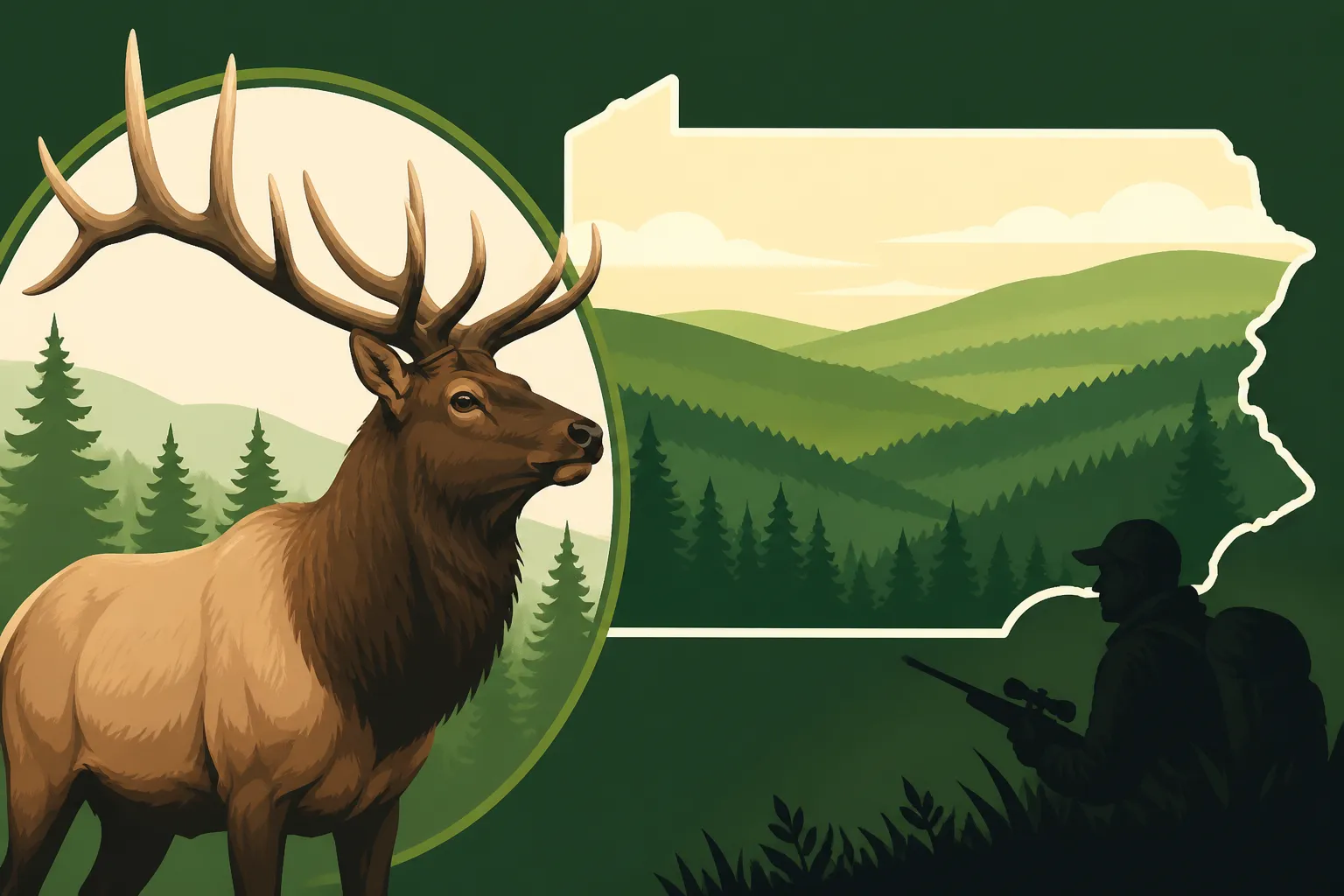
How Many Elk Pennsylvania Has
It's easy to wonder exactly how many majestic elk truly roam our wild corners here in Pennsylvania, especially when you hear those incredible stories of hunters seeing them or even drawing a coveted tag. Understanding the actual size of our herd, where they live, and the remarkable journey they've taken to thrive can feel a bit like trying to solve a puzzle if you're not plugged into the right resources. This guide is here to unravel that mystery, providing you with the most current insights into Pennsylvania's thriving elk population, how these numbers are tracked, and the dedicated efforts that ensure their continued presence in the Commonwealth.
Current Pennsylvania Elk Population
Pennsylvania’s elk herd is a true conservation success story, and the numbers reflect decades of dedicated effort. Hunters and wildlife enthusiasts alike are often curious about the precise count, especially as the herd expands its range. It’s not just about a single number; it's about a dynamic population that fluctuates slightly year to year based on various environmental and management factors.
Latest Estimates and Trends
The Pennsylvania Game Commission conducts annual surveys to estimate the total elk population, providing crucial data for managing the herd. These estimates usually place the total population well into the hundreds, with a general trend of steady, controlled growth. What's truly remarkable is that these numbers represent a species that was once completely extirpated from the state. The goal isn't just to have elk, but to maintain a healthy, sustainable population that balances ecological needs with human interests, including hunting and wildlife viewing. The exact figure changes, of course, but the commitment is always to keep the herd robust.
When we talk about trends, it's generally positive. You might hear about increases in specific areas or slight dips in others due to factors like winter severity or calf survival rates, but the overall picture is one of a healthy and expanding population. This sustained growth is a testament to the habitat work and strict management practices in place. For those hoping to someday draw a tag or simply witness these magnificent animals, knowing the population is thriving is incredibly encouraging, especially if you're digging into statistics to gauge your odds. Many dedicated hunters use detailed data and analysis, often found on platforms like GoHunt, to understand these trends and plan their application strategies for a chance at a highly sought-after permit.
How the Game Commission Monitors the Herd
Counting wild animals, especially those that inhabit dense forests and rugged terrain like our Pennsylvania elk, is no small feat. The Pennsylvania Game Commission employs a multi-faceted approach to get the most accurate population estimates possible. This isn't just someone driving around with binoculars; it involves sophisticated techniques and boots-on-the-ground dedication.
A significant part of the monitoring involves aerial surveys conducted, typically, during late winter when snow cover makes elk more visible against the landscape and deciduous trees have shed their leaves. Teams fly over known elk habitat, systematically counting individuals and noting their locations. This method provides a broad snapshot of the herd's distribution and density. In addition to aerial counts, ground crews play a vital role. They spend countless hours in the field, observing elk, tracking their movements, and collecting biological samples. These efforts help refine the population estimates and provide insights into herd health, age structure, and reproduction rates. Furthermore, mandatory check stations during the hunting seasons provide direct data from harvested animals, contributing to a clearer picture of the herd’s vitality and management effectiveness. All of this combined data gives wildlife biologists the information they need to set harvest quotas and manage the elk effectively, ensuring the long-term health of the herd.
Historical Context: How Elk Returned to Pennsylvania
The story of elk in Pennsylvania is one of dramatic loss and incredible resurgence, a powerful testament to conservation efforts. Understanding where we are today requires looking back at the journey of these magnificent animals.
The Vanishing Herd
Like many large game species across North America, elk faced immense pressure during the colonial and post-colonial periods. Unregulated hunting, coupled with widespread habitat destruction as forests were cleared for agriculture and timber, pushed the eastern elk subspecies to the brink of extinction. By the mid-19th century, the last native wild elk in Pennsylvania was believed to have been killed. Imagine a Pennsylvania without elk – for many generations, that was the reality.
The loss was significant, removing a crucial component of the state's natural heritage. This period serves as a stark reminder of the impact human activities can have on wildlife populations. It wasn't until well into the 20th century that serious efforts began to right this historical wrong and bring elk back to their ancestral lands, demonstrating a profound shift in conservation philosophy from exploitation to preservation and restoration.
Reintroduction Efforts and Early Successes
The journey to bring elk back to Pennsylvania began in the early 1900s. Recognizing the ecological void left by their absence, conservationists and the Pennsylvania Game Commission initiated a reintroduction program. This involved purchasing elk from other states, primarily from the western United States, and releasing them into suitable habitats in north-central Pennsylvania. It was a bold undertaking, not without its challenges.
The initial releases were carefully planned, focusing on areas with abundant forage and cover, primarily within what we now know as the "Pennsylvania Wilds." The early years were critical, as biologists worked to ensure the transplanted elk could adapt to their new, yet historically familiar, environment. These initial releases were surprisingly successful, with the elk slowly establishing a foothold and beginning to reproduce. This success laid the groundwork for the thriving herd we see today, paving the way for the Elk in the Pennsylvania Wilds to become a reality and a point of pride for the Commonwealth. The careful management of these first generations was crucial in preventing a second disappearance.
Elk Distribution Across the Commonwealth
While Pennsylvania’s elk herd is growing, their distribution isn't uniform across the entire state. They tend to concentrate in specific regions that offer the ideal mix of habitat, food, and cover.
The Core Elk Range
The heart of Pennsylvania’s elk country is undoubtedly centered in the north-central part of the state. This expansive region, often referred to as the "Elk Capital," includes parts of Elk, Cameron, Clinton, Clearfield, and Potter counties. This area is characterized by vast tracts of state forest and game lands, interspersed with private timber holdings and agricultural fields. It’s a mosaic of regenerating clearcuts, mature hardwoods, and open fields, providing diverse forage and excellent bedding areas.
Within this core range, certain localities are particularly renowned for their elk concentrations. Areas around Benezette, Winslow Hill, and Sinnemahoning are famous for elk viewing, especially during the fall rut when bull elk bugle. These concentrations mean that if you're planning a trip to experience Elk Viewing in Pennsylvania, this is where you'll want to focus your efforts. This core range provides everything a large animal like an elk needs to thrive: secure cover, ample water, and a variety of food sources throughout the year. The success of the herd within these boundaries has allowed for natural expansion into surrounding areas.
Expanding Territories and Satellite Herds
As the elk population has grown and established itself firmly in its core range, individuals and small groups have naturally begun to expand into adjacent territories. While the primary concentration remains in the core, evidence of elk presence has been documented in neighboring counties, sometimes quite a distance from the traditional hotbeds. These are often referred to as "satellite herds" or pioneering individuals exploring new grounds.
This expansion is a natural sign of a healthy and robust population. It means that optimal habitats might be nearing carrying capacity in some core areas, prompting elk to seek out new, less crowded pastures. While these outlying populations are generally smaller and more scattered, they represent potential new areas of elk habitation in the future. For hunters interested in pursuing elk, understanding these subtle shifts in distribution can be key, as some limited hunting opportunities may arise in these expanding areas. When researching for a potential tag, knowing the Pennsylvania Elk Hunt Zones and their specific boundaries is absolutely critical, as these zones define where you can legally hunt should you be lucky enough to draw a tag.
Factors Influencing Elk Numbers and Management
Managing a large, iconic species like the elk requires constant attention to a multitude of factors, from habitat quality to disease prevalence and the role of hunting. It's a complex ecosystem of interactions that wildlife biologists meticulously monitor.
Habitat Management for Elk
High-quality habitat is the bedrock of any thriving wildlife population, and Pennsylvania’s elk are no exception. The Game Commission, in cooperation with the Department of Conservation and Natural Resources (DCNR) and private landowners, actively manages vast areas of forestland to create ideal conditions for elk. This isn’t just about leaving the woods alone; it's about active, science-based intervention.
Habitat management often involves strategic timber harvesting to create regenerating clearcuts, which provide vital browse and cover for elk. These young forest habitats are critical food sources, offering tender shoots, leaves, and forbs that elk forage on, especially in spring and summer. Food plots, planted with clover, grasses, or corn, are also established in key areas to supplement natural forage, particularly during lean winter months. Additionally, efforts are made to protect and enhance riparian zones, ensuring access to water and diverse plant life. All these activities contribute directly to the health and carrying capacity of the land, helping to sustain the current Pennsylvania Elk Herd Size and Range and ensure future growth. Without these deliberate interventions, the herd would struggle to maintain its current numbers.
The Role of Hunting in Population Control
Hunting plays a critical, scientifically-backed role in the management of Pennsylvania's elk herd. While the opportunity to hunt elk is incredibly sought after – as evidenced by the intense interest in the Pennsylvania Elk Licence Application – it’s not just about recreational pursuit. It's a vital tool for wildlife management.
Each year, a limited number of elk licenses are issued through a lottery system. These licenses are carefully allocated based on the previous year’s population surveys and the health of the herd within specific elk hunt zones. The objective of regulated hunting is to manage herd size, maintain a healthy bull-to-cow ratio, and prevent overpopulation, which could lead to habitat degradation and increased conflicts with landowners. By controlling the population through hunting, the Game Commission helps to ensure that the elk herd remains robust and sustainable for future generations. The revenue generated from license sales also directly funds elk research, habitat improvements, and enforcement efforts, making hunters direct contributors to the species' welfare. Knowing the Pennsylvania Elk Draw Odds is a major part of the application process for many, and these odds are directly tied to the herd's health and the number of tags issued. For serious applicants, tools from services like GoHunt offer detailed statistics and analysis on draw odds for specific units, helping them make informed decisions when applying for the limited number of tags.
Chronic Wasting Disease and Other Health Concerns
Like any wildlife population, Pennsylvania’s elk are susceptible to various health challenges, with Chronic Wasting Disease (CWD) being a significant concern. CWD is a fatal neurological disease that affects cervids (deer, elk, moose) and has been detected in wild deer populations in certain parts of Pennsylvania. While CWD has not yet been detected in Pennsylvania’s wild elk herd, the threat is ever-present, and extensive monitoring is in place.
The Game Commission takes proactive measures to prevent CWD from establishing itself in the elk range, including surveillance testing of harvested animals and strict regulations regarding the movement of deer and elk carcasses from CWD Disease Management Areas. Beyond CWD, elk can also face other health issues, such as parasites, respiratory illnesses, and injuries from vehicle collisions. Biologists continuously monitor the herd for signs of disease or distress, implementing management actions as needed to maintain overall herd health. The robust nature of the herd, as seen in the current How Many Elk Pennsylvania Has data, is a direct result of these ongoing health and management efforts.
Pennsylvania Elk Population: A Snapshot Over Time
To truly appreciate the comeback of Pennsylvania's elk, it's helpful to visualize the journey from extirpation to a thriving population. While precise historical numbers are hard to pinpoint, especially for the pre-reintroduction era, we can certainly see the trajectory.
| Period | Estimated Population (Approximate) | Key Event |
|---|---|---|
| Mid-1800s | 0 (Extirpated) | Last native wild elk killed |
| Early 1900s | 0 – 200 | First reintroductions begin |
| Mid-20th Century | 200 – 500 | Herd establishing, slow growth |
| Late 20th Century | 500 – 700 | Habitat management intensified |
| Early 21st Century | 700 – 1000+ | Herd stabilized, hunting opportunities |
| Recent Years | Consistently 1000+ | Managed growth, expanding range |
Note: These are generalized estimates based on historical accounts and Game Commission data. Exact numbers fluctuate year to year.
This table vividly illustrates the incredible conservation success story that the Pennsylvania elk herd represents. From a state completely devoid of wild elk, we now boast a healthy and actively managed population that is a source of pride for both hunters and wildlife enthusiasts. The journey continues, with ongoing habitat work and careful management ensuring these magnificent animals continue to roam the Wilds for generations to come. For those looking to learn more about the annual application process, details on the Pennsylvania Elk Application Dates are typically released well in advance by the Pennsylvania Game Commission.
Disclaimer
This article is for general informational purposes only and does not constitute professional advice. Laws, prices and regulations vary by location and change over time. Consult a qualified professional for guidance on your specific situation.