Pennsylvania Ruffed Grouse Numbers Today
For anyone who remembers the glory days of Pennsylvania ruffed grouse hunting, the current state of affairs can feel pretty disheartening. That exhilarating flush, the thunderous wings, the quick shot through thick cover – these moments seem rarer and rarer these days, leaving many of us wondering, "Where have all the grouse gone?" This guide aims to shed light on the reality of ruffed grouse numbers in Pennsylvania today, exploring the factors contributing to their decline and what this means for hunters and conservationists alike.
The Troubling Reality of Pennsylvania Ruffed Grouse Numbers Today
It's no secret among Pennsylvania hunters that our beloved state bird, the ruffed grouse, isn't as abundant as it once was. The drumming that once echoed frequently through the spring woods and the explosive flushes that would startle even the most seasoned bird hunter have become increasingly less common. This isn't just a feeling based on anecdotal experience; biologists and game managers have been tracking a significant downward trend in grouse populations for decades. It's a tough pill to swallow for those of us who grew up chasing these wild pheasants of the woods.
This decline isn't a sudden drop but rather a gradual erosion, like water wearing down a stone. We see it in the field, our dogs work harder for fewer birds, and the silence in once-vibrant grouse covers can be deafening. The frustration is palpable, especially for those who cherish the tradition of Grouse Hunting Pennsylvania Cover. It forces us to confront a new reality, one where success isn't measured just by birds in the vest, but by the sheer opportunity to even encounter one of these magnificent creatures.
What the Numbers Tell Us (and Don't)
While specific statewide population counts for ruffed grouse are notoriously difficult to ascertain due to their elusive nature and the vastness of their habitat, trends are clear from various surveys. Drumming counts, for example, which measure the number of male grouse drumming in the spring, have shown a consistent decline across much of the state. These aren't just dry statistics; they're indicators of a real loss in the woods. When the number of drumming males drops, it’s a direct reflection of fewer birds breeding, which in turn leads to fewer birds in the fall.
Beyond drumming counts, hunter harvest success rates also paint a grim picture. We're simply not seeing the harvest numbers we once did, nor are we flushing as many birds per hour of hunting effort. This isn't because hunters are less skilled or less dedicated; it's because the birds themselves are fewer and farther between. What the numbers don't always fully convey, however, is the emotional impact this decline has on the hunting community – the sense of loss for a tradition and a species that defines a significant part of Pennsylvania's hunting heritage. This makes the hunt for grouse a quest not just for birds, but for glimpses of a past abundance.
The Echoes of Silence in the Grouse Woods
Imagine walking through what you remember as prime grouse habitat – a dense thicket of young saplings, briars, and conifers, precisely the kind of cover where a bird would burst out with a heart-stopping flush. Now, picture that same cover, but instead of the expected explosion of wings, there's just… silence. This is the reality many hunters are facing. The "echoes of silence" are not just figurative; they represent a tangible absence of sound and life in areas that once teemed with grouse.
This quiet isn't limited to specific regions; it's a phenomenon felt across many of Pennsylvania's traditional grouse ranges, from the northern tier down into the central mountains. The once-reliable pockets of birds that generations of hunters depended on are often empty. This lack of interaction, of even seeing a bird, takes a toll on the spirit of the grouse hunter. It transforms a pursuit built on quick reflexes and sharp senses into an exercise in patience and often, disappointment, fundamentally altering the experience of chasing Pennsylvania's most iconic game bird.
Understanding the Decline: Key Factors at Play
The reasons behind the significant downturn in Pennsylvania's ruffed grouse population are complex and multifaceted, not attributable to any single cause. It’s a perfect storm of environmental changes, disease, and habitat shifts that have collectively put immense pressure on this iconic species. Understanding these factors is crucial for both hunters and conservationists who are invested in the future of grouse in the Keystone State. It's not just about pointing fingers, but about identifying the challenges so we can work towards solutions.
Habitat Loss and Fragmentation
Perhaps the most significant driver of the decline in grouse numbers is the ongoing loss and fragmentation of their preferred habitat: young, regenerating forest. Ruffed grouse are not creatures of mature, open timber; they thrive in dense, early-successional woodlands created by logging, fires, or other disturbances. This thick cover provides essential protection from predators and ample food sources. Unfortunately, Pennsylvania's landscape has seen a considerable reduction in this vital habitat.
Much of our forest land has matured, leading to a landscape dominated by older, more open timber. While beautiful, this mature forest simply doesn't offer the dense escape and nesting cover grouse need to survive and reproduce successfully. Furthermore, development and human expansion have fragmented remaining suitable habitat, creating smaller, isolated pockets of grouse cover that are less resilient to pressures. This means birds can't easily move between areas, making them more vulnerable. Learning about Why Young Forest Matters to Grouse really puts this into perspective.
The Shadow of West Nile Virus
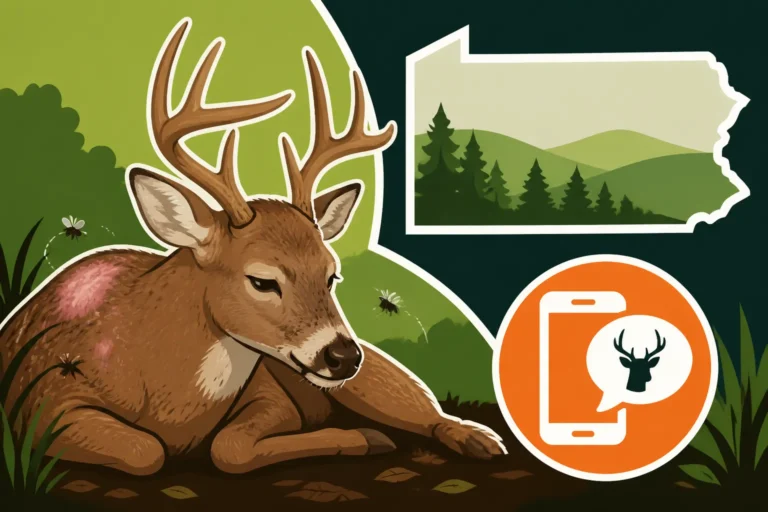
In recent years, one of the most concerning and impactful factors in the grouse decline has been the emergence and spread of West Nile Virus (WNV). This mosquito-borne illness, while often associated with humans, has had a devastating effect on ruffed grouse populations. Research has indicated that grouse are particularly susceptible to WNV, with studies showing high mortality rates among infected birds. This is a cruel blow to a species already struggling with habitat.
The virus is especially problematic because it directly impacts the birds' health and survival, particularly in areas where mosquito populations are high. Unlike habitat issues that can be addressed through management, WNV is a widespread environmental threat that is incredibly difficult to control. It adds an invisible, insidious layer of pressure, making it harder for grouse numbers to rebound even when habitat is available. Understanding West Nile Virus and Pennsylvania Grouse is key to grasping the severity of this issue.
Other Environmental and Predation Pressures
Beyond habitat and WNV, several other factors contribute to the challenging situation for ruffed grouse. Changes in climate patterns, leading to unpredictable spring weather, can negatively impact nesting success and chick survival. Late frosts or prolonged cold, wet periods during the critical hatching phase can decimate young broods. While grouse are hardy, their reproductive cycle is finely tuned to specific environmental cues that can be disrupted.
Predation is also a constant pressure. While natural predation by hawks, owls, foxes, and coyotes is a normal part of the ecosystem, fragmented habitats and lower grouse densities can exacerbate its impact. With fewer safe havens, individual birds become more exposed. Additionally, competition with other species, changes in food availability, and even lead exposure from old shot can play a role, albeit typically smaller, in the overall decline. It’s a perfect storm of challenges, making it tough for Whether Pennsylvania Grouse Can Recover.
What Hunters Can Expect and How to Adapt
Given the current state of Pennsylvania's ruffed grouse population, hunters need to adjust their expectations and strategies. The days of easily finding multiple flushes in a morning hunt are largely behind us in many areas. However, this doesn't mean the pursuit is without reward. It simply shifts the focus from quantity to quality, from a full game bag to the sheer joy of the flush and the appreciation of wild places. The dedicated grouse hunter will still find opportunities, but they require more effort and a deeper understanding of the birds' current habits.
Adjusting Expectations and Strategies
First and foremost, temper your expectations. A successful grouse hunt today might mean a single flush, or even just seeing good sign. The primary goal often becomes finding birds, not necessarily harvesting them. This mindset shift is vital to avoid frustration and maintain enjoyment in the field. Embrace the hunt for the experience, the time spent with your dog, and the challenge of reading the subtle signs of the woods.
When it comes to strategy, focus intensely on quality habitat. This means seeking out those pockets of young forest, clearcuts, dense regrowth, and thick riparian zones that still provide ideal cover. Don't be afraid to explore new areas, using mapping tools like those found on GoHunt to identify potential new covers. Old logging roads, forgotten clearcuts, and areas actively managed for timber can be goldmines. Mobility is key; be prepared to cover more ground to find fewer birds, and consider Hunting Pennsylvania Clearcuts and Regrowth as a primary tactic.
| Factor Affecting Grouse | Impact on Population | Hunter Strategy Adaptation |
|---|---|---|
| Habitat Loss | Reduced Cover/Food | Seek out young forests, clearcuts, dense brush |
| West Nile Virus | Increased Mortality | Focus on robust habitat, reduce pressure on marginal areas |
| Predation Pressure | Higher Vulnerability | Hunt dense cover for better flushes, reduce disturbance |
| Climate Variability | Impact on Broods | Adjust hunting times/locations based on local conditions |
| Low Density | Fewer Encounters | Increase scouting effort, cover more ground, temper expectations |
Supporting Grouse Conservation Efforts
As hunters, we have a vital role to play not just in adapting our methods, but in actively supporting the recovery of ruffed grouse. Conservation organizations like the Ruffed Grouse Society (RGS) are at the forefront of habitat management efforts, advocating for and implementing projects that create the early-successional forest grouse need. Contributing to these groups, either through membership, donations, or volunteer work, directly aids grouse habitat restoration.
Furthermore, being an informed and responsible hunter contributes to conservation. Report any sick birds you encounter to the Pennsylvania Game Commission. Be mindful of your impact on the land and follow all regulations to ensure sustainable hunting. Even sharing your observations and experiences with local wildlife agencies can provide valuable data. Our passion for grouse hunting gives us a powerful voice to advocate for their future. This commitment extends beyond the season, into year-round stewardship of the land where we hunt small game.
Looking Towards the Future: Hope on the Horizon?
While the current outlook for Pennsylvania ruffed grouse numbers might seem bleak, there is always hope, particularly through dedicated conservation efforts and the resilience of nature itself. The decline has spurred significant research and management initiatives aimed at understanding the threats and implementing strategies for recovery. It's a long road, but one that many passionate individuals and organizations are committed to traveling.
Collaborative Conservation Initiatives
Various groups, including the Pennsylvania Game Commission, the Department of Conservation and Natural Resources (DCNR), and non-profit organizations like the Ruffed Grouse Society, are working together on collaborative initiatives. These efforts primarily focus on habitat management, recognizing that restoring and creating early-successional forest is paramount. Projects include targeted timber harvests on State Game Lands and Hunting Pennsylvania State Forests to promote regrowth, as well as prescribed burns and other forest management techniques.
These initiatives are long-term investments. Forests don't regenerate overnight, and it takes years for newly cut areas to develop into prime grouse cover. The commitment from these agencies and organizations, supported by hunting license dollars and private donations, provides a foundation for future grouse populations. Using resources like GoHunt can sometimes highlight areas where active timber management is taking place, giving hunters a heads-up on potential future hotspots.
The Role of the Dedicated Grouse Hunter
The individual grouse hunter, like you and me, has a crucial role in this future. Beyond supporting conservation organizations, our actions in the field and our advocacy off it can make a difference. Continuing to hunt grouse, even when numbers are low, keeps the tradition alive and signals to wildlife agencies that this species remains important to the hunting public. This sustained interest helps ensure funding and resources are directed towards grouse management.
Engage with your local Game Commission wildlife biologists; attend public meetings; voice your support for habitat projects. Share your knowledge and passion responsibly. Every time you step into the woods, particularly when Scouting Pennsylvania Public Land Before Season, you become an extra set of eyes and ears, helping to monitor conditions and identify potential areas for improvement. The future of Pennsylvania's ruffed grouse depends on a collective effort, and the dedicated hunter is an indispensable part of that team.
Disclaimer
This article is for general informational purposes only and does not constitute professional advice. Laws, prices and regulations vary by location and change over time. Consult a qualified professional for guidance on your specific situation.