Pennsylvania Bear Denning Behaviour
One of the most elusive aspects of understanding Pennsylvania's black bear population is their mysterious denning behavior. For many hunters and outdoor enthusiasts, knowing when, where, and why bears choose their winter retreats can feel like cracking a secret code. This guide aims to demystify bear denning in our great state, offering insights into their winter habits, how to identify denning areas, and what it all means for appreciating and pursuing these incredible animals.
Understanding Bear Denning in Pennsylvania
Black bears don't truly "hibernate" in the same deep, unresponsive way some smaller mammals do. Instead, they enter a state of torpor, a lighter sleep where their body temperature drops, heart rate slows, and metabolism significantly decreases, but they can still be aroused. This annual period of denning is crucial for their survival, especially during the lean winter months when food is scarce.
The Rationale Behind Denning
Imagine trying to find enough calories to sustain a large body mass when the forest floor is covered in snow, berries are long gone, and acorns are buried or eaten. That's the challenge Pennsylvania's black bears face every winter. Denning is their ingenious solution. By hunkering down and slowing their bodily functions, they conserve energy stored as fat reserves, allowing them to endure months without eating, drinking, or defecating.
This isn't just a simple nap. It's a physiological marvel that enables survival. For pregnant sows, denning is even more critical. They give birth to tiny, helpless cubs in the warmth and safety of the den, nursing them through the harshest part of winter before emerging in the spring. Without a secure den, cub survival rates would plummet, directly impacting the overall health and population of our Pennsylvania's Black Bear Population.
Types of Bear Dens You Might Encounter
Pennsylvania's diverse landscape offers a variety of suitable denning locations, and bears are incredibly opportunistic when it comes to choosing their winter homes. You won't find a one-size-fits-all bear den; they adapt to what's available.
Here are some common types:
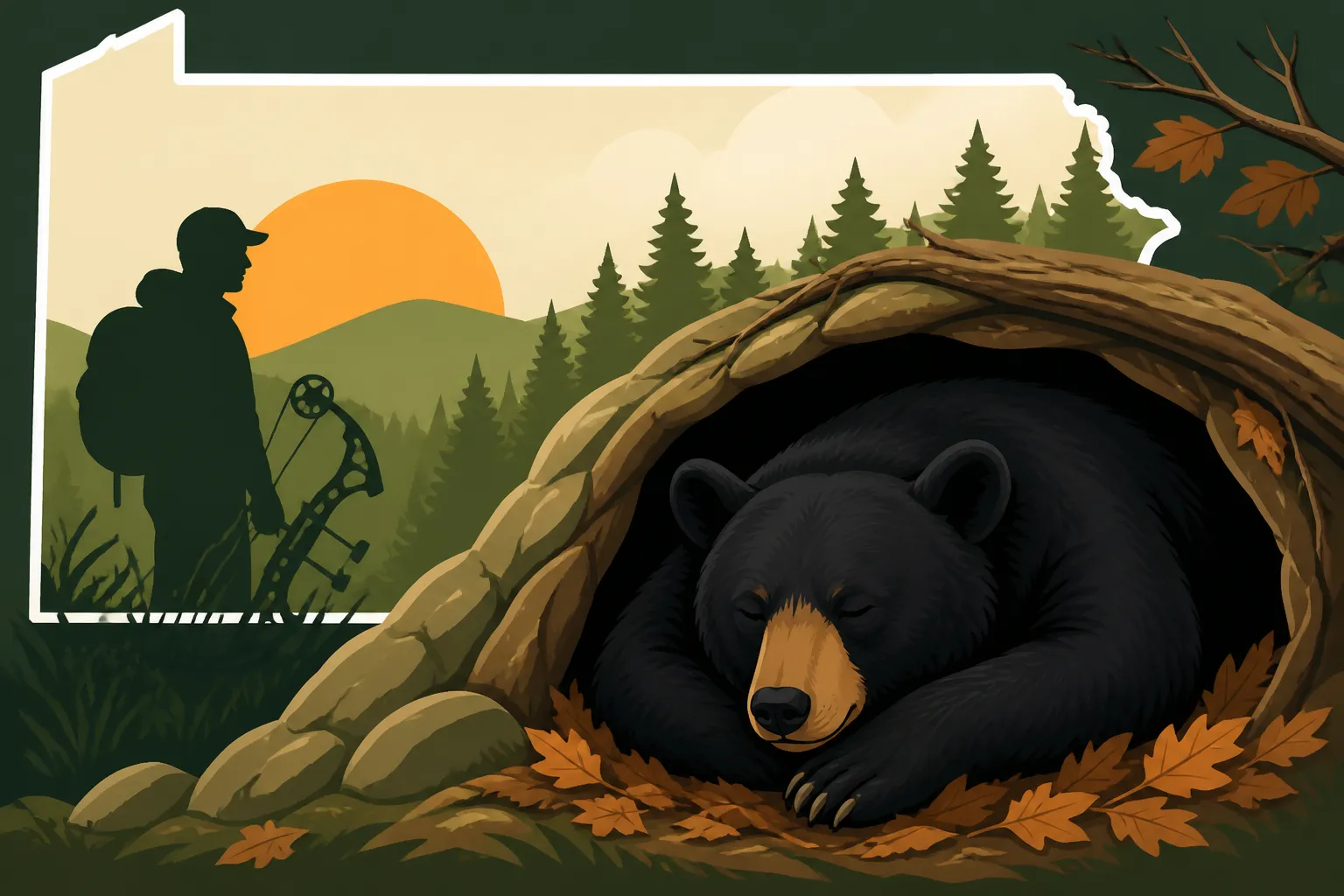
- Rock Caves and Crevices: These are classic, natural dens. Many of our state's mountainous regions, like those found in the Big Woods, are riddled with rock outcrops, jumbles of boulders, and small caves. Bears will often enlarge these natural features with excavation, making them snug and secure. These dens offer excellent insulation from cold and wind.
- Hollow Logs or Trees: Especially in older growth timber, you might find bears denning inside large, hollow logs on the ground or even in the hollowed-out bases of very large, old trees. These provide natural protection and can be surprisingly spacious inside.
- Brush Piles and Blowdowns: Never underestimate a bear's ability to make a home out of seemingly chaotic places. Large, dense brush piles, often created by logging operations or storm damage, provide enough cover and insulation for a bear to burrow into. Similarly, a thick tangle of roots and trunks from a large blowdown can offer excellent shelter.
- Ground Nests: Sometimes, particularly in milder winters or for boars (male bears) who might den less rigorously than sows with cubs, a bear might simply excavate a shallow depression in the ground, often under the roots of a fallen tree or beneath a thick evergreen, and then pull leaves, moss, and branches over themselves for insulation. These are less secure but require less effort.
- Culverts and Other Man-Made Structures: While less common, bears are adaptable. In areas closer to human activity, a bear might utilize a large culvert under a road or another secluded man-made structure if it provides adequate cover and protection from the elements.
When you're out Scouting Pennsylvania Public Land Before Season, particularly in areas known for bears, keeping an eye out for these potential den structures can give you a better understanding of local bear activity, even if it's months before they actually move in.
When and Where Pennsylvania Bears Den
Understanding the timing and preferred locations for bear dens is key, whether you're a hunter trying to pattern their movements or just an observer hoping to catch a glimpse of nature's rhythm.
The Seasonal Timelines for Denning
The exact timing of when Pennsylvania black bears hit their dens can vary a bit each year, influenced by a few critical factors:
- Food Availability: This is perhaps the biggest driver. As the natural food sources like acorns, beechnuts, and berries diminish in late fall, bears' internal clocks tell them it's time to find a den. If there's an unusually abundant late-season food crop, some bears might linger longer. Conversely, an early, harsh winter could push them into dens sooner.
- Weather Conditions: Sustained cold temperatures and deep snow definitely accelerate the denning process. A sudden cold snap can send bears scurrying for shelter, whereas a mild fall might delay it.
- Sex and Age: Pregnant sows are typically the first to den, often by late November or early December, to ensure a safe, warm environment for their cubs, which are born in January or February. Younger bears and adult boars might den later, sometimes even into mid-December or early January, and may emerge earlier in the spring. Boars also tend to have less secure dens or even just shallow "nests" compared to the elaborate setups of pregnant sows.
| Factor | Typical Denning Onset | Typical Emergence | Notes |
|---|---|---|---|
| Pregnant Sows | Late November/Early Dec | Mid-March/April | First in, last out; prioritize safety and warmth for cubs. |
| Other Adult Sows | Early to Mid-December | Late March/April | Depend on food/weather, often follow pregnant sows. |
| Adult Boars | Mid-December/Early Jan | Mid-March/April | May den later and emerge earlier; less rigorous den choice. |
| Yearlings | Mid-December | Late March/April | Often den with their mother if still part of a family unit. |
| Harsh Winter | Earlier Denning | Later Emergence | Extreme cold/snow reduces food, increases energy demand. |
| Mild Winter | Later Denning | Earlier Emergence | Extended food availability can delay denning. |
This general timeline provides a framework, but remember, every bear is an individual, and environmental conditions vary year to year across our vast state. When you're considering Pennsylvania Black Bear Hunting, understanding these patterns can help you anticipate where bears might be moving as the season progresses into colder weather.
Preferred Denning Habitats and Locations
Bears are looking for safety, seclusion, and insulation. So, when you're trying to figure out where they might hole up, think like a bear.
Here are some typical Pennsylvania environments where you're likely to find dens:
- Steep, Remote Hillsides and Ridges: Bears love steep terrain. It offers natural drainage, makes it harder for predators (and humans) to access, and often provides numerous rock outcrops and fallen timber. You'll often find dens on north-facing slopes, which retain snow longer and stay colder, discouraging early emergence, or on very steep, thick south-facing slopes, which can catch the sun for warmth. When you're out Hunting Pennsylvania's Big Woods for Deer, you're often in prime bear denning country.
- Thick Understory and Conifer Stands: Areas with dense rhododendron, mountain laurel, or thick stands of hemlock or pine offer exceptional thermal cover and visual seclusion. A bear can disappear into these thickets, and a den tucked within them is virtually invisible from even a short distance. This is why Finding Bear Sign in Mountain Laurel can be such a good indicator of nearby activity.
- Areas with Abundant Blowdowns: Forested areas that have experienced severe wind events or microbursts often have massive tangles of downed trees and root balls. These natural obstacles create perfect pockets for bears to excavate or simply crawl into.
- Swamps and Wetland Edges: While less common for the main den itself, the fringes of swamps and bogs can offer dense cover and unique features like cypress knees or old growth timber with hollow bases. These areas often see less human disturbance, providing the seclusion bears crave.
When using mapping tools like those from GoHunt, pay close attention to topographical lines indicating steep slopes, shaded areas representing dense cover, and areas identified as mature timber or extensive rock formations. These features often highlight potential denning real estate. Bears, particularly sows, will put significant effort into selecting a den that will protect them and their future cubs from the elements and potential threats.
Interpreting Bear Den Sign and Activity
Finding an active bear den is extremely rare and usually happens by accident, as bears are masters of camouflage and seclusion. However, knowing what to look for can help you understand general bear activity in an area or identify old, unused dens.
Identifying Active Versus Old Dens
Distinguishing between an active den and one that's been abandoned for years requires careful observation and a keen eye for subtle clues.
Signs of an Active Den:
- Fresh Excavation: If the den is dug into the ground or a bank, look for freshly turned earth, soft and darker than the surrounding soil, especially if it contrasts with leaf litter.
- Hair: Bears will often rub against the entrance or interior of their den, leaving behind coarse, black or brown hair. Look for hair caught on rough edges of rock, roots, or brush, particularly around the entrance.
- Scent: Though often faint and hard for humans to detect, a very subtle, musky "beary" odor might be present near an active den.
- Tracks or Trails: While bears might not create distinct trails directly to their den to avoid detection, you might find old tracks in soft soil or snow leading towards the general area before they become less defined as the bear tries to move stealthily.
- Condensation/Breath: On a very cold day, if you were to approach an active den very quietly, you might, with luck, see condensation or steam rising from the entrance hole, indicating the presence of a warm body inside. This is highly unlikely to be observed directly.
Signs of an Old or Inactive Den:
- Weathered Appearance: Old dens will have dirt that has settled and compacted, rocks that are covered in moss or lichen, and any wood will be rotted.
- Absence of Fresh Hair: Any hair present will be faded, brittle, or integrated into spiderwebs, indicating it's been there for a long time.
- Cobwebs and Debris: Cobwebs stretched across the entrance or heavy leaf litter and debris clogging the opening are strong indicators that the den is not currently in use.
- Overgrown Vegetation: If small plants or moss are growing within the excavated area, it's likely an old site.
Remember, a bear den is not a permanent residence. A bear might use a den for one winter and never return, or it might be reused by another bear years later. Each year, pregnant sows often seek out new, secure locations, though they might revisit a successful den site after several years. When you're out Hunting the Pennsylvania Rut in November, you might pass by what will soon become a bear's winter home without even knowing it!
Ethical Considerations When Near a Den
Encountering an active bear den, especially one with cubs, is a profoundly special and rare experience, but it comes with a significant responsibility to respect the wildlife.
- Avoid Disturbance: The absolute most important rule is to not disturb the bears. If you accidentally stumble upon an active den, back away slowly and quietly. Do not attempt to look inside, make noise, or linger. Disturbing a denning bear, particularly a sow with cubs, can cause her to abandon the den, putting the cubs' lives at risk. Cubs born in mid-winter are tiny, blind, and entirely dependent on their mother's milk and the den's warmth. Any disruption can be fatal for them.
- Safety First: While bears in torpor are generally docile, a startled bear, especially a sow protecting cubs, can be dangerous. Give them ample space.
- Report if Necessary: If you have a concern about a den, such as it being too close to human habitation or if you suspect the bears are in distress, contact the Pennsylvania Game Commission. They are the experts in managing our wildlife and can assess the situation safely and appropriately. Do not try to intervene yourself.
- Knowledge, Not Intervention: The goal of learning about denning behavior is to enhance your appreciation and understanding of bears, not to find and interact with them. Respect their need for privacy and solitude during this critical period.
Pennsylvania has regulations in place to protect wildlife, and disturbing a denning bear could lead to serious penalties. Adhering to these ethics helps ensure healthy bear populations for generations to come.
Implications for Hunters and Wildlife Enthusiasts
Understanding bear denning behavior isn't just a fascinating wildlife fact; it has practical implications for anyone who spends time in Pennsylvania's outdoors, especially hunters.
Scouting and Seasonal Movement Patterns
For hunters targeting black bears during Pennsylvania's various bear seasons, knowing about denning can be a game-changer.
- Early Season (Archery/Muzzleloader): During the early Archery and Muzzleloader Bear Tactics seasons, typically in October, bears are still actively feeding, trying to put on as much weight as possible before denning. They'll be focused on areas with abundant food sources like oaks, beech groves, and soft mast. Denning sites are not yet occupied, but bears might be moving through or near areas that will become denning habitat later on. This is a great time to be focusing on food.
- Main Firearms Season: Our main firearms bear season usually falls in November, and this is a transitional period. Many bears, particularly sows, will be seeking out or beginning to prepare their dens, while others, especially boars, might still be on the prowl for late-season food or even residual breeding opportunities. Hunting pressure, like that from Bear Drives in Pennsylvania, can push bears into dense, remote cover, which often overlaps with preferred denning habitat. Understanding that bears are preparing to den means they might be less tolerant of disturbance and moving towards more secluded spots.
- Extended Seasons: In some WMUs, extended bear seasons run into December. By this time, most bears will have entered their dens. Hunters pursuing bears in these later seasons are typically targeting those few bears that haven't denned yet, perhaps due to abundant food, mild weather, or being solitary boars. Knowing that most bears are denned means success relies on finding that outlier, often in very thick, undisturbed country where a den might be located. This is where Cold Weather Sitting Strategy becomes crucial, as bears are seeking out the thickest cover possible.
Using advanced mapping tools like GoHunt can help you scout remotely, identifying prime denning habitat—steep, rugged terrain, dense cover, and areas with rock formations—which can guide your in-person scouting efforts. Identifying these areas pre-season can help you understand potential escape routes for bears under pressure or where un-denned bears might be holding up during the late season.
Conservation and Respecting Bear Denning Areas
Beyond hunting, an appreciation for bear denning contributes to broader wildlife conservation efforts.
- Minimizing Human Impact: By understanding when and where bears den, we can minimize accidental disturbances. Hikers, cross-country skiers, and snowmobilers should be mindful of dense, remote areas during winter months. Staying on marked trails and being aware of your surroundings helps avoid unintentional encounters.
- Habitat Preservation: Protecting diverse habitats, from mature forests with old-growth trees to rugged rock formations and dense mountain laurel thickets, is essential for providing bears with suitable denning options. Forest management practices that consider wildlife habitat, like those discussed in Hunting Pennsylvania Clearcuts and Regrowth, can create future denning opportunities as new growth matures.
- Reporting Concerns: If you ever come across a bear den and have concerns (e.g., it's in a highly trafficked area, or you see signs of human disturbance), contacting the Pennsylvania Game Commission is the responsible action. They can assess the situation and take appropriate measures to ensure the bears' safety.
Our wild spaces are shared, and respecting the critical life cycles of animals like the black bear ensures that they continue to thrive in Pennsylvania for generations of hunters and wildlife enthusiasts to appreciate.
Disclaimer
This article is for general informational purposes only and does not constitute professional advice. Laws, prices and regulations vary by location and change over time. Consult a qualified professional for guidance on your specific situation.