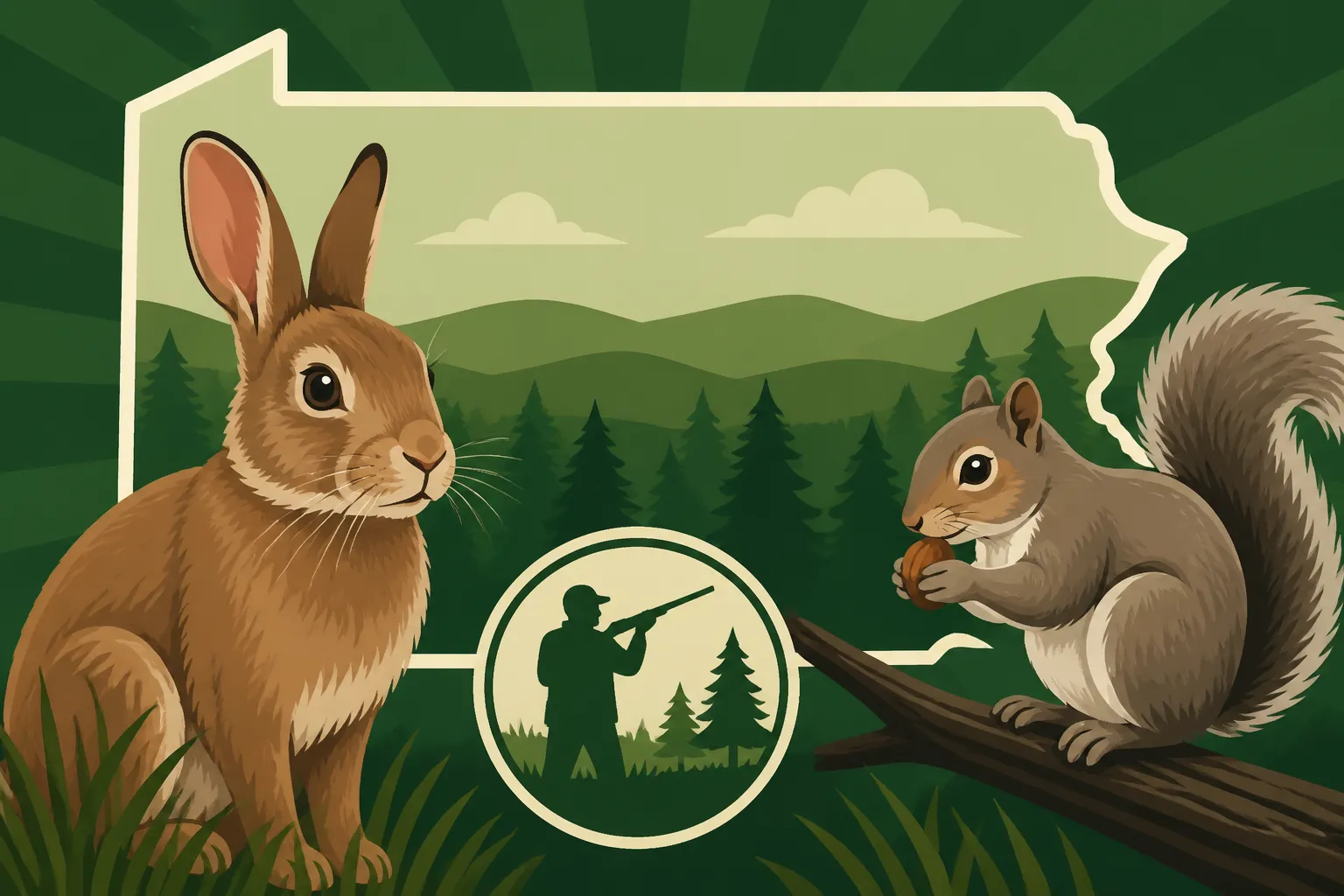
Pennsylvania Rabbit and Squirrel Numbers
It's incredibly frustrating when you head out to your favorite squirrel woods or rabbit briar patch, only to find the game seems… absent. You start to wonder if the populations are crashing, if you're doing something wrong, or if Pennsylvania's small game numbers just aren't what they used to be. This guide is here to shed some light on the current state of rabbit and squirrel populations across the Commonwealth, diving deep into what influences their numbers and what you might expect to find afield.
Understanding Small Game Population Dynamics
Small game populations, unlike some larger species, often fluctuate quite a bit year to year. This isn't necessarily a sign of a crisis, but rather a natural rhythm dictated by a complex interplay of environmental factors. For species like rabbits and squirrels, their life cycles are typically shorter, and their reproductive rates are much higher, making them highly susceptible to immediate changes in habitat, weather, and food availability. It can feel like one year the woods are teeming, and the next, it's eerily quiet, leaving hunters scratching their heads.
These fluctuations are precisely why understanding the underlying dynamics is so crucial. A mild winter followed by a bountiful mast crop can lead to a boom, while a harsh winter or a late-season frost can spell trouble for young litters and entire populations. We’re talking about a delicate balance that hunters, through their observation and participation, can actually help monitor. It's not just about what you see on your hunt, but what those sightings—or lack thereof—reveal about the health of the broader ecosystem.
The Role of Habitat in Population Health
For both rabbits and squirrels, habitat is king. Without the right kind of cover, food, and nesting sites, their numbers simply can't thrive. Rabbits, for instance, need thick, brushy areas to escape predators and raise their young. Think briar patches, overgrown hedgerows, and tangled thickets along field edges. These aren't just places to hide; they're essentially their fortresses, providing security from hawks, owls, foxes, and coyotes.
Squirrels, on the other hand, are deeply tied to mature woodlands, particularly those rich in nut-producing trees like oaks, hickories, and beeches. The canopy provides safety from ground predators, while the abundance of hard mast is their primary food source, critical for winter survival and successful breeding. A forest that's been heavily timbered, or one lacking diverse tree species, will see a corresponding decline in squirrel numbers, regardless of other factors. The specific needs of each species dictate where they can survive and thrive, and any change to that essential habitat profoundly impacts their local populations.
Pennsylvania's Cottontail Rabbit Landscape
The Eastern Cottontail is probably the most commonly recognized rabbit species in Pennsylvania, and for many, rabbit hunting is a deeply cherished tradition, often accompanied by the baying of beagles. However, the days of finding rabbits "everywhere" in many areas have shifted. Suburban sprawl and changes in agricultural practices have whittled away at some of their preferred habitats, leading to localized declines. It's a real challenge to find those classic briar patches that used to hold dozens of bunnies.
The good news is that cottontails are incredibly adaptable. They can thrive in areas where thick, early successional growth exists, even if it's in smaller pockets. This includes areas regenerating from timber cuts, power line rights-of-way, and the edges of overgrown fields. Finding these spots is key to a successful rabbit hunt today. It takes a bit more scouting and sometimes a willingness to explore less obvious locations, but the rewards are still there for those who put in the effort.
Preferred Rabbit Habitats and Regional Differences
Pennsylvania’s diverse landscape means rabbit numbers can vary significantly from one region to another. In the farm country of southeastern Pennsylvania, you’ll often find cottontails tucked into fencerows, brushy creek bottoms, and the edges of standing cornfields. These agricultural areas, while often fragmented, still provide abundant food and some decent cover if managed properly. You might be Hunting a Standing Cornfield in Farm Country or focusing on the thickets where fields meet woodlands.
Contrast this with the "big woods" regions of northern Pennsylvania, where dense, mature timber dominates. Here, cottontail numbers tend to be lower because the ideal, brushy habitat is less common. However, even in these areas, rabbits will congregate in recent clearcuts or areas of dense regeneration where sunlight reaches the forest floor, creating that critical low-level cover. Using a mapping tool, perhaps one with features similar to what GoHunt offers for bigger game, can help you pinpoint these regenerating sections of public land, even if it's primarily designed for larger animals. The key is recognizing that rabbit populations directly reflect the availability of dense, shrubby cover, so if you're looking for bunnies, you need to be looking for the thick stuff.
Current Population Trends for Rabbits
Overall, Pennsylvania’s rabbit population has seen some ups and downs in recent decades. While not facing the same widespread decline as some other small game species, local populations can be highly volatile. One year, you might have a bumper crop of bunnies, thanks to a mild winter and a dry spring favoring kits. The next, a severe winter or a particularly wet spring might lead to fewer surviving young, resulting in a noticeable dip in numbers.
The Pennsylvania Game Commission (PGC) monitors these trends through various surveys, including hunter harvest reports and habitat assessments. While precise numbers can be hard to nail down for such elusive creatures, the general consensus is that where good habitat exists – those overgrown fields, brushy creek bottoms, and regenerating timber stands – rabbits continue to do well. The challenge for hunters is often finding these specific pockets, especially on public land where habitat diversity might be less consistent than on privately managed farms. It’s a testament to their resilience, but also a call for hunters to be more discerning in their scouting efforts.
Squirrel Numbers Across Pennsylvania Hardwoods
When you talk about squirrels in Pennsylvania, you're usually talking about two main species: the ubiquitous Gray Squirrel and the larger, less common Fox Squirrel. You might also encounter the smaller Red Squirrel, but they're typically less of a hunting target due to their size and often more solitary nature. Gray Squirrels are, by far, the most prevalent and represent the backbone of the squirrel hunting tradition in the Commonwealth. Their populations are generally robust, particularly in areas with mature deciduous forests.
Squirrel hunting is a fantastic way to enjoy the woods, especially for new hunters or those looking to extend their time afield after deer season. The pursuit is engaging, requires keen observation, and often results in some delicious table fare. Unlike rabbits, which can be found in more open, brushy environments, squirrels are very much a creature of the trees, making their presence a clear indicator of a healthy, mature forest ecosystem.
Gray and Fox Squirrel Habitats
Gray squirrels are most at home in mature hardwood forests, especially those dominated by oak, hickory, and beech trees. These trees provide not only the crucial hard mast – acorns, hickory nuts, and beechnuts – that makes up the bulk of their diet, but also the cavities in older trees necessary for denning and raising young. They are particularly fond of areas where there’s a good mix of species, allowing them to shift their feeding preferences based on what’s available from year to year. You might find them scampering through the branches of a dense woodlot or foraging on the forest floor beneath a productive oak ridge. Knowing how to read Cuttings Under an Oak can tell you a lot about recent squirrel activity.
Fox squirrels, while also preferring hardwoods, tend to favor more open woods, woodlots interspersed with agricultural fields, and riparian corridors. They are larger than gray squirrels and often spend more time on the ground, making them more visible. They're not as widespread as gray squirrels in Pennsylvania but can be found in good numbers in specific regions, particularly in the western and southern parts of the state where agricultural and woodland habitats intermix. Their slightly different habitat preferences mean that even if one area isn't great for gray squirrels, it might hold a healthy population of fox squirrels, or vice-versa.
Impact of Mast Crops on Squirrel Populations
The single biggest factor influencing squirrel numbers from year to year is the mast crop – specifically, the abundance of acorns, hickory nuts, and beechnuts. These hard mast crops are a critical food source, essential for squirrels to build up fat reserves for winter survival and to fuel successful breeding. A bumper mast crop in the fall almost invariably leads to higher squirrel survival rates over winter and robust breeding success the following spring, often resulting in an noticeable increase in squirrel activity during the fall hunting seasons.
Conversely, a poor mast crop can spell disaster. When natural food sources are scarce, squirrels face increased competition, higher mortality rates, and reduced reproductive success. This can lead to a significant dip in populations that might take a year or two to recover. Late spring frosts that kill nascent blossoms on oak and hickory trees are a common culprit for poor mast years. Hunters who understand this cycle often pay close attention to the health of the mast crop when planning their season, as it's a powerful indicator of where and when to focus their efforts. If you're Hunting After the Acorn Crop Fails, you'll need a different strategy.
Current Squirrel Population Health
Overall, Pennsylvania's squirrel populations, particularly gray squirrels, are considered healthy and stable in most areas with suitable habitat. While local numbers can fluctuate with mast crop availability, they are generally not experiencing the same long-term declines seen in some other small game species. The PGC's small game surveys and hunter harvest data consistently show robust numbers, reflecting the adaptability of these animals and the widespread availability of their preferred hardwood forest habitat across much of the state.
Fox squirrels are less numerous but remain stable within their preferred range. Red squirrels, while present, are typically not a species managed for hunting in the same way. For hunters, this means that if you have access to mature woods with a good mix of nut-producing trees, you're likely to find squirrels. The biggest challenge is often finding them when they are actively foraging, which is usually during the early morning and late afternoon hours, especially on calm, clear days.
Factors Influencing Rabbit and Squirrel Populations
Understanding the broad strokes of habitat and food is just the beginning. The actual day-to-day existence of rabbits and squirrels is a constant struggle against a variety of pressures, all of which contribute to the fluctuating numbers we see as hunters. It's a testament to their resilience that they persist as well as they do. When you're out there, every sign of a rabbit or squirrel is a little victory in the face of these challenges.
Let's break down some of the specific factors that play a significant role in their survival and reproduction. These aren't just academic points; they directly influence your hunting success and the overall health of these game species in your favorite spots.
Weather and Climate Patterns
Weather is a huge, often unpredictable, factor. For rabbits, harsh winters with deep, persistent snow can be deadly. It makes finding food difficult and movement nearly impossible, exposing them to predators. Conversely, overly wet and cold springs can be devastating for newborn kits, leading to high mortality rates. Rabbits breed multiple times a year, so a bad early litter can sometimes be offset by later, more successful ones if conditions improve, but sustained bad weather is a serious threat.
Squirrels are also impacted, though perhaps differently. A severe winter following a poor mast crop can lead to widespread starvation. Late spring frosts can kill the buds on mast trees, impacting the food supply for the following fall and winter. Heavy rainfall during breeding season can also affect nestling survival. However, squirrels are generally more robust in colder weather than rabbits, relying on their fat reserves and cached food. Extreme weather events, like prolonged droughts or severe floods, can also impact overall habitat health, creating a ripple effect on both populations.
Disease and Predation
Both rabbits and squirrels are prey species, meaning they are a vital food source for a host of predators. Coyotes, foxes, bobcats, owls, hawks, and even house cats all take their toll. While predation is a natural and necessary part of the ecosystem, an imbalance – such as an explosion in a specific predator population – can put undue pressure on small game. It's not usually the primary driver of widespread population decline, but it's a constant factor in individual animal survival.
Diseases, though less frequently discussed than for deer, can also impact small game. Tularemia, for example, is a bacterial disease that can affect rabbits and other small mammals, and can be transmitted to humans. While not typically causing massive die-offs, localized outbreaks can suppress numbers. Parasites, too, can weaken animals, making them more susceptible to predation or harsh weather. The PGC monitors for significant disease outbreaks, but typically these are not widespread enough to decimate an entire species across the state.
Habitat Fragmentation and Development
This is perhaps the most insidious long-term threat. As Pennsylvania continues to develop, particularly in its more populated southern and eastern regions, prime small game habitat is lost. Housing developments, new roads, and commercial expansion directly destroy critical areas where rabbits and squirrels live. Even when habitat isn't completely destroyed, it can become fragmented, breaking up contiguous areas into smaller, isolated pockets.
This fragmentation makes it harder for animals to move between areas to find food, mates, or escape pressure, leading to genetically less diverse and more vulnerable populations. For rabbits, it means fewer continuous fencerows and briar patches. For squirrels, it means isolated woodlots where they can't easily disperse. While Pennsylvania is fortunate to have vast amounts of public land, development on private lands surrounding these areas can still impact overall small game health, reducing the "carrying capacity" of the landscape.
How the PGC Monitors Small Game
The Pennsylvania Game Commission (PGC) plays a crucial role in managing and conserving all wildlife in the Commonwealth, and small game is no exception. While deer and bear often grab the headlines, the PGC dedicates significant resources to understanding and managing rabbit and squirrel populations. Their efforts are vital for ensuring healthy, sustainable hunting opportunities for future generations. It’s not an exact science, but a continuous process of data collection and analysis.
They rely on a variety of methods, blending scientific surveys with invaluable input from hunters like us. This integrated approach helps them paint the most accurate picture possible of small game numbers and the factors affecting them.
Hunter Harvest Surveys and Data Collection
One of the most important tools the PGC uses is the annual hunter harvest survey. Every year, hunters are required to report their harvests, including rabbits and squirrels. This data, compiled from thousands of individual reports, provides a broad-scale overview of harvest trends across different Wildlife Management Units (WMUs). While not a direct population count, it's a strong indicator of population health. If harvest numbers are consistently declining in a particular WMU, it signals a potential issue that warrants further investigation.
This self-reported data, combined with other survey methods, helps the PGC track long-term trends, identify areas where populations might be struggling, and inform their management decisions. It’s why those harvest reports, even for a single squirrel or a couple of rabbits, are so important. Every piece of data contributes to a larger picture. You can even see how they use this information to estimate Pennsylvania Rabbit and Squirrel Numbers over time.
Field Surveys and Habitat Assessments
Beyond hunter-submitted data, PGC biologists and wildlife technicians conduct their own field surveys. For rabbits, this might involve spotlight counts at night or pellet count transects to estimate density. For squirrels, it often includes mast crop surveys in the fall to predict winter survival and breeding success. They also conduct habitat assessments, evaluating the quality and quantity of suitable cover and food sources in different areas. This hands-on work in the field provides direct observations that complement the broader harvest data.
These assessments are particularly critical for identifying areas where habitat improvements might be beneficial. If a certain type of cover is consistently lacking in an area with low rabbit numbers, for example, the PGC might implement habitat management projects, such as creating brush piles or conducting controlled burns to promote early successional growth. This proactive approach is essential for maintaining robust populations in a changing landscape.
Collaborations and Citizen Science
The PGC also collaborates with various conservation groups, universities, and private landowners to gather additional data and implement habitat projects. These partnerships extend the reach of their efforts and bring diverse expertise to the table. They also encourage citizen science initiatives, where hunters and outdoor enthusiasts can report observations of wildlife, which can help fill in gaps in data collection.
For instance, participation in programs like the Pennsylvania Bowhunters Association’s Mast Survey or general observations during your own scouting trips can provide valuable anecdotal information. While not scientific data, consistent reports of excellent mast crops or a noticeable increase in squirrel activity in certain areas can often align with formal survey results and help PGC biologists target their efforts more effectively. It’s a collective effort to keep our small game populations healthy.
Here’s a quick overview of some key differences and considerations for hunting rabbits and squirrels:
| Feature | Eastern Cottontail Rabbit | Gray & Fox Squirrel |
|---|---|---|
| Primary Habitat | Thick brush, briar patches, overgrown fields, fencerows | Mature hardwood forests (oak, hickory, beech) |
| Key Food Source | Grasses, forbs, bark, twigs, some agricultural crops | Hard mast (acorns, hickory nuts, beechnuts), fungi, buds |
| Population Drivers | Cover availability, winter severity, spring rainfall | Mast crop abundance, den tree availability, winter survival |
| Hunting Method | Often with beagles, still hunting, jump shooting | Still hunting, stalking, sitting and waiting |
| Prime Time | Early morning, late afternoon; overcast days | Early morning, late afternoon; calm, clear days |
| Season Length | Generally long, extending into late winter | Generally long, extending into late winter |
| Challenges | Finding dense cover, predation | Locating mast, being quiet and patient |
Hunting Strategies Based on Population Trends
Knowing the ins and outs of rabbit and squirrel populations isn’t just for biologists; it's invaluable for hunters too. Understanding these trends can dramatically influence your strategy, helping you to pinpoint the most productive areas and maximize your time afield. It's about adapting your approach to what the landscape is offering in a given year.
Even if overall numbers are down in one region, there might still be pockets where local conditions favor higher concentrations of game. This requires a bit more intentional scouting and a willingness to be flexible, but it's part of the challenge and reward of small game hunting.
Adapting to Mast Crop Fluctuations for Squirrels
The mast crop is your roadmap for squirrel hunting. In years with an abundant acorn or hickory crop, squirrels will be more widespread and active, often feeding heavily on the ground to cache food. This means you can often find them in nearly any woodlot with mature trees. Focus your efforts on the edges of large timber blocks or smaller woodlots adjacent to fields. During these bumper years, the squirrels will often be less wary, as food is plentiful and competition is lower.
In lean mast years, squirrels will concentrate their activity in areas where food is available. This might mean shifting your focus from oak flats to isolated hickory groves, or even looking for less conventional food sources like pine cones, buds, or fungi. During these years, squirrels will be more competitive, more mobile, and often more wary, requiring greater patience and stealth. Using a mapping application like GoHunt, you can identify different tree species in your hunting area, helping you to zero in on specific stands of oaks, hickories, or beeches that might still be holding mast during a generally poor year. It's about finding those overlooked resources.
Targeting Specific Habitats for Rabbits
For rabbits, the strategy is all about habitat. If you're seeing fewer rabbits in your usual haunts, it likely means that habitat has degraded or shifted. Look for new areas of early successional growth: recent timber cuts, abandoned farm fields that are growing up into brush, power line rights-of-way, or even older, neglected orchards. These areas often provide the dense cover and varied food sources that rabbits need.
When still-hunting for rabbits, focus on pushing through these thickets slowly and deliberately. If hunting with dogs, try to find continuous strips of cover rather than isolated patches, as this gives the beagles more room to work and keeps the rabbits on the move. Even small, brushy creek bottoms can hold surprisingly good numbers of rabbits. Remember, rabbits often won't venture far from their dense cover, so if you're not finding them, you're probably not in the right kind of thick stuff.
Timing Your Hunts for Success
Beyond habitat and food, understanding daily and seasonal patterns can improve your odds. For squirrels, the best hunting is almost always early in the morning, shortly after sunrise, and again in the late afternoon before sunset. On calm, clear days, they will be out foraging more actively. Overcast or slightly drizzly days can also be productive, but heavy rain or strong winds often keep them denned up. Learning about Squirrel Hunting Pennsylvania Hardwoods can give you a lot of practical tips.
Rabbits also tend to be most active during the early morning and late afternoon. On cold, bright winter days, they might bask in sunny spots within their cover. Overcast days, especially those with light snow, can also be excellent, as the snow helps to dampen sound and reveal fresh tracks. Hunting after a fresh snow can reveal where rabbits are feeding and bedding, allowing you to fine-tune your approach. Regardless of the species, being in the woods during these prime activity windows significantly increases your chances of encountering game.
Disclaimer
Please note that hunting regulations, season dates, and license requirements in Pennsylvania can change. Always consult the official Pennsylvania Game Commission Digest or their website for the most current and accurate information before planning any hunting trip. This guide is for informational purposes only and should not replace official sources.