Pennsylvania Hunters Sharing the Harvest
It's incredibly frustrating when you've had a successful deer season, maybe even filled a second tag, and you're staring down a freezer full of venison, wondering if you have more than your family can realistically consume. Or perhaps you're simply driven by the desire to give back to your community. This guide is here to walk you through the various ways Pennsylvania hunters can share their harvest, whether that's with neighbors, friends, or formal programs that help feed those in need, ensuring none of that hard-earned venison goes to waste.
The Heart of the Harvest: Why Sharing Venison Matters
There's a deep-rooted tradition in hunting that extends far beyond the moment of the shot – it's about the sustenance, the community, and the respect for the animal. For many Pennsylvania hunters, sharing the bounty of a successful hunt is just as important as the hunt itself. It’s a way to honor the animal, to nourish others, and to solidify the bonds that make our hunting heritage so rich.
Community and Connection Through Wild Game
When you bring a deer home, you're not just bringing meat; you're bringing a story, a connection to the wild, and a healthy, organic food source. Sharing this with others, whether it's the delicious venison chili you make for a potluck or carefully packaged steaks for a friend, fosters a real sense of community. It’s a tangible way to share your passion and the fruits of your labor. I know countless hunters who feel immense satisfaction seeing their friends and family enjoy venison they provided. It's a connection that processed food just can't replicate. It often opens doors for conversations about hunting, conservation, and the importance of wild places, helping to bridge gaps with those who might not understand our way of life.
Supporting Deer Management and Conservation Efforts
Sharing your harvest, especially through established venison donation programs, plays a quiet but crucial role in wildlife management right here in Pennsylvania. Our state relies heavily on hunters to manage deer populations, which helps maintain healthy ecosystems and reduces conflicts with agriculture and motorists. When you harvest a deer, particularly an antlerless one, you're directly contributing to these management goals. By then donating that venison, you amplify the positive impact of your hunt. You're not just reducing local deer numbers; you're also putting high-quality protein on the tables of families who might otherwise struggle to afford it. It's a win-win scenario that demonstrates the incredible value hunters bring to our state's natural resources and communities.
Different Avenues for Sharing Your Venison
Once you've successfully harvested a deer in Pennsylvania, the opportunities to share that bounty are plentiful. From informal sharing with your close circle to organized statewide donation efforts, there's a path for every hunter's generosity.
Informal Sharing: Friends, Family, and Neighbors
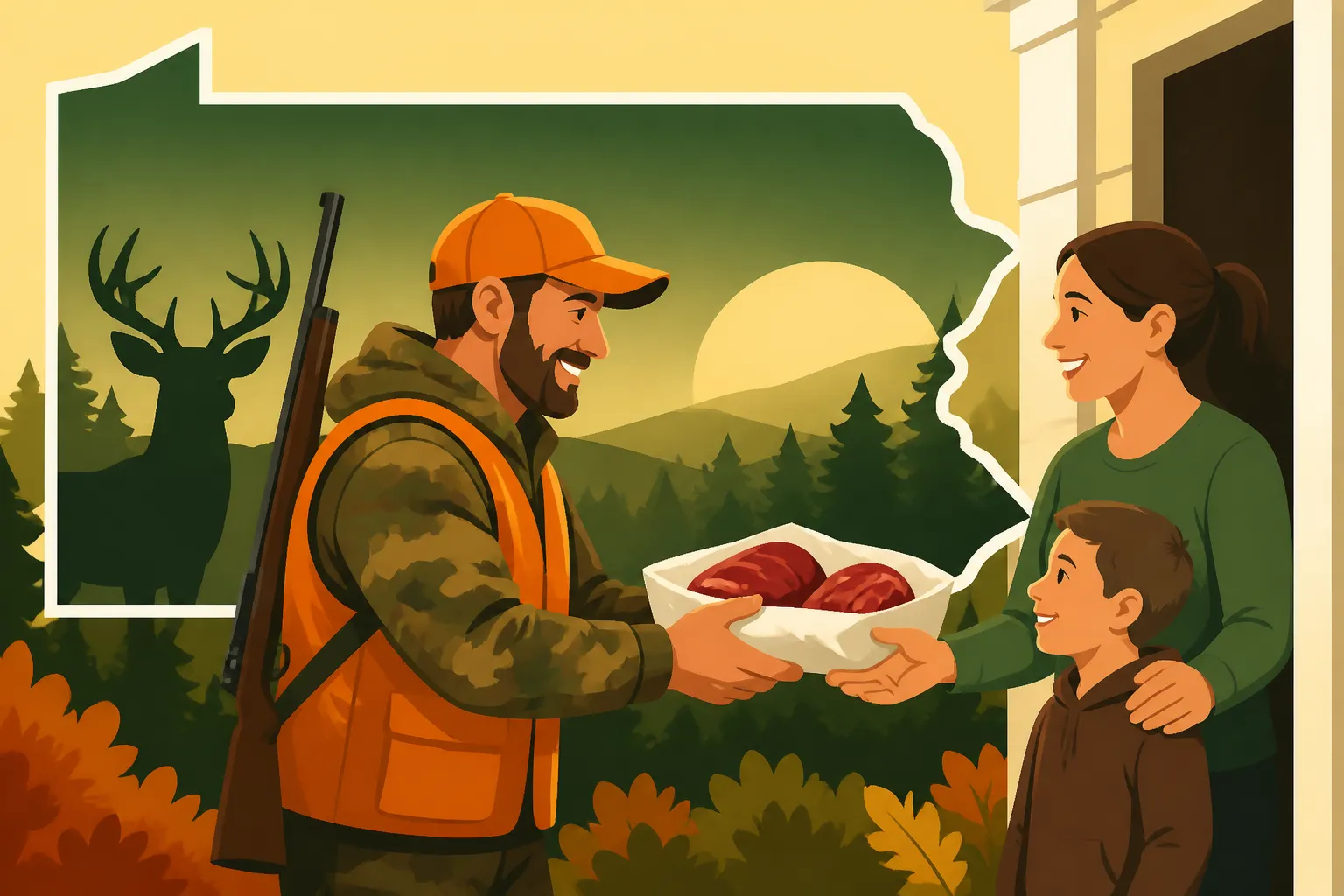
The most common way hunters share their harvest is directly with those they know and trust. It's simple, personal, and incredibly rewarding. Maybe your neighbor helps you track a deer, or your uncle always appreciates a good venison roast. There's no paperwork or specific rules beyond ensuring the meat is handled safely and legally. When I've had a particularly good season, I often think of friends who are going through a tough time or who simply love wild game but don't hunt themselves. A package of fresh venison, maybe some ground meat for burgers or chili, can make a real difference and strengthen those relationships. Just remember to communicate with anyone you're giving meat to, ensuring they understand it's wild game and how to properly store and prepare it.
Formal Venison Donation Programs
For those who want to extend their generosity even further, Pennsylvania boasts a robust system of formal venison donation programs. These programs act as a bridge, connecting hunters with hungry individuals and families across the state. Organizations like Hunters Sharing the Harvest (HSH) are stalwarts in this effort, working with processors and food banks to distribute millions of pounds of venison annually. The beauty of these programs is that they streamline the process: you drop off your field-dressed deer at a participating processor, and they handle the rest. This ensures the meat is processed to strict health standards and gets to where it's needed most efficiently. It's an incredible service, making it easy for any hunter to contribute to a larger cause. This is where organizations like GoHunt can be useful, not directly for donation, but in helping hunters find areas with a good deer population, increasing their chances of filling multiple tags which can then be used for donation.
Preparing Your Harvest for Sharing or Donation
Proper meat care begins the moment the animal is down. Whether you're sharing with family or donating to a program, the quality of the venison depends entirely on how it's handled from field to freezer. Neglecting any step can result in tough, gamey, or even spoiled meat, which defeats the purpose of sharing.
Field Dressing and Initial Cooling
The absolute first step to ensuring high-quality venison is prompt and thorough field dressing. As soon as the deer is down, get those entrails out. This allows the carcass to cool rapidly, which is critical for preventing bacterial growth, especially on warmer early archery days. If you're hunting in warmer weather, getting the deer to a processor or a cooler packed with ice as quickly as possible is paramount. For those brisk November days, you might have a bit more leeway, but rapid cooling is still the goal. Field Dressing a Deer in Cold Weather offers some great tips for colder conditions. Think of it like this: the sooner you get the heat out of that deer, the better the meat will taste, and the safer it will be for consumption by others.
Processing Options: DIY or Professional
After field dressing, you have a couple of choices for processing. Many hunters, myself included, enjoy the satisfaction and cost savings of butchering their own deer. This gives you complete control over cuts and packaging. If you're going this route, make sure you have a clean workspace, sharp knives, and a plan for how you'll cut and package everything. Butchering a Deer at Camp provides a good starting point for those looking to do it themselves. However, if you're donating your deer to a program like Hunters Sharing the Harvest, using a participating professional processor is usually required. They have the necessary equipment, expertise, and certifications to ensure the meat meets all health and safety standards for public distribution. Even if you're just sharing with friends, a professional butcher can provide perfectly cut, vacuum-sealed packages that make sharing easy and appealing. Some hunters use resources like GoHunt to plan their hunts, and while GoHunt focuses on mapping and scouting, that same planning can extend to identifying nearby certified processors before the season even begins, saving you a scramble after a successful hunt.
Packaging and Storage for Optimal Quality
The way you package and store venison is just as important as how it's field-dressed and cut. For sharing with friends and family, vacuum sealing is by far the best option. It removes air, preventing freezer burn and extending the shelf life of the meat significantly. If vacuum sealing isn't an option, use heavy-duty freezer paper or thick freezer bags, squeezing out as much air as possible before sealing. Label everything clearly with the cut of meat and the date it was processed. This ensures that whoever receives your venison knows exactly what they're getting and can use it before its quality diminishes. Proper storage means the venison you share in January tastes just as good as it did when you processed it in November.
Navigating Venison Donation Programs in Pennsylvania
Donating your deer to feed the hungry is a deeply impactful act, but it does come with a specific set of guidelines and procedures to ensure food safety and efficient distribution. Understanding these steps will make the process smooth and rewarding.
Finding Participating Processors
The first step in donating your venison is to find a participating meat processor. Programs like Hunters Sharing the Harvest (HSH) maintain a network of approved butchers across Pennsylvania. These processors are crucial because they handle the cutting, grinding, and packaging of the venison according to stringent health department standards. You can usually find an up-to-date list of participating processors on the HSH website. It’s always a good idea to call ahead to the processor you plan to use, especially during busy hunting seasons, to confirm their hours, any specific requirements they might have, and their current capacity. They might also advise on any forms or tagging information you need to bring with you. Being prepared means less stress for you and the processor.
Understanding the Costs Involved
While your generous donation of venison is priceless, there can be a small fee associated with processing the deer. Hunters Sharing the Harvest works hard to subsidize these costs, but a nominal contribution from the hunter often helps cover the processing expenses. Think of it as a small investment in a huge charitable impact. These fees vary by processor and by the size of the deer, so it's another good reason to call your chosen processor beforehand to get an estimate. Sometimes, local groups or even the processor themselves might cover these fees, but it's important to be aware that some cost may be involved. The value of providing healthy, lean protein to those in need far outweighs this modest expense. Donating Venison in Pennsylvania goes into more detail about how these programs operate.
Legalities and Tagging Requirements
Pennsylvania has clear rules for tagging and reporting your deer harvest, and these apply whether you're keeping the meat, sharing it, or donating it. After you harvest a deer, you must immediately attach your valid kill tag to the ear. Within 24 hours (or 10 days for mentored youth/adults or for extended seasons like late archery), you need to report your harvest to the Game Commission. Pennsylvania Deer Tagging Requirements details these obligations. When donating, the processor will record your tag information as part of their intake process, ensuring all legal requirements are met. You cannot donate venison if it has not been legally harvested and tagged. This system ensures accountability and helps the Game Commission accurately track harvest data, which is vital for managing our state's deer population. For those looking to increase their chances of a successful donation, good scouting with tools like GoHunt can help locate productive areas, potentially allowing you to fill Filling a Second Antlerless Tag specifically for donation purposes.
The Broader Impact of Hunter Generosity
The act of sharing your venison reaches far beyond the immediate exchange of food. It weaves a tapestry of community support, reinforces the positive image of hunting, and offers invaluable nutritional benefits to those who receive it. Every hunter who participates helps strengthen this vital chain of generosity.
Nourishing Families and Communities
Perhaps the most direct and heartwarming impact of sharing venison is providing high-quality, lean protein to families and individuals facing food insecurity. Many people rely on food banks and charitable organizations to supplement their diets, and venison offers a nutritious alternative to commercially processed meats. For a child, a venison stew or a burger made from donated deer meat might be one of the most wholesome meals they receive all week. It's not just about filling stomachs; it's about providing healthy fuel for growing bodies and minds. This direct impact on human well-being is a powerful testament to the compassion within the Pennsylvania hunting community.
Promoting a Positive Image of Hunting
In a world where hunting is sometimes misunderstood, the act of sharing your harvest with those in need shines a bright, positive light on our traditions. It demonstrates that hunting isn't solely about the individual pursuit of game, but also about responsibility, stewardship, and generosity. When non-hunters see the tangible benefits of venison donation, it can help dispel negative stereotypes and foster a greater appreciation for hunters' contributions to conservation and society. I've often found that once people try wild game and understand its source, their perceptions about hunting begin to shift. Programs that support Donating Venison in Pennsylvania are truly excellent ambassadors for the entire hunting community.
Nutritional Benefits of Wild Game
From a dietary perspective, venison is a powerhouse. It's incredibly lean, low in fat and cholesterol, and packed with protein, iron, and B vitamins. In an era where healthy food options can be expensive and hard to come by for many, wild game offers a superior nutritional profile. Unlike most commercially raised meats, venison is free of added hormones or antibiotics, providing a truly natural and wholesome option. By sharing this healthy food, hunters are not just feeding people; they are contributing to better public health outcomes, one meal at a time. It’s a remarkable benefit that often goes unheralded but is deeply appreciated by recipients.
Practical Considerations for Sharing Your Harvest
While the spirit of generosity is paramount, successful sharing and donation of venison also involves some practical logistical considerations to ensure everything goes smoothly and legally.
Tracking Your Harvest for Future Planning
Whether you're targeting a second deer for donation or simply managing your family's freezer space, keeping good records of your harvest can be invaluable. Knowing what you've taken, when, and from which WMU (Wildlife Management Unit) helps you track your personal progress and plan future hunts. Tools like GoHunt or even a simple hunting journal can assist with this. This kind of record-keeping becomes even more critical if you're aiming to fill multiple tags, perhaps specifically to contribute to donation programs. Pennsylvania Deer Harvest Records are important for the state, but your own personal records can inform your generosity and ensure you always have enough for your family while still being able to give back.
Securing Additional Antlerless Tags
Many hunters find that after filling their own freezer, they have the capacity and desire to harvest additional deer specifically for donation. In Pennsylvania, this often means securing additional antlerless deer licenses. These tags are WMU-specific, and their availability can vary greatly depending on where you hunt. Planning ahead and applying for these licenses early, especially for popular WMUs, is key. Understanding Pennsylvania Antlerless Deer Licences Explained is crucial here. Sometimes, if you're hunting on private land, you might also have access to Deer Management Assistance Program (DMAP) permits, which provide additional harvest opportunities in specific areas. These extra tags are often the backbone of substantial venison donations, allowing hunters to contribute even more generously.
Educating Recipients on Handling Wild Game
One often-overlooked aspect of sharing venison is ensuring the recipient knows how to properly handle and cook it. Wild game can be different from store-bought beef or chicken, particularly in its leanness. Providing simple tips on thawing, cooking temperatures, and even a few favorite recipes can make a huge difference in the recipient's experience. Explain that venison cooks faster due to its low-fat content and that marinating can enhance flavor and tenderness. A positive first experience with wild game can turn a hesitant recipient into a lifelong fan. This small act of education can make your generous donation even more impactful and ensure that the venison is truly enjoyed.
Table: Venison Sharing Options at a Glance
Here's a quick look at the different ways you can share your hard-earned venison in Pennsylvania, along with some key considerations for each.
| Sharing Option | Description | Key Advantages | Potential Considerations |
|---|---|---|---|
| Direct Sharing | Giving cuts of venison to friends, family, or neighbors. | Personal connection, no formal paperwork, immediate gratification. | Requires personal processing/packaging, no tax deduction. |
| Formal Donation Programs | Dropping off a legally harvested deer at a participating processor for charity. | Professional processing, broad community impact, often tax-deductible. | May involve a processing fee, specific tagging/reporting rules. |
| Community Events/Potlucks | Using venison in dishes for shared meals (e.g., chili, burgers). | Enjoyment with larger groups, promotes understanding of wild game. | Requires cooking expertise, need to ensure food safety for crowds. |
| Hunting Camp Contributions | Sharing processed meat among members of a hunting camp. | Strengthens camp bonds, divides labor/cost, shared experience. | Requires agreement on cuts, fair distribution, storage at camp. |
Disclaimer:
This article is for general informational purposes only and does not constitute professional advice. Laws, prices and regulations vary by location and change over time. Consult a qualified professional for guidance on your specific situation.