Lake Erie Waterfowl Access Points
Hunting the vast, open waters of Lake Erie for waterfowl in Pennsylvania can feel like a completely different world compared to jump-shooting a small creek or setting up in a cut cornfield. Many hunters feel intimidated by the sheer scale of the lake, unsure where to even begin looking for public access or how to safely navigate the challenging conditions. This guide aims to demystify waterfowl hunting on Lake Erie, providing you with the practical knowledge to find access points and confidently pursue ducks and geese along Pennsylvania's unique shoreline.
Understanding the Lake Erie Waterfowl Landscape in Pennsylvania
Lake Erie is a truly unique hunting environment in Pennsylvania. It's not just a big lake; it's an inland sea, capable of producing conditions that demand respect and preparation. Unlike the calmer waters of inland rivers or smaller lakes, Erie's waves can quickly build, and its weather patterns can shift without warning. This dramatic backdrop, however, is precisely what makes it such an incredible draw for waterfowl. The sheer expanse of water attracts a diverse array of migratory birds, from fast-flying diver ducks to robust geese.
The Allure and the Challenges of Big Water Hunting
The allure of Lake Erie waterfowling lies in its potential for incredible shoots, especially for diver ducks like scaup, canvasbacks, and goldeneyes, which often prefer these wide, open water bodies. When the migration is on, and the weather is just right, you can find yourself amidst incredible numbers of birds. There's a certain thrill to watching a flock of bluebills cup their wings and commit to your spread on such a vast stage. The open water also provides a sense of wildness that's harder to find on smaller, more accessible hunting grounds.
However, these opportunities come with significant challenges. Safety is paramount on Lake Erie. The water can turn from calm to treacherous in a matter of minutes, making reliable boats, emergency gear, and keen attention to weather forecasts absolutely non-negotiable. Cold, wet conditions are amplified by the open exposure, demanding superior Clothing for a Pennsylvania December and Waders for River Duck Hunting (which are equally critical here). Beyond safety, simply finding birds on such a massive body of water requires extensive scouting and understanding of their patterns, which can be dramatically different from those of typical puddle ducks. It's a commitment, but the rewards for those who embrace the challenge are often unforgettable.
Key Waterfowl Species You'll Encounter
Lake Erie, being part of the Atlantic Flyway, sees a wide variety of migratory waterfowl pass through its waters. While you might encounter some puddle ducks, the lake is primarily known for its diver duck hunting. These birds feed on aquatic vegetation and invertebrates in deeper waters, making the open lake and its bays ideal habitats. Species like Redheads, Canvasbacks, and Goldeneyes are prized trophies, known for their speed and challenging flight patterns. You'll also likely encounter different species of scaup, often called "bluebills," which can arrive in impressive numbers.
Beyond divers, you'll find healthy populations of local and migratory Canada geese, especially around agricultural fields bordering the lake and in the calmer bays. Mallards and Black Ducks will often frequent the shallower, marshier edges and river mouths that feed into the lake. Even the occasional merganser or bufflehead will dart past your decoys. Understanding the specific habits and preferred habitats of these different species is crucial for successful hunting, helping you choose the right access point and deploy appropriate tactics. For a broader look at the birds moving through, check out Pennsylvania Waterfowl on the Atlantic Flyway.
Prime Public Access Points Along Pennsylvania's Lake Erie Shoreline
Finding a good spot to launch a boat or set up a shore blind can be one of the biggest hurdles for new Lake Erie waterfowlers. Thankfully, Pennsylvania has dedicated resources and locations to help hunters gain entry to this expansive waterway. While some areas are well-known, others require a bit of local knowledge or keen map-reading skills to discover. It's always a good idea to scout these areas thoroughly before the season to understand the terrain, water depths, and potential blind locations.
State Parks and Game Lands Offering Boat and Shore Access
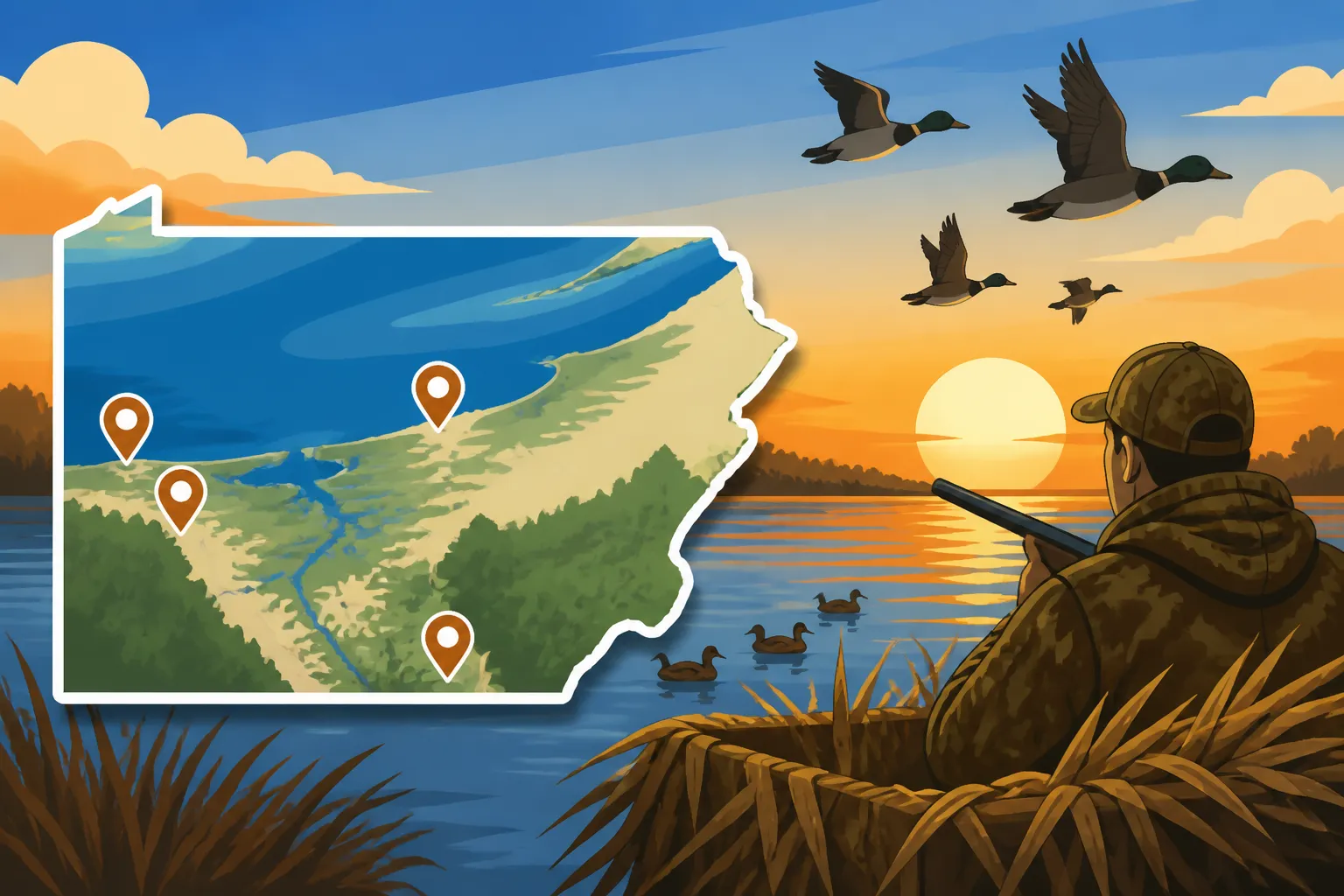
Pennsylvania offers several excellent public access points along its Lake Erie shoreline, managed by the state's park system and Game Commission. These locations often provide boat launches, parking, and regulated hunting opportunities.
- Presque Isle State Park: This iconic peninsula offers incredible opportunities, but it's important to know the specific regulations. While much of the park is closed to hunting, certain areas are designated for waterfowl. These areas often require specific permits and adhere to strict safety zones. Access usually involves launching a boat from designated ramps within the park or nearby marinas. It's an excellent area for both diver and puddle ducks, especially in the calmer waters of the interior bays, but intense hunting pressure can be a factor. Always check current park regulations and hunting zones before planning your trip.
- State Game Lands 314 (Erie County): This Game Land offers critical access points to Lake Erie, particularly on the eastern side of the city of Erie. It often provides both shoreline hunting opportunities and boat launches for accessing open water. These Game Lands are actively managed for wildlife, including waterfowl, and can be a fantastic resource. The key here, as with all public lands, is understanding the specific boundaries and any special regulations that might apply. Utilizing mapping tools like onX Hunt can be incredibly helpful here to clearly see property lines and identify potential hunting zones, saving you time and preventing accidental trespass.
- North East Marina and Other Private/Public Marinas: While not strictly Game Lands or State Parks, many smaller municipal or private marinas along the Erie shoreline offer public boat launches for a fee. These can be strategic starting points for accessing open water hunting areas. Remember that access from these points means you're launching into the open lake, and safety considerations become even more critical.
Smaller Launches and Undeveloped Areas
Beyond the major state-managed areas, there are numerous smaller, often less-developed access points that experienced waterfowlers might use. These can offer less crowded hunting, but they also typically come with fewer amenities and may require more effort to access.
- River Mouths and Estuaries: The mouths of creeks and smaller rivers that flow into Lake Erie can be excellent for puddle ducks and often provide natural cover for shore blinds. Places where Walnut Creek, Elk Creek, or other smaller tributaries enter the lake can be productive. Access here might be via small boat launches or by walking in, but always be mindful of private property boundaries. Again, a tool like onX Hunt is invaluable for identifying these less obvious access points and ensuring you're on public land or have secured proper permission.
- Undeveloped Shoreline: There are stretches of undeveloped shoreline, particularly east and west of Erie city, that can offer walk-in opportunities. These spots are usually more challenging to access, potentially involving navigating rough terrain or steep banks. Success in these areas often depends on finding natural points or small coves where ducks might seek shelter from the main lake's waves. Always prioritize safety, especially when walking along slippery, rocky shorelines in cold weather.
- Islands and Shoals: For hunters with larger, stable boats, accessing some of the more distant islands or shoals in Lake Erie can be incredibly productive for diver ducks. These areas require significant boating experience and safety precautions due to their exposure to the full force of the lake. They often attract large rafts of divers resting and feeding in deeper water. Always consult nautical charts and respect any no-hunting or restricted zones around these features.
| Access Point Type | Best For | Key Considerations | Pros | Cons |
|---|---|---|---|---|
| State Parks (e.g., Presque Isle) | Divers, Puddle Ducks, Geese | Specific hunting zones, permits, varied access | Established launches, amenities | High pressure, restrictive rules |
| State Game Lands (e.g., SGL 314) | Divers, Puddle Ducks, Geese | Clear boundaries, diverse habitat, boat launches | Dedicated hunting land, good habitat | Can be crowded, remote sections |
| Municipal/Private Marinas | Open Water Divers | Launch fees, reliance on boat, safety critical | Convenient boat launching | Cost, crowds at launch, limited shore access |
| River Mouths/Estuaries | Puddle Ducks, Geese | Private property concerns, shallower water | Good for dabblers, natural cover | Limited boat access, private land issues |
| Undeveloped Shoreline | Mixed species | Rough terrain, limited amenities, scouting crucial | Less pressure, wild experience | Difficult access, safety concerns |
| Offshore Islands/Shoals | Divers | Advanced boating skills, navigation, weather reliance | Excellent diver hunting potential | High risk, demanding equipment |
Essential Gear and Tactics for Lake Erie Waterfowlers
Hunting Lake Erie is not like hunting a farm pond. The sheer scale and power of the water dictate a different approach to gear and tactics. Your setup needs to be robust, reliable, and above all, safe. From your decoy spread to your clothing, everything must be able to withstand the elements and function flawlessly when that crucial moment arrives.
Decoy Spreads and Calling Strategies for Big Water
On Lake Erie, "more is often better" when it comes to decoys, especially for diver ducks. Large, visible spreads are key to attracting birds from a distance across the open water. Think in terms of dozens, if not hundreds, of decoys, including diver species like scaup, canvasbacks, and redheads, arranged in specific patterns. A common tactic is a "J" or "fishhook" spread, where the main body of decoys extends out from your blind, and a hook or pocket is created downwind, funneling birds into shooting range. Adding a few confidence decoys like Canada geese or even a large swan decoy can help grab attention. It's also vital to use heavy-duty anchor lines and weights to prevent your spread from drifting or getting tangled in heavy chop.
Calling on Lake Erie can be a nuanced art. While loud hailing calls are important to get birds' attention from afar, once they commit, subtle quacks and clucks are often more effective for puddle ducks, and diver calls are more about enticing them closer. Unlike in a timber hole, where a single quack might bring a mallard flying through the trees, on Erie, you're competing with natural sounds of wind and waves. A good electronic caller, used within legal limits, can also be a game-changer for attracting birds across vast distances. Remember that Duck Migration Timing Through Pennsylvania heavily influences what species you'll encounter and therefore what calls might be most effective.
Safety Considerations and Equipment
Safety on Lake Erie cannot be overstated. Before every trip, check the marine weather forecast meticulously. Wave heights, wind speed, and water temperature are critical. A small craft advisory means you stay home. Your boat must be seaworthy, well-maintained, and equipped with all required safety gear: life jackets for everyone on board, a throwable flotation device, navigation lights, a sound-producing device (horn or whistle), fire extinguisher, and a reliable bilge pump. Consider carrying a marine VHF radio for communication, especially if cell service is spotty offshore – and trust me, it can be.
Beyond the boat itself, personal safety gear is crucial. Wear your life jacket at all times, especially when moving around in the boat or deploying decoys. Dress in layers, prioritizing waterproof and insulating materials, as hypothermia is a real and dangerous threat if you go overboard. A dry bag with extra warm clothing, a first-aid kit, and an emergency signal (flares or a strobe light) should always be with you. Familiarize yourself with legal shooting hours for Pennsylvania deer but remember that for waterfowl, these hours can be different and are strictly enforced.
Clothing and Comfort in Open Water Conditions
The exposed nature of Lake Erie hunting means you'll be subjected to wind, cold, and spray, even on what might seem like a mild day ashore. Proper layering is absolutely critical. Start with moisture-wicking base layers to keep sweat off your skin. Mid-layers of fleece or wool provide insulation. Your outer layer must be completely waterproof and windproof. A good quality parka and bibs designed for waterfowl hunting are essential. Many hunters find a layout boat blind or a boat blind with a full cover invaluable for shielding themselves from the elements.
Insulated, waterproof boots are non-negotiable, and many hunters opt for chest waders even when hunting from a boat, as they provide an extra layer of warmth and protection from spray. Neoprene gloves or mittens are also key to keeping your hands warm and functional. Consider hand warmers for those truly frigid days. Staying dry and warm directly impacts your endurance and your ability to safely operate your boat and firearm. Being uncomfortable isn't just unpleasant; it can be dangerous on big water.
Planning Your Lake Erie Waterfowl Hunt
Successful Lake Erie waterfowling isn't just about showing up with a boat and decoys. It requires careful planning, starting long before the season opens, and a thorough understanding of the regulations specific to migratory birds. The more homework you do, the higher your chances of a safe and successful hunt.
Scouting and Understanding Waterfowl Movements
Scouting is paramount for Lake Erie. This isn't just driving around looking for ducks; it's about observing patterns, understanding feeding areas, and identifying resting spots. Spend time before the season, or on days you're not hunting, glassing the lake and its shoreline. Use binoculars or a spotting scope to identify where birds are rafting up, where they're feeding (especially near river mouths or agricultural fields), and their flight paths. Pay attention to how wind direction and wave action influence where birds are located. Strong winds can push birds into more sheltered bays or behind points.
Utilize mapping resources extensively. Tools like onX Hunt can overlay property boundaries onto satellite imagery, helping you pinpoint public access and identify potential blind locations, while also marking points of interest where you've seen birds. Look for changes in water depth, submerged vegetation, or structures that might attract waterfowl. Understanding Reading Roost-to-Field Flight Lines can be adapted to Lake Erie by observing how birds move between open water resting areas and shallower feeding grounds. The migration itself is dynamic; what worked last week might not work this week. Be flexible and adapt your plans based on current conditions and bird activity.
Navigating Regulations and Permitting
Waterfowl hunting in Pennsylvania falls under both state and federal regulations, and Lake Erie often has specific considerations. First, you'll need a Pennsylvania hunting license, a migratory game bird license, and a federal duck stamp. You also must complete the HIP (Harvest Information Program) registration. Pennsylvania HIP Registration for Migratory Birds is mandatory for anyone hunting migratory birds.
Be acutely aware of specific hunting zone rules, especially around Presque Isle State Park, where certain areas may be closed or require special permits. Always check the current Pennsylvania Game Commission hunting digest for the most up-to-date information on seasons, bag limits, and any special regulations specific to the Lake Erie region. Remember that Where Nontoxic Shot Is Required in Pennsylvania is everywhere for waterfowl, so steel, bismuth, or other approved shots are a must. There are often special rules regarding how far you must be from dwellings, occupied buildings, or public roads when hunting, and these can be particularly important in areas with mixed public and private land. Double-checking all regulations before each hunt will keep you legal and safe.
Disclaimer
This article is for general informational purposes only and does not constitute professional advice. Laws, prices and regulations vary by location and change over time. Consult a qualified professional for guidance on your specific situation.