Pennsylvania’s 250-Square-Inch Orange Rule
It's incredibly frustrating when you're trying to do everything right, to stay safe and legal in the woods, but the rules around hunter orange sometimes feel like a moving target. You hear "250 square inches," but what does that really mean when you're pulling gear out of your truck before dawn? This guide will cut through the confusion, explaining Pennsylvania's hunter orange requirements so you can hit the woods with confidence, knowing you're visible and compliant.
The Importance of Blaze Orange in the Woods
Let's face it, hunting is a passion that connects us to nature, but it also carries inherent risks. One of the biggest concerns for any hunter, whether seasoned or just starting out, is safety. Being seen by other hunters is paramount, and that's where blaze orange, or fluorescent orange, comes into play. It's not just a suggestion; it's a critical safety measure designed to prevent accidents, especially in busy public hunting areas.
The Purpose of Blaze Orange
Think about the Pennsylvania woods in the fall. The leaves are a vibrant tapestry of reds, yellows, and browns. Your camo blends perfectly, which is great for hiding from deer, but terrible for being seen by other hunters. Blaze orange stands out starkly against natural backdrops, making a human form instantly recognizable to another person. Our eyes are naturally drawn to this particular shade, even in low light conditions or thick cover. It creates a stark contrast that is nearly impossible to mistake for game animals, which rarely possess such a vibrant hue. The goal is simple: ensure that every hunter can quickly identify another hunter, minimizing the chances of a mistaken identity shooting incident.
It’s about more than just avoiding being shot; it's about situational awareness for everyone. When you see a patch of orange moving through the woods, it signals "human," prompting caution and identification. This helps create a safer environment for everyone pursuing game, whether you're still-hunting a ridge or setting up for a deer drive.
Evolution of the Rule
The concept of wearing bright colors for hunting safety isn't new, but the specific regulations around hunter orange have certainly evolved over the years in Pennsylvania. What started as recommendations gradually became law, refined through experience and accident data. The Pennsylvania Game Commission, like wildlife agencies in many states, continually reviews and updates these rules to reflect current hunting practices, advancements in gear, and a persistent focus on hunter safety.
These regulations aren't just pulled out of thin air; they are based on research into visibility and human perception in varying conditions. For instance, early on, there might have been debates about what specific color was most effective, or how much material was truly necessary. Over time, the bright "blaze orange" became the standard, and minimum square inch requirements were established to ensure adequate visibility. It’s an ongoing effort to make our beloved sport as safe as possible for all participants. Understanding why these rules exist, beyond just knowing what they are, helps us all appreciate their importance and embrace them as part of responsible hunting.
Deciphering the 250-Square-Inch Rule
This is where a lot of hunters get hung up. "250 square inches" sounds like a math problem, not something you want to be calculating on your way to the treestand. But it's actually quite straightforward once you understand the intent behind it. This rule is specifically designed for seasons where the potential for multiple hunters pursuing the same game, often deer, is high, and firearms are involved.
Defining "250 Square Inches"
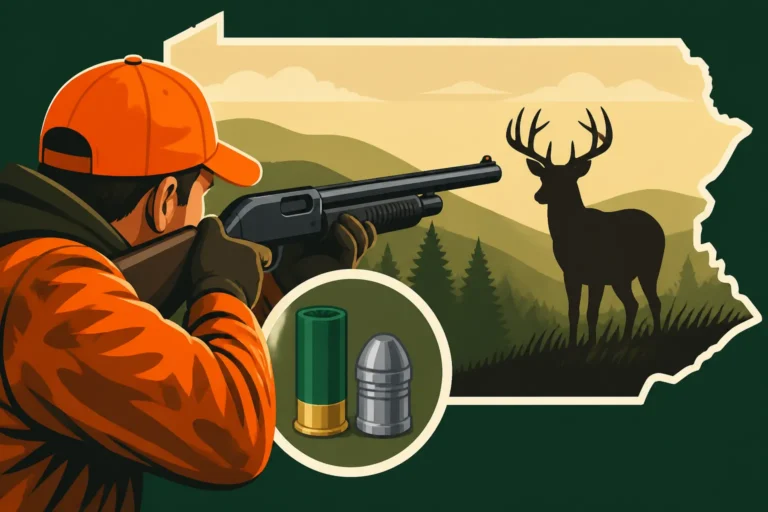
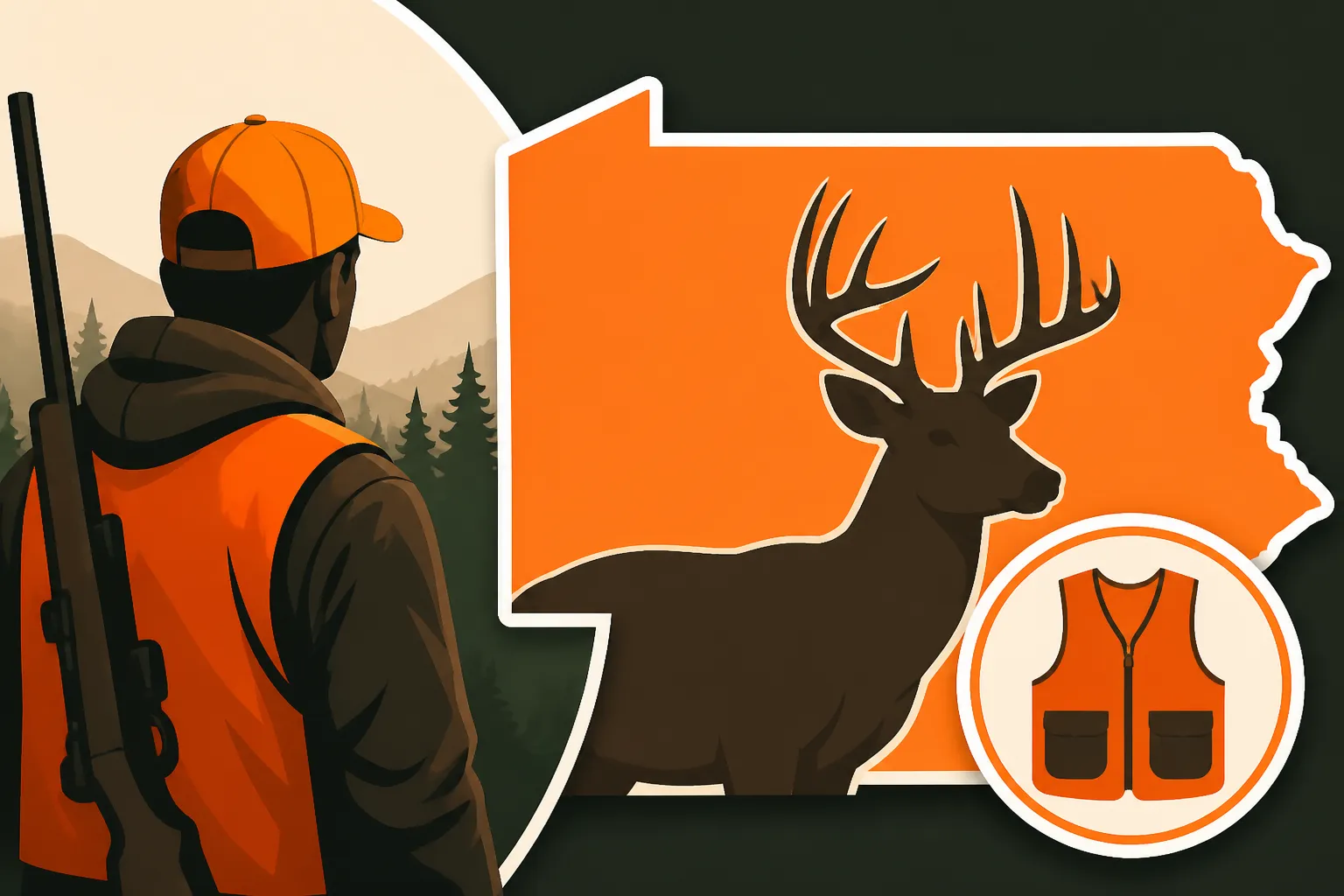
So, what does 250 square inches actually look like? It's roughly equivalent to a vest that covers your torso or a decent-sized patch on the back and front of a jacket. It's not about wearing a full-body hazmat suit; it's about presenting a clear, unmistakable visual signal to anyone else in the vicinity. The easiest way to meet this requirement is typically with a solid blaze orange vest worn over your outer clothing, or a jacket that incorporates a substantial amount of blaze orange into its design. Many hats also feature orange, but a hat alone is generally not enough to meet the 250 square inch minimum.
It's a minimum, not a maximum. More orange is always better for safety. Hunters sometimes try to get by with just a small patch or minimal orange on a hat, but this often falls short of the legal requirement and, more importantly, the safety objective. The spirit of the rule is to make you highly visible, not just technically compliant. When you’re walking through dense cover, you want that orange to be a beacon.
Placement and Visibility
This is just as crucial as the amount of orange you wear. The 250 square inches must be visible from 360 degrees around your body. This means it can't be covered by your backpack, your game bag, or even by standing too close to a tree. If you're wearing a vest, make sure it's worn on the outermost layer of your clothing, so no part of it is obscured.
Consider a scenario: you're still-hunting through a thick stand of pines. If your orange is only on your back and you're facing away from another hunter, they might not see you. This is why a vest or jacket with orange panels on both the front and back, and preferably the sides, is ideal. If you're wearing a pack, you might need to adjust your orange vest to go over the pack, or choose a pack with integrated orange panels. For those who hunt from treestands, remember that once you're up in the air, your position changes, and what might have been visible on the ground could be obscured by branches or your stand itself. Always think about how another hunter might approach your position and whether they would have a clear view of your blaze orange. Using a tool like GoHunt to scout and visualize potential hunting locations and how your visibility might be affected by terrain and cover can be incredibly helpful in planning your orange placement for maximum safety.
Exceptions and Specific Seasons
The 250-square-inch rule isn't universal across all hunting seasons in Pennsylvania, and this is where much of the confusion lies. Different game species and hunting methods have different safety considerations, leading to varying requirements for blaze orange. Knowing these distinctions is key to staying legal and safe.
Archery and Turkey Season Rules
If you're an archery enthusiast, you're probably already aware of a significant exception: during the regular archery deer season, blaze orange is generally not required. This makes sense when you consider the method of hunting; archers often rely on stealth and camouflage to get close to their quarry. The same holds true for fall turkey hunting, where turkeys have exceptional eyesight, making camouflage essential. Spring gobbler hunting also has no orange requirement because you're actively calling in a bird that relies heavily on sight. However, even in these seasons, carrying a piece of blaze orange, like a cap or a vest, to put on when moving to and from your stand or calling position, especially on public land, is a smart practice. It's about being proactively safe, even when the law doesn't strictly demand it. Orange Requirements for Archery Hunters can delve deeper into the nuances here.
It’s worth noting that if you're hunting with a mentored youth during an archery season, while the youth might not need orange for the hunt itself, general safety dictates that when moving, especially with firearms seasons running concurrently in other areas or for other species, it’s best to err on the side of visibility.
Small Game and Waterfowl Differences
Small game hunting often has less stringent hunter orange rules compared to big game firearms seasons, but it still requires attention. For example, during small game seasons, hunters typically need to wear 250 square inches of solid fluorescent orange material on the head, chest, and back combined, visible 360 degrees. This ensures that even when you're moving through brush or flushing birds, you remain visible to your hunting partners and other parties in the field. Pennsylvania Small Game Seasons and Bag Limits outlines the specific requirements here.
Waterfowl hunting is another beast entirely. Ducks and geese are incredibly wary of bright colors, and camouflage is critical for success. Consequently, there are generally no blaze orange requirements for waterfowl hunting. Imagine trying to decoy ducks into a spread while wearing a bright orange vest—it simply wouldn't work! However, this doesn't mean safety goes out the window. Waterfowl hunting often involves unique risks, such as cold water, boats, and shooting over open water. Different safety protocols, like personal flotation devices and careful shot placement, become paramount in these scenarios. It's a prime example of how safety rules adapt to the specific hunting environment and game pursued.
Mentored Youth and Special Regulations
When it comes to mentored youth hunting, Pennsylvania has specific provisions aimed at maximizing safety for our youngest hunters. While the general orange rules apply to the adult mentor, the mentored youth themselves often have slightly different or modified requirements to ensure their visibility. For instance, sometimes a mentored youth is also required to wear the 250 square inches during the firearms deer season, even if their particular license technically allows them to be afield during archery seasons. The adult mentor always needs to set the example and ensure maximum visibility for both themselves and their mentee. This focus on clear visibility helps instill good safety habits from an early age.
Furthermore, certain "special regulations areas" or unique hunts might have their own specific rules. These areas, often near urban centers, might have restrictions on firearms or different orange requirements due to population density or local ordinances. Always check the current Pennsylvania Game Commission digest or website for the most up-to-date and localized regulations before heading afield, especially if you're hunting a new area or a non-traditional season. Using mapping tools integrated with regulations, like you might find with GoHunt, can help clarify which rules apply to which specific parcels of land you might be considering.
Practical Application and Best Practices
Knowing the rules is one thing; actually applying them effectively in the field is another. It's not just about throwing on a vest; it's about strategic choices that ensure maximum visibility and, ultimately, safety.
Choosing the Right Gear
When you're outfitting yourself for a firearms deer season, don't skimp on your blaze orange. As we discussed, 250 square inches is the minimum, but opting for more is never a bad idea. A good quality blaze orange vest that fits comfortably over your thickest hunting coat is a solid start. Look for vests with adjustable straps so you can cinch them down over lighter layers in warmer weather or expand them for those heavy December coats.
Many hunters also wear a blaze orange hat. While a hat alone doesn't meet the 250-square-inch rule for big game firearms seasons, it significantly increases your head's visibility, which can be crucial, especially when you're moving through brush and only your head might be visible above the foliage. Orange Hats Versus Vests in Pennsylvania can offer more guidance on combining these elements effectively. Consider jackets that have integrated blaze orange panels on the front, back, and arms. These often provide more than enough square inches and ensure a consistent, unobscured display of safety color. Remember, your gear needs to be durable enough to withstand the rigors of the Pennsylvania woods – briars, wet weather, and rough terrain. High-quality materials will ensure your orange stays bright and visible season after season.
Maintaining Visibility in the Field
It's one thing to put on your orange at the truck, but it's another to keep it visible throughout your hunt. As you walk, climb, or even sit, gear can shift, or your position might inadvertently block your orange. Here are some key considerations:
- Packs and Gear: If you're wearing a backpack, make sure your blaze orange vest is over the pack. Don't let your pack obscure the crucial visibility on your back. If your pack has orange elements, great, but verify they meet the square inch and 360-degree visibility requirements.
- Sitting Positions: When you sit against a tree or in a ground blind, be mindful of how much of your orange remains visible. Adjust your position to ensure your orange isn't completely hidden. A common mistake is leaning back against a tree, effectively negating the orange on your back.
- Movement: When you're still-hunting or making a drive, always assume there are other hunters you can't see. Move deliberately and with the understanding that your orange is your primary identifier to them.
- Weather and Wear: Mud, dirt, or faded material can reduce the effectiveness of blaze orange. Keep your orange gear clean and replace it if it's significantly faded or damaged. A dull orange is a less safe orange.
- Group Dynamics: If you're hunting with a group, especially during a deer drive, clear communication and consistent orange visibility are non-negotiable. Everyone needs to be seen by everyone else to ensure safe shot lanes and prevent accidents. Deer Drives With Three or Four Hunters often relies heavily on clear visibility rules to ensure safety.
Taking these practical steps ensures that your blaze orange isn't just a legal formality, but an active, life-saving component of your hunting setup.
When Hunter Orange is Required in Pennsylvania
To make it easier, here's a general overview of when hunter orange is typically required for various seasons. Always consult the current Pennsylvania Game Commission digest for the most up-to-date and specific regulations for your Wildlife Management Unit (WMU) and the exact dates of the season you plan to hunt.
| Season Type | Game Species | Hunter Orange Requirement |
|---|---|---|
| Deer Firearms Seasons | White-tailed Deer | Mandatory: 250 square inches of solid fluorescent orange material on the head, chest, and back combined, visible 360 degrees. Applies to general firearms, extended firearms, and late antlerless seasons. |
| Deer Archery Seasons | White-tailed Deer | Generally Not Required: No orange is mandatory during the regular archery deer season. |
| Flintlock/Muzzleloader Deer | White-tailed Deer | Mandatory: 250 square inches of solid fluorescent orange material on the head, chest, and back combined, visible 360 degrees. This applies during the regular flintlock season if it overlaps with or is considered a firearms season. |
| Bear Firearms Seasons | Black Bear | Mandatory: 250 square inches of solid fluorescent orange material on the head, chest, and back combined, visible 360 degrees. Applies to general bear firearms season and extended bear seasons where firearms are permitted. |
| Bear Archery Seasons | Black Bear | Generally Not Required: No orange is mandatory during the early archery bear season. |
| Spring Turkey Season | Wild Turkey | Not Required: No orange is mandatory during the spring gobbler season. |
| Fall Turkey Season | Wild Turkey | Not Required: No orange is mandatory during the fall turkey season. |
| Small Game Seasons | Rabbit, Squirrel, Pheasant, Grouse | Mandatory: 250 square inches of solid fluorescent orange material on the head, chest, and back combined, visible 360 degrees. Specific rules may vary slightly, always check the current digest. |
| Waterfowl Seasons | Ducks, Geese, etc. | Not Required: Camouflage is typically used. |
| Coyote/Fox Hunting | Coyote, Fox | Optional/Situational: During daylight hunting, if overlapping with other seasons, blaze orange is a good safety measure, especially on public land. It is not generally required if hunting at night or specifically for furbearers outside of big game seasons. |
Common Misconceptions and FAQs
Despite the clear regulations, there are still a lot of questions and misunderstandings surrounding hunter orange. Let's tackle some of the most common ones to ensure everyone is on the same page.
Does Camo Orange Count?
This is a recurring question, and the answer is generally no, not for the mandatory 250 square inch requirement. The rule specifies "solid fluorescent orange material." While camouflage patterns that incorporate blaze orange might make you feel more concealed from game, they significantly reduce the effectiveness of the orange for human visibility. The breakup of the pattern disrupts the solid block of color that is so crucial for standing out in the woods. For safety's sake, if a season requires 250 square inches, wear solid blaze orange. Don't rely on camo-orange blends to meet the minimum. The whole point is to make you instantly recognizable as a human, and broken patterns work against that.
Think of it this way: when you're looking for another hunter, your brain is looking for a large, consistent splash of a specific color. If that color is broken up by branches, leaves, or even other camo patterns, it makes that recognition much harder and slower, which defeats the safety purpose.
Hunter Orange on Private Land
Another common query is whether hunter orange requirements still apply if you're hunting on private land. The short answer is yes, generally. Pennsylvania hunting regulations, including those for hunter orange, typically apply to all lands, public or private, unless specific exceptions are outlined (which are rare for safety gear like orange). The safety zone rules, for example, apply everywhere. Your responsibility to other hunters, and to non-hunters who might be enjoying the outdoors, doesn't disappear just because you're on private property. Even if you have written permission to hunt a specific parcel, as you might get through programs like the Pennsylvania Hunter Access Program, the statewide safety regulations remain in effect.
However, there can be nuances. If you are the only person hunting a large private tract, the risk profile changes, but the legal requirement typically does not. It's always best practice to abide by the hunter orange rules regardless of land ownership. You never know if an adjacent landowner or a hiker might stray onto your property line, and maintaining maximum visibility is a sign of a responsible hunter. Even when you're using a comprehensive mapping tool like GoHunt to clearly delineate private property lines, adhering to state-mandated safety measures ensures you're protected from potential hazards, whether on your property or bordering it.
Other Important Safety Considerations
Beyond hunter orange, there are many other critical safety practices every Pennsylvania hunter should embrace. Hunter education is paramount, covering everything from firearm safety to first aid. Pennsylvania Hunter Education Requirements lay out what's needed to get started. Understanding legal shooting hours, knowing your target and what's beyond it, and properly carrying and handling your firearm are all fundamental.
Remember, the woods are a shared space. Respect for other hunters, landowners, and the game itself contributes to a positive and safe hunting culture. Wearing your blaze orange correctly, even when you're tired or cold, is a simple yet profoundly important way to demonstrate that respect and ensure everyone gets home safely at the end of the day.
Disclaimer
This article is for general informational purposes only and does not constitute professional advice. Laws, prices and regulations vary by location and change over time. Consult a qualified professional for guidance on your specific situation.