Coolers and Game Bags for Warm Openers
There's nothing quite like the excitement of a Pennsylvania deer season opener, but for many of us, that early fall enthusiasm quickly turns to anxiety when the thermometer stubbornly stays in the 70s or even 80s. You've worked hard, finally connected with a deer, and now the clock starts ticking furiously on meat spoilage. This guide is dedicated to equipping you with the knowledge, strategies, and essential gear—specifically coolers and game bags—you need to preserve your hard-earned venison, even when Mother Nature is trying her best to make you sweat.
The Peril of Warm Weather Hunts in Pennsylvania
Hunting in Pennsylvania, especially during the early archery or even the initial firearms days, often means contending with temperatures that feel far from "fall-like." We dream of crisp, cool mornings, but the reality can often be oppressive heat and humidity. This isn't just uncomfortable; it poses a serious threat to the quality and safety of your venison. That feeling of elation after a successful harvest can quickly turn into a sinking dread if you're not prepared to handle the meat in warm conditions.
Why Early Season Warmth is a Hunter's Nightmare
Imagine it: you've spent months scouting, preparing your gear, and finally, opening day arrives. The leaves are still mostly green, the sun is high, and the air is thick and still. Then, your arrow finds its mark on a beautiful buck or a fat doe. You locate the animal, and the sense of accomplishment is immense. But as you stand over your deer, a wave of heat washes over you, and you realize the mercury is pushing past 70 degrees. This is where the panic can start for many hunters. The beautiful venison you're dreaming of can rapidly spoil if not handled correctly and quickly.
The problem with warm weather is simple biology: bacteria thrive in warm, moist environments. A deer's body temperature is significantly higher than the ideal storage temperature for meat. Once an animal is down, the internal processes that generate heat don don't immediately stop, and without rapid cooling, bacteria can multiply exponentially. What might take days to become an issue in freezing November weather can happen in mere hours during a hot September afternoon. The frustration of losing an animal you worked so hard for because of heat is a feeling no hunter wants to experience.
The Clock Starts Ticking: Understanding Meat Spoilage
From the moment an animal expires, a race against time begins to cool the meat down to a safe temperature, ideally below 40 degrees Fahrenheit. The internal organs, blood, and warm muscle tissue all contribute to a thermal mass that holds heat, even after the animal is field dressed. Think of it like a hot oven that you've just turned off; it takes a while for that residual heat to dissipate. In a deer, this residual heat creates an ideal breeding ground for bacteria, particularly the kind that causes souring and spoilage.
When the outside air temperature is also high, the natural cooling process is severely hindered. The muscle cells, no longer receiving oxygen, begin to break down, and enzymes start their work. If this process occurs at high temperatures, the meat can "sour" – it develops an off-flavor and odor, often turning mushy or green around the bone, especially in the hindquarters. This is not just a flavor issue; it's a food safety concern. Ignoring the signs of spoilage can lead to illness. Therefore, every minute counts in getting that internal temperature down, especially on those unseasonably warm Pennsylvania days.
Essential Field Dressing for Warm Weather Success
Proper field dressing is always crucial, but in warm weather, it becomes the absolute cornerstone of venison preservation. This isn't just about removing the guts; it's about rapidly facilitating the cooling process and getting as much body heat out of that carcass as possible, as fast as possible. This first step, executed correctly, can make or break your hunt's ultimate success.
Immediate and Thorough Gutting
The very first and most critical action you can take when a deer is down in warm weather is to field dress it immediately and thoroughly. There's no time for celebrating or lengthy photo shoots when the thermometer is climbing. The internal organs are the hottest part of the animal and are teeming with bacteria that, once released, will quickly begin to contaminate the meat. Getting them out of the body cavity is paramount.
Open the body cavity from the sternum all the way down to the pelvis, taking care not to puncture the intestines or stomach. Reach in and remove all internal organs – the stomach, intestines, liver, heart, and lungs. Don't be shy; get everything out. Once the cavity is empty, use a clean cloth, paper towels, or even handfuls of grass to wipe out any blood, dirt, or stomach contents. The goal is to leave the cavity as clean and dry as possible. This immediate removal of the primary heat source and bacterial load is what starts the crucial cooling process. The faster you do this, the better your chances of saving that meat. Field Dressing a Deer in Cold Weather discusses the core process, but in warm weather, speed is even more critical.
Elevating and Airing Out the Carcass
After a thorough field dressing, the next immediate priority is to maximize airflow around and within the carcass. Just because the guts are out doesn't mean the deer is instantly cool. The thick muscles and bones still retain a lot of heat, and without good air circulation, that heat will remain trapped, allowing bacteria to continue their work. You need to create an environment where natural convection can carry that heat away.
If possible, hang the deer from a tree or a game pole. Hanging not only allows gravity to help drain any remaining blood but, more importantly, it exposes the entire body cavity to the air. If hanging isn't feasible, at least prop the deer up on its back with sticks or rocks, spreading the rib cage open as wide as possible. You can use a stick or two to brace the cavity open, creating a chimney effect for heat to escape. Even laying the deer on a log to get it off the warm ground can make a difference. The idea is to prevent any part of the carcass from laying flat against the ground, which would insulate it and trap heat. This aeration helps both with cooling and with drying the surface of the meat, which further inhibits bacterial growth. Remember, moisture and warmth are a bacterial paradise, so reduce both.
The Role of Coolers in Warm Weather Game Care
Once your deer is field-dressed and has aired out a bit, or you've quartered it, the cooler becomes your absolute best friend. This isn't just any cooler, though; in warm weather, you need a strategy and the right equipment to ensure your venison stays cold and pristine. Don't underestimate the importance of your cooler choice and how you manage it.
Choosing the Right Cooler for Your Hunt
When warm weather is in the forecast, your choice of cooler isn't just a matter of convenience; it's a critical gear decision. Not all coolers are created equal, and for game preservation in high temperatures, you'll want to invest in something robust. High-quality rotomolded coolers, often referred to as "super coolers," are designed with superior insulation and tight seals that significantly extend ice retention compared to standard, inexpensive coolers. They might be a heavier investment upfront, but they pay for themselves by saving your meat.
Consider the size of your cooler in relation to the game you expect to harvest. For a whole, field-dressed deer, you might need a large cooler (100-150 quarts or more) if you plan to bone out the meat and submerge it in ice, or if you plan to transport quarters. For smaller game like a fall turkey or a rabbit, a smaller, well-insulated cooler will suffice. Think about your hunting style: are you driving directly to a processor, or do you have a multi-day camp setup? A weekend trip might warrant a bigger, more efficient cooler, whereas a day hunt where you plan to take the deer straight to a butcher still needs a reliable option for the interim. Many hunters also use online resources like GoHunt to research and compare different cooler models, reading reviews on their ice retention capabilities before making a purchase.
Ice Management and Packing Strategies
Having a great cooler is only half the battle; managing your ice effectively is the other crucial part. Simply tossing a bag of cubed ice on top of a deer quarter isn't enough when it's warm outside. For maximum cooling, you want to use a combination of block ice and cubed ice, or even frozen water jugs. Block ice melts slower, providing sustained cold, while cubed ice fills voids and creates more contact surface with the meat for rapid cooling. Pre-chilling your cooler overnight with a sacrificial bag of ice also helps immensely; your cooler won't have to work as hard to get cold, saving your ice for the actual venison.
When packing, place a layer of ice on the bottom, then layer your bagged meat (we'll get to game bags next!) on top, ensuring good contact with the ice. You want to keep the meat off the bottom of the cooler if possible, where water will collect as the ice melts. Elevating it on a grate or some frozen jugs can help. Continuously draining the meltwater is also important, as ice water, while cold, can leach flavors from the meat and quickly become a bacterial soup if not regularly refreshed. Keep your cooler out of direct sunlight whenever possible, and only open it when necessary to conserve ice.
| Cooler Type | Insulation Quality | Ice Retention | Portability | Typical Cost | Best Use Case |
|---|---|---|---|---|---|
| Basic (e.g., Coleman) | Moderate | Short | High (lightweight) | Low | Day trips, pre-chilling (sacrificial ice) |
| Mid-Range (e.g., Igloo Marine) | Good | Moderate-Long | Moderate | Medium | Weekend trips, cooler for drinks/food |
| Rotomolded (e.g., Yeti, RTIC, Orca) | Excellent | Very Long | Low (heavy) | High | Multi-day hunts, remote locations, primary meat cooler |
| Soft-Sided Insulated | Moderate | Short-Moderate | Very High | Medium-High | Small cuts, quick trips, secondary cooler |
Processing Options When the Heat is On
Sometimes, despite your best efforts, the heat is just too intense, or your hunt takes you far from home. In these scenarios, having a plan for immediate processing is invaluable. One option is to take your field-dressed deer directly to a reputable meat processor. Many processors understand the challenges of warm weather and have dedicated cooling facilities to get your deer chilled rapidly. It's always a good idea to call ahead and confirm their availability and hours, especially during busy opening weekends.
Another common and highly effective strategy for warm weather is to quarter your deer in the field. This involves breaking the animal down into its four main muscle groups (front shoulders, hindquarters) and often removing the backstraps and tenderloins. These smaller, more manageable pieces can then be placed into game bags and packed into coolers more efficiently. This method significantly reduces the overall thermal mass that needs to be cooled and allows for better ice-to-meat contact. Learning the gutless method can also be a game-changer for those hunting in truly remote areas or on very steep ground, where hauling out a whole deer is simply not feasible. Butchering a Deer at Camp becomes much easier if the meat is already cooled and quartered.
Game Bags: Your First Line of Defense in the Field
While coolers are essential for sustained cold storage, game bags are your immediate, indispensable tool in the field for protecting your venison from contamination and allowing it to breathe. They are a non-negotiable piece of gear for warm weather hunting, and frankly, I carry them even in the cold.
Why Game Bags are Non-Negotiable
For years, many of us (myself included) might have just dragged a field-dressed deer to the truck, perhaps hoping for a cool breeze. But when temperatures are elevated, this approach is a recipe for disaster. Game bags serve several critical functions that prevent spoilage and ensure a clean harvest. Their primary role is to protect the meat from flies, dirt, debris, and even scavengers, all while allowing crucial air circulation. Think of a game bag as a breathable, protective cocoon for your venison.
Flies are relentless in warm weather, and they will immediately swarm an open carcass, laying eggs that can quickly hatch into maggots. A good game bag acts as an impenetrable barrier to these pests. Additionally, dragging a deer without protection rubs dirt, leaves, and other foreign matter directly into the meat, creating more work for you at the butchering stage and potentially introducing bacteria. A breathable, specialized game bag material prevents this contamination while still allowing the meat to "skin over" – a process where a protective, dry layer forms on the surface, further inhibiting bacterial growth. If you're using resources like GoHunt to plan your hunts, consider their gear recommendations for high-quality game bags that can withstand the rigors of the Pennsylvania woods.
Types of Game Bags and Their Applications
Just like coolers, game bags come in various forms, each with specific advantages. The most basic are simple pillowcase-style cotton bags. These are inexpensive and breathable, great for covering quarters or even a whole small deer if you're processing quickly. However, they can be prone to tearing, absorb moisture, and aren't always the most durable for heavy use or rough terrain.
More advanced game bags are made from specialized synthetic materials that are stronger, more resistant to tears, and often have a tighter weave to keep out even tiny insects while remaining highly breathable. These typically come in sets sized for boned-out meat, individual quarters, or even whole deboned animals. For example, you can get large bags specifically designed for a hindquarter, smaller ones for backstraps, or even a large bag meant to hold an entire deboned deer for transport on a pack frame. If you're quartering your deer in the field, having several sizes of these durable bags is incredibly helpful. Consider the size of animal you typically target and whether you hunt solo or with a group – a larger group might quarter out a big buck, requiring multiple bags, whereas a solo hunter might use fewer, larger bags for sections. When you're using Field Dressing Knives Worth Carrying, having the right bags ready makes the job efficient.
Transporting Meat from Field to Cooler
Once your deer is field-dressed or, more ideally, quartered and bagged, the next challenge is getting it from the kill site to your cooler, especially if you're deep in the woods. The game bags are doing their job protecting the meat, but you still need to minimize the time it spends in ambient warm temperatures. Always keep the bagged meat in the shade, suspended off the ground if possible, to maximize air circulation.
For moving the meat, there are several options. If the terrain is relatively flat and clear, a deer cart can be a lifesaver, allowing you to quickly wheel out quarters or even a smaller whole deer. Using a Deer Cart on Game Lands can save your back and precious time. If you're in rugged mountain country or far from any trail, a quality pack frame becomes indispensable. You can securely strap bagged quarters or deboned meat to the frame and pack it out. This method is often the fastest and most efficient for covering long distances or traversing steep, uneven ground. Remember, every minute the meat is not actively cooling contributes to potential spoilage, so having a solid extraction plan that leverages your game bags and transport gear is vital. Many hunters use the mapping features on GoHunt to identify potential extraction routes and estimate carry distances before they even step into the woods.
Combining Coolers and Game Bags for Optimal Preservation
It's not about choosing between a cooler and game bags; it's about using them in tandem, strategically, to give your venison the best possible chance of staying pristine. Each piece of gear plays a distinct yet complementary role in your warm weather meat care strategy.
The Synergy of Both Tools
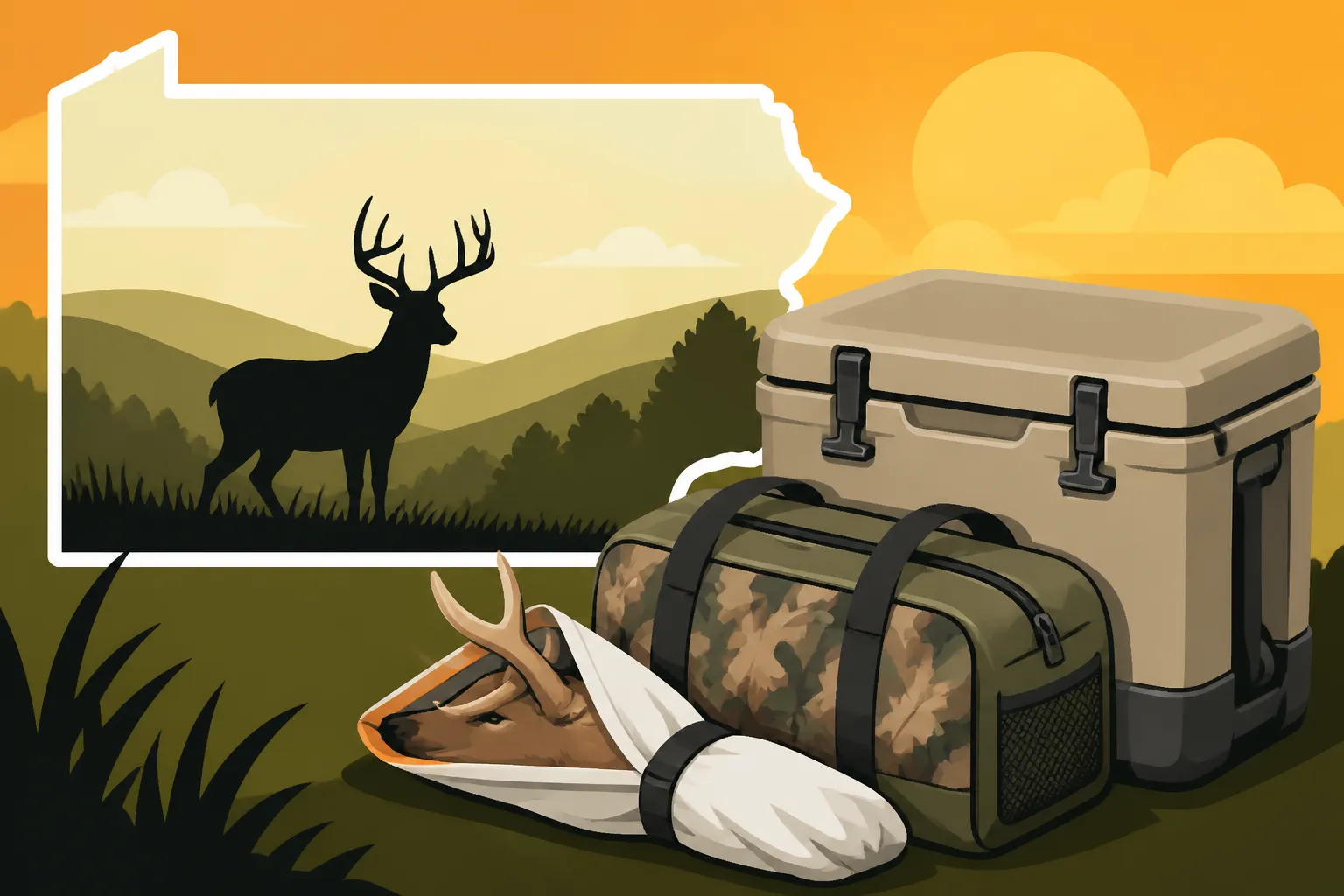
Think of game bags as your meat's initial shield and breathable layer in the immediate aftermath of a harvest, and the cooler as its long-term, cold storage solution. When you combine their strengths, you create a powerful defense against spoilage. The game bags protect the meat from external contaminants like dirt, insects, and even animal hair, ensuring that when it goes into the cooler, it's as clean as possible. Crucially, they also allow air to circulate around the meat, which helps kickstart the cooling process and allows that desirable "skin" to form on the surface.
Once the meat is bagged, it can then be placed into the cooler with ice. This keeps the meat from sitting directly in meltwater, which can become contaminated and negatively affect flavor and texture. Many hunters make the mistake of just tossing unbagged quarters directly onto ice. While it's cold, the direct contact with meltwater can create a soggy exterior, and as mentioned, the water itself can become an issue. By bagging the meat first, you keep it clean and allow it to cool efficiently without waterlogging. This synergy is particularly important when Coolers for an Early Archery Kill or Game Bags for Warm September Days are specifically needed, as the conditions demand the most robust approach.
Best Practices for Long-Term Warm Weather Storage
Once your bagged venison is in the cooler, your focus shifts to maintaining that cold environment and ensuring proper chilling. The goal is to get the internal temperature of the meat down as quickly as possible and keep it there. Continue to monitor your ice levels and replenish as needed. For truly remote hunts or very long transport times, some hunters will carefully use dry ice in a separate compartment or a well-ventilated cooler (never directly touching the meat, as it can freeze and damage it).
The key is consistent, cold temperature. Avoid frequently opening the cooler, and keep it in the coolest, shadiest spot available. If you're at a hunting camp, consider storing it in a shaded area or even covering it with a wet tarp to aid evaporative cooling. Once the meat is thoroughly chilled (this could take 24-48 hours depending on size and initial temperature), it can then be transported to a butcher or processed at home. While we often talk about Aging Venison in Cold Weather, warm weather dictates a rapid cool-down first, with any aging happening only after the meat has reached a stable, cold temperature.
Planning Ahead: Prevention is Key
Successful warm weather meat preservation isn't just about reacting quickly after the shot; it's heavily reliant on proactive planning. The more you prepare before you even step into the woods, the better equipped you'll be to handle whatever Mother Nature throws at you.
Scouting and Accessibility
Knowing your hunting area intimately is a massive advantage when dealing with warm weather. Before the season even opens, take the time to scout not just for game sign, but also for accessibility. How far will you have to drag or carry a deer? Are there trails or old logging roads that would accommodate a deer cart? Where are the closest access points for your vehicle? The quicker you can get a deer out of the field and into a cooler, the better. This knowledge might influence your stand placement – perhaps choosing a spot closer to an access point on a particularly hot day, even if it's not your absolute prime location.
Consider using digital mapping tools like GoHunt, which can provide detailed topographic maps, aerial imagery, and property line information. This allows you to identify shaded areas where you might temporarily hang a deer, potential water sources for rinsing, and the most efficient routes for extraction. Knowing the terrain and having a mental "exit strategy" for a downed animal can significantly reduce the time pressure and physical exertion, both of which are critical factors when dealing with warm weather and perishable meat. Comprehensive Scouting Pennsylvania Public Land Before Season means looking beyond just deer sign.
Pre-Season Prep for Warm Weather Success
Your warm weather venison care plan should begin long before opening day. This means having all your essential gear not just on hand, but ready. Are your coolers clean, free of odors, and in good condition? Do you have plenty of ice available, or a plan to acquire it quickly? Are your field dressing knives razor-sharp? Do you have a sufficient supply of game bags for the number of animals you might harvest, and have you considered bringing extra?
Think about potential contingencies. What if it's an unusually hot day and you're hunting alone? Do you have a plan for getting a heavy deer out? Perhaps a buddy on standby, or a specific route planned for a deer cart or pack frame? Consider bringing extra water not just for yourself, but for rinsing out the body cavity of the deer. Having a reliable headlamp is also crucial, as recovery often extends into the evening, and working safely in the dark is paramount. While this guide focuses on meat, also consider bringing along First Aid Kits for Remote Big Woods, as accidents can happen when you're rushing or pushing your physical limits to get an animal out quickly. Being prepared in every aspect of your hunt leads to a more successful and less stressful experience.
Disclaimer
This article is for general informational purposes only and does not constitute professional advice. Laws, prices and regulations vary by location and change over time. Consult a qualified professional for guidance on your specific situation.