Face Masks and Gloves for Turkey Hunting
There's nothing quite like the thrilling anticipation of a Pennsylvania spring gobbler hunt, but that excitement can quickly turn to frustration if a sharp-eyed tom spots you before you even get a chance to raise your shotgun. Turkeys have incredible vision, a full 270-degree field of view, and they can pick out the slightest movement or unnatural color from an astonishing distance. This guide will walk you through why proper face and hand concealment isn't just an option, but an absolute necessity for successful turkey hunting, and how to choose and use the best masks and gloves to keep you hidden.
Why Face and Hand Concealment is Absolutely Critical for Turkey Hunting
You can be clad head-to-toe in the finest camouflage pattern money can buy, meticulously positioned against a wide oak tree, and still have a wary gobbler peg you from afar simply because your hands or face are exposed. It’s a common scenario that frustrates countless hunters every spring. The truth is, a turkey's eyesight is arguably its most potent defense, and any flash of skin, even from a slight head turn or hand adjustment, can be enough to send that bird hightailing it out of your life.
The Unforgiving Vision of a Wild Turkey
Imagine trying to hide from an animal that has panoramic vision, sees in color, and can detect movement with uncanny precision. That's essentially what you're up against with a wild turkey. Unlike deer, which rely heavily on scent and sound, turkeys are visually driven. They've evolved over millennia to be hyper-aware of their surroundings, and any anomaly in their environment spells danger. A human face, with its distinct shape and pale skin tones, stands out like a beacon against the dappled greens and browns of the spring woods. Even your hands, often in motion as you shoulder a shotgun, operate a call, or simply adjust your position, present a clear contrast. Spring Gobbler Hunting in Pennsylvania demands this level of attention to detail because these birds are far from stupid. They’ve survived predators their whole lives by being acutely aware.
Avoiding the "Shine" and Movement Detection
Beyond just the color of your skin, consider the "shine." Human skin, even when not directly exposed to sunlight, can reflect light, creating a noticeable glare that a turkey will instantly recognize as unnatural. This is especially true on a bright, sunny spring morning. Furthermore, the slightest movement can be magnified. When a gobbler is cautiously approaching, often strutting and scanning, its entire focus is on detecting threats. A slow, subtle movement of your hand reaching for a friction call or the turn of your head to pinpoint a gobble can shatter the illusion of concealment. This is why many experienced hunters adopt specific strategies for minimizing motion, such as setting up against a wide tree that allows them to make small adjustments behind it, or practicing silent, minimal movements when operating calls. It's a game of patience and precision, where your hands and face are often the most exposed and active parts of your body.
Types of Face Masks and Gloves: Choosing Your Concealment Arsenal
When it comes to concealing your face and hands, you've got a variety of options, each with its own benefits and drawbacks. The best choice often depends on personal preference, the weather conditions, and the specific type of terrain you'll be hunting. It’s not a one-size-fits-all situation, and many hunters carry a couple of different options to adapt to the day's conditions.
Headnets and Balaclavas: Comprehensive Face Coverage
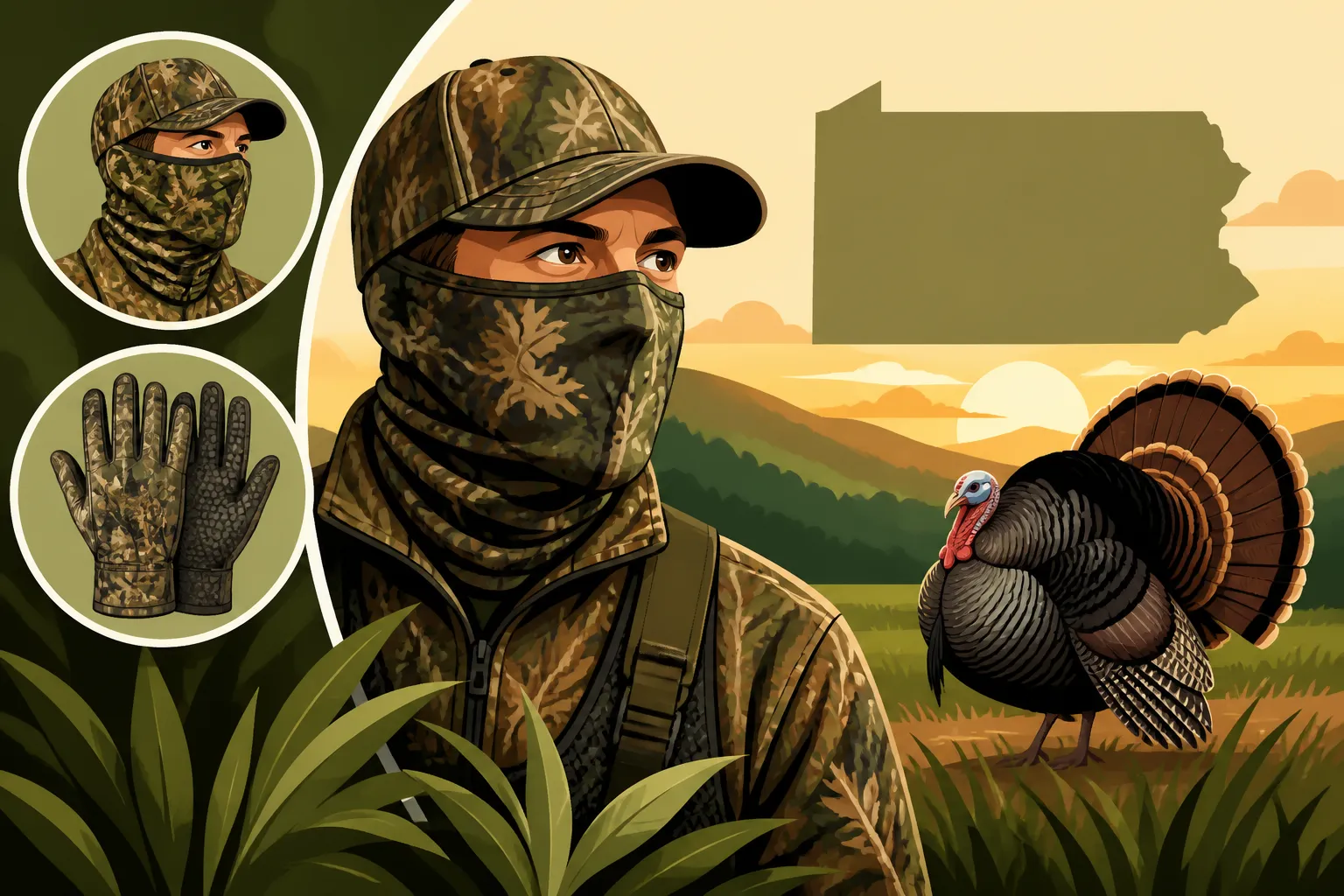
Headnets are probably the most common and versatile option. They're typically lightweight mesh or fabric that slips over your head, with an opening for your eyes. Many include a built-in brim or bill to help shade your eyes and prevent upward glare. The beauty of a headnet is its simplicity and breathability. You can pull it down to expose your face if you need a clearer view for walking, then easily pull it back up when you're set to call. Some models offer varying densities of mesh, with finer mesh providing better concealment but potentially slightly reduced visibility in very low light. The biggest frustration with some headnets is that they can sometimes impair your hearing, making it harder to pinpoint faint gobblers or soft clucks.
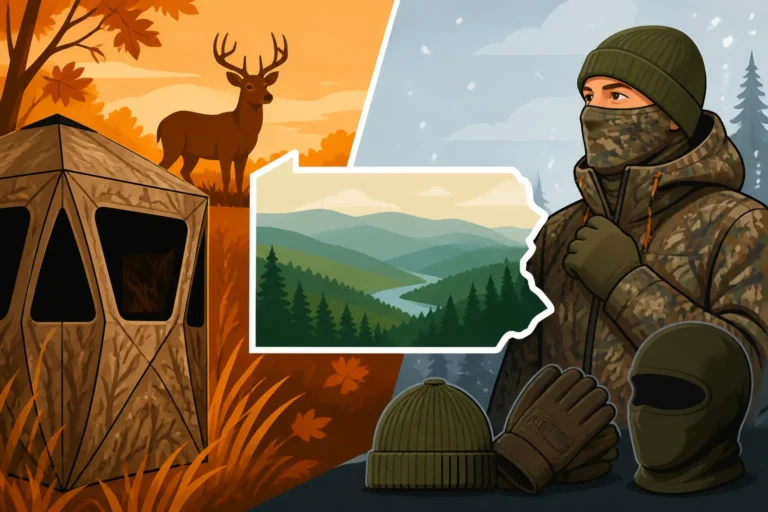
Balaclavas offer even more complete coverage, often extending down to cover your neck and upper chest. They're like a full head sock with eye and mouth openings. These are excellent for colder mornings when you need extra warmth, or for situations where you want absolutely no skin exposed. Some balaclavas have hinged designs, allowing you to pull the lower face section down to eat or drink without removing the entire mask. The downside can be heat retention on warmer days and, similar to headnets, potential for reduced peripheral vision or muffled hearing if not designed well. Both headnets and balaclavas come in a myriad of camouflage patterns, so you can match them to the rest of your gear, helping you blend seamlessly into the Pennsylvania woods, whether you're stalking Hunting Pennsylvania Clearcuts and Regrowth or hunkering down in a mature oak stand.
Half Masks, Face Paint, and Gloves: Targeted Concealment
Half masks are often a bandanna or a tube-style mask that covers your nose, mouth, and chin, leaving your eyes and forehead exposed. These are fantastic for hunters who dislike the feeling of a full headnet or balaclava, or who wear glasses that tend to fog up with full coverage. They offer good concealment for the most critical lower face area while maintaining maximum peripheral vision and hearing. You’ll still need to address your exposed forehead and around your eyes, which is where a cap with a good brim comes in handy, perhaps pulled low.
Face paint is the ultimate in custom concealment, and it’s surprisingly effective. It eliminates any potential for glare and conforms perfectly to your facial contours. You can use green, black, and brown sticks to break up the outline of your face, creating shadows and mimicking natural patterns. The major downsides are the mess, especially when applying and removing it, and its tendency to rub off with sweat or rain. However, for those who value absolute freedom of vision and hearing, face paint is a top-tier choice. Some hunters even combine a half mask with a bit of face paint around their eyes for a hybrid approach.
Gloves are just as important as face concealment. Your hands are constantly moving – shouldering your gun, operating calls, bracing yourself. Any exposed skin on your hands will draw attention. You have several types to choose from:
- Thin Shooter's Gloves: These are lightweight, uninsulated gloves, often made of a synthetic stretch material. They offer excellent dexterity, crucial for feeling your safety, operating calls, and pulling a trigger. Many have rubberized palms for better grip. They are ideal for warmer spring days.
- Insulated Gloves: For those bone-chilling mornings in April when a cold front has swept through, a pair of lightly insulated gloves can make a huge difference in your comfort and ability to stay still. Look for options that still maintain good trigger finger feel.
- Touchscreen Compatible Gloves: In today's world, many hunters use their phones for mapping apps or quick checks of the time. Gloves with touchscreen-compatible fingertips are a huge convenience, saving you from constantly taking them off and putting them back on, which can create unwanted movement.
A good pair of camouflage gloves should fit snugly but not restrict movement, and they should extend past your wrist to ensure no skin is exposed between your glove and jacket sleeve. For example, if you're out Run-and-Gun Turkey Tactics on Game Lands, you'll want gloves that allow for quick transitions and fine motor skills when setting up or making a quick shot.
| Concealment Type | Pros | Cons | Ideal Scenario |
|---|---|---|---|
| Full Headnet | Excellent overall coverage, breathable | Can muffle hearing, might limit peripheral vision | General spring turkey hunting, warmer days |
| Balaclava | Fullest coverage, good for cold weather | Can be hot, may reduce hearing/vision if bulky | Cold, windy mornings, maximum concealment needed |
| Half Mask | Good lower-face coverage, maintains hearing | Top of head/eyes still need coverage | Hunters who prefer more open feel, combined with a cap |
| Face Paint | Perfect contour, no glare, full hearing/vision | Messy, can rub off, requires reapplication | Minimalist hunters, those prioritizing sensory input |
| Thin Gloves | Excellent dexterity, breathable | No warmth, minimal padding | Warmer days, calling frequently |
| Insulated Gloves | Warmth for cold mornings | Can reduce dexterity, may be bulky for trigger finger | Cold mornings, static sits |
Practical Tips for Using Face Masks and Gloves Effectively in the Spring Woods
Having the right gear is only half the battle; knowing how to use it effectively is what truly makes the difference. Many subtle factors can impact how well your mask and gloves work for you in the field. After all, what good is concealment if it hinders your ability to hear, see, or react?
Minimizing Impairment and Maximizing Stealth
One of the biggest complaints about full face masks or balaclavas is how they can muffle sounds or limit peripheral vision. This is particularly frustrating when you're trying to pinpoint the exact location of a gobbler's faint cluck or determine which way he's moving through the timber. To combat this, look for masks made of thinner, breathable materials that don't cover your ears too tightly. When you’re scouting areas with tools like GoHunt, pay attention to the density of the woods; a full balaclava might be too much in a thick clearcut where ambient noise is already high, but perfect for a more open timber setting.
Another crucial tip is to practice with your mask and gloves before opening day. Put them on, walk around your yard, shoulder your gun, operate your calls, and even try to identify distant sounds. This helps you get accustomed to any minor limitations and adjust. For example, some headnets might sag into your line of sight when you shoulder your gun; a quick tuck or adjustment can fix this. Make sure your eye opening is large enough that it doesn’t restrict your view when you lean into your gun. You can also carefully trim the eye-holes on some headnets for a better fit, but do so sparingly and with caution!
Adapting to Weather and Situational Needs
Pennsylvania spring weather is notoriously unpredictable. One morning can be freezing, the next scorching hot, and a sudden downpour is always a possibility. Your face and hand concealment should be able to adapt.
- Cold Weather: On those brisk April mornings, a balaclava or a fleece-lined headnet will not only conceal your face but also provide much-needed warmth. Paired with lightly insulated gloves, you'll be able to sit still longer without shivering, which is key to success. Remember, movement from shivering is just as likely to bust a bird as intentional movement.
- Warm Weather: As the season progresses and temperatures climb, lighter mesh headnets or simple half masks combined with thin shooter's gloves are ideal. Breathability becomes paramount to prevent overheating and excessive sweating, which can be uncomfortable and distract you from the hunt.
- Rainy Conditions: Water repellent materials for both masks and gloves are a godsend in the rain. Face paint, while effective, will run down your face with heavy rain, creating a streaky mess. A synthetic mask will hold its form and color. Having a cap with a brim over your headnet also helps keep rain out of your eyes and off your face.
Don't forget the practical aspects of calling. If you're using mouth calls, a headnet or balaclava needs to allow for easy access to your mouth without snagging or forcing you to make excessive movements. Some masks have mouth openings or can be pulled down easily. For friction calls, thin, tactile gloves are essential so you can feel the call and produce realistic sounds without fumbling. When planning your setup for Setting Up Against a Big Oak, consider how your gear will facilitate your calling sequence without giving away your position.
Advanced Concealment and Comfort for All-Day Turkey Hunts
Turkey hunting often involves long periods of sitting still, punctuated by bursts of movement and intense focus. Ensuring your concealment gear is not only effective but also comfortable is crucial for maintaining stealth and staying in the game all day.
Layering and Scent Control for Concealment Gear
Just like your clothing layers, consider layering your face and hand concealment. On a cold morning, you might start with a thin balaclava for warmth and a mesh headnet over it for maximum breakup of your facial features. As the day warms up, you can shed the balaclava, leaving just the breathable headnet. This adaptability ensures you're always comfortable, and comfort leads to less fidgeting and movement.
Scent control, while often overlooked in turkey hunting compared to deer hunting, still plays a role. Turkeys have a decent sense of smell, though not as acute as a deer's. However, wearing gloves that have picked up strong human odors – gasoline, bug spray, cigarette smoke – can potentially alert a wary bird if it gets close enough. While you won't typically be worried about a turkey winding you from 100 yards, minimizing strong artificial scents is always a good practice. Choose gloves made of synthetic, low-odor materials, and wash your masks and gloves in scent-free detergent along with the rest of your hunting clothes. Even using a site like GoHunt for your Scouting Pennsylvania Public Land Before Season can help you identify areas with natural cover that may help break up your scent cone, should it become an issue.
The Best Practices for Maximum Effectiveness
- Match Your Environment: No one camo pattern is perfect for every Pennsylvania turkey season. Match your mask and gloves to the dominant colors of your hunting environment. If you're in a pine forest, a darker green/brown pattern works. If you're in an open oak wood just leafing out, a lighter green/brown blend is better.
- Break Up Your Outline: The goal isn't just to be green or brown, but to break up the distinct outline of your face and hands. Choose patterns with good contrast and varying shapes. For gloves, avoid solid colors if possible.
- Prevent Glare: This cannot be stressed enough. Any shiny surfaces – glasses frames, watch faces, exposed skin – must be covered. A dull-finished shotgun is also a major plus.
- Practice Drawing and Calling: Rehearse your entire shooting sequence and calling routine while wearing your mask and gloves. Make sure your mask doesn’t interfere with your cheek weld on the stock or your sight picture. Ensure your gloves allow you to operate your calls smoothly and quietly. Many turkey hunters practice their Calling a Pennsylvania Gobbler Off the Roost scenarios with their full hunting gear on to ensure they are ready for the real deal.
- Stay Hydrated and Nourished: Long waits can be dehydrating. Carry water, but plan how you'll drink it without making obvious movements or removing your mask. A small snack bar can be eaten slowly and quietly, but again, plan the movement. This relates back to comfort, which helps you remain absolutely still when it counts.
- Consider Your Eyes: While not directly face concealment, don't forget your eyes. A wide-brimmed hat helps cast your eyes into shadow, and polarized sunglasses can reduce glare and help you spot birds better, as long as they don't impede your shooting or become a source of glare themselves.
By paying meticulous attention to these details, from selecting the right gear to practicing its use and maintaining comfort throughout your hunt, you'll significantly increase your odds of punching that tag this spring. The smallest overlooked detail in concealment can be the difference between a successful hunt and a frustrated walk back to the truck.
Disclaimer
This article is for general informational purposes only and does not constitute professional advice. Laws, prices and regulations vary by location and change over time. Consult a qualified professional for guidance on your specific situation.