Reading Roost-to-Field Flight Lines
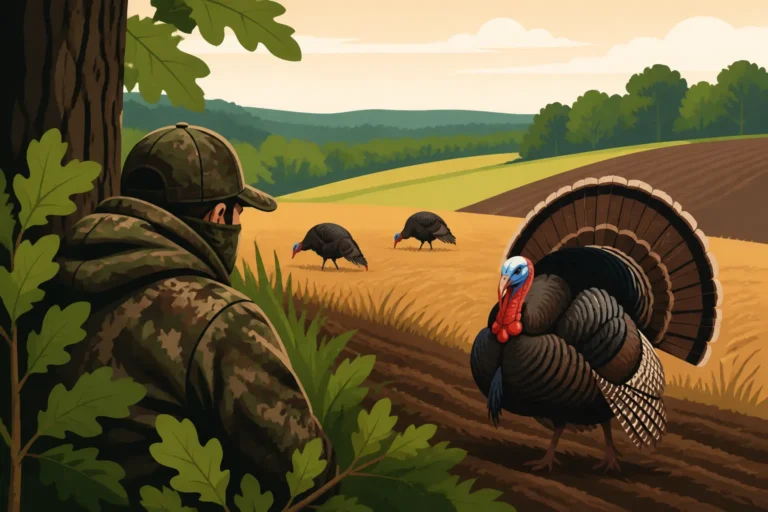
There's nothing quite like the sound of a gobbler hammering from the roost on a crisp Pennsylvania spring morning, but sometimes, once those birds hit the ground, they seem to vanish into thin air. You heard them, you know they're there, but you can't seem to get them to commit. This guide is all about demystifying that crucial post-roost period by teaching you how to read and intercept turkey roost-to-field flight lines, transforming those frustrating no-shows into successful hunts.
The Morning Mystery: Why Turkeys Fly the Same Path
Turkeys, like most wildlife, are creatures of habit. They develop predictable patterns of movement, especially when it comes to their morning routine. Understanding why they do this is the first step to intercepting them effectively. It's not just random; there's usually a good reason they choose a particular route from their roost tree to their feeding grounds.
Understanding Roosting Behavior and Safety
Think about where turkeys choose to roost. It's almost always a high, sturdy tree, often near a water source, overlooking an open area, or positioned strategically on a ridge line. They pick these spots for safety. Being high off the ground protects them from nocturnal predators like coyotes, foxes, and even bears. As dawn breaks, they're not just thinking about food; they're also thinking about how to safely get from their elevated perch to solid ground without becoming someone else's breakfast. This inherent need for security dictates their initial flight. They'll often fly down towards the safest, most open ground available, or towards cover that offers immediate protection while they gather themselves.
Imagine a flock of hens and a gobbler roosted in a giant white oak towering over a creek bottom in State Game Lands 205. They've spent the night watching for danger, and when they pitch down, they won't just drop into thick, tangled briars where a fox could be waiting. Instead, they'll often fly to a more open patch of woods or a clear-cut edge nearby. This initial safe landing spot then becomes the start of their daily travel. Their first move is rarely a bee-line to the farthest field. This understanding is key to being in the right place at the right time. For more on how they pick their nightly spots, check out our guide on Roost Hunting Pennsylvania Gobblers.
The Comfort and Efficiency of Established Routes
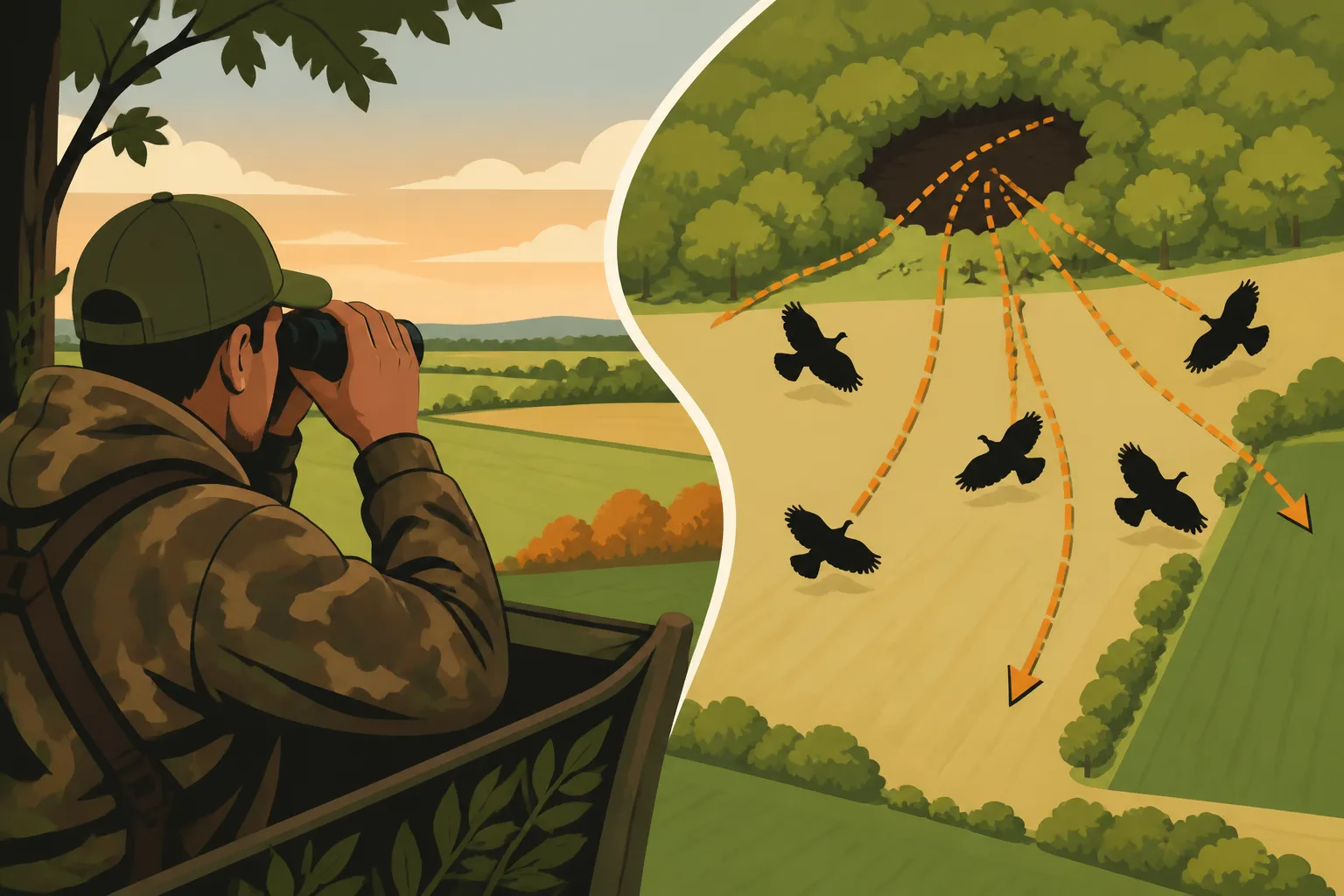
Once turkeys are on the ground, they have a primary goal: food. But they also want to get there safely and efficiently. Over time, especially if they're resident birds, they'll establish preferred routes. These "flight lines" aren't always a straight shot. They often follow natural terrain features like creek bottoms, logging roads, old two-tracks, fence lines, or the edges of dense cover. These routes offer a blend of protection, easy travel, and often connect various food sources.
Consider a flock that roosts along a ridgetop above a sprawling agricultural field. Instead of flying directly into the middle of the field, where they're exposed, they might pitch down into the timber along the field's edge, then walk that edge until they find the best spot to enter. Or, if there's a small patch of timber or a fencerow that extends into the field, they'll use that as a natural corridor. This habitual use makes their movements predictable. When you're considering Turkey Tactics for Farm Country Edges, understanding these established routes is paramount. They're looking for the path of least resistance and greatest security, and once they find it, they stick to it.
Decoding the Landscape: Scouting for Flight Lines
Identifying these invisible flight lines requires thorough scouting, both in person and from your armchair using digital tools. It's about piecing together the puzzle of a turkey's daily movements.
Pre-Season Reconnaissance and Digital Tools
Before you even step foot in the woods, the best scouting often starts at home. Digital mapping tools, like those found on the Pennsylvania Game Commission's website or subscription services like GoHunt, are invaluable. Look for terrain features that naturally funnel turkeys. Are there narrow strips of timber connecting larger woodlots to fields? Are there finger ridges that extend down from a larger mountain towards a creek bottom or agricultural area? Turkeys will almost always follow these natural funnels.
Use aerial imagery to identify potential roosting areas—tall timber on ridge lines, steep hillsides, or near water. Then, trace potential pathways to known food sources, like agricultural fields, clear-cuts, or mast-producing oak ridges. Pay close attention to pinch points where multiple features converge. A creek crossing, a low saddle on a ridge, or a specific gate along a field edge can be a bottleneck where turkeys are forced into a smaller area. Mark these spots on your digital map. This process of digital reconnaissance can save you countless hours of unproductive walking and is a critical component of Scouting Pennsylvania Public Land Before Season. GoHunt's detailed satellite imagery and public land overlays can be particularly helpful in this initial phase, letting you see the lay of the land without leaving your desk.
Reading the Ground: Tracks, Droppings, and Feathers
Once you have some potential flight lines marked on your map, it’s time for boots-on-the-ground scouting. The physical evidence turkeys leave behind is the most reliable indicator of their travel patterns. Look for tracks in soft dirt along logging roads, creek banks, or field edges. Fresh tracks, especially those accompanied by wingtip marks, are strong evidence of a recent fly-down. You’ll often see these marks where they hit the ground and then walked away.
Droppings are another key sign. Turkey droppings differ between gobblers and hens (gobbler droppings are J-shaped, hens are coiled). Finding a concentration of droppings, especially if it's a mix, along a specific path confirms heavy usage. Look for shed feathers, too. A few primary wing feathers can indicate a fly-down spot, while body feathers might be scattered along a walking route. Pay particular attention to areas where turkeys might dust themselves or strut; these spots will often have a higher concentration of sign. If you're on State Game Lands, you might find this evidence along maintained trails or in open patches of forest.
Listening and Watching for Clues
Nothing beats direct observation. Before the season, spend some time in your chosen hunting area at dawn and dusk. Locate potential roosting areas and position yourself where you can hear and see birds pitching up at night and pitching down in the morning. This doesn't mean you need to be directly under their tree. Instead, find a vantage point where you can observe their flight path. Do they consistently fly to a specific finger ridge? Do they cross a particular powerline cut? Where do they land relative to the nearest field?
Listen for the distinct "thwack-thwack-thwack" of their wings as they fly down. Once on the ground, listen for soft clucks, yelps, or purrs as they regroup. This observational scouting is a crucial part of identifying the "line" they take from their roost to their breakfast table. If you're struggling to locate birds in the evenings, try using a locator call—an owl hoot or crow call—to make them gobble on the roost. This can help you pinpoint their general location and then focus your morning listening efforts.
Intercepting the Journey: Setting Up on a Flight Line
Once you've identified a likely flight line, the next step is to position yourself strategically to intercept those birds. This requires careful consideration of your setup, decoys, and calling strategy.
Optimal Setup Locations and Concealment
Your setup is paramount. You need to be in a location that offers excellent concealment and a clear shot at the turkeys as they approach, without being so close to the roost that you spook them. The sweet spot is usually 100-200 yards from the actual roost tree, along their identified flight path. Look for natural breaks in the terrain or vegetation: a blowdown, a large oak with a wide base, a cluster of pines, or the edge of a small clear-cut.
When selecting your spot, consider the sun's position. You want the sun at your back, shining into the turkeys' eyes, making it harder for them to spot you. Also, think about your backdrop. Setting up against a large tree or a thick tangle of brush will help you blend in much better than silhouetting yourself against an open sky. Make sure you can move your gun and call subtly without being detected. This is especially important when you're Setting Up Against a Big Oak—you want the tree to hide your outline, not just your front. The goal is to be invisible yet have a commanding view of their anticipated approach.
Decoy Strategies for Flight Paths
Decoys can be incredibly effective when hunting a flight line, but their placement is crucial. You're not trying to pull birds from a quarter-mile away; you're trying to guide birds that are already on a trajectory towards you. A single hen decoy or a jake/hen combination placed 15-20 yards from your setup, slightly off to the side of the direct flight line, can work wonders. The goal is for the birds to see the decoy, confirm the "safety" of the area, and walk directly past your shooting lane.
Avoid placing decoys too far out or directly in the line of travel, as this can make turkeys wary. Sometimes, less is more. For heavily pressured birds, even a simple fan or no decoy at all might be the best approach, relying purely on your calling and concealment. If you're dealing with very wary birds, especially on public land, understanding Decoy Placement for Pressured Birds is critical. You might find success with a submissive hen or a lone jake, placed strategically to draw the dominant gobbler in.
Calling Sequences: Luring Them In
Your calling strategy should complement the fact that turkeys are already moving in your direction. You don't need aggressive, loud calling right off the roost. Instead, start with soft tree yelps and clucks as birds are still on the roost. Once they've pitched down, switch to more realistic ground sounds: subtle clucks, purrs, and soft yelps. The idea is to sound like a contented hen already on the ground, exactly where they're headed.
As they get closer, gauge their interest. If they're gobbling and heading your way, resist the urge to overcall. Let them come. A few soft purrs or clucks might be all it takes to keep them committed. If they hang up, a slightly more excited series of yelps or cutts might be needed to pull them the last distance. Remember, you're trying to convince them that your location is safe and inviting, not that it's a trap. A careful balance of realism and restraint is key. For more on effective vocalizations, check out our guide on Turkey Calls Worth Carrying in Pennsylvania.
Adapting to Conditions: When Turkeys Veer Off Course
Even the most predictable turkeys can sometimes throw a curveball. Understanding why they might deviate from their usual flight lines and how to adapt can salvage a hunt.
Weather Impacts and Pressure Adjustments
Weather plays a huge role in turkey behavior. A cold, rainy morning might keep birds on the roost longer, or cause them to fly down into heavier cover rather than open fields. High winds can make turkeys nervous and change their flight patterns dramatically, often opting for more sheltered routes. A sudden cold snap after a warm spell can change their preferred food sources, altering their ultimate destination and, consequently, their flight path. Always check the forecast and adjust your expectations.
Hunting pressure is another major factor, especially on public lands. If a roost has been pressured heavily, turkeys will quickly change their habits. They might fly down in a different direction, or remain silent longer, making them harder to locate. This is where truly understanding the "why" behind their movements becomes vital. If your usual spot isn't producing, consider a secondary flight line you've identified, or a more remote access point. Being flexible and having backup plans is essential when Hunting Turkeys in Pennsylvania Big Woods where other hunters might be present. GoHunt's mapping features can help you identify less-pressured pockets of public land, allowing you to find those hidden roosts.
Dealing with Obstacles and Predators
Turkeys are constantly assessing their environment for threats. A new timber cut, a fallen tree that blocks their path, or even increased activity from other wildlife can cause them to change their route. If you've been seeing consistent activity on a flight line and it suddenly stops, look for changes in the landscape or new predator sign. A coyote scent marking a usual travel corridor, or a bobcat sighting, might make turkeys choose a different path.
Similarly, if you encounter unforeseen obstacles during your hunt, like a creek that's higher than usual or a dense thicket you hadn't anticipated, be ready to adjust. Sometimes, this means quietly relocating to a new setup further down their potential path, or moving into a position where you can still intercept them if they've skirted the obstacle. The key is to pay attention to details and be prepared to move if the birds aren't doing what you expected. Often, a small change in their environment can lead to a significant change in their "flight plan," so being adaptable is the hallmark of a successful turkey hunter.
| Roost-to-Field Flight Line Elements | Description | Scouting Methods | Hunting Strategy |
|---|---|---|---|
| Roost Location | High, sturdy trees, often on ridges or near water for safety and visibility. | Listen at dusk/dawn, use locator calls, digital maps for terrain. | Set up 100-200 yards away, down the expected flight path. |
| Fly-Down Spot | Initial safe landing area, often open woods or cover edge. | Look for wingtip marks, concentrated droppings, feathers. | Place decoys subtly to draw attention to your setup. |
| Travel Corridor | Established routes along natural funnels like creek bottoms, logging roads, field edges. | Tracks, droppings, consistent sign, game trails. | Position for clear shots, sun at your back, excellent concealment. |
| Feeding Area | Agricultural fields, clear-cuts, mast-producing timber. | Scout for active feeding (scratching, fresh droppings). | Call sparingly and realistically, mimic contented hens. |
| Obstacles/Pressure | New timber cuts, predators, other hunters, severe weather. | Observe for changes, check weather, listen for other calls. | Be adaptable, have backup plans, move if necessary. |
Disclaimer
Hunting involves inherent risks, and conditions in the field can change rapidly. Always prioritize safety, adhere to all Pennsylvania Game Commission regulations, and obtain proper licenses and permits. The information provided here is for educational purposes and should not replace responsible hunting practices or professional instruction.