Pennsylvania Trapping Seasons and Tagging Rules
Navigating the intricate world of Pennsylvania trapping regulations can feel like trying to untangle a particularly stubborn knot. With different seasons for various furbearers, specific tagging requirements, and nuances that can change year to year, it’s easy to feel overwhelmed. This comprehensive guide is here to unravel those complexities, providing clear, actionable information on Pennsylvania's trapping seasons and tagging rules, so you can confidently and legally pursue your passion.
Understanding Pennsylvania's Trapping Landscape
Trapping in Pennsylvania is more than just a pastime; it's a deep-rooted tradition that plays a vital role in wildlife management and conservation. For generations, Pennsylvanians have taken to the woods and waterways, learning the subtle art of reading sign, understanding animal behavior, and skillfully deploying traps.
The Rich Tradition of Trapping in PA
Pennsylvania's landscape, from its dense forests to its sprawling farmlands and winding rivers, supports a diverse array of furbearers. Trapping has long been a means of sustenance, fur harvest, and pest control, deeply intertwined with the state's natural history. Early settlers and Native Americans alike relied on the abundance of furbearing animals, a legacy that continues today. Modern trapping contributes significantly to wildlife data collection and helps manage populations, particularly in areas where certain species might otherwise become overabundant, impacting agriculture or other wildlife. It’s a skillset passed down through families, connecting trappers to a rich heritage of outdoor wisdom and respect for the land.
The methods and ethics of trapping have evolved considerably over the centuries, with a strong emphasis now on humane practices and selective harvesting. Trappers today are often on the front lines of wildlife observation, providing invaluable insights into animal health and population dynamics. This tradition is sustained by a dedicated community that takes pride in its role as conservationists, ensuring that furbearer populations remain healthy for future generations.
Key Furbearer Species You Can Target
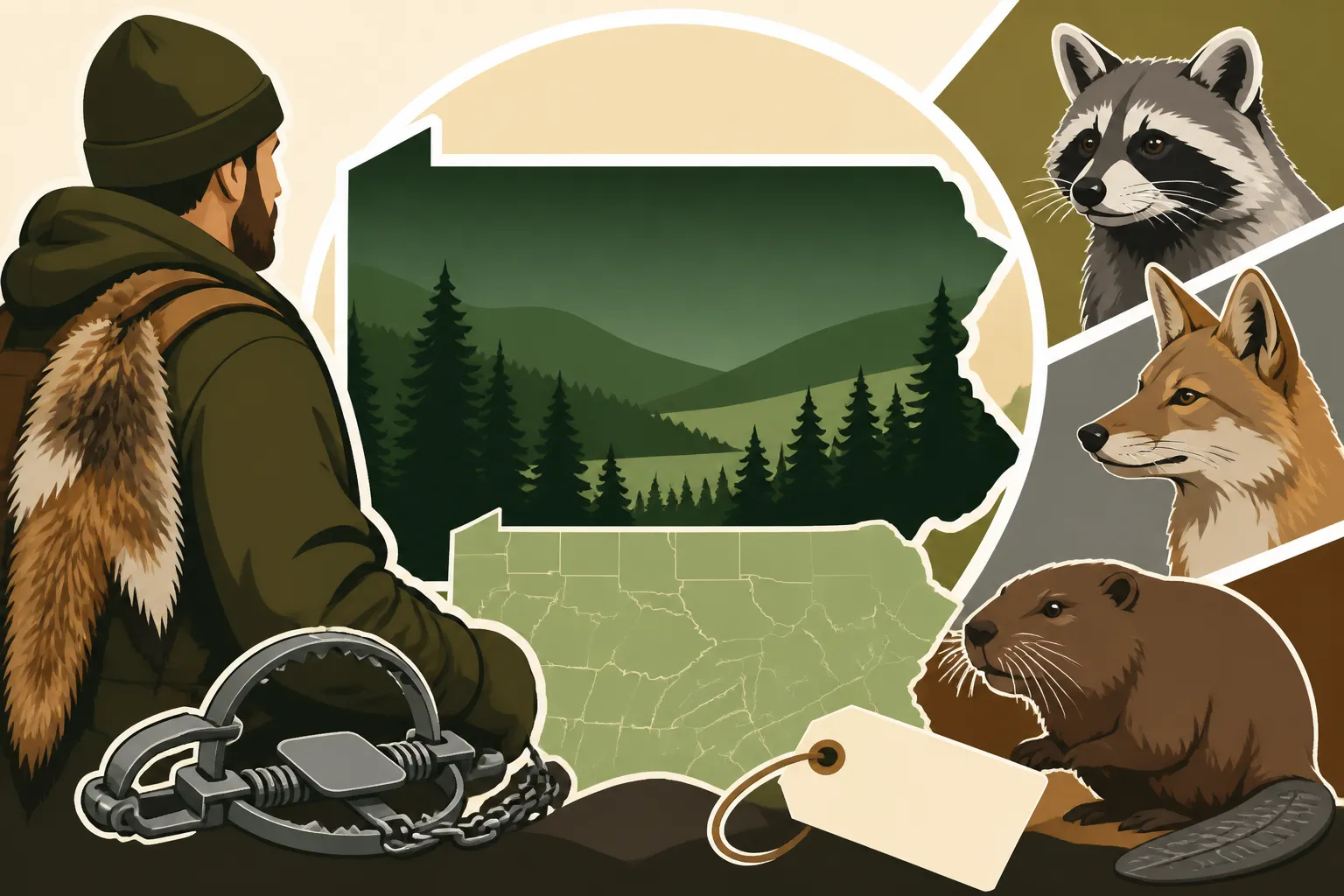
Pennsylvania is home to a robust population of furbearers, offering a variety of trapping opportunities throughout the year. The primary species that trappers target include coyotes, red and gray foxes, raccoons, skunks, opossums, weasels, mink, muskrats, and beavers. Each of these species presents its own unique challenges and rewards, requiring different techniques and trap sets. Understanding the habits and habitats of these animals is crucial for successful and ethical trapping.
Beyond these common furbearers, Pennsylvania also has special seasons for more elusive species like bobcats and fishers. These animals often require dedicated permits and have stricter regulations due to their more sensitive population statuses. For those interested in pursuing these, it's vital to know the specific application processes and harvest limits, as these are generally more restricted than those for more common furbearers. The diversity of species means there’s always something new to learn and adapt to, making trapping a year-round pursuit for many enthusiasts.
General Trapping Regulations and Licensing
Before you even think about setting your first trap, understanding the foundational regulations and licensing requirements is paramount. The Pennsylvania Game Commission (PGC) oversees all trapping activities in the state, and staying compliant ensures a smooth and legal experience in the field.
Essential Licenses and Permits
To legally trap in Pennsylvania, you must possess a valid Furtaker License. This is separate from a general hunting license, although many trappers hold both. The cost for a Pennsylvania Furtaker Licence Requirements varies depending on residency and age, with junior and senior options available at reduced rates. You can purchase your license online through the PGC website, at a licensed issuing agent, or directly from the Game Commission. It's always a good idea to secure your license well in advance of the season, especially if you're planning on participating in the early season opportunities.
In addition to the general furtaker license, specific permits are required for certain furbearer species. For instance, trapping bobcats and fishers requires a separate, successfully drawn permit. These permits are limited in number and are often highly sought after, reflecting the unique management strategies for these particular species. Always double-check the current regulations annually, as rules and permit requirements can change. Remember, these permits are not just bureaucratic hurdles; they are crucial tools for wildlife managers to ensure sustainable populations for generations to come.
Hunter-Trapper Education Requirements
Just as with hunting, new trappers in Pennsylvania are required to complete a Hunter-Trapper Education course. This comprehensive program covers essential topics such as trapping ethics, furbearer identification, humane trapping methods, trap selection and placement, safety, and the relevant Pennsylvania game laws. The goal is to ensure that every new trapper has the knowledge and skills to trap safely, ethically, and responsibly. This course is a mandatory step for anyone who has not held a valid furtaker license or its equivalent in another state for at least two years.
For younger enthusiasts, the Mentored Youth and Mentored Adult Permit system also applies to trapping. This allows individuals who haven't completed the education course yet to gain hands-on experience under the direct supervision of an experienced, licensed adult. This mentorship is invaluable for passing down practical skills and instilling a deep respect for wildlife and the trapping tradition. Even seasoned trappers can benefit from refreshing their knowledge, especially with rule changes or new best practices emerging. The PGC offers various formats for the Hunter-Trapper Education course, including online and in-person options, making it accessible for most individuals.
Daily and Seasonal Bag Limits
Unlike hunting for deer or turkey, many common furbearers in Pennsylvania do not have a daily or seasonal bag limit. Species such as red fox, gray fox, raccoon, skunk, opossum, weasel, and mink can typically be harvested without a specific cap, as long as you possess the appropriate furtaker license. This open-ended approach reflects the abundance and management goals for these particular animals, often considering their role in local ecosystems and potential impacts on agriculture or residential areas.
However, it is critically important to remember that this "no limit" rule does not apply universally. Species like beaver have specific bag limits depending on the Wildlife Management Unit (WMU) you are trapping in, and often have annual season limits. Most notably, bobcats and fishers, due to their permit-only status, have very strict one-per-season limits. Understanding these nuances is crucial, and it means checking the current year's digest for exact figures is non-negotiable. While researching your spots, digital mapping platforms like GoHunt can be incredibly useful for visualizing WMU boundaries and understanding how regulations might differ from one area to the next, helping you stay compliant with these important restrictions.
Detailed Furbearer Seasons by Species
The heart of successful trapping lies in knowing when to be out in the field. Pennsylvania's trapping seasons are carefully structured to align with furbearer prime times, ensuring ethical harvesting and quality pelts.
Trapping Seasons for Common Furbearers
For many of Pennsylvania's most common furbearers, the trapping seasons generally kick off in late October or early November and can run well into February or even March, depending on the species. Red and gray foxes, raccoons, skunks, opossums, and weasels typically share similar long seasons, allowing trappers ample time to set their lines. These extended periods are designed to coincide with cooler weather, which causes furbearers to develop thicker, more valuable pelts, and also helps to minimize the take of animals when they are raising young.
The exact Pennsylvania Trapping Season Opening Dates can shift slightly from year to year, so always consult the latest PGC hunting and trapping digest. For instance, the main trapping season for red fox, gray fox, and raccoons often begins on a Saturday in late October or early November. These animals are prevalent across much of the state, from agricultural areas to deep woods, offering widespread opportunities. Knowing these dates is just the first step; understanding local population densities and typical weather patterns will further refine your timing and approach.
Specific Seasons for Water-Dwellers
Trapping water-dwelling furbearers like beaver, muskrat, and mink involves a slightly different calendar and often distinct techniques compared to land-based sets. Muskrat and mink seasons typically open around the same time as the general land trapping seasons in late October or early November, but often extend later into the winter and early spring. These animals are highly dependent on aquatic habitats, so their seasons are timed to when water levels are more stable and their fur is at its prime.
Beaver seasons are usually a bit more restrictive, often starting in December or January and running through March. This later start ensures higher quality pelts and manages these industrious animals, whose dam-building can sometimes cause localized flooding or impact other species. Beaver trapping also frequently has specific bag limits per trapper, which can vary by WMU, so understanding these regional differences is vital. For dedicated water trappers, these periods offer a unique challenge and the reward of valuable furs. Remember, specific rules apply to trap types that can be used in or near water, emphasizing safety and responsible methods. You can learn more about specific regulations and management efforts for these species, such as for the Pennsylvania Beaver Numbers and Trapping efforts, by reviewing PGC resources.
Special Seasons and Permits
Pennsylvania offers limited, special opportunities for two highly sought-after furbearers: bobcats and fishers. These species are managed with extra care due to past population declines and ongoing conservation efforts. Trapping bobcats requires a special permit, drawn through a lottery system that takes place annually. Those lucky enough to secure a permit face strict season dates, typically running from mid-December through early January, and a harvest limit of one bobcat per season. The pursuit of a bobcat is a true test of a trapper's skill, demanding keen observation and meticulous set placement.
Similarly, fisher trapping also operates under a permit system, though often with a higher number of permits allocated. The fisher season usually aligns closely with the bobcat season, with similar one-per-season limits. These animals are primarily found in Pennsylvania's forested regions, particularly the northern tier and parts of the central mountains. Given the limited number of permits and the specific regulations, understanding the application process and adhering to all rules is paramount. For detailed information on these specific opportunities, exploring resources like Fisher and Marten in Pennsylvania Trapping can provide invaluable insights into these unique trapping pursuits.
Here's a simplified overview of general Pennsylvania trapping seasons for common furbearers. Always consult the current PGC digest for exact dates, WMU-specific rules, and bag limits, as these can change annually.
| Species | General Season Start | General Season End | Bag Limit (per trapper) | Special Notes |
|---|---|---|---|---|
| Red Fox | Late October / Early Nov | Mid-February | No Limit | Statewide |
| Gray Fox | Late October / Early Nov | Mid-February | No Limit | Statewide |
| Raccoon | Late October / Early Nov | Mid-February | No Limit | Statewide |
| Skunk | Late October / Early Nov | Mid-February | No Limit | Statewide |
| Opossum | Late October / Early Nov | Mid-February | No Limit | Statewide |
| Weasel | Late October / Early Nov | Mid-February | No Limit | Statewide |
| Mink | Late October / Early Nov | Early March | No Limit | Primarily water sets |
| Muskrat | Late October / Early Nov | Early March | No Limit | Primarily water sets |
| Beaver | Late December / Early Jan | Late March | Varies by WMU (e.g., 20) | Specific trap size/type restrictions for water sets |
| Coyote | Year-round | Year-round | No Limit | Can be trapped or hunted |
| Bobcat | Mid-December | Early January | 1 | Special permit required (lottery draw) |
| Fisher | Mid-December | Early January | 1 | Special permit required (lottery draw) |
Note: Dates are approximate and subject to annual changes. Always consult the official Pennsylvania Game Commission Hunting & Trapping Digest for current, accurate regulations.
Tagging and Reporting Requirements
Successfully trapping an animal is only part of the process; equally important are the legal requirements for tagging and reporting your harvest. These steps are crucial for wildlife management and ensure the long-term health of furbearer populations.
General Tagging Procedures for Trapped Furbearers
For most common furbearers in Pennsylvania, the tagging requirements are relatively straightforward, but they are non-negotiable. Upon harvesting an animal, you must immediately complete the furtaker harvest tag that comes with your license. This tag needs to be securely attached to the animal before you move it from the point of kill. The tag typically requires information such as the date of harvest, the WMU where the animal was taken, and the species. The idea is that law enforcement should be able to identify who took the animal and when, even if you’re no longer directly with the carcass.
This immediate tagging is important for a couple of reasons. Firstly, it prevents confusion and potential violations, especially if you are trapping multiple animals. Secondly, it contributes to accurate harvest data, which the PGC uses to assess population trends and set future seasons. Even if you're out in a remote area, perhaps scouting a new spot using your GoHunt app, or even in deep snow as discussed in Flintlock Hunting in Pennsylvania Snow, these tagging rules still apply. It's a fundamental step that demonstrates responsible and legal trapping.
Special Tagging for Bobcat and Fisher
When it comes to bobcats and fishers, the tagging requirements become more stringent, reflecting their status as permit-only species. If you are fortunate enough to harvest a bobcat or fisher after drawing a special permit, you must immediately attach the special permit tag to the animal, just as you would with a general furtaker tag. However, the process doesn't end there. All legally harvested bobcats and fishers must be presented to a Game Commission officer or a designated check station for an official seal. This seal acts as proof of legal harvest and is often required if you intend to have the pelt commercially processed or sold.
This additional sealing step is critical for data collection. PGC staff can gather biological samples, such as teeth for aging, or verify sex and general health. This information is vital for ongoing research and helps the PGC monitor these populations very closely. Failing to get a bobcat or fisher officially sealed can lead to severe penalties, regardless of whether you had a valid permit. It's a small extra step that contributes significantly to the conservation of these valuable furbearers. You can find more details on these specific regulations, including requirements around Bobcat Hunting in Pennsylvania, within the official PGC digest.
Reporting Your Harvests
Reporting your harvest is a mandatory step for all furbearers taken in Pennsylvania, regardless of whether they have a bag limit or require a special permit. While the immediate tagging with your license is the first step, the PGC requires a more formal reporting of your harvest. This can typically be done online through the PGC website, by mail, or through their automated phone system. The information requested usually mirrors what's on your tag: species, date of harvest, and WMU.
The purpose of this reporting is straightforward: it provides the Game Commission with crucial data for managing furbearer populations. Without accurate harvest numbers, wildlife biologists cannot make informed decisions about season lengths, bag limits, or permit allocations. This data helps assess trends, identify areas of concern, and ensure sustainable trapping opportunities for the future. For example, understanding patterns like those revealed when Reading a Pennsylvania Harvest Report for deer can also apply to furbearer data. Missing this step, even for common species, is a violation and undermines the collective effort to manage Pennsylvania's wildlife responsibly. Always make sure to report your kills by the specified deadline for the season.
Important Rules and Best Practices for Responsible Trapping
Trapping effectively and ethically involves more than just knowing seasons and tags; it requires a deep understanding of responsible practices that ensure animal welfare, public safety, and the long-term viability of the resource.
Trap Types, Placement, and Check Times
Pennsylvania regulations are quite specific about the types of traps permitted, their placement, and how often they must be checked. Generally, common trap types include foot-hold traps (often padded or offset to minimize injury), body-gripping traps (like Conibear traps), and cable restraints (often referred to as snares). Each type has specific size restrictions and legal uses. For instance, large body-gripping traps often have restrictions on where they can be set to avoid catching non-target animals, particularly domestic pets. It is imperative to understand these rules, as improper trap selection or placement can lead to violations and potential harm.
Trap placement is crucial for both success and legality. You must avoid setting traps within specific distances of occupied dwellings without permission (safety zones) and always consider the potential for capturing non-target species. Furthermore, all traps, snares, and cable restraints must be checked at least once every 36 hours. This frequent checking minimizes the time an animal spends in a trap, promoting humane treatment and reducing the risk of injury or exposure to the elements. These regulations are designed to uphold the highest standards of animal welfare within the trapping community.
Safety Zones and Landowner Permissions
One of the most critical aspects of responsible trapping in Pennsylvania involves respecting safety zones and securing landowner permissions. Traps cannot be set within 150 yards of an occupied dwelling, school, playground, or church without the express written permission of the owner or occupant. This safety zone regulation is designed to protect people and domestic animals from accidental encounters with traps. Disregarding these zones is a serious offense and can lead to significant penalties.
Beyond safety zones, securing proper permission is absolutely essential when trapping on private land. Whether you're in the vast wilderness or Hunting a Standing Cornfield in Farm Country, you need explicit permission. This means knowing precisely where you're setting traps and having a clear understanding of property boundaries. While public lands, such as State Game Lands, are generally open to trapping, even there, specific rules may apply, particularly concerning proximity to roads or designated recreational areas. Always carry proof of permission when trapping on private property, as discussed in Getting Private Land Permission in Pennsylvania, to avoid any misunderstandings with landowners or game wardens. Using tools like the Pennsylvania Mapping Center, or satellite imagery features within applications like GoHunt, can help trappers identify public and private land boundaries, minimizing the risk of trespass.
Avoiding Non-Target Species
A responsible trapper always strives to avoid capturing non-target species. This requires careful consideration of trap type, size, and bait. For example, using highly selective baits for foxes, or setting water traps in locations less likely to encounter land mammals, can significantly reduce the chances of catching an animal you didn't intend to. Understanding the habits and travel patterns of all local wildlife is key. If a non-target animal is inadvertently caught, the trapper has a legal and ethical responsibility to release it unharmed, if possible, or report the capture to the Game Commission if the animal is injured or a protected species.
Education and experience play a huge role here. A well-placed trap, appropriate for the target species and the specific environment, is far less likely to cause issues. Trapper education courses heavily emphasize techniques for selective trapping and humane dispatch, ensuring that trappers are equipped with the knowledge to minimize incidental catches. By adhering to these best practices, trappers not only stay within the bounds of the law but also uphold the ethical standards that define the trapping community in Pennsylvania.
Disclaimer
Please remember that hunting and trapping regulations in Pennsylvania are subject to change. While this guide aims to provide comprehensive and accurate information, it is crucial to always consult the current official Pennsylvania Game Commission Hunting & Trapping Digest for the most up-to-date and specific rules before heading afield. Ignorance of the law is not a valid defense for violations.