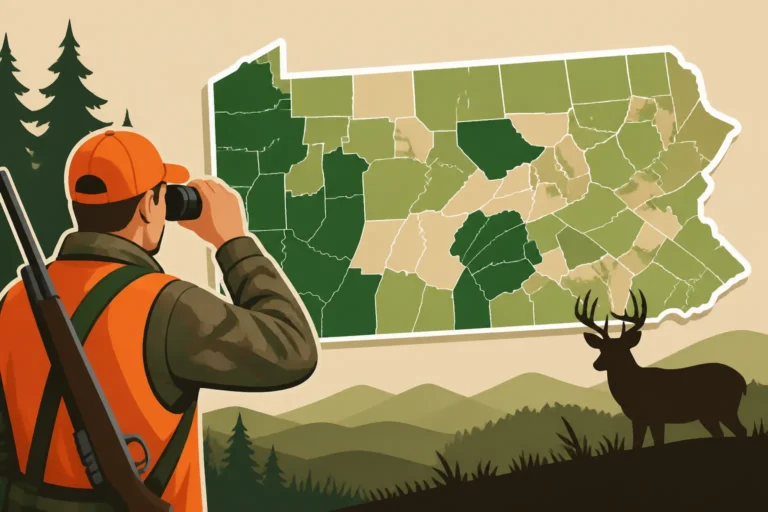
Leftover Antlerless Licences in Pennsylvania
It’s a familiar scenario: you’ve got your heart set on hunting a specific Wildlife Management Unit (WMU) for deer, but when the antlerless license sales open, whether you’re a resident or non-resident, those coveted tags vanish faster than a whitetail in thick cover. The frustration is real, and it can feel like your season plans are already unraveling. But don't despair! This comprehensive guide is dedicated to shedding light on Pennsylvania's leftover antlerless licenses, offering you a crucial second chance to secure a tag and get back in the game.
The Lifeline of Leftover Antlerless Licences
Missing out on an antlerless tag during the initial frenzy can feel like a punch to the gut. Perhaps you were a few minutes late to the online portal, or the WMU you wanted simply had too much demand. But that's precisely where leftover antlerless licenses become your best friend, offering a critical opportunity to still participate in Pennsylvania's deer season.
What Exactly Are Leftover Tags?
Simply put, leftover antlerless licenses are the tags that weren't purchased during the initial rounds of sales. The Pennsylvania Game Commission (PGC) allocates a specific number of antlerless tags to each WMU, aiming to manage deer populations effectively. However, several factors can lead to tags being "left over." Sometimes, a WMU's initial allocation is higher than the actual demand, or maybe some hunters decide against buying a second or third tag after their initial purchase. Economic factors, changing hunting habits, or even just forgetting the sale dates can all contribute to a surplus.
These leftover tags are incredibly important because they give hunters who missed the initial sales – or those looking to fill additional tags – another shot at pursuing antlerless deer. For many, it's the difference between having a deer season and staying home. It’s a flexible system designed to ensure as many tags as possible are sold, helping the PGC meet its management goals while also catering to hunter demand.
How the Sales Process Evolves
The sale of Pennsylvania antlerless licenses isn't a single event; it's a staggered, multi-phase process that can be a bit confusing if you're not tracking it closely. It typically begins with residents, with a specific period where they can purchase one tag. Then, non-residents get their turn, usually a couple of weeks later. After these initial rounds, things start to loosen up.
The next phase allows residents to purchase a second antlerless tag, and then non-residents can do the same. This is where demand truly starts to dictate which WMUs will have leftover tags. The most popular WMUs, especially those close to population centers or known for good deer numbers, often sell out during these early resident and non-resident rounds.
Eventually, if tags still remain, the rules relax even further, often allowing hunters to buy additional tags beyond their initial limit, regardless of residency. This is the official "leftover" period, and it's when tags from less-pressured WMUs might become available. While the majority of sales are now conducted efficiently online, if you're looking for a last-minute tag, it's sometimes worth checking with county treasurers' offices, as they may occasionally have a few physical licenses remaining from their allocation that haven't been picked up or electronically transferred back to the general pool. However, the online system is generally the fastest and most reliable route.
Navigating the Leftover Sales Period
Once the initial frenzy of antlerless license sales subsides, the leftover period begins, and it’s a whole new ball game. This phase requires a different kind of vigilance and strategy, often feeling like a high-stakes scavenger hunt.
Key Dates and the Rush
The official start date for leftover antlerless license sales is critical knowledge for any Pennsylvania hunter. While the exact dates can shift slightly each year, it generally kicks off in late July or early August. When these sales begin, it's often another mad dash, especially for WMUs that might have unexpectedly low demand in the initial rounds or those that release a small number of previously unpurchased tags.
For example, imagine you're really hoping for a tag in a WMU like 2B or 5C, which are known for high hunting pressure and generally sell out extremely fast. While these might be long shots in the leftover rounds, you might find a surprise opening in a WMU like 3A or 4D, areas that might have a few more tags due to lower initial demand or perhaps a larger allocation. Knowing Which Pennsylvania WMUs Sell Out First can inform your strategy. The PGC’s system can get bogged down with traffic right at opening time, so having multiple devices ready or planning to log in precisely at the minute sales begin is not an overreaction – it's a necessity for highly sought-after areas. It can be disheartening to be prepared only to find the system slow or a tag gone the moment you click, but persistence often pays off.
Online Purchase Mechanics
The PGC has streamlined the process significantly, with the vast majority of antlerless licenses, including leftovers, sold through their online portal. To give yourself the best chance, make sure your Hunter ID and other credentials are up-to-date well before the sale date. You’ll want a strong, reliable internet connection, and ideally, you should be logged in and ready to go a few minutes before the designated start time.
When the sale goes live, it's often a matter of quickly selecting your desired WMU, adding the license to your cart, and completing the transaction before someone else snags it. There's often a real-time counter showing how many tags remain in each WMU, but these numbers can fluctuate rapidly as hunters across the state are simultaneously attempting to purchase. Sometimes, a WMU might show "0" but then unexpectedly "restock" a few tags if another hunter's transaction falls through.
Many hunters use tools or community discussions to stay on top of the fluctuating availability. While the official PGC website is the only place to buy, platforms like GoHunt can sometimes offer community-sourced updates or discussions about which WMUs are seeing tags pop up or disappear. Remember, this isn't a direct sales channel, but a resource for staying informed on the ground. Learning Buying Pennsylvania Licences Online efficiently is key.
Strategies for Success and What to Expect
Even during the leftover period, securing an antlerless license in Pennsylvania can feel like a game of chance. However, with a bit of strategy and understanding of the system, you can significantly improve your odds.
Researching WMU Availability
Your first line of defense is robust research. The Pennsylvania Game Commission updates its website regularly with the remaining antlerless license allocations by WMU. This is your go-to official source. However, because sales happen so quickly, the numbers can be outdated within minutes. It pays to check frequently – multiple times a day, even – especially if you're targeting a WMU with limited tags remaining.
Beyond the official site, joining online hunting forums or social media groups dedicated to Pennsylvania hunting can provide real-time, albeit unofficial, updates from fellow hunters. These communities often share when they see tags disappear or reappear in specific WMUs. Tools like those provided by GoHunt can sometimes offer dashboards or aggregated data to help visualize trends in tag availability, giving you a better sense of which WMUs might be worth monitoring closely. Understanding Pennsylvania Antlerless Allocation by WMU is vital for this research. While GoHunt won't directly show live PGC inventory, their analytical tools can help you understand long-term trends and demand.
| WMU | Typical Demand | Initial Sell-Out Speed | Leftover Tag Potential | Strategy Notes |
|---|---|---|---|---|
| 2B (Pittsburgh area) | Extremely High | Minutes | Very Low to None | Long shot; consider alternatives or DMAP. |
| 5C (SE PA) | Very High | Hours | Very Low | Same as 2B; act immediately if any appear. |
| 2D (Central PA) | Moderate to High | Days | Moderate | Check frequently; quick action needed. |
| 3A (Northern Tier) | Moderate to Low | Weeks | High | Good chance; can sometimes pick one up later. |
| 4D (South Central PA) | Moderate | Days | Moderate | Worth checking; might find tags throughout August. |
Note: This table provides a generalized outlook; actual demand and availability fluctuate annually.
The Statewide Release and Maximizing Your Chances
After the initial staggered sales and subsequent rounds for second and third tags, the PGC usually announces a period where any remaining antlerless licenses become truly "statewide." This means hunters, regardless of residency, can purchase additional tags without previous restrictions on the number they can hold for a specific WMU. This is often the final push to sell out all available tags and is a golden opportunity for those who are still empty-handed or want to add another tag to their bag.
The key during this phase is flexibility. If you were dead-set on a particular WMU that sold out, broaden your horizons. Research WMUs you might not have initially considered but that still have tags. Often, these are in more rural or remote parts of the state. While it might mean driving a little further, it's a small price to pay for the chance to hunt. Remember, you can hold How Many Antlerless Tags You Can Hold up to the statewide limit, so don't be afraid to grab one if it's available, even if it's not your dream WMU. Think about which WMUs might still have tags, considering their geographic location and deer densities. Sometimes, a tag in a less-pressured area is exactly what you need to successfully execute your Hunting Pennsylvania Concurrent Antlerless Days or even your Late Antlerless Hunting in Pennsylvania plans.
Dealing with Sell-Outs and Alternative Options
Even with the best planning and lightning-fast reflexes, it's possible you might still miss out on an antlerless license. It's frustrating, no doubt, but it's not the end of your hunting season. Pennsylvania offers other avenues for deer harvest.
One excellent alternative is the Deer Management Assistance Program (DMAP). Deer Management Assistance Program Permits are site-specific tags issued for parcels of land (public or private) where landowners or managers want to increase antlerless harvests to meet specific management goals. These permits are separate from the regular antlerless license system and can be a fantastic way to gain access to hunting land and harvest a doe. Often, you can obtain DMAP permits directly from cooperating landowners or the PGC if it's public land. Learning how to navigate Applying for a DMAP Permit can open up new opportunities.
While brands like GoHunt don't sell licenses, their mapping and scouting tools can be invaluable when exploring DMAP properties or identifying other public lands where antlerless tags might be easier to come by. Their platforms can help you research land ownership and understand the topography, even if you’re looking at a WMU you're less familiar with. Consider thinking outside the box, perhaps looking into Where to Buy a Pennsylvania Licence in Person if the online system completely fails you for the year, as very occasionally a physical location might have a straggler or two. Don't let the initial disappointment define your season; Pennsylvania's system, though complex, offers many ways to stay in the woods. Always review the latest Pennsylvania Deer Seasons and WMU Rules for the current year to ensure you are up to date.
Disclaimer
The information provided in this guide is for general informational purposes only and is subject to change. Hunting regulations, season dates, and license availability are determined by the Pennsylvania Game Commission (PGC) and can vary from year to year. Always consult the official PGC website and current Hunting & Trapping Digest for the most accurate and up-to-date rules and regulations before planning any hunting activities.