When Sunday Turkey Hunting Begins
It's no secret that for generations, Pennsylvania hunters longed for the opportunity to extend their passion for the outdoors into Sunday. For so long, those "blue laws" kept us out of the woods on a day many of us finally had free. When the laws started to change, it brought a wave of relief, but also a bit of confusion. This guide is here to cut through the noise and clarify exactly when you can chase those wily gobblers on a Sunday in the Keystone State.
The Evolution of Sunday Hunting in Pennsylvania
For what felt like an eternity, Pennsylvania held firm to its Sunday hunting prohibitions. It was a tradition steeped in history, often attributed to both religious observance and agricultural concerns, among other factors. For hunters, it meant that countless Sundays, which for many were the only full days off work, couldn't be spent pursuing game. This created a profound sense of frustration and limited opportunities for those who didn't live in states with more liberal Sunday hunting laws.
A Historical Overview of Restrictions
The "blue laws" that restricted Sunday activities, including hunting, were a deeply ingrained part of Pennsylvania's cultural and legal fabric. They dated back centuries, a remnant of colonial-era regulations designed to ensure a day of rest. While many other states in the surrounding region gradually relaxed or eliminated their Sunday hunting bans over the decades, Pennsylvania remained one of the last holdouts. This meant generations of hunters grew up knowing that Saturday was their last chance for the weekend, often leading to crowded woods and a scramble to make the most of limited time. The debate over opening Sundays was a constant refrain at sportsmen's club meetings, in online forums, and in the halls of Harrisburg, with strong opinions on both sides. It wasn't just about hunting; it was about tradition, property rights, and the very culture of the state.
The Legislative Shift and What It Meant
The eventual legislative changes that began to chip away at the Sunday hunting ban were hard-won and a significant milestone for Pennsylvania's hunting community. It wasn't an overnight, sweeping change, but rather a cautious, incremental approach. Initially, the Pennsylvania Game Commission (PGC) was granted the authority to open a limited number of Sundays for specific species. This carefully considered approach was designed to address concerns from various stakeholders, including landowners, hikers, and other recreational users of the outdoors. The initial openings were seen as a test, a way to gather data and gauge public reaction before potentially expanding Sunday hunting opportunities. This cautious rollout was a direct response to the long-standing and often passionate debate that surrounded the issue, ensuring that any changes were made with broad consideration.
Specifics for Turkey Hunting on Sundays
When the legislative changes first took effect, the focus was primarily on deer and bear. However, the conversation soon shifted to other popular game species, and wild turkeys were certainly high on that list for many hunters. After much discussion and consideration by the Pennsylvania Game Commission and lawmakers, it was decided to open one Sunday during the spring gobbler season. This was a monumental win for turkey hunters, offering an additional day to pursue the elusive longbeards. While the fall turkey season still generally remains closed on Sundays, this single addition to the spring season provided a much-needed boost, giving hunters a precious extra opportunity to experience the magic of a spring morning in the turkey woods. You can find detailed information on all open dates, including Sundays, by checking the official PGC website or the annual hunting digest. For a broader look at turkey hunting, consider reading our comprehensive guide on Pennsylvania Spring and Fall Turkey Seasons.
Understanding Current Sunday Turkey Hunting Regulations
Now that Sunday turkey hunting is a reality in Pennsylvania, it's absolutely crucial to understand the specifics to ensure you're hunting legally and safely. The last thing any of us wants is to be caught off guard by a regulation we weren't aware of, especially when we've waited so long for this opportunity.
Spring Gobbler Season Specifics
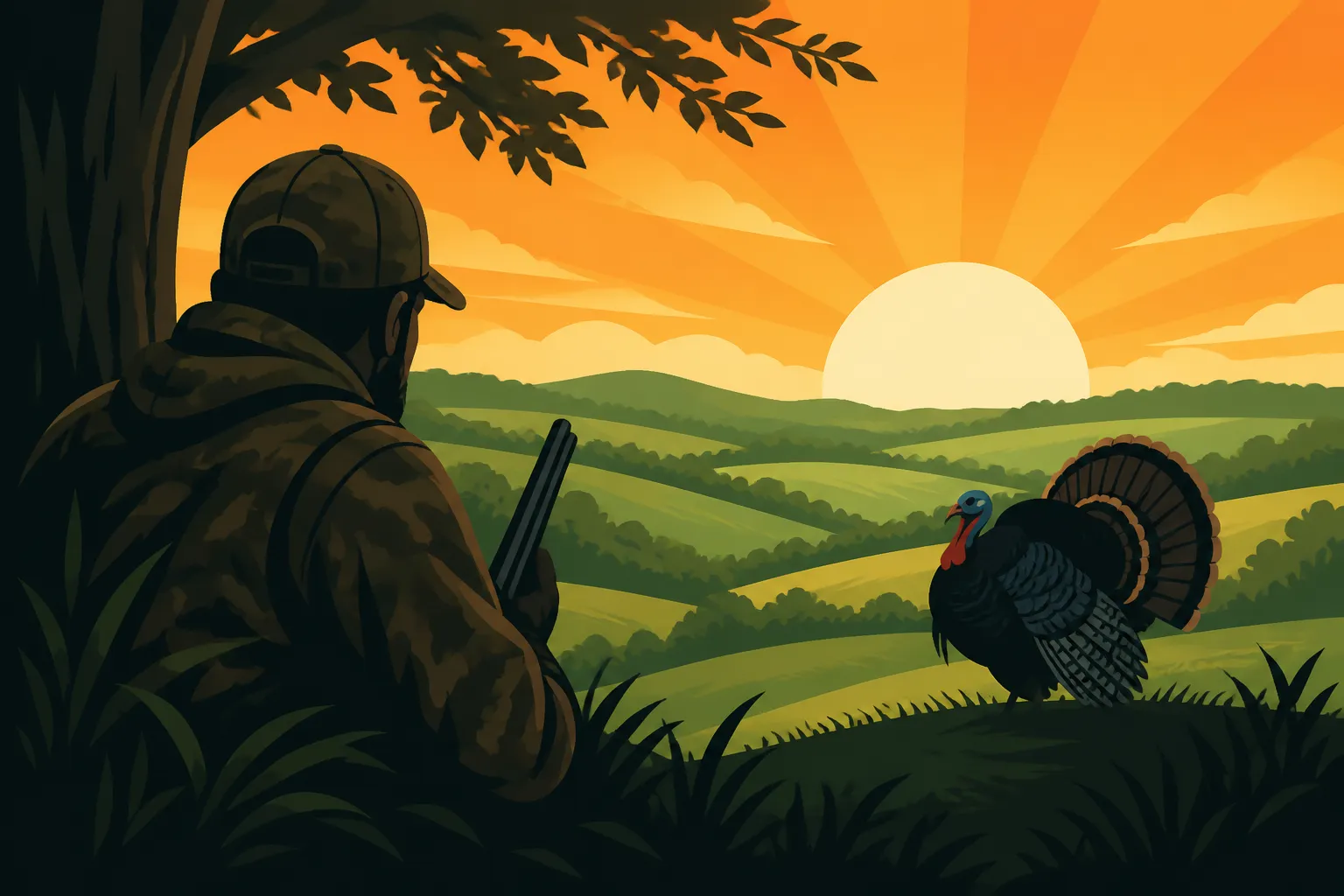
For the dedicated spring gobbler hunter, the most significant change arrived with the opening of one Sunday during the regular statewide spring gobbler season. This means you get a bonus day to listen for those thunderous gobblers, work your calls, and hopefully, seal the deal on a mature tom. It's usually the Sunday that falls within the main statewide season, offering a mid-season boost. Importantly, the hunting hours on this designated Sunday follow the same rules as weekdays: they extend from one-half hour before sunrise until noon. After noon, all turkey hunting must cease for the day. This half-day rule is a consistent feature of spring turkey hunting in Pennsylvania, regardless of the day of the week, and it's vital to respect those hours. Hunter orange is not required for spring gobbler season, even on this Sunday, as long as you're actively hunting turkeys. However, carrying some orange to put on when moving or retrieving a bird is always a smart safety practice. For more details on spring turkey rules, check out our article on Pennsylvania Spring Gobbler Rules.
Fall Turkey Season Specifics
Here's where the distinction becomes important: as of the most recent regulations, fall turkey hunting generally remains closed on Sundays across Pennsylvania. While the spring season gained a Sunday, the fall season has not seen a similar widespread opening. This means that if you're out chasing fall flocks, you still need to plan your hunts for Monday through Saturday. It's a key difference and one that can easily trip up hunters if they're not paying close attention. Always double-check the current hunting digest, as regulations can occasionally be updated for specific Wildlife Management Units (WMUs), but for the vast majority of fall turkey hunters, Sundays are still off-limits. If you're planning a fall turkey trip, be sure to review Pennsylvania Fall Turkey Seasons by WMU to understand the nuances.
Important Considerations and Limitations
Beyond the specific seasons, there are overarching rules that apply to all Sunday hunting, including for turkeys. One of the most critical is written permission for private land. Even though Sunday hunting for certain species is now allowed, you must still have written permission from the landowner to hunt on private property on any Sunday. This isn't just a courtesy; it's a legal requirement designed to protect landowners and prevent trespass issues. State Game Lands and State Forests are generally open for Sunday hunting where permitted for a species, but even there, it's wise to review any specific area regulations.
Another point to remember is that while turkey hunting on Sunday is a fantastic new opportunity, it's still a single day. It can also bring increased hunting pressure to areas that might typically be quieter on a Sunday. Be prepared for more hunters in popular spots, and always prioritize safety. Understanding turkey behavior can help you adapt your Run-and-Gun Turkey Tactics on Game Lands even on a busy Sunday.
Planning Your Sunday Turkey Hunt
Having that extra day in the spring gobbler woods is a game-changer for many hunters. It allows for more flexibility, more time to scout, and another chance to connect with a bird. But like any hunt, a successful Sunday turkey hunt starts with solid planning.
Checking the Official Game Commission Regulations
No matter how many articles you read or how many hunting buddies you talk to, the official Pennsylvania Hunting & Trapping Digest is your ultimate source of truth. Regulations can and do change, sometimes annually, so relying on outdated information is a recipe for trouble. You can pick up a physical copy wherever hunting licenses are sold, or access the digital version on the Pennsylvania Game Commission's website. It's also a great idea to utilize modern tools. Apps like GoHunt provide up-to-date regulations, maps, and even harvest reporting features right on your phone, making it incredibly convenient to verify rules for your specific WMU while in the field. This helps ensure you're always compliant with current seasons, bag limits, and Sunday hunting allowances. It’s definitely worth the small investment in time to ensure you're prepared.
Public vs. Private Land Access
The question of where to hunt on Sunday is just as important as when.
- State Game Lands and State Forests: These vast tracts of public land are generally open for Sunday hunting when a species is in season and Sunday hunting is permitted. This is where many hunters will head, offering ample room to roam. However, remember that "ample room" doesn't mean "empty." Expect higher pressure, especially on that single Sunday in spring gobbler season. It's smart to scout these areas beforehand, looking for less-traveled spots or secondary access points. Knowing how to find ground others might walk past can make all the difference. For deep dives into public land, our articles on Hunting Pennsylvania State Game Lands and Hunting Pennsylvania State Forests are invaluable.
- Private Land: This is where that written permission becomes non-negotiable. Even if you've hunted a farmer's property for years on weekdays, you need explicit written permission to hunt there on a Sunday. This is a critical legal point that protects both the hunter and the landowner. Don't risk it! If you don't have existing permission, now is a great time to start those conversations for next year. For tips, read our guide on Getting Private Land Permission in Pennsylvania. A smart hunter using an app like GoHunt can easily identify property boundaries and landowner information to facilitate obtaining permission, helping to ensure they are on legal ground before even stepping foot into the woods.
Maximizing Your Opportunities
With an extra day in the spring woods, you have a golden opportunity to fine-tune your approach.
- Scouting is Key: Use your weekdays and the Saturday before to scout, listen for gobblers, and identify potential roosting areas. Knowing where the birds are likely to be can save you precious time on Sunday morning. You can use tools like GoHunt's mapping features to mark potential roosts or strut zones.
- Adapt to Pressure: If you anticipate crowds, consider heading deeper into public land, or focusing on areas that require a bit more effort to access. Turkeys will often shift their patterns in response to increased human activity.
- Early Bird Gets the Gobbler: Just like any other day, getting into the woods well before sunrise gives you the best chance to hear birds on the roost and set up without disturbing them. Learning Calling a Pennsylvania Gobbler Off the Roost can be especially effective on this crucial day.
- Post-Noon Plans: Remember, hunting ends at noon on Sunday for spring gobbler. This doesn't mean your day has to end! Use the afternoon for more scouting, reviewing your tactics, or perhaps even shed hunting if you come across any recent drops. It's also a good time to reflect on the Pennsylvania Turkey Population Trends in your area and think about how they might impact your future hunts.
Here's a quick summary of current Sunday turkey hunting rules:
| Season | Sunday Hunting Permitted | Hours | Hunter Orange Required | Private Land Permission |
|---|---|---|---|---|
| Spring Gobbler | One designated Sunday | One-half hour before sunrise until noon | No | Always Required (Written) |
| Fall Turkey | Generally No | N/A | Yes (250 sq in) | Always Required (Written) |
Remember, specific dates for the designated Spring Gobbler Sunday change annually, so always consult the most current Pennsylvania Hunting & Trapping Digest or a reliable source like the GoHunt app for precise dates and further details. This information is key, along with understanding Pennsylvania Hunter Education and Mentored Permits and overall license requirements.
Disclaimer
Please be aware that hunting regulations, seasons, and licensing requirements can change. The information provided here is for general guidance and informational purposes only. It is the responsibility of every hunter to consult the most current official Pennsylvania Game Commission hunting and trapping digest, available on their website or wherever licenses are sold, before heading afield. Always verify specific dates, WMU regulations, and any other rules that may apply to your hunt.